

Should You Wear a Tie Business Casual: Style Rules Explained
If you walk into an office or attend a business event, you might see people dressed in many styles. Some wear sharp suits with ties, while others look relaxed in open-collar shirts and blazers. This mix can make one question: Should you wear a tie business casual? The answer is not simple. Business casual means different things in different places, industries, and cultures. What works in one company might look out of place in another.
The tie is more than just a piece of fabric. It has a long history in the business world. It can signal professionalism, confidence, and sometimes even authority. But in many modern workplaces, the tie is no longer required. Some people skip it to look more approachable or comfortable.
Others keep it to stand out or show respect. Deciding whether to wear a tie in a business casual setting depends on several factors, including company culture, job role, personal style, and even the people you meet.
This article will help you understand what business casual really means, how ties fit into this dress code, and whether adding a tie is a smart move for your situation. We’ll compare styles, share real examples, and offer practical advice.
If you’re unsure about wearing a tie, you’ll find clear answers and confident guidance here.
Understanding Business Casual
Business casual is a style that sits between formal business attire and casual wear. It allows for more comfort and flexibility but still looks professional. However, there’s no single definition. What’s business casual in one company might be seen as too formal or too relaxed in another.
What Business Casual Usually Means
Most business casual outfits include:
- Collared shirts (button-down or polo)
- Dress pants (slacks, chinos)
- Blazers or sport coats (optional)
- Closed-toe shoes (loafers, oxfords)
- No jeans or athletic wear
A tie is often optional. Some companies expect you to skip it, while others leave the choice to you.
Why Business Casual Is Popular
Business casual became popular as companies wanted employees to feel comfortable but still look professional. Research from the Society for Human Resource Management shows that over 50% of US workplaces have a business casual dress code. This trend is growing in many countries, especially in tech, creative, and startup industries.
Common Confusion
People often misunderstand business casual. They may wear clothes that are too casual or too formal. The biggest confusion is about the tie. Should you wear it? Is it okay to skip? This uncertainty can affect your confidence.
The Role Of Ties In Business Casual
The tie is a classic symbol in business attire. It can change how others see you and how you feel about yourself. But its role in business casual is not fixed.
The Tie As A Statement
Wearing a tie can signal:
- Professionalism
- Attention to detail
- Respect for the occasion
In some situations, a tie can help you stand out. It shows effort and seriousness. But if nobody else is wearing a tie, you may look out of place.
When Ties Are Expected
Some roles or events require a tie, even in business casual settings:
- Client meetings
- Job interviews
- Presentations
- Banking or law offices
In these cases, a tie can make a strong first impression. It shows you value the meeting and the people involved.
When Ties Are Not Needed
In creative industries, tech, or startups, ties are often skipped. Leaders in these fields wear open-collar shirts to look more relaxed and approachable. In such environments, wearing a tie can feel too formal or even old-fashioned.
Business Casual Vs. Business Formal
To see where ties fit, let’s compare business casual and business formal in a simple table.
| Dress Code | Shirt | Pants | Jacket | Tie | Shoes |
|---|---|---|---|---|---|
| Business Formal | Dress shirt | Suit pants | Suit jacket | Required | Leather dress shoes |
| Business Casual | Collared shirt | Slacks or chinos | Optional | Optional | Loafers or oxfords |
This comparison shows the tie is not a must in business casual. The rest of the outfit stays neat, but the tie becomes a choice.
Advantages Of Wearing A Tie Business Casual
Choosing to wear a tie with business casual has several benefits. Let’s look at the main ones.
1. Sets You Apart
Wearing a tie can help you stand out in a positive way, especially if most people skip it. This is useful in big meetings, presentations, or interviews.
2. Shows Respect
Adding a tie signals that you take the event seriously. It is a sign of respect to clients, managers, or guests.
3. Adds Confidence
Some people feel more confident when they dress up. A tie can make you feel ready and professional.
4. Boosts Perceived Authority
Studies show that people dressed more formally are seen as more competent and trustworthy. A tie adds to this effect.
5. Flexibility
You can easily remove the tie if you feel too formal. Start with a tie and take it off later if needed.
Disadvantages Of Wearing A Tie Business Casual
Wearing a tie is not always the best idea. There are drawbacks to consider.
1. Can Look Out Of Place
If nobody else wears a tie, you might stand out in the wrong way. You can look stiff or out of touch.
2. Reduces Approachability
In relaxed environments, a tie can make you seem less approachable or too formal.
3. Comfort Issues
Ties can feel restrictive, especially in long meetings or warm offices.
4. Time And Effort
Choosing and tying a tie takes extra time. If your company values quick, relaxed style, this can seem unnecessary.
5. Risk Of Overdressing
Overdressing can be as bad as underdressing. You may make others uncomfortable or draw unwanted attention.
How To Decide: Should You Wear A Tie?
To make the right choice, consider several factors. Here’s a step-by-step guide to help you.
1. Check Company Culture
- Look around at what others wear.
- Ask HR or colleagues if ties are common.
- Read the dress code policy.
2. Consider Your Role And Goals
- If you meet clients, lead teams, or attend interviews, a tie can help.
- If you work in a creative or tech company, skip the tie unless you’re sure it fits.
3. Think About The Occasion
- Important meetings, presentations, or formal events may call for a tie.
- Normal office days or casual Fridays usually do not.
4. Know Your Audience
- If your audience is older or more traditional, wear a tie.
- For young, relaxed teams, skip the tie.
5. Use Your Own Style
- If you like ties, wear one with confidence.
- If you feel uncomfortable, skip it. Authenticity matters.
6. Observe Regional Differences
In some places, business casual includes ties. In others, it does not. For example, ties are more common in Asian business settings than in Silicon Valley.
Real-world Examples
Let’s look at how different companies and industries approach ties in business casual.
Finance
Banks and investment firms often expect ties, even with business casual. Employees who skip ties may look too informal.
Tech
Tech giants like Google and Apple rarely require ties. Most employees wear open-collar shirts and jeans. Wearing a tie can make you stand out, but not always in a good way.
Law
Law firms usually expect ties, especially in client meetings or court. Business casual may include a tie, blazer, and slacks.
Creative Agencies
Design, marketing, and media companies prefer relaxed styles. Ties are rare, except for big pitches or events.
Startups
Startups value comfort and flexibility. Ties are almost never seen unless the team is meeting investors.
Data: How Many People Wear Ties In Business Casual?
Surveys offer insight into tie habits in business casual workplaces.
- A recent poll by LinkedIn found that only 23% of professionals wear ties regularly with business casual outfits.
- In finance and law, the number rises to 68%.
- In tech and creative fields, it drops to 9%.
This data shows ties are less common overall, but still important in some industries.
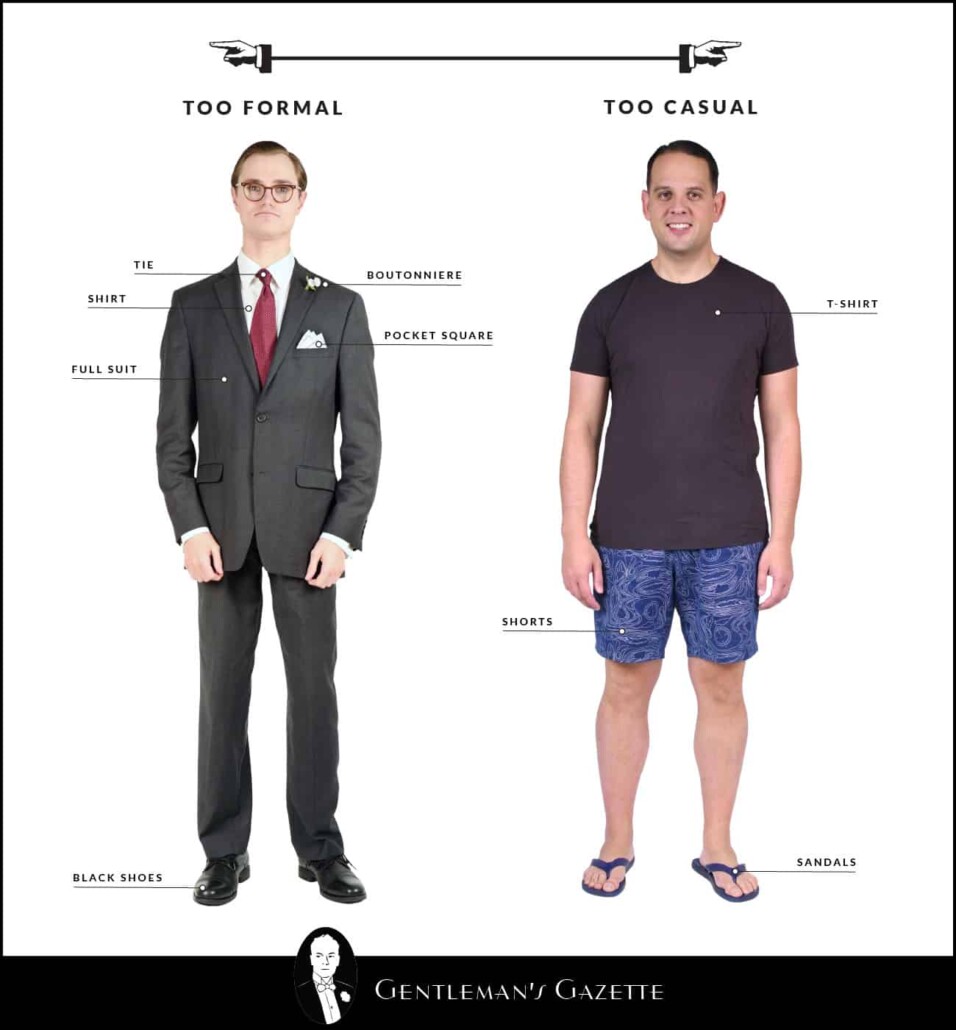
Credit: www.gentlemansgazette.com
Style Tips: Wearing A Tie Business Casual
If you decide to wear a tie, here are tips to look your best.
1. Choose Simple Patterns
Avoid loud colors or flashy designs. Stick to solid colors, subtle stripes, or small patterns.
2. Match The Fabric
Pick ties with cotton, wool, or knit fabrics. Silk ties are better for formal looks.
3. Pair With Casual Shirts
Button-down shirts with softer collars look good. Avoid stiff, formal shirts.
4. Skip The Suit Jacket
Wear a blazer or sport coat, or just a shirt and tie.
5. Keep Accessories Minimal
Avoid pocket squares or cufflinks unless the event is formal.
6. Wear The Right Shoes
Loafers or brogues match business casual better than formal oxfords.
7. Balance Colors
Make sure your tie complements your shirt and pants. Avoid clashing colors.
8. Watch The Length
The tip of the tie should touch your belt buckle. Too short or too long looks sloppy.
Alternatives To Ties In Business Casual
If you skip the tie, there are ways to add style and professionalism.
- Blazers: A well-fitted blazer adds structure and authority.
- Sweaters: V-neck or crew neck sweaters over a collared shirt look neat.
- Collar Pins: These add interest without a tie.
- Dress Shirts: Choose shirts with unique buttons or textures.
These options help you look sharp without a tie.
Common Mistakes When Choosing To Wear A Tie
Many people make simple mistakes when deciding whether to wear a tie. Here are a few to avoid.
1. Ignoring Company Culture
Wearing a tie when nobody else does can make you look disconnected.
2. Picking Loud Ties
Flashy ties distract from your message. They may look unprofessional.
3. Poor Fit
Ties that are too wide, too narrow, or too short ruin your look.
4. Over-accessorizing
Too many accessories with a tie make you look overdressed.
5. Assuming One Style Fits All
What works in one company or country may not work in another.
How The Tie Affects First Impressions
First impressions matter, especially in business. A tie can shape how people see you.
Authority And Trust
Research shows that people wearing ties are seen as more authoritative and trustworthy. In a study by Princeton University, participants rated people in ties as more competent. This effect is strongest in traditional industries.
Approachability
However, ties can reduce approachability. People may see you as less friendly or open. This is important in creative or tech jobs, where collaboration and teamwork matter.
Should You Wear A Tie For A Job Interview?
Job interviews are special situations. Wearing a tie can show you are serious and respectful. But the rules depend on the company.
- Traditional companies: Always wear a tie.
- Modern startups: Open-collar shirts are fine.
- Remote interviews: A tie is optional. Focus on looking neat.
Research from Glassdoor found that 76% of hiring managers prefer candidates who dress slightly more formal than the company standard. Wearing a tie can help, but don’t overdo it.
How Women Approach Business Casual
Women face different choices in business casual. Ties are rare, but the same rules apply: dress to fit the culture and the event.
Women may add style with:
- Blazers
- Scarves
- Dress shirts
- Simple jewelry
The goal is to look professional without being too formal or too relaxed.
Cost And Maintenance: Ties Vs. No Ties
Wearing ties adds cost and care. Let’s compare the basics.
| Option | Cost | Care Needed | Flexibility |
|---|---|---|---|
| Tie | $20–$100 each | Dry cleaning, storage | Less flexible |
| No Tie | $0 | None | More flexible |
Skipping the tie saves money and time. But it can limit your style choices.
Non-obvious Insights: What Most Beginners Miss
1. You Can Always Remove The Tie
Start the day with a tie. If you feel out of place, simply take it off. This gives you flexibility and confidence.
2. Tie Style Matters As Much As Wearing One
Not all ties are equal. A casual knit tie fits business casual better than a shiny silk tie. Beginners often miss this detail.

Credit: www.bows-n-ties.com
Trends: The Future Of Ties In Business Casual
Business casual is changing. More companies value comfort and flexibility. The tie is becoming less important, especially in tech and creative industries. However, it remains a useful tool for important meetings, interviews, and traditional roles.
Some companies now allow "dress for your day," where employees choose their outfit based on tasks and meetings. This means you can wear a tie when needed and skip it on normal days.
Key Takeaways: Should You Wear A Tie Business Casual?
- The tie is optional in most business casual settings.
- Check your company culture, job role, and audience before deciding.
- In traditional industries, ties are still valued.
- In modern, creative, and tech fields, ties are rare.
- If unsure, start with a tie and remove it if needed.
- Choose ties that fit business casual (simple patterns, casual fabrics).
- Avoid mistakes like ignoring company culture or picking loud ties.
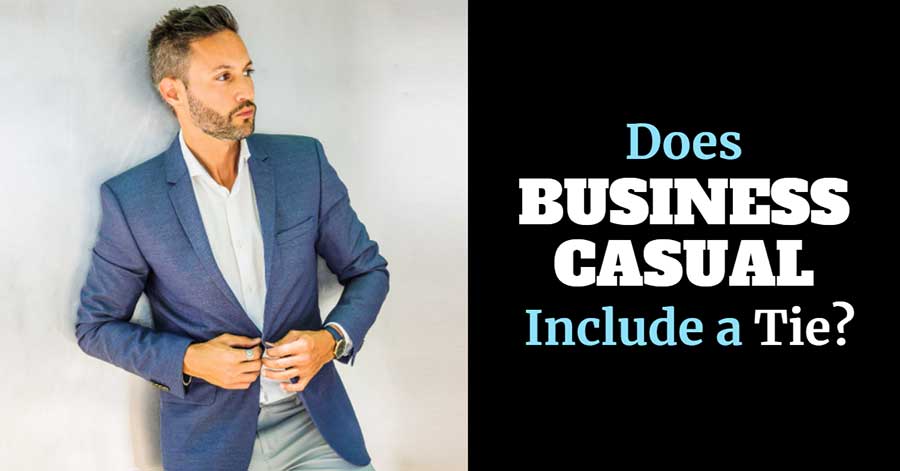
Credit: restartyourstyle.com
Frequently Asked Questions
Should I Wear A Tie To A Business Casual Interview?
If you’re interviewing at a traditional company, wear a tie. For startups or creative companies, open-collar shirts are fine. If you’re unsure, ask HR or check the company’s website for clues.
Is It Better To Overdress Or Underdress In Business Casual?
It’s safer to dress slightly more formal than the average. Overdressing with a tie can show respect, but avoid looking too stiff or disconnected. If most people skip the tie, you can too.
What Type Of Tie Is Best For Business Casual?
Choose knit ties, cotton ties, or wool ties. Avoid shiny silk or flashy designs. Simple patterns and subtle colors work best.
Are Ties Mandatory In Business Casual?
Ties are not mandatory in most business casual settings. Some industries (finance, law) expect them, but tech and creative fields do not. Always check your company’s dress code.
Can Women Wear Ties In Business Casual?
Women can wear ties, but it is rare. Most women use blazers, scarves, or simple jewelry to add style. The goal is to look professional and fit the company culture.
Deciding whether to wear a tie business casual is more than a simple yes or no. It depends on your job, company, culture, and personal style. The tie is a tool—use it wisely when you want to show extra professionalism or authority. But don’t feel pressured to wear it every day. The best choice is the one that fits your situation and helps you feel confident and comfortable. If you want more detailed guidance, check out this business casual resource for deeper insights.
