

Should You Wash Gym Clothes Immediately? Expert Tips Revealed
Sweaty gym clothes are a normal part of an active lifestyle. But what should you do after your workout is over? Should you wash gym clothes immediately, or is it fine to let them sit for a while before tossing them into the laundry?
Many people wonder about this, especially when they have a busy week or a limited supply of workout wear. The right answer is not always simple, but understanding the science of sweat, bacteria, and fabric care can help you make the best choice for your health and your clothes.
Let’s look deeper at why this decision matters. Gym clothes are different from regular clothing. They’re exposed to more sweat, dirt, and body oils. Over time, these can cause odor, stains, and even damage to the fabric. Poor washing habits can also lead to skin problems or infections.
On the other hand, washing clothes too often might fade colors, weaken fibers, or shrink your favorite gear. So, how soon should you wash your gym clothes? Is immediate washing always necessary, or are there times when it’s safe to wait?
This article will answer these questions and give you practical tips to keep your workout clothes fresh, clean, and long-lasting.
What Happens To Gym Clothes After A Workout?
When you exercise, your body sweats to keep you cool. That sweat, along with skin cells, oils, and sometimes dirt from gym equipment, soaks into your clothes. Gym clothes are made from special fabrics like polyester, spandex, and nylon, which are designed to stretch and wick moisture away from your skin. However, these materials can also trap sweat and bacteria, especially if not washed quickly.
The Growth Of Bacteria And Odor
Sweat itself is almost odorless, but bacteria on your skin and clothes feed on it. As they break down the sweat, they produce unpleasant smells. This is why gym clothes can start to stink after just one workout. The longer sweat and bacteria stay in the fabric, the worse the odor gets. Some bacteria, like Staphylococcus and Corynebacterium, are common on human skin and love warm, moist places like sweaty clothing. If you leave your gym clothes in a bag or in a pile on the floor, these bacteria multiply quickly.
Stains And Fabric Damage
Sweat also contains salts and oils that can leave stains on your clothes. Over time, these can cause yellowing, discoloration, or stiff fabric. If sweat-soaked clothes are left unwashed, the stains can set and become difficult to remove. Bacteria and sweat can also break down the fibers in your clothes, leading to holes, thinning, or pilling.
Risk Of Skin Problems
Wearing dirty gym clothes, or letting them sit too long unwashed, can increase your risk of skin irritation, rashes, or even infections. Fungi and bacteria thrive in sweaty, damp environments. If you put on dirty gym clothes, you might notice itchiness, acne, or redness, especially in areas where the fabric is tight against your skin.
Pros And Cons Of Washing Gym Clothes Immediately
To decide if you should wash gym clothes right after your workout, consider both the benefits and the downsides.
Benefits Of Washing Immediately
1. Removes Bacteria And Odor
Washing right away gets rid of most of the bacteria and sweat, preventing bad smells from setting in.
2. Prevents Stains
Immediate washing makes it easier to remove sweat, oil, and salt stains before they become permanent.
3. Protects Your Skin
Clean clothes reduce the risk of skin irritation, rashes, or fungal infections.
4. Extends Clothing Life
Removing sweat and bacteria quickly helps prevent damage to the fabric and keeps your gym clothes looking new.
5. Less Laundry Build-up
Washing after every workout means you always have clean clothes ready and avoid a mountain of dirty laundry.
Downsides Of Washing Immediately
1. More Frequent Washing
Washing clothes after every use may mean doing laundry more often, which takes time and uses more water and energy.
2. Faster Wear And Tear
Frequent washing can fade colors, stretch fabric, or cause pilling, especially if you don’t follow care instructions.
3. Not Always Practical
If you work out daily or have limited gym clothes, it may not be realistic to wash them immediately every time.
How Long Can You Wait Before Washing Gym Clothes?
Some people wonder if it’s safe to delay washing gym clothes for a day or two. The answer depends on several factors:
- Level of Sweat: If your workout was intense and your clothes are soaked, bacteria will multiply quickly. In this case, washing soon is best.
- Fabric Type: Synthetic fabrics like polyester hold onto odor more than natural fibers. They need more frequent washing.
- Climate: Warm, humid places speed up bacterial growth. In dry climates, you might have a bit more leeway.
- Storage Method: Clothes left in a closed gym bag stay damp longer, making bacteria grow faster.
As a general rule, if your gym clothes are damp or smell bad, wash them as soon as possible. If you have to wait, hang them up to dry first. This slows down bacterial growth and reduces odor.
The Science Behind Sweat, Bacteria, And Odor
To understand why washing timing matters, it helps to know what happens on a microscopic level.
Sweat Composition
Sweat is mostly water, but it also contains salt, urea, lactic acid, and tiny amounts of proteins and fatty acids. When sweat mixes with bacteria on your skin and clothes, chemical reactions create volatile compounds. These are the molecules that cause body odor.
Bacteria Growth Timeline
Here’s what happens when you leave sweaty gym clothes unwashed:
| Time After Workout | Bacterial Activity | Odor Level |
|---|---|---|
| 0-2 hours | Low | Minimal |
| 2-8 hours | Moderate growth | Noticeable |
| 8-24 hours | Rapid multiplication | Strong |
| 24+ hours | Very high | Intense, may be hard to remove |
This data shows that the longer you wait, the more bacteria grow and the harder it becomes to remove odor.
Fabric And Odor Retention
Some gym clothes are made with anti-odor technology or silver-infused fibers that slow down bacterial growth. However, these features only help so much. If not washed, even high-tech fabrics can start to smell and break down over time.
Best Practices For Washing Gym Clothes
To keep gym clothes clean and odor-free, follow these proven strategies.
Immediate Steps After Exercise
1. Take Off Wet Clothes Quickly
Don’t stay in sweaty clothes longer than necessary. Changing soon after your workout reduces skin irritation.
2. Air Out Clothing
Hang gym wear to dry as soon as possible. This prevents bacteria from multiplying in damp fabric.
3. Turn Clothes Inside Out
Most sweat and odor collect on the inside. Turning them inside out helps the wash reach where it’s needed.
Washing Tips
1. Wash In Cold Water
Cold water is usually enough to clean gym clothes and is gentler on stretchy fabrics.
2. Use A Mild Detergent
Regular detergents can leave residue. Look for one designed for sportswear or labeled as gentle.
3. Avoid Fabric Softener
Softener can clog the fibers and make clothes less breathable and more prone to holding onto odor.
4. Don’t Overload The Machine
Give clothes space to move. This helps the water and detergent reach every part.
5. Extra Rinse Cycle
A second rinse removes sweat and detergent residue, keeping clothes fresh.
6. Hang Dry Or Tumble Dry Low
High heat can damage synthetic fabrics. Hang drying is safest, but a low-heat dryer is usually fine.
Removing Set-in Odors
If your gym clothes still smell after washing, try these tricks:
- Soak in Vinegar Solution: Mix one part white vinegar to four parts water and soak for 30 minutes before washing.
- Use Baking Soda: Add half a cup of baking soda to the wash to neutralize odors.
- Oxygen Bleach: For white or colorfast clothes, oxygen bleach can help remove stubborn smells.
What If You Can’t Wash Gym Clothes Right Away?
Sometimes, immediate washing isn’t possible. Maybe you’re at work, traveling, or just too busy. Here’s how to handle gym clothes in these situations:
Short-term Storage Tips
1. Hang Them Up
If you can’t wash right away, hang clothes to dry in a well-ventilated area. Avoid leaving them in a gym bag or laundry basket.
2. Use A Mesh Bag
Mesh laundry bags let air circulate, reducing the chance of mildew or strong odor.
3. Spray With Disinfectant
A light spray with a fabric-safe disinfectant can slow bacteria growth until you can wash.
4. Freeze The Clothes
This may sound odd, but putting gym clothes in a plastic bag and freezing them overnight kills many odor-causing bacteria. It’s a handy trick for emergencies.
How Long Is Too Long?
Leaving gym clothes unwashed for more than 24 hours increases the risk of stubborn odors and stains. If you must wait longer, always air them out and wash as soon as possible.
Comparing Immediate Vs. Delayed Washing
To help you decide, here’s a quick comparison of immediate washing versus waiting.
| Factor | Immediate Washing | Delayed Washing |
|---|---|---|
| Odor Control | Best | Poor if delayed too long |
| Fabric Longevity | Good if gentle washing used | Risk of permanent stains/odor |
| Convenience | Requires more frequent laundry | More flexibility, but must manage odor |
| Skin Health | Lowest risk of irritation/infection | Higher risk if clothes are worn again before washing |
As you can see, immediate washing wins in most categories, but with smart storage and care, a short delay is not always disastrous.
Myths And Misconceptions About Washing Gym Clothes
Many people believe things about gym clothes that just aren’t true. Let’s clear up some common myths.
Myth 1: Gym Clothes Don’t Need To Be Washed After Every Use
Some people think you can wear workout clothes two or three times before washing, especially if you didn’t sweat much. In reality, even light sweat and skin oils feed bacteria. For most people, washing after every use is safest, especially for items like underwear or sports bras.
Myth 2: Hot Water Is Always Best
Hot water can damage elastic fibers and cause shrinking. For most gym clothes, cold water with a good detergent is just as effective and is much gentler.
Myth 3: Fabric Softener Makes Gym Clothes Smell Better
Fabric softener actually leaves a coating that traps odors and blocks moisture-wicking. It’s better to skip it and use vinegar or baking soda if you need to fight odor.
Myth 4: Air Drying Alone Is Enough
Air drying helps prevent odor, but it does not remove bacteria or stains. Washing is still necessary.
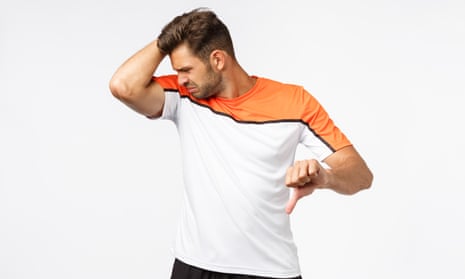
Credit: www.theguardian.com
Choosing The Right Detergent And Laundry Products
The detergent you use can make a big difference in how clean your gym clothes get. Here’s what to look for:
- Enzyme-Based Detergents: These break down sweat, oils, and proteins better than regular soap.
- No Fragrance Needed: Scented products only mask odor. Look for odor-eliminating formulas.
- PH-Balanced: These are gentle on skin and fabric.
- Avoid Bleach: Unless the label says it’s safe, bleach can weaken fibers and ruin colors.
Some brands make special detergents for sportswear. These products help keep elastic fabrics stretchy and odor-free.
How Often Should You Wash Different Types Of Gym Clothes?
Not all workout wear needs the same care. Here’s a general guide:
- Underwear and Sports Bras: Always wash after every use. These touch sensitive skin and collect sweat.
- Socks: Wash after every wear.
- Tops and Leggings: Usually need washing after each workout, especially if sweaty.
- Jackets or Outer Layers: If not sweaty, you can wear these a few times before washing.
- Shoes: Wipe down after each use, but wash only when needed.
How To Get Rid Of Persistent Odor
If you have gym clothes that still stink after washing, don’t give up. Try these steps:
1. Soak In Vinegar Or Baking Soda
Use a pre-soak before washing to loosen odor molecules.
2. Use A Sports Detergent
Switch to a detergent made for athletic wear.
3. Try Sun Drying
UV rays can help kill bacteria and freshen clothes.
4. Repeat If Needed
Sometimes, two washes are needed for tough odors.
Tips For Making Your Gym Clothes Last Longer
Washing is important, but so is caring for your clothes the right way. Here’s how to extend the life of your workout gear:
- Read the Care Label: Always check for special instructions.
- Avoid High Heat: Both in the wash and when drying.
- Don’t Iron Gym Clothes: High heat can melt synthetic fibers.
- Rotate Your Gear: Having multiple sets means less wear per item.
- Store Dry: Make sure clothes are fully dry before storing to prevent mildew.

Credit: www.laundrycare.biz
Why Clean Gym Clothes Matter For Health
Dirty gym clothes are not just a smell issue. They can affect your health in several ways:
- Increase Risk of Infections: Bacteria and fungi thrive in damp clothes, and can infect the skin, especially in areas with tight clothing or friction.
- Cause Allergic Reactions: Sweat, detergent residue, and bacteria can irritate sensitive skin.
- Spread Germs in the Gym: Wearing dirty clothes can transfer bacteria to equipment or other people.
Environmental Impact: Balancing Cleanliness And Sustainability
Frequent washing uses more water, electricity, and detergent. Here’s how to stay clean without harming the planet:
- Wash Full Loads: Save water and energy by only running the machine when you have enough clothes.
- Use Eco-Friendly Detergents: Look for biodegradable or plant-based options.
- Cold Water Wash: Uses less energy and is better for most gym clothes.
- Air Dry When Possible: Reduces energy use and protects fabrics.
If you want more tips on sustainable laundry practices, the EPA's textiles page offers helpful advice.
Common Mistakes When Caring For Gym Clothes
Even experienced athletes sometimes make errors that damage their workout wear. Avoid these mistakes:
- Letting Clothes Sit in a Bag: This creates the perfect environment for bacteria.
- Using Too Much Detergent: Extra soap can leave residue that holds onto odor.
- Mixing Fabrics: Washing gym clothes with towels or jeans can cause pilling and roughen fabrics.
- Skipping the Rinse: Not rinsing fully can leave behind sweat and bacteria.
- Storing Damp Clothes: Always dry before putting away.
Real-life Scenarios: When Immediate Washing Is Most Important
Not every workout is the same. Here are times when immediate washing is especially important:
- After Hot Yoga: High sweat means more bacteria and odor.
- Outdoor Runs in Humid Weather: Dampness speeds up bacterial growth.
- Contact Sports: Higher risk of skin infections.
- If You Have Sensitive Skin: Prevent irritation and rashes.
But after a gentle stretching session with little sweat, you may be able to wait a bit longer if you air out your clothes.
The Role Of Modern Fabrics And Anti-odor Technology
Some athletic brands use antimicrobial technology, silver ions, or special coatings to reduce odor. These can help, but they do not replace regular washing. Over time, sweat and oils still build up and can block the fabric’s ability to wick moisture.
Here’s a quick look at common gym fabric features:
| Fabric Type | Odor Retention | Care Recommendations |
|---|---|---|
| Polyester/Spandex | High if unwashed | Cold wash, avoid fabric softener |
| Cotton | Less odor, but less wicking | Wash after each use, gentle cycle |
| Merino Wool | Natural odor resistance | Gentle detergent, air dry |
| Anti-Odor/Silver | Better for odor, but not permanent | Follow brand instructions |
Expert Opinions: What Do Health And Laundry Experts Say?
Most dermatologists and textile experts agree: washing gym clothes after each use is best for health and hygiene. However, they also note that if you can’t wash them immediately, drying them out and washing soon is an acceptable compromise.
Some experts suggest using less detergent and skipping fabric softener to protect both your skin and the fabric. They also recommend not sharing gym clothes or towels, as this can spread bacteria and fungi.
Summary: Should You Wash Gym Clothes Immediately?
Washing gym clothes immediately after a workout is usually the best way to prevent odor, stains, and skin problems. It helps your clothes last longer and keeps you healthy. However, if you can’t wash them right away, air them out and wash as soon as you can.
Pay special attention to underwear, socks, and items that get the most sweat.
Using the right detergent, washing in cold water, and skipping fabric softener will help keep your gym clothes fresh. Remember, clean gym clothes are not just about comfort—they protect your skin and the clothes themselves.
Frequently Asked Questions
How Soon Should I Wash Gym Clothes After Working Out?
Ideally, wash them right after your workout or as soon as possible. If you can’t wash immediately, hang them up to dry and wash within 24 hours to prevent bacteria and odor buildup.
Can I Wear Gym Clothes More Than Once Before Washing?
It’s not recommended, especially for underwear, sports bras, and socks. For tops and leggings, you might wait if you didn’t sweat, but it’s safer to wash after each use.
Is It Okay To Leave Gym Clothes In A Bag Until Laundry Day?
No, leaving sweaty clothes in a bag creates a warm, damp environment that helps bacteria grow and causes strong odors. Always air out your clothes first, even if you can’t wash them immediately.
What’s The Best Way To Remove Stubborn Gym Clothes Odor?
Try soaking them in a solution of vinegar and water or adding baking soda to your wash. Using a detergent made for sportswear and drying clothes in the sun can also help.
Does Immediate Washing Wear Out Gym Clothes Faster?
Frequent washing can cause some wear, but using cold water, gentle cycles, and skipping fabric softener protects the fabric. Immediate washing actually helps prevent damage from sweat and bacteria.
Keeping your gym clothes clean is an important part of your fitness routine. With the right habits, you’ll stay healthy, smell fresh, and make your favorite workout gear last much longer.

Credit: laundrydrop.co
