

Should I Wear Business Casual Or Business Professional to an Interview?
Choosing the right outfit for an interview can feel stressful. You want to look confident, professional, and fit in with the company culture. But should you wear business casual or business professional? This choice affects how interviewers see you. If your outfit is too relaxed, you may seem careless. If it’s too formal, you might look out of place. This guide helps you decide what to wear, explains the differences, and gives practical tips so you make a strong first impression.
What Is Business Casual?
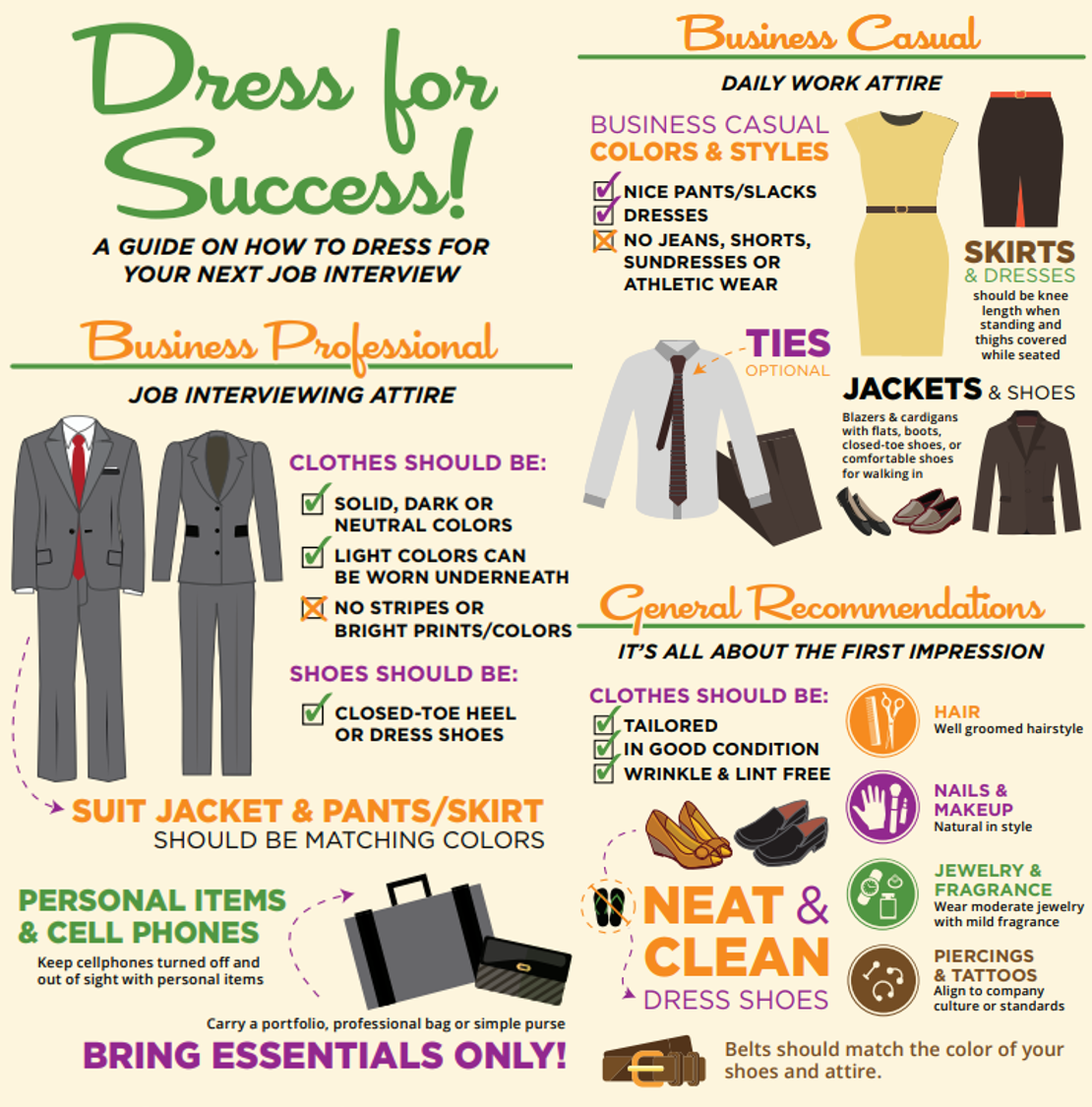
Business casual is a style that mixes traditional business clothing with more relaxed items. It’s less formal than business professional but still neat and polished. For example, you might wear dress pants and a collared shirt, but not a full suit.
Common business casual clothes include:
- Dress pants or khakis
- Button-down shirts or blouses
- Sweaters or cardigans
- Closed-toe shoes (like loafers or flats)
- Simple accessories
Items to avoid in business casual:
- Jeans (unless the company allows)
- T-shirts or tank tops
- Sneakers or sandals
- Flashy jewelry
Business casual is popular in tech companies, startups, and creative fields. It signals you are approachable but still serious about your work.
It’s important to note that business casual has a flexible definition depending on the company. For example, some tech firms may allow clean, dark jeans with a blazer, while others expect dress pants. Always pay attention to small details — for instance, a simple watch or a belt can help complete your look.
The “casual” part doesn’t mean sloppy. Iron your shirts, make sure your clothes fit well, and keep shoes in good condition. Showing you care about your appearance sends a positive message.
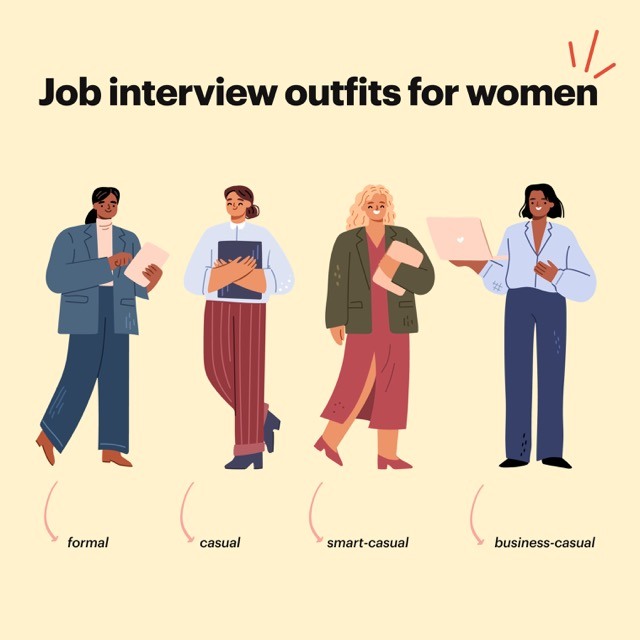
Some beginners believe business casual allows for any comfortable clothing. In reality, it’s a careful balance. If you wear an untucked shirt or choose sneakers, it often stands out in a negative way. For women, business casual can mean a neat blouse with pants or a knee-length skirt, paired with closed-toe flats.
Even small touches — like avoiding heavy makeup or choosing a neutral nail color — make a difference.
What Is Business Professional?
Business professional is the most formal work style. It’s often required in law firms, banks, government, or executive roles. This style shows respect for tradition and authority.
Typical business professional clothing includes:
- A matching suit (jacket and pants/skirt)
- Dress shirts or blouses
- Ties (for men)
- Dress shoes (like oxfords, heels)
- Minimal, classic accessories
Avoid in business professional:
- Casual shoes (like loafers unless they’re dressy)
- Bright colors or patterns
- Short skirts or dresses
- Heavy makeup or accessories
This style is about looking polished, trustworthy, and ready for important meetings.
When choosing business professional, pay attention to the quality and fit of your suit. An ill-fitting suit can look worse than a well-chosen business casual outfit. Choose fabrics that hold their shape, like wool or polyester blends, and stick to classic colors — navy, charcoal, or black.
For men, the tie should be subtle and not distract from your overall look. For women, a simple pearl necklace or stud earrings are appropriate; avoid large, statement jewelry.
Sometimes, beginners think “business professional” is only about wearing a suit. But it’s also about the details: clean shoes, pressed shirts, matching socks, and tidy hair. Avoid bold patterns or loud accessories — they can draw attention away from your skills and experience. Even your bag or briefcase should look professional and organized.
Comparing Business Casual Vs Business Professional
You need to know the key differences before choosing. Here’s a clear comparison:
| Feature | Business Casual | Business Professional |
|---|---|---|
| Formality | Moderate | High |
| Typical Clothing | Dress pants, collared shirt, sweater | Suit, dress shirt, tie |
| Shoes | Loafers, flats | Dress shoes, heels |
| Accessories | Simple, relaxed | Minimal, classic |
| Colors | Neutral, some color | Dark, neutral |
| Industries | Tech, creative, startups | Finance, law, government |
The main difference is the level of formality. Business casual allows for more comfort and personality, while business professional is strict and classic. Another subtle difference is how you use color. Business casual lets you add a light blue shirt or a soft pastel blouse.
Business professional usually sticks to white or light grey shirts, and avoids anything too bold.
Why Interview Dress Matters
Your clothes are the first thing interviewers notice. Research shows that first impressions are formed in less than seven seconds. The right outfit can boost your confidence and signal you’re serious.
A study by Princeton University found that people judge trustworthiness and competence from facial appearance and clothing almost instantly. Dressing too casually may suggest you don’t care. Dressing too formally for a relaxed company can make you seem rigid.
Non-obvious insight: The fit and cleanliness of your clothes matter as much as the style. Wrinkled or stained clothing can ruin even the best outfit.
Many people focus only on what they wear, but how they wear it is just as important. For example, a suit that is too tight or too loose can make you feel uncomfortable and distract you during the interview. Clean, well-fitted clothes help you move naturally and focus on your answers.
Even your posture improves when you dress well.
Another detail is the psychological impact. When you dress confidently, interviewers pick up on your self-assurance. If you wear clothes that make you feel awkward, it shows in your body language and tone. It’s not just about impressing others — it’s also about preparing yourself mentally for success.
How To Research Company Dress Code
The best way to decide is to learn about the company’s culture. Here’s how:
- Check the company website: Look for photos of staff or events.
- Search LinkedIn profiles: See what employees wear in their profile pictures.
- Ask your recruiter or HR contact: They can tell you what’s expected.
- Visit the office (if possible): Observe what people wear.
- Read employee reviews: Sites like Glassdoor sometimes mention dress code.
If you can’t find much information, assume business professional for traditional industries and business casual for modern or creative companies.
Digging deeper can help you avoid mistakes. For example, LinkedIn photos often show employees at their most formal. If staff photos show people in T-shirts and jeans, business casual is likely accepted. If you notice everyone in suits at company events, business professional is safer.
Sometimes, companies have “casual Fridays” or special days where dress codes relax. If your interview is on one of these days, still dress more formally than the average employee. Remember, the interview is a special occasion.
Example: If you see a team photo on the company website with everyone in polos and khakis, business casual is likely the norm. But if the leadership team is pictured in suits, consider dressing up for your interview.
When To Wear Business Professional
Certain situations call for formal wear. Choose business professional if:
- The company is in finance, law, government, or consulting
- The job is a senior or leadership role
- You’re interviewing for a client-facing position
- The interview is with executives or in a boardroom
- You’re unsure about the dress code
Example: If you apply for a bank analyst role, wearing a suit shows you know the industry’s standards.
Non-obvious insight: Even in companies with casual dress codes, senior managers often expect candidates to dress formally for interviews.
Other times to wear business professional include panel interviews or assessment centers, where you’ll meet several people from different departments. If you’re interviewing for a position that has regular contact with clients, vendors, or government officials, err on the side of formality.
If you’re interviewing for a role that may lead to promotions or leadership, starting with business professional sets the tone for your future growth. Dressing formally shows you understand the importance of the role and respect the interview process.
Credit: utmostcareltd.com
When To Wear Business Casual
Business casual is best for companies that value creativity, flexibility, or innovation. Choose this style if:
- The company is a startup, tech firm, or creative agency
- Employees dress relaxed in photos or videos
- You’re applying for a junior or non-client-facing role
- The recruiter tells you it’s okay
- The office has a casual atmosphere
Example: For a software developer interview at a startup, business casual is usually more comfortable and fits the culture.
Non-obvious insight: Overdressing can make you seem out of touch with company values, especially in creative fields.
Some companies prefer candidates who show personality and adaptability. For example, a design firm may value creativity in your outfit, such as a unique scarf or a colorful blouse. However, keep the look professional and avoid extreme fashion statements.
If you’re interviewing for an entry-level position, business casual is often expected. But always check with your recruiter. For some startups, even business casual may be too formal — in this case, clean jeans and a neat shirt are sometimes acceptable.
When in doubt, it’s better to be slightly more formal.
The Risks Of Overdressing Or Underdressing
Both extremes can hurt your chances. Here’s what can happen:
Overdressing
- You may look stiff or arrogant
- Interviewers may feel you don’t fit the culture
- You could distract from your skills and personality
Underdressing
- You seem careless or disrespectful
- You may not be taken seriously
- Interviewers could question your judgment
Data: A survey by CareerBuilder found that 50% of employers said inappropriate dress was a common interview mistake.
In some cases, overdressing can create distance between you and the interviewer. For example, showing up in a three-piece suit at a relaxed startup can make you seem unable to adapt. Similarly, underdressing at a law firm suggests you don’t understand the industry’s expectations.
A practical way to avoid both mistakes is to prepare two versions of your outfit. If you enter the building and see a relaxed atmosphere, you can remove your jacket or tie. If the office is more formal, keep the full outfit.
Personal Factors To Consider
Your outfit should reflect both the company and your personality. Consider these points:
- Role level: Senior roles demand more formality.
- Location: Urban offices are usually more formal than rural ones.
- Season and weather: Adjust fabrics and colors for comfort.
- Cultural norms: Some countries expect more conservative dress.
- Body type: Wear clothes that fit and flatter you.
Example: In hot climates, light fabrics (like cotton or linen) are smart, but keep the style professional.
Another factor is personal comfort. If you feel uncomfortable in your outfit, it can affect your confidence. Choose shoes you can walk in easily, and avoid tight collars or restrictive clothing. For winter interviews, add a neat coat or scarf, but remove it before entering the room.
If you have tattoos or piercings, consider covering them for traditional industries. In creative fields, some self-expression is acceptable, but always keep the look tidy.
Gender And Interview Attire
Men and women have different options, but both should aim for neat, well-fitting clothes. Here are some examples:
Men
- Business professional: Suit, dress shirt, tie, dress shoes
- Business casual: Dress pants, collared shirt, sweater or blazer, loafers
Women
- Business professional: Suit with skirt or pants, blouse, closed-toe heels
- Business casual: Dress pants or skirt, blouse or sweater, flats or low heels
Avoid overly tight clothes or revealing styles.
Small details matter: for men, a clean-shaven look or neatly trimmed beard is best. For women, minimal makeup and simple hair styles are safest. If you wear nail polish, stick to soft colors. For both, avoid strong fragrances — they can be distracting or cause allergies.
Examples Of Interview Outfits
Here are real-world outfit ideas for both styles:
| Style | Men | Women |
|---|---|---|
| Business Professional | Dark suit, white dress shirt, silk tie, black oxfords | Gray suit, white blouse, black pumps, simple jewelry |
| Business Casual | Navy chinos, light blue button-down, brown loafers | Black dress pants, pastel blouse, flats, small earrings |
For men, you can add a belt that matches your shoes. For women, a structured bag or tote completes the look. Accessories should be practical — for example, a watch can signal punctuality.
Practical Tips For Choosing Your Interview Outfit
These tips help you make the best choice and avoid common mistakes:
- Try on your outfit before the interview: Make sure it fits and feels comfortable.
- Check for stains, wrinkles, or missing buttons: Clean and iron your clothes.
- Wear minimal perfume or cologne: Strong scents can distract interviewers.
- Keep accessories simple: Avoid flashy watches or jewelry.
- Choose neutral colors: Navy, gray, black, and white are safe options.
- Polish your shoes: Dirty shoes can ruin your look.
- Prepare a backup outfit: If your first choice gets stained, you have another option.
Non-obvious insight: Shoes are often ignored but noticed. Clean, polished shoes help you look complete.
Another practical tip is to sit, stand, and walk in your outfit before the interview. Make sure nothing pulls or bunches uncomfortably. If you wear new shoes, break them in ahead of time to avoid blisters. Even your socks should match and be in good condition.
Preparing For Video Interviews
Remote interviews have become common. Your outfit still matters, even on camera.
- Wear professional tops (business casual or professional)
- Avoid bright colors or patterns that distract on video
- Check your background for clutter
- Dress fully (not just the top), in case you stand up
Data: Video interviews can make colors appear stronger. Stick to simple, solid colors.
Lighting is also important. If your room is dark, wear lighter colors to stand out. Avoid shiny fabrics — they reflect light and can look odd on camera. Test your outfit on your webcam before the interview to see how it appears.
How To Adapt To Industry Expectations
Different industries have their own rules. Here’s a quick guide:
| Industry | Preferred Interview Attire |
|---|---|
| Finance | Business professional |
| Law | Business professional |
| Tech | Business casual |
| Creative/Media | Business casual |
| Healthcare | Business professional |
| Education | Business casual |
Tip: If you’re unsure, lean towards business professional. It’s safer to be a bit formal.
If your industry is known for innovation, you can add a small touch of personality — for example, a colorful scarf or a patterned tie. In conservative fields, avoid any clothing that stands out.
Mistakes To Avoid When Dressing For Interviews
Some errors are easy to fix, but others can cost you the job. Avoid these mistakes:
- Wearing jeans or t-shirts (unless the recruiter says it’s okay)
- Showing too much skin (short skirts, low-cut tops)
- Wearing sneakers or sandals
- Choosing loud patterns or colors
- Forgetting to groom (hair, nails, beard)
- Over-accessorizing (large jewelry, flashy watches)
- Skipping socks (for men)
- Wearing wrinkled or stained clothes
Non-obvious insight: Interviewers often notice grooming and hygiene more than clothing style.
Even minor details — like chipped nail polish or unshaved facial hair — can make a negative impression. Avoid chewing gum or eating right before the interview. Don’t wear hats or sunglasses unless required for medical reasons.
How To Adjust If You’re Unsure
If you don’t know the dress code, here’s what you can do:
- Wear business professional, but choose a softer color (like navy or gray).
- Ask the recruiter directly for advice.
- Observe how employees dress and match that style.
- Bring a blazer or jacket you can remove if needed.
Example: If you arrive and see everyone in casual clothes, you can remove your jacket and tie to relax your look.
Another tip is to prepare for unexpected changes, such as weather or a surprise group interview. Having a backup accessory, like a sweater or scarf, can help you adjust quickly.
How Culture And Region Affect Dress Codes
Interview attire can change across countries and cities. In big cities, people dress more formally. In creative hubs (like San Francisco), even leaders may wear jeans and sneakers.
- In Asia, business professional is often expected.
- In Europe, business casual is common in tech and creative jobs.
- In Latin America, colors are brighter but styles are still formal.
Tip: Learn about local customs before your interview.
In some cultures, wearing a tie is a sign of respect, while in others, it’s seen as old-fashioned. If you’re applying internationally, research specific dress codes for the country and city.
The Role Of Personal Branding
Your outfit is part of your personal brand. It shows how you want to be seen. Choose clothes that reflect your skills and personality, but fit the company’s culture.
Example: If you want to show creativity, choose a subtle color or accessory. If you want to show leadership, wear classic business professional.
Non-obvious insight: Personal branding doesn’t mean ignoring company rules. Find a balance between expressing yourself and fitting in.
Your personal brand is more than just clothing. How you carry yourself, your grooming, and your attitude all contribute. If you’re known for attention to detail, let your outfit show it. If you want to highlight teamwork, choose a look that’s friendly and approachable.

Credit: saudimadad.com
Dressing For Second And Third Interviews
As you progress in the interview process, you may meet different people. For first interviews, err on the side of formality. For later interviews, adjust to what you’ve seen.
- If the team dresses casually, follow their style in future rounds.
- If you meet executives, wear business professional even if others dress casually.
Tip: Each interview is a chance to show you fit in and understand company culture.
It’s also good to ask your recruiter if the dress code changes for later interviews. Sometimes, second rounds are less formal, especially if you’ll meet the team or tour the office. Still, keep your look tidy and professional.
How To Handle Dress Code Questions
Sometimes, recruiters ask what you plan to wear. Be honest, but show you understand their culture.
Example response: “I plan to wear business casual, but I’m happy to adjust if your team prefers a more formal style.”
This shows you’re flexible and aware of company expectations.
You can also ask for advice: “Would you recommend business professional or business casual for my interview?” This not only helps you, but shows you care about fitting in.
Credit: opcd.wfu.edu
How Your Outfit Affects Your Performance
Research shows that dressing well boosts confidence. When you feel good in your clothes, you perform better. This is called enclothed cognition — the idea that your outfit changes your mindset.
- You feel more powerful in a suit
- You act more relaxed in business casual
- Interviewers notice your confidence
Data: A study published in Social Psychological and Personality Science found that people wearing formal clothing performed better on abstract thinking tasks.
Dressing up can help you focus and take the interview seriously. Even simple changes — like wearing a pressed shirt — can make you feel more prepared. If you normally dress casually, putting on a suit for the interview can help you switch into a professional mindset.
Real-life Examples: What Worked (and Didn’t)
Here are two stories:
- Anna, marketing candidate: Anna wore a sharp business casual outfit (black pants, blue blouse, flats) to a creative agency. She fit in perfectly and got the job.
- John, finance interview: John wore business casual (no jacket or tie) to a big bank. He felt underdressed, and the interviewer mentioned the missing suit. He didn’t get the offer.
Non-obvious insight: Interviewers often remember the candidate who matched the company style, not the one who stood out.
In another example, a candidate at a tech startup wore a suit, but noticed most employees were in jeans. He took off his jacket and rolled up his sleeves for the second round — and got positive feedback.
Final Checklist Before Your Interview
Use this checklist to make sure you’re ready:
- Does your outfit match the company and role?
- Is everything clean and ironed?
- Are your shoes polished?
- Is your grooming neat?
- Are accessories minimal?
- Do you feel confident in your clothes?
If you answer yes to all, you’re ready.
Frequently Asked Questions
What If I Don’t Own Business Professional Clothes?
You can borrow, rent, or buy basic items. Many stores offer affordable suits. Focus on fit and cleanliness. If you absolutely can’t afford a suit, wear business casual but make it as neat as possible.
Is It Okay To Wear Business Casual For Every Interview?
No. Some industries expect business professional. Always research the company first. If you’re unsure, choose business professional or ask the recruiter.
Can I Wear Colors Or Patterns?
Yes, but keep them subtle. Stick to neutral colors for business professional. For business casual, soft colors and small patterns are fine, but avoid anything flashy.
Should I Dress Differently For Remote Interviews?
You should still dress professionally from head to toe. The top half is most visible, but full dress helps you feel confident. Avoid bright colors and busy patterns that distract on camera.
How Can I Find The Company Dress Code?
Check the company website, LinkedIn profiles, or ask your recruiter. You can also read reviews on sites like Glassdoor for hints about dress code.
Making the right choice between business casual and business professional for an interview shows you understand the company and respect the process. The best outfit is clean, fits well, and matches the company’s culture. Research, prepare, and dress with care — your appearance can help you stand out for the right reasons.
