

Shirt Tees: Trendy Styles and How to Wear Them in 2024
Shirt Tees: The Complete Guide To Styles, Fabrics, And Fit
Shirt tees, often called t-shirts, have become a global symbol of comfort and style. Almost everyone owns at least a few shirt tees, whether for casual days, sports, or even as a fashion statement. But most people don’t realize how much there is to know about these simple garments.
From fabric types and fit to the history and modern trends, shirt tees are more complex than they seem. Many buyers focus only on color or price, missing important details that affect comfort, durability, and style. In this guide, you’ll discover everything you need to know about shirt tees, so you can choose the best ones for your lifestyle and look.
What Are Shirt Tees?
A shirt tee is a short-sleeved, collarless garment that slips on over the head. Its design is simple, usually featuring a round neckline and a straight fit. Originally, shirt tees started as undergarments, but today they are worn as outerwear by people of all ages and backgrounds. They are known for their versatility and can be found in nearly every wardrobe.
The t-shirt became popular worldwide because it is easy to produce, affordable, and works in many situations—from relaxing at home to dressing up with a blazer. The shirt tee’s universal appeal comes from its combination of comfort, simplicity, and the endless ways it can be styled.
A Brief History Of Shirt Tees
Shirt tees have a fascinating history. The original concept comes from simple undershirts worn by workers and soldiers. Over time, these garments evolved into the classic t-shirt we know today. The shirt tee gained widespread popularity when it appeared in movies and was worn by celebrities.
It became a symbol of youth and rebellion, and later, a blank canvas for self-expression.
Today, shirt tees are seen everywhere: in street fashion, sportswear, and even luxury collections. They are used for branding, activism, and advertising. The evolution of the shirt tee shows how a simple piece of clothing can become a cultural icon.
Popular Styles Of Shirt Tees
There are many styles of shirt tees, each offering something unique. The differences might seem small at first, but they can change how a shirt tee looks and feels when you wear it.
Crew Neck
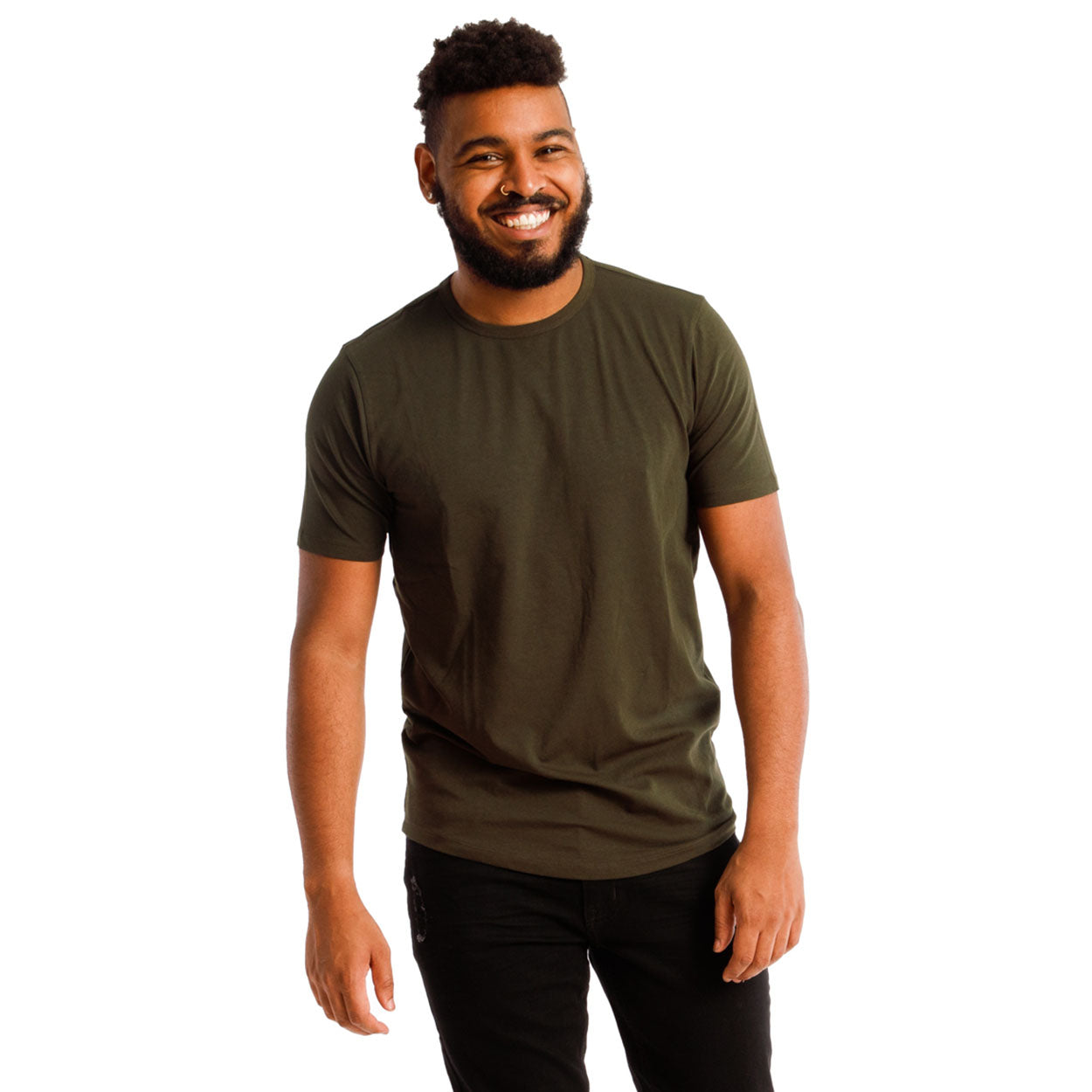
The crew neck is the classic t-shirt style. It has a round neckline that sits at the base of the neck. This style is flattering for most body types and is the most common type you’ll find. It’s perfect for layering under shirts, jackets, or sweaters.
V-neck
A v-neck shirt tee has a neckline that dips into a V shape. This style can make the neck look longer and is often chosen for a slightly dressier or more modern look. It works well for people with broad shoulders or round faces, as it helps balance proportions.
Scoop Neck
Scoop neck tees have a wider, deeper neckline than crew necks. This style is popular in both men’s and women’s fashion and gives a relaxed, casual appearance. It’s also a good choice for warm weather because it allows more airflow.
Henley
A henley tee combines the casual style of a t-shirt with a short button placket at the front. It usually has two or three buttons and can come in both short and long sleeves. Henleys are popular for their rugged, sporty look.
Longline
Longline tees are longer than regular t-shirts, often extending past the hips. This style is trendy among younger people and streetwear fans. Longline shirt tees are great for layering or creating a modern, urban outfit.
Raglan
Raglan tees are easy to spot because of their contrast-color sleeves that extend in one piece to the collar. This design was first used in sports shirts for better movement. Raglan tees are loved for their sporty, relaxed style.
Pocket Tee
A pocket tee features a small pocket on the left chest. While the pocket may not always be practical, it adds a stylish detail and sometimes is used for logos or small items.
Graphic Tee
Graphic tees display printed images, slogans, or artwork. They are a way to show personal interests, support brands, or make a statement. Graphic shirt tees are popular for casual wear and street style.
Muscle Tee
A muscle tee is a sleeveless version of the t-shirt, designed to show off the arms and shoulders. It’s often worn for workouts or in warm climates.
Ringer Tee
Ringer tees have contrasting bands around the collar and sleeves. This retro style has a sporty, vintage vibe and is often used for team shirts or events.
Baby Tee
A baby tee is a smaller, fitted shirt tee that usually ends above the waist. This style is popular in women’s and youth fashion and is often made from stretch fabrics.
Shirt Tee Fabrics: What You Need To Know
The fabric of a shirt tee affects its comfort, durability, and price. Understanding fabric types helps you choose the right shirt tee for your needs.
Cotton
Cotton is the most common fabric for shirt tees. It is soft, breathable, and absorbs moisture well. Cotton tees are comfortable and suitable for daily wear. However, pure cotton can shrink after washing and may wrinkle easily.
Types Of Cotton
- Combed cotton: Softer and stronger because short fibers are removed.
- Ring-spun cotton: Finer, smoother, and more durable than regular cotton.
- Organic cotton: Grown without chemicals, better for sensitive skin and the environment.
Polyester
Polyester is a synthetic fiber that resists shrinking, stretching, and wrinkling. It dries quickly and is often used in sports and performance tees. However, polyester is less breathable than cotton and can trap odors.
Cotton-polyester Blends
Many shirt tees are made from a cotton-polyester blend. This combines the comfort of cotton with the durability and quick-dry benefits of polyester. Blends are less likely to shrink and often last longer.
Tri-blend
Tri-blend fabrics mix cotton, polyester, and rayon. The result is a soft, stretchy, and lightweight tee. Tri-blend shirt tees are popular for their comfort and vintage look, but they may be more delicate.
Bamboo
Bamboo fabric is soft, breathable, and eco-friendly. It resists odors and wicks moisture, making it a good choice for sensitive skin. Bamboo shirt tees are growing in popularity, especially among people who prefer sustainable options.
Linen
Linen shirt tees are lightweight and cool, perfect for hot climates. Linen dries quickly but wrinkles easily and may feel rougher than cotton.
Modal
Modal is a type of rayon made from beech tree pulp. Modal shirt tees are silky, soft, and breathable. They resist shrinking and fading, but usually cost more.
Merino Wool
Merino wool is used in some premium shirt tees. It is soft, temperature-regulating, and odor-resistant. Merino wool tees are ideal for travel and active wear, but they are more expensive than cotton or blends.
Table: Shirt Tee Fabric Comparison
Here’s a quick comparison of the most popular shirt tee fabrics.
| Fabric | Softness | Breathability | Durability | Quick Dry | Eco-Friendly |
|---|---|---|---|---|---|
| Cotton | High | High | Medium | Low | Medium |
| Polyester | Medium | Low | High | High | Low |
| Cotton-Poly Blend | Medium-High | Medium | High | Medium | Low |
| Tri-Blend | Very High | High | Medium | Medium | Low |
| Bamboo | Very High | Very High | Medium | High | High |
| Linen | Medium | Very High | Medium | High | Medium |
| Modal | Very High | High | Medium | Medium | Medium |
| Merino Wool | Very High | High | High | Medium | Medium |
Choosing The Right Fit
Fit is one of the most important factors for a shirt tee. The right fit makes you look better and feel more comfortable. But many people wear shirt tees that are too big or too tight without realizing it.
Common Shirt Tee Fits
- Regular Fit: Not too tight, not too loose. It fits most body types and is comfortable for daily wear.
- Slim Fit: Narrower through the chest and waist. Slim fit tees look modern and are good for layering or a tailored appearance.
- Relaxed Fit: Loose and roomy, often chosen for comfort or a casual, oversized look.
- Athletic Fit: Tapered at the waist with more room in the shoulders and chest. This fit is designed for people with athletic builds.
How To Find Your Best Fit
- Check the Shoulders: The seam should sit at the edge of your shoulder.
- Look at the Sleeves: Sleeves should cover about one-third of your upper arm. For muscle tees, they end at the shoulder.
- Body Length: The bottom of the shirt should reach your hips or cover your waistband.
- Chest and Waist: The fabric should not pull or bunch around the chest or waist.
Pro Tip:
Try moving your arms in different directions when trying on a shirt tee. If the fabric pulls or feels tight, the fit may not be right for you.
Table: Shirt Tee Fit Comparison
This table shows the differences between popular shirt tee fits.
| Fit Type | Silhouette | Best For | Style Tip |
|---|---|---|---|
| Regular | Straight, classic | All body types | Ideal for basics and layering |
| Slim | Tapered | Lean or athletic builds | Pair with fitted pants |
| Relaxed | Loose, roomy | Larger frames or casual looks | Style with jeans or shorts |
| Athletic | Broad chest, narrow waist | Muscular builds | Works well for sporty outfits |
Color And Pattern Choices
Shirt tees come in every color imaginable, from classic white to bold prints. The color or pattern you choose can affect the mood and style of your outfit.
Solid Colors
White, black, and gray shirt tees are wardrobe basics. They are easy to match with other clothes and work for almost any occasion. Navy, olive, and burgundy are also popular for a modern, understated look.
Bright Colors
If you want to stand out, try bright colors like red, yellow, or blue. These colors can show your personality but may be harder to match with other clothes.
Patterns
- Stripes: Classic and easy to style. Horizontal stripes can make you look broader, while vertical stripes can make you look taller.
- Tie-dye: Fun and casual, great for summer or festivals.
- Camouflage: Popular in streetwear and outdoor styles.
- Color-block: Bold, modern look with two or more contrasting colors.
Graphics And Logos
Graphic shirt tees let you express your interests, support a cause, or show off art. Be careful with large logos or loud designs if you want a more classic look.
Non-obvious Insight:
Many people don’t realize that darker colored shirt tees often last longer. Lighter colors, especially white, can stain more easily and fade after washing.
The Role Of Shirt Tees In Fashion
Shirt tees are not just for lounging at home. They have become a key part of modern fashion.
Streetwear And Casual Looks
In streetwear, shirt tees are often oversized, layered, and paired with sneakers or hats. Graphic and longline shirt tees are staples in this style.
Smart Casual
You can dress up a plain shirt tee by pairing it with a blazer, trousers, or smart shoes. A high-quality, well-fitted shirt tee in a solid color works best for this look.
Sports And Activewear
Performance shirt tees made from moisture-wicking fabrics are designed for exercise and outdoor activities. Brands often use polyester or blends for these shirt tees to keep you cool and dry.
Layering
Shirt tees are perfect for layering under shirts, sweaters, or jackets. Choose a slim or regular fit to avoid bulk.
How To Care For Your Shirt Tees
Proper care can extend the life of your shirt tees and keep them looking fresh.
Washing
- Wash shirt tees in cold water to prevent shrinking and fading.
- Turn them inside out to protect prints and colors.
- Use a gentle detergent, especially for delicate fabrics.
Drying
- Air-dry shirt tees when possible to avoid shrinking and damage.
- If using a dryer, choose a low heat setting.
- Remove shirt tees from the dryer while slightly damp and hang them to finish drying.
Ironing And Storage
- Most shirt tees do not require ironing if hung or folded properly.
- Store shirt tees folded or on hangers to prevent wrinkles and stretching.
Lesser-known Tip:
Avoid using fabric softener on performance shirt tees. It can reduce their moisture-wicking abilities and affect the feel of the fabric.
Sustainability And Ethical Production
People are becoming more aware of the impact of clothing production on the environment. Many brands now offer organic cotton, recycled polyester, and bamboo shirt tees. Choosing these options can reduce your carbon footprint and support better labor practices.
Look for certifications like Fair Trade, GOTS (Global Organic Textile Standard), or OEKO-TEX when shopping for eco-friendly shirt tees. These labels mean the product meets certain environmental and ethical standards.
For more details on sustainable fabric standards, visit the Global Organic Textile Standard.
Shirt Tees For Different Occasions
Shirt tees are suitable for almost any event if styled correctly.
Casual Outings
Pair a classic crew neck or v-neck with jeans or shorts. Add sneakers or sandals for a relaxed look.
Work Or Meetings
A plain, well-fitted shirt tee under a blazer can work for casual offices or meetings. Choose neutral colors and avoid loud graphics.
Parties And Social Events
Stand out with a graphic or patterned shirt tee. Layer with a denim or leather jacket for extra style.
Sports And Fitness
Choose shirt tees made from polyester or blends for better moisture control and comfort during activity.
Sleepwear And Loungewear
Soft cotton or modal shirt tees are perfect for sleeping or relaxing at home.
Pro Tip:
Have at least three types of shirt tees in your wardrobe: a basic solid color, a graphic tee, and a performance tee. This gives you options for any occasion.
Common Mistakes When Buying Shirt Tees
Many people make small mistakes when buying shirt tees. Here are some to watch out for:
- Ignoring fabric quality: Cheap fabrics may feel rough, fade, or lose shape quickly.
- Choosing the wrong fit: Buying a shirt tee that is too tight or baggy can look unflattering.
- Overlooking care instructions: Not all shirt tees can be washed the same way.
- Focusing only on price: The cheapest shirt tee may not last long.
- Ignoring ethical production: Supporting responsible brands helps the environment and workers.
Non-obvious Insight:
Sometimes, a shirt tee can feel perfect in the store but changes shape after washing. Always check if the fabric is pre-shrunk or if there are care instructions about washing temperature.
Shirt Tee Sizing: A Closer Look
Sizing can be confusing because sizes are not the same across brands or countries. What is "Medium" for one brand might be "Large" for another.
How To Measure Yourself
- Chest: Measure around the fullest part of your chest, keeping the tape level under your arms.
- Waist: Measure around your natural waistline.
- Length: Measure from the top of your shoulder down to where you want the shirt tee to end.
International Size Conversion
Here’s a helpful size conversion table for men’s shirt tees.
| US Size | UK Size | EU Size | Chest (inches) |
|---|---|---|---|
| Small | Small | 46 | 34-36 |
| Medium | Medium | 48 | 38-40 |
| Large | Large | 50 | 42-44 |
| X-Large | X-Large | 52 | 46-48 |
Always check the brand’s sizing chart before buying, especially when shopping online.
Shirt Tees For Men Vs. Women
There are some differences between men’s and women’s shirt tees, especially in fit and style.
- Men’s shirt tees usually have straight or slightly tapered fits, wider shoulders, and longer lengths.
- Women’s shirt tees often have a slimmer waist, shorter sleeves, and a more fitted shape.
Some brands offer unisex shirt tees, which have a classic, straight fit suitable for most body types.
Custom Shirt Tees: Express Yourself
Custom shirt tees let you create a unique look. You can add your own design, message, or logo. This is popular for events, businesses, and gifts.
Printing methods include:
- Screen printing: Best for large quantities and simple designs.
- Direct-to-garment (DTG): Good for detailed, colorful prints.
- Heat transfer: Used for small runs and custom names/numbers.
If you want a custom shirt tee, choose a high-quality blank shirt in a fabric and fit you like. The print will look better and last longer.

Credit: www.amazon.com
The Economic And Cultural Impact Of Shirt Tees
Shirt tees are more than just clothing—they are a major part of the global economy and culture. Billions of shirt tees are produced and sold every year. They are used in advertising, charity events, and political campaigns. Many people collect shirt tees from concerts, travels, or special events.
Fashion designers use shirt tees to experiment with new ideas, and artists use them to spread their work. The shirt tee has even played a role in social movements, with slogans and symbols printed to support causes.
Frequently Asked Questions
What Is The Difference Between A Shirt Tee And A Regular Shirt?
A shirt tee is a collarless, short-sleeved garment with a simple design, usually made from knit fabric. A regular shirt often has a collar, buttons, and is made from woven fabric. Shirt tees are more casual and comfortable.
How Can I Prevent My Shirt Tee From Shrinking?
To prevent shrinking, wash your shirt tee in cold water and air-dry it. Avoid high heat in the dryer. Check if the shirt tee is labeled as pre-shrunk before buying.
Credit: theperfectjean.nyc
Are Expensive Shirt Tees Worth The Price?
Expensive shirt tees often use better fabrics and construction, which can mean more comfort and longer life. However, price alone does not guarantee quality, so check the fabric, stitching, and fit.
Can I Wear A Shirt Tee To Work?
In many workplaces, a plain, well-fitted shirt tee can be worn with a blazer or smart trousers for a business casual look. Avoid graphic or loud colors unless your office culture is very relaxed.

Credit: corinthianscorner.com
How Do I Choose The Right Size When Shopping Online?
Check the brand’s sizing chart and measure your chest, waist, and preferred length. Compare your measurements to the chart, and if you’re between sizes, consider the fit you prefer (looser or tighter).
Shirt tees may seem simple, but understanding fabric, fit, and style can help you make smarter choices and enjoy your clothes more. Next time you shop for shirt tees, use these tips to find the best options for your style and comfort.
