

Rush Vs Rash Pronunciation: Master the Subtle Sound Differences
Have you ever stumbled over the words "rush" and "rash" and wondered why they sound so similar but mean very different things? Getting their pronunciation right can make a big difference in how clearly you communicate.
If you’ve ever felt confused or worried about mixing these two up, you’re not alone. You’ll discover simple tips to master the difference between "rush" and "rash" sounds. By the end, you’ll speak with more confidence and avoid common mistakes that can trip you up.
Keep reading—you’re just a few steps away from sounding more natural and clear!

Credit: thecontentauthority.com
Sound Breakdown
Understanding the sound differences between "rush" and "rash" helps with clear speech. Both words look similar but sound distinct. This section breaks down each word’s pronunciation. It highlights the key sounds to focus on. Practicing these sounds improves your speaking skills.
Pronouncing 'rush'
The word "rush" starts with a strong "r" sound. Your tongue lifts near the roof of your mouth. Then comes the "uh" vowel sound, like in "cup." End with the "sh" sound, made by pushing air through your teeth.
Say it slowly: "r-uh-sh." Notice the soft "sh" at the end. It is smooth and quiet, not harsh.
Pronouncing 'rash'
"Rash" also starts with the "r" sound. The vowel changes to a short "a," like in "cat." Finish with the same "sh" sound as in "rush."
Break it down: "r-a-sh." The "a" is sharper and more open than the "uh" in "rush." This difference changes the whole word sound.
Credit: www.onlinemathlearning.com
Vowel Variations
The difference between "rush" and "rash" lies mainly in their vowel sounds. These small changes in vowels affect how the words sound and what they mean. Understanding vowel variations helps with clear speech and better listening skills.
Vowels can be short or long. In "rush" and "rash," the vowel sounds are short but distinct. This difference changes the word's meaning and use.
Short Vowel Sounds
"Rush" uses a short "u" sound, like in "cup" or "bus." It sounds quick and sharp. "Rash" uses a short "a" sound, similar to "cat" or "hat." This sound is more open and flat.
These vowel sounds are quick and clear. Pronouncing them correctly helps avoid confusion between the two words.
Impact On Meaning
The vowel difference changes the meaning entirely. "Rush" means to move fast or hurry. "Rash" describes a skin condition or acting without thinking.
Mixing these vowels can lead to misunderstandings. Clear vowel pronunciation ensures your message is understood.
Consonant Clarity
Consonant clarity plays a key role in pronouncing words correctly. It helps listeners understand the difference between similar words. The words "rush" and "rash" sound alike but have distinct ending sounds. Knowing these sounds improves speaking and listening skills.
Ending Sounds In 'rush'
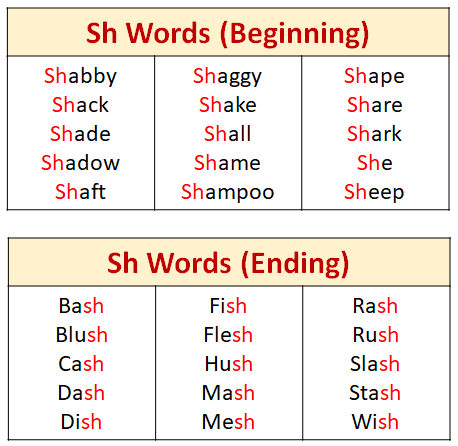
The word "rush" ends with the sound /ʃ/. This sound is soft and made by placing the tongue near the roof of the mouth. It sounds like "sh" in "shoe" or "fish." The lips are slightly rounded and the airflow is smooth. This creates a gentle hissing sound at the end.
Ending Sounds In 'rash'
The word "rash" also ends with the /ʃ/ sound, just like "rush." The difference lies in the vowel before it. In "rash," the vowel is short and open, while in "rush," it is more like a short "uh" sound. The ending consonant sound stays clear and crisp in both words. This helps keep the words distinct despite their similarities.

Credit: www.youtube.com
Common Mistakes
Many learners confuse the words "rush" and "rash" because they sound very similar. This confusion causes pronunciation mistakes that can change the meaning of a sentence. Understanding these common errors can help you speak more clearly and avoid misunderstandings.
Mixing 'rush' And 'rash'
Some people say "rush" when they mean "rash" and vice versa. "Rush" means to move quickly or hurry. "Rash" describes a skin irritation or acting without thinking. Mixing these words can make your speech unclear.
For example, saying "I have a rush on my arm" instead of "I have a rash on my arm" sounds confusing. Listeners may not understand what you mean.
Tips To Avoid Confusion
Focus on the vowel sounds to tell these words apart. "Rush" has a short "uh" sound, like in "cup." "Rash" has a short "a" sound, like in "cat."
Practice saying both words slowly. Listen to native speakers and repeat after them. Record yourself to hear the difference.
Use simple sentences to practice. For example, "I don’t like to rush," and "She has a rash."
Practice Techniques
Practicing the difference between "rush" and "rash" requires focused techniques. Small, daily exercises build strong pronunciation habits. Consistency helps your brain hear and say these words clearly. Practice makes the sounds easier and more natural.
Listening Exercises
Start by listening carefully to native speakers. Notice how they say "rush" and "rash." Pay attention to the vowel sounds and the ending consonants. Use audio clips or language apps for clear examples. Repeat the words mentally as you listen to them. This trains your ear to catch subtle differences.
Repetition Drills
Say the words "rush" and "rash" out loud many times. Focus on the "u" sound in "rush" and the "a" sound in "rash." Speak slowly at first, then speed up as you improve. Record yourself to check your pronunciation. Repeat daily to build muscle memory for these sounds.
Real-life Examples
Understanding the difference between "rush" and "rash" helps in clear communication. Both words sound similar but have different meanings. Seeing real-life examples makes it easier to remember their use. Below are simple sentences using each word. These examples show how to use "rush" and "rash" correctly in daily speech.
Using 'rush' In Sentences
She had to rush to catch the bus on time.
Don’t rush your work; take your time to do it well.
There was a rush of people entering the concert hall.
He felt a rush of excitement before the game started.
We need to rush the project to meet the deadline.
Using 'rash' In Sentences
He made a rash decision without thinking it through.
She developed a rash after touching the plant.
A rash of problems appeared after the new update.
Don’t be rash; think carefully before you speak.
The doctor treated the rash with a special cream.
Frequently Asked Questions
What Is The Correct Pronunciation Of "rush"?
"Rush" is pronounced as /rʌʃ/, with a short "u" sound. It rhymes with "hush" and emphasizes the "sh" sound at the end.
How Does "rash" Differ In Pronunciation?
"Rash" is pronounced as /ræʃ/, with a short "a" sound, like in "cat. " It also ends with the "sh" sound.
Can "rush" And "rash" Be Easily Confused?
Yes, both words end with "sh," but their vowel sounds differ. Listening carefully helps distinguish them.
Why Is Pronunciation Important For "rush" Vs "rash"?
Correct pronunciation avoids misunderstandings. "Rush" relates to speed, while "Rash" means impulsive or a skin condition.
Conclusion
Pronouncing "rush" and "rash" correctly helps clear up confusion. Both words sound alike but mean different things. Practice saying them slowly to hear the difference. Focus on the vowel sounds: "rush" has a short "u," and "rash" has a short "a.
" Use these tips daily to improve your English speaking skills. Clear speech makes communication easier and more confident. Keep practicing, and soon these words will feel natural. Little steps lead to big improvements in language learning.
