

Running Outfit: Ultimate Guide to Stylish & Comfortable Gear
When you step out for a run, your outfit can make all the difference. Imagine feeling comfortable, confident, and energized from the moment you lace up.
Your running outfit isn’t just about looking good—it’s about helping you perform at your best. Whether you’re a beginner or a seasoned runner, choosing the right clothes can boost your motivation and keep distractions away. Ready to discover how the perfect running outfit can transform your runs?
Keep reading to find tips that will change the way you dress for every mile.
Choosing The Right Fabric
Choosing the right fabric for your running outfit affects comfort and performance. The fabric controls how your body handles sweat and heat during runs. Picking a material that fits your needs helps you run longer and feel better.
Breathable Materials
Breathable fabrics let air move through the clothing. This helps keep your skin cool and dry. Cotton is soft but holds sweat, which can cause discomfort. Synthetic fabrics like polyester and nylon offer better airflow and dry faster.
Moisture-wicking Technology
Moisture-wicking fabrics pull sweat away from your skin. This keeps you dry and stops chafing during runs. Look for clothes labeled with moisture-wicking features. These fabrics help regulate body temperature and improve comfort.
Seasonal Fabric Options
Different seasons need different fabric choices. Lightweight and breathable fabrics suit warm weather. In cold weather, thicker fabrics with insulation keep you warm. Some materials also block wind and repel water for added protection.
Essential Running Tops
Choosing the right running top makes a big difference in comfort and performance. Essential running tops keep you dry and cool during your run. They also protect your skin from sun and wind. Quality fabrics that breathe and stretch help your movement.
Different tops suit different weather and running styles. Knowing the options helps you pick the best one. Here are the main types of running tops every runner should consider.
T-shirts And Tank Tops
T-shirts and tank tops are great for warm weather runs. They let your skin breathe and sweat evaporate quickly. Look for lightweight fabrics that dry fast. Tank tops offer extra ventilation for hot days. Choose shirts with flat seams to avoid chafing. Bright colors improve visibility on roads.
Long Sleeve Options
Long sleeve tops protect your arms from sun and cold. Thin, breathable materials work well in mild weather. They keep your muscles warm to prevent stiffness. Some long sleeves have thumb holes for extra hand coverage. Reflective details enhance safety during early or late runs. Layer under jackets for colder days.
Layering Pieces
Layering helps you adjust to changing temperatures. Lightweight base layers fit close to your skin. They wick away sweat and keep you dry. Mid layers provide insulation without bulk. Choose stretch fabrics that allow full arm movement. Outer layers protect from wind and rain. Zip fronts let you control ventilation easily.
Picking The Perfect Bottoms
Choosing the right bottoms for running can make a big difference in comfort and performance. The perfect pair supports your movement and keeps you comfortable. Different styles suit different weather, body types, and running styles. Explore these options to find what fits you best.
Running Shorts
Running shorts are light and breathable. They help keep you cool during warm runs. Many have built-in liners for extra support and comfort. Look for shorts with pockets to hold keys or small items. Choose fabrics that dry quickly to avoid chafing.
Tights And Leggings
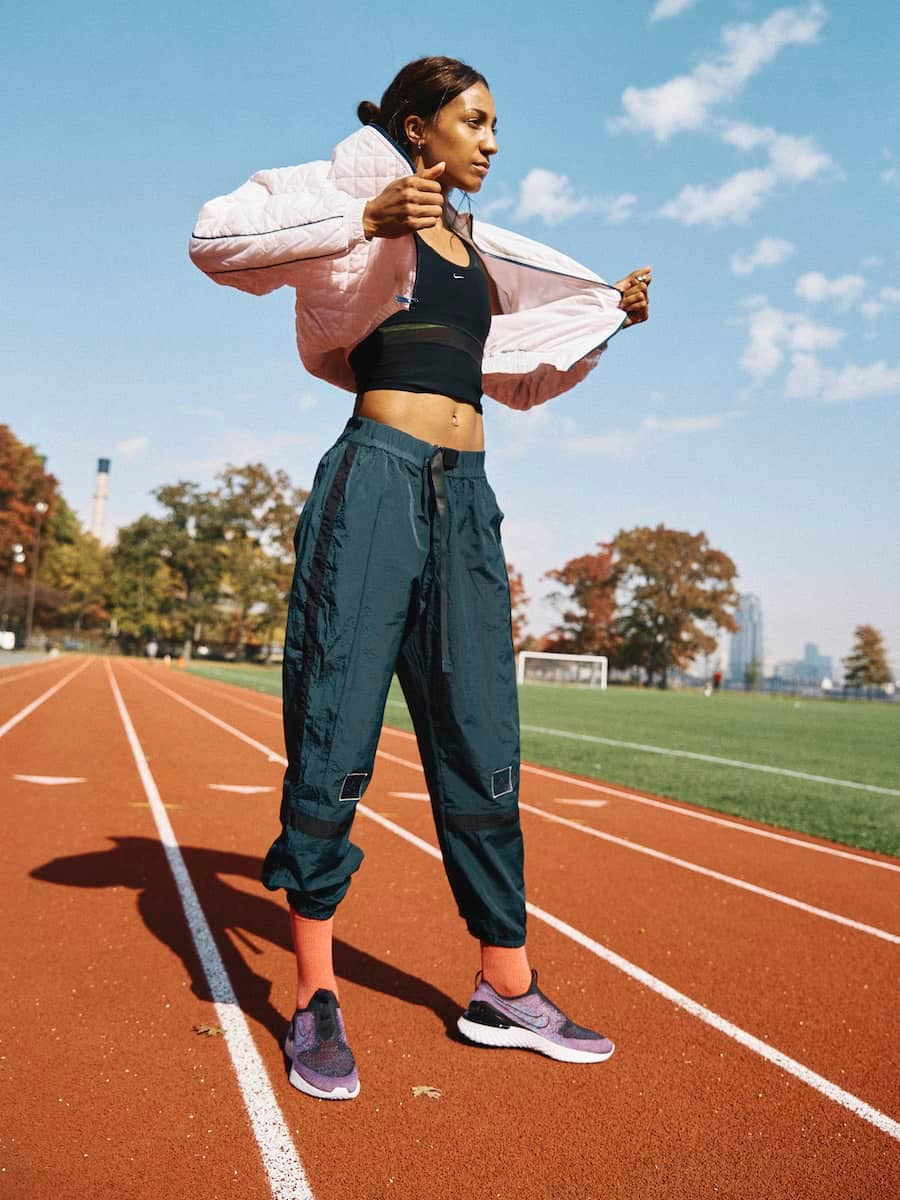
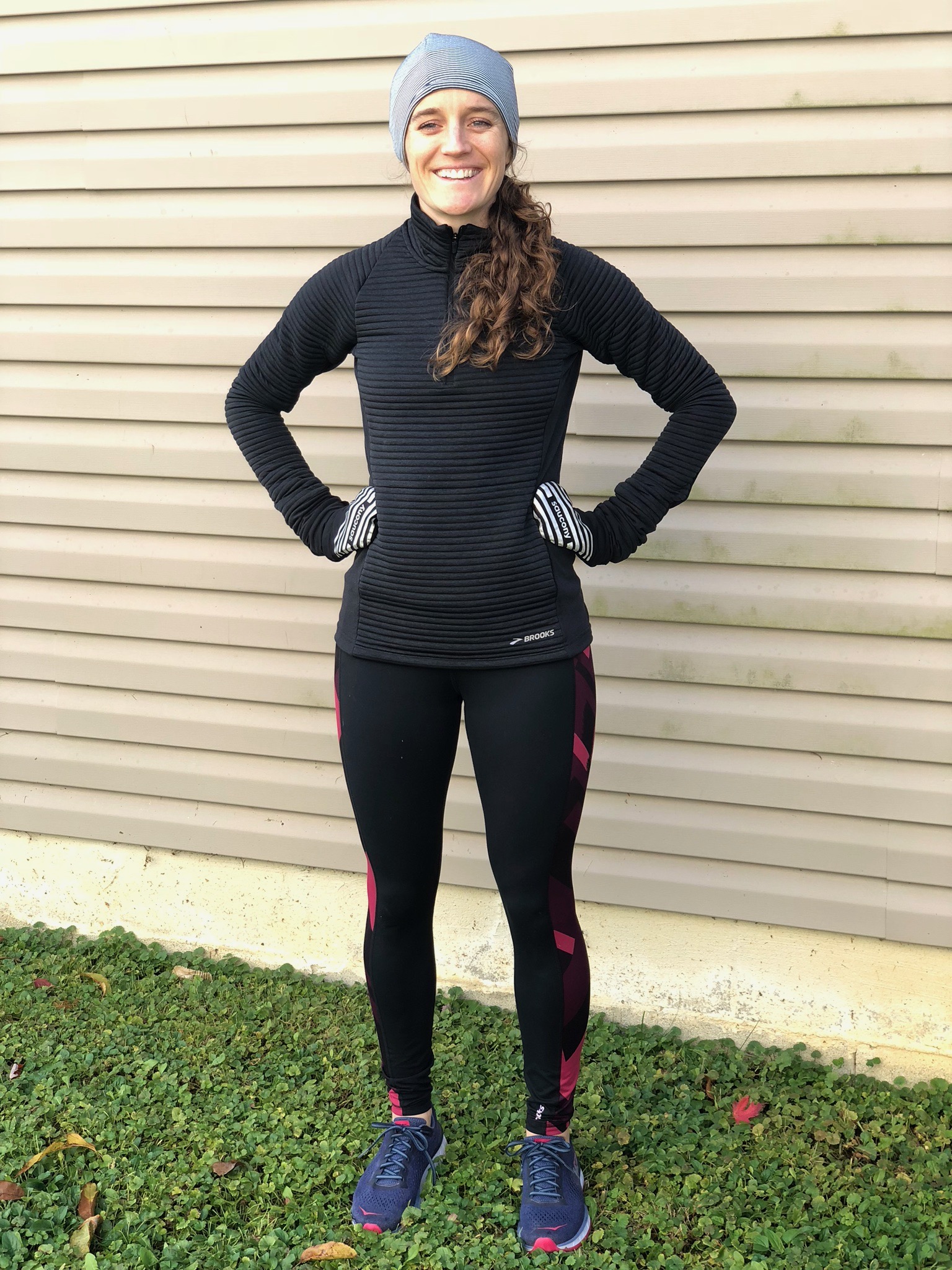
Tights and leggings offer full leg coverage and muscle support. They work well in cooler weather or early mornings. Compression leggings can improve blood flow and reduce fatigue. Pick stretchy materials that move with you. Some styles have reflective details for safety in low light.
Skirts And Capris
Skirts combine style and function. Many come with built-in shorts for modesty and comfort. Capris provide coverage below the knee without full length. Both are great for mild weather and add variety to your running gear. Choose soft, flexible fabrics that allow easy movement.
Credit: www.healingwithhorsesranch.org
Footwear For Performance And Comfort
Choosing the right footwear is key for running well and feeling good. Shoes affect how your feet move and how much energy you use. Good shoes protect your feet from injury and help you run longer without pain. Comfort matters as much as performance.
Running Shoe Types
Running shoes come in several types. Neutral shoes suit runners with normal arches. Stability shoes help those who overpronate, or roll their feet inward. Motion control shoes offer extra support for severe overpronation. Trail shoes have tougher soles for rough paths. Each type helps your feet move correctly.
Socks That Enhance Comfort
Socks play a big role in comfort. Look for socks made from moisture-wicking materials. They keep feet dry and prevent blisters. Padded socks add extra cushioning on pressure points. Seamless socks reduce friction and skin irritation. Wearing the right socks keeps your feet happy.
Insoles And Orthotics
Insoles improve shoe fit and support arches. They can reduce foot pain and fatigue. Orthotics are custom insoles made by specialists. They fix specific foot problems and improve running form. Both insoles and orthotics add comfort and protect feet during runs.
Accessories That Matter
Choosing the right accessories can improve your running experience. Small items make a big difference in comfort and performance. They help you stay safe, hydrated, and motivated during your runs. Focus on accessories that fit your needs and style.
Headwear And Sunglasses
Headwear protects you from sun and sweat. A lightweight cap or visor keeps the sun out of your eyes. It also helps your head stay cool. Sunglasses shield your eyes from harmful UV rays. Choose ones with a good grip and clear lenses. They reduce glare and improve visibility on bright days.
Running Belts And Packs
Running belts hold your essentials like keys, phone, and energy gels. They keep your hands free and avoid bouncing. Some belts have water bottle holders for hydration. Running packs carry more items for longer runs. They distribute weight evenly to reduce strain. Select a size and style that feels comfortable and secure.
Smart Watches And Fitness Trackers
Smart watches track your distance, pace, and heart rate. They provide real-time data to help you improve. Fitness trackers monitor your steps and calories burned. Many connect to apps for detailed analysis. Choose devices with long battery life and easy-to-read screens. They help you stay focused and reach your goals.
Dressing For Weather Conditions
Dressing right for the weather makes running more comfortable and safe. Your outfit should match the temperature and conditions outside. Proper gear helps keep your body cool, warm, or dry. It also prevents injuries and boosts your performance. Here is how to choose the best running clothes for different weather types.
Hot Weather Gear
Choose lightweight and breathable clothes for hot days. Materials like mesh and moisture-wicking fabrics help sweat dry fast. Wear light colors to reflect sunlight and keep cool. A hat or visor protects your head from sunburn. Sunglasses shield your eyes from harsh rays. Remember to stay hydrated and avoid heavy fabrics.
Cold Weather Essentials
Layering is key in cold weather. Start with a base layer that keeps sweat away from your skin. Add an insulating layer for warmth. A windproof outer layer blocks chilly air. Gloves and a hat prevent heat loss from hands and head. Choose thermal socks to keep feet warm. Avoid cotton as it traps moisture and chills you.
Rain And Wind Protection
Waterproof and windproof jackets keep you dry and shielded. Look for breathable fabrics to stop overheating. A hood protects your head and neck. Wear shoes with good grip to prevent slipping on wet surfaces. Avoid heavy rain gear that may weigh you down. Quick-dry clothes help you stay comfortable after running in rain.
Style Tips For Running Outfits
Choosing the right running outfit can boost your confidence and comfort. Style matters as much as function during your run. Knowing simple style tips helps you create great looks that feel good. Here are key ideas to improve your running outfit style.
Color Coordination
Select colors that match well together. Neutral shades like black, gray, and white work with bright colors. Pairing dark bottoms with a bright top adds energy. Avoid clashing colors that distract or feel messy. Color coordination creates a balanced and clean look.
Trendy Patterns
Patterns add fun and personality to your outfit. Stripes, geometric shapes, or small prints make your look stylish. Use patterns on one piece only to keep it simple. Mixing two busy patterns can look too loud. A patterned top with solid leggings is a smart choice.
Mixing Function With Fashion
Choose clothes that feel good and look nice. Breathable fabrics keep you cool and dry. Reflective details increase safety and add style. Lightweight layers allow easy movement and comfort. Fashion and function work best when balanced well.

Credit: www.icecreamfactoryny.com
Maintaining Your Running Gear
Maintaining your running gear is essential for comfort and safety. Clean and well-kept clothes and shoes last longer. Proper care prevents bad smells and damage. It also keeps your gear looking fresh and working well every run.
Washing And Care Tips
Wash running clothes after every use. Sweat and dirt can harm fabric fibers. Use cold water and a gentle cycle. Avoid fabric softeners; they reduce moisture-wicking ability. Air dry clothes to keep their shape. For shoes, remove insoles and laces. Clean shoes with a soft brush and mild soap. Let them dry naturally, away from direct heat.
Storage And Longevity
Store running gear in a cool, dry place. Avoid damp areas that cause mold and smell. Keep shoes off the floor to keep shape. Use shoe trees or stuff with paper. Fold clothes neatly to avoid wrinkles. Avoid leaving gear in direct sunlight. Proper storage helps your gear last longer and stay comfortable.
When To Replace Your Gear
Replace running shoes every 300 to 500 miles. Worn shoes increase injury risk and reduce support. Check soles for uneven wear and cushioning loss. Replace clothes if fabric thins or tears. Faded colors and lost elasticity mean it’s time. Good gear protects your body and improves running experience.
Credit: www.esquim.com
Frequently Asked Questions
What Is The Best Fabric For A Running Outfit?
The best fabric for running outfits is moisture-wicking material. It keeps sweat away from the skin. Common options include polyester and nylon blends. These fabrics dry quickly and prevent chafing. Cotton is not recommended as it retains moisture.
How Should A Running Outfit Fit?
A running outfit should fit snugly but not too tight. Proper fit prevents chafing and allows free movement. Avoid overly loose clothing that may cause discomfort. Choose clothes that match your running style and weather conditions for optimal performance.
What Essential Items Make A Complete Running Outfit?
A complete running outfit includes moisture-wicking top, running shorts or leggings, and supportive running shoes. Additional items like socks, a hat, and a lightweight jacket can enhance comfort. Choose items based on weather and personal preference for the best experience.
How To Choose Running Shoes For Your Outfit?
Choose running shoes based on comfort, fit, and support. Match shoe type with your running style and terrain. Proper shoes prevent injuries and improve performance. Coordinating shoe colors with your outfit adds style and motivation to your runs.
Conclusion
Choosing the right running outfit helps you stay comfortable and focused. Breathable fabrics keep sweat away and reduce chafing. Good shoes support your feet and prevent injuries. Dress in layers when weather changes fast. Bright colors improve your safety on roads.
Simple, well-fitting clothes make running more fun. Remember, comfort matters more than brand names. Start with basics, then add what you need. Your running outfit should help, not hold you back. Keep it light, flexible, and suited to your pace.
Enjoy every step with the gear that fits you best.
