

Running Outfit for Winter: Ultimate Guide to Stay Warm & Stylish
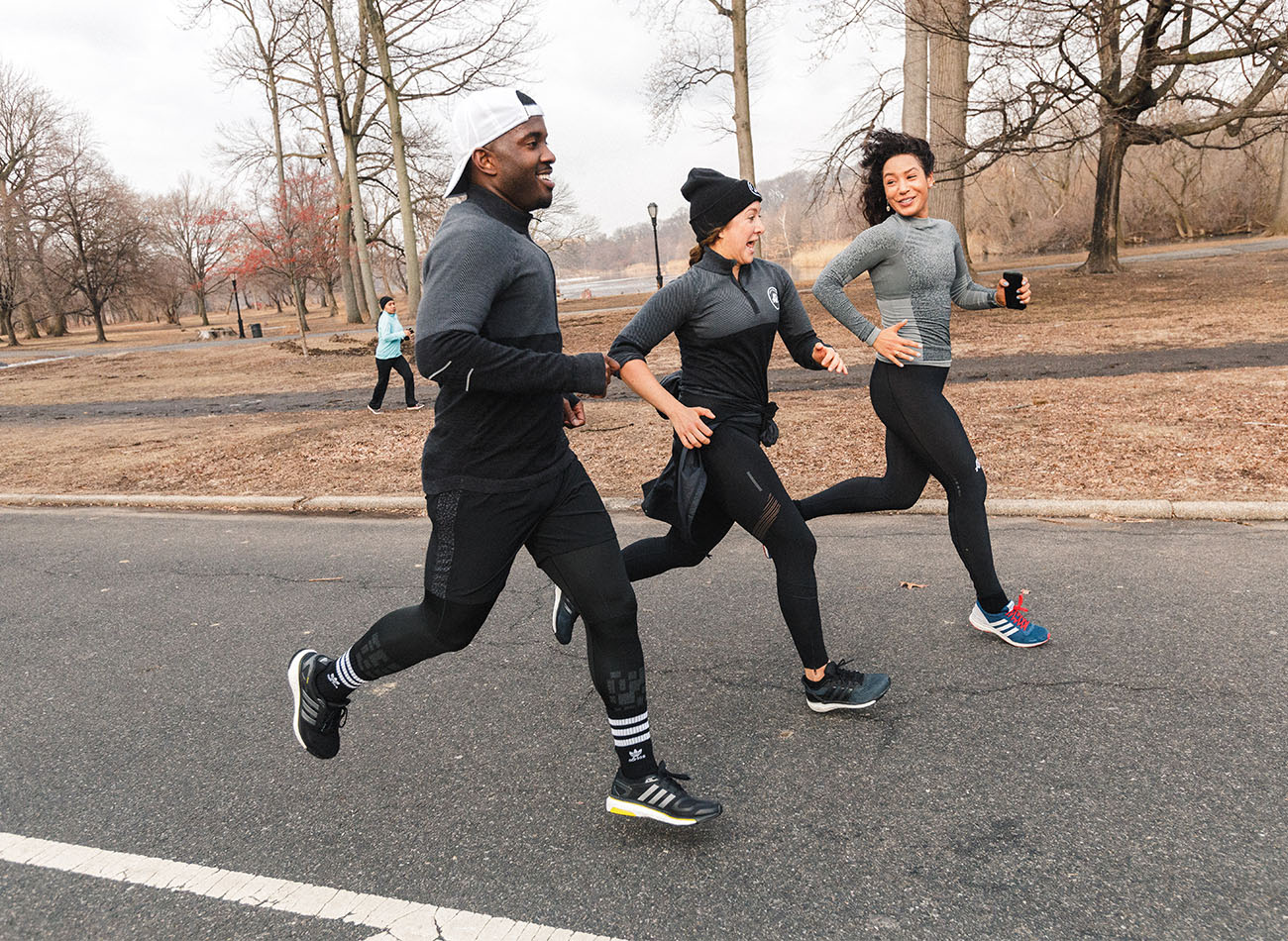
When winter arrives, staying active can feel like a challenge. But with the right running outfit for winter, you can keep moving comfortably and safely, no matter how cold it gets.
Imagine stepping outside without shivering or worrying about slipping on icy paths. Your perfect winter running gear can make all the difference, helping you enjoy every run and reach your fitness goals. Ready to discover how to dress smart and run strong this winter?
Keep reading to find out exactly what you need.
Credit: www.materiaiscastanheira.com.br
Choosing The Right Fabrics
Choosing the right fabrics for your winter running outfit is key. The right materials keep you warm without making you sweat too much. They help your body stay dry and comfortable. This makes your run easier and more enjoyable. Understanding fabric types helps you pick the best clothes.
Moisture-wicking Materials
These fabrics pull sweat away from your skin. They keep you dry and stop chills. Polyester and nylon are common moisture-wicking fabrics. They dry fast and feel light on the skin. Cotton does not work well because it holds moisture.
Insulating Layers
Insulating fabrics trap heat close to your body. Wool and fleece are great choices. They keep you warm even if they get a little wet. These layers go over your moisture-wicking base layer. They help keep your body temperature steady in cold weather.
Breathable Fabrics
Breathable fabrics let air move through your clothes. This stops overheating during your run. Mesh panels or lightweight materials help with airflow. Balancing warmth and breathability is important. Your body stays comfortable, no matter the pace.
:quality(75))
Credit: www.eecusa.com
Layering Strategies
Choosing the right layers is key for winter running comfort. Proper layering keeps you warm without making you sweat too much. Each layer has a job. Together, they protect you from cold, wind, and moisture. Let’s explore the best layers to wear for winter runs.
Base Layer Essentials
The base layer sits closest to your skin. It must wick sweat away fast. Avoid cotton. It holds moisture and chills you down. Look for materials like polyester or merino wool. These fabrics dry quickly and keep you warm. A snug fit helps trap heat and move sweat. Thin, breathable base layers work well for most runners.
Mid Layer Options
The mid layer provides insulation. It keeps your body heat from escaping. Fleece and lightweight down jackets are good choices. Pick something soft and flexible for easy movement. You can add or remove this layer as the temperature changes. Avoid thick layers that limit your motion or cause overheating. Layering light pieces allows better control over your warmth.
Outer Layer Protection
The outer layer shields you from wind, rain, and snow. Choose a jacket that is windproof and water-resistant. Breathability is important to let sweat escape. Look for jackets with vents or mesh panels. A hood adds extra protection for your head and neck. The outer layer should fit comfortably over your other layers without feeling tight.
Key Winter Running Gear
Running in winter needs special gear to stay warm and safe. Choosing the right clothes helps keep your body warm without making you sweat too much. The best winter running gear lets air move and blocks cold wind. It also protects your hands, feet, and head from the cold. Here are the key items to include in your winter running outfit.
Thermal Running Tights
Thermal running tights keep your legs warm and dry. They fit close to your skin and trap heat. Many have a soft inside layer for comfort. Some tights also block wind and water. Choose tights that stretch well for easy movement.
Insulated Jackets
Insulated jackets protect your upper body from cold air. They are lightweight but warm. Look for jackets with breathable fabric. This stops sweat from building up inside. Some jackets have reflective strips for safety in low light.
Gloves And Mittens
Cold hands can ruin a run. Gloves or mittens keep your fingers warm. Mittens often keep heat better but gloves allow more finger use. Pick water-resistant materials for wet snow or rain. Thin liner gloves can go inside thicker ones.
Headwear Choices
Your head loses heat fast in cold weather. Hats, beanies, or headbands help keep warmth. Choose items made from wool or synthetic fabric. These dry quickly and feel soft on skin. A hat that covers ears is best for cold days.
Winter Running Shoes
Shoes for winter have better grip for icy paths. They often use waterproof materials to keep feet dry. Look for shoes with good insulation but not too bulky. Wearing thick socks helps add warmth and comfort.

Credit: www.dangerfieldsofshakopee.com
Accessories To Enhance Comfort
Winter running needs more than just warm clothes. Accessories help keep you safe and comfortable. They protect your body from cold, wind, and low light. Small items can make a big difference in your run. Choose the right accessories to enjoy running every cold day.
Reflective Elements
Running in winter means shorter daylight hours. Reflective gear helps drivers see you clearly. Reflective vests, bands, and shoe clips work well. They improve your visibility on dark roads and trails. Choose accessories with bright, reflective strips for safety.
Running Socks
Cold feet can stop your run early. Running socks keep your feet warm and dry. Look for socks made of wool or special synthetic fibers. These materials wick sweat and prevent blisters. Thick socks add warmth without making shoes tight.
Neck Gaiters And Scarves
Cold wind hurts your neck and face during runs. Neck gaiters and scarves block the chill and keep heat in. They are easy to pull up over your mouth and nose. Choose soft, breathable fabrics that feel nice on your skin. These accessories add comfort on cold, windy days.
Tips For Staying Safe In Cold Weather
Running in cold weather needs extra care. Cold air can cause many risks. Staying safe is important to enjoy your run. Here are some tips to keep you safe in winter.
Visibility In Low Light
Winter days are shorter, and light fades fast. Wear bright colors or reflective gear. Use headlamps or clip-on lights for better visibility. Make sure drivers and others see you clearly. Running on well-lit paths is safer. Always check your gear before heading out.
Preventing Frostbite
Frostbite can hurt your skin and muscles. Cover exposed skin with gloves, hats, and scarves. Choose materials that keep heat in but let sweat out. Avoid running in extreme cold or wind. Stop running if your skin feels numb or tingles. Warm up indoors right after your run.
Hydration And Nutrition
Cold weather can hide your thirst. Drink water before, during, and after running. Eat energy-rich snacks to keep your body warm. Foods like nuts and fruits work well. Avoid sugary drinks that can lower body heat. Listen to your body’s needs to stay strong.
Styling Winter Running Outfits
Styling winter running outfits blends warmth with style. It keeps runners comfortable in cold weather. Choosing the right pieces helps maintain motivation and performance. Winter clothes can be both functional and fashionable. Simple tricks make winter running gear look great.
Color Coordination
Picking colors is key for a sharp winter look. Bright colors add energy and boost visibility. Dark shades hide dirt and sweat marks better. Combine neutral tones with vibrant ones for balance. Color matching creates a neat, put-together outfit. It also helps layers work well together.
Mixing Textures
Different fabrics add interest and depth to outfits. Soft fleece pairs well with smooth nylon. Thick wool contrasts nicely with sleek polyester. Texture mixing breaks up monotony in winter gear. It keeps runners looking stylish despite bulky layers. Play with textures to stay visually appealing.
Functional Fashion Trends
Modern winter running clothes combine style and function. Reflective strips improve safety during dark runs. Moisture-wicking materials keep skin dry and warm. Thermal fabrics lock in heat without weight. Jackets with vents help regulate body temperature. These trends make winter running more enjoyable.
Frequently Asked Questions
What Is The Best Fabric For Winter Running Outfits?
The best fabric for winter running is moisture-wicking polyester or merino wool. These materials keep you dry and warm. They prevent sweat buildup and retain heat without overheating. Avoid cotton as it absorbs moisture and chills the body.
How To Layer Clothes For Winter Running?
Layering starts with a moisture-wicking base layer to keep sweat away. Add an insulating middle layer for warmth. Finish with a windproof, breathable outer layer to protect from cold and wind. Adjust layers based on temperature and activity level.
Should I Wear Gloves And A Hat While Running?
Yes, gloves and a hat are essential in winter running. They protect extremities from heat loss. Choose lightweight, breathable materials to maintain warmth without sweating. Covering your head and hands prevents cold-related discomfort and improves overall body heat retention.
How To Choose Winter Running Shoes?
Select winter running shoes with good traction for slippery surfaces. Waterproof or water-resistant shoes keep feet dry in snow or rain. Insulated options offer extra warmth. Choose a pair that fits well and supports your running style.
Conclusion
Choosing the right winter running outfit keeps you warm and comfortable. Dress in layers to stay dry and cozy. Wear moisture-wicking fabrics to avoid sweat buildup. Don’t forget gloves, hats, and good shoes for safety. Staying warm helps you enjoy running all season.
Keep moving and stay safe in cold weather. Your body will thank you for smart choices. Winter runs can be fun with the right gear. Stay warm, stay active, and feel great outside.
