

Running Outfit for Man: Ultimate Guide to Comfort & Style
Are you ready to boost your running experience? The right running outfit for man can make all the difference in how you feel and perform.
Imagine slipping into gear that fits perfectly, keeps you comfortable, and even motivates you to push harder. Whether you’re hitting the pavement, trail, or treadmill, your outfit plays a key role in your success. Keep reading to discover how to choose the best running clothes that match your style, needs, and goals.
Your next great run starts with what you wear.
Choosing The Right Fabric
Choosing the right fabric is key for a man’s running outfit. The fabric affects comfort, performance, and how long the clothes last. Picking the best material helps keep the body cool and dry. It also stops chafing and skin irritation. Understanding fabric types makes running more enjoyable and safe.
Breathable Materials
Breathable fabrics let air move through the clothing. This helps heat escape and cool air enter. Cotton is soft but holds sweat, which can feel heavy. Synthetic fabrics like mesh or polyester are better. They keep air flowing and dry faster. Breathable clothes stop overheating during runs.
Moisture-wicking Options
Moisture-wicking fabrics pull sweat away from the skin. This keeps runners dry and comfortable. Materials like nylon and polyester are popular choices. They move moisture to the fabric’s surface to evaporate quickly. This reduces chafing and keeps the skin cool. Moisture-wicking clothes help maintain energy for longer runs.
Temperature Regulation Fabrics
Some fabrics help control body temperature in different weather. Merino wool is a natural option. It keeps you warm in cold weather and cool when hot. High-tech synthetics also adjust to temperature changes. These fabrics help maintain a steady body heat. They improve comfort in both summer and winter runs.
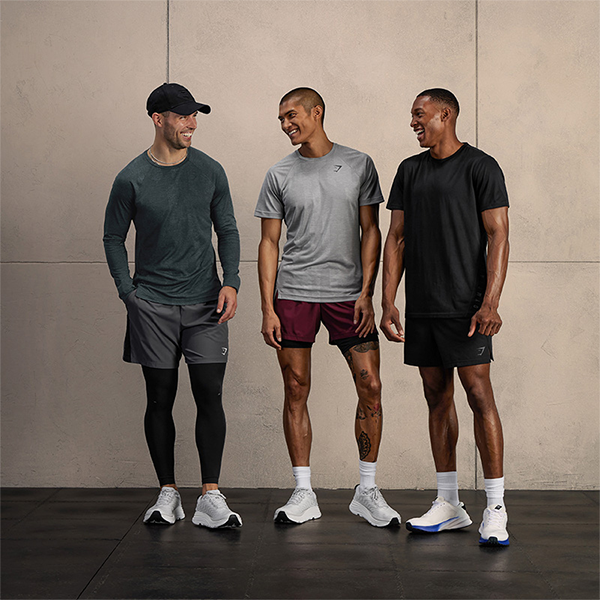
Credit: www.gymshark.com
Essential Running Tops
Choosing the right running top is key for comfort and performance. The right top helps control sweat and keeps you cool or warm. Materials that breathe well and fit correctly improve your run. Let’s explore the main types of running tops for men.
T-shirts Vs Tank Tops
T-shirts offer good coverage and protect from sun and wind. They work well in cooler weather or early mornings. Tank tops give more freedom and better airflow. They suit hot days and high-intensity runs. Both come in moisture-wicking fabrics to keep you dry. Choose based on weather and personal comfort.
Long Sleeve Options
Long sleeve tops are perfect for chilly runs. They shield your skin and keep warmth in. Look for lightweight and breathable fabrics to avoid overheating. Some have thumb holes for extra hand coverage. Reflective details add safety for low light conditions. Layering long sleeves is easy and practical.
Layering For Weather
Layering helps adjust to changing weather during runs. Start with a moisture-wicking base layer to stay dry. Add a long sleeve or jacket for warmth if needed. Remove layers as you heat up or the sun rises. Carrying a lightweight layer is smart for sudden weather shifts. Proper layering keeps you comfortable and injury-free.
Picking The Perfect Bottoms
Choosing the right bottoms for running is important. They affect comfort, speed, and performance. The perfect running bottoms fit well and suit the weather. They should allow easy movement and keep you cool or warm.
Below are some common options that many men prefer. Each has its own benefits depending on your running style and conditions.
Shorts For Speed
Running shorts are great for fast runs. They are lightweight and let air flow freely. Shorts with built-in liners prevent chafing. Look for stretchy, breathable fabric that moves with you. Short lengths help with leg movement and reduce heat.
Running Tights And Leggings
Tights and leggings offer more coverage and support. They fit tightly to the skin and reduce muscle vibration. This helps with endurance and recovery. Many have pockets for keys or small items. Choose moisture-wicking material to stay dry and comfortable.
Weather-appropriate Choices
Pick bottoms that match the weather outside. On hot days, shorts or lightweight tights work best. For cold weather, thicker tights keep muscles warm. Waterproof or windproof layers protect against rain and wind. Always dress in layers you can adjust during your run.
Footwear Matters
Choosing the right footwear is key for every man who runs. Shoes protect your feet and help you run better. The wrong pair can cause pain and slow you down.
Good running shoes support your feet and reduce injury risk. Socks also play a big role in comfort. Together, they make your runs smoother and more enjoyable.
Selecting Running Shoes
Pick shoes based on your foot type and running style. Look for shoes with good cushioning and support. Try on several pairs to find the best fit. Remember, running shoes wear out fast. Replace them every 300-500 miles to avoid injury.
Importance Of Proper Fit
Shoes must fit snugly but not too tight. Your toes need room to move without rubbing. Check the heel fit to prevent slipping. Try shoes on later in the day when feet are swollen. A proper fit reduces blisters and discomfort.
Socks That Enhance Comfort
Choose socks made of moisture-wicking material. Avoid cotton socks as they hold sweat and cause blisters. Look for socks with extra padding in high-impact areas. Good socks keep your feet dry and comfortable during runs.
Accessories For Performance
Choosing the right accessories can boost a man's running performance. These small additions improve comfort and efficiency. They protect from weather and help track progress. Accessories are essential for any serious runner.
Hats And Visors
Hats and visors shield your face from sun and rain. They keep sweat out of your eyes. Lightweight materials help your head breathe during runs. A good hat or visor reduces distractions and keeps focus strong.
Running Gloves
Running gloves protect your hands in cold weather. They keep fingers warm without bulk. Some gloves have touch-screen tips for convenience. Gloves improve grip and comfort on chilly days.
Smart Watches And Trackers
Smart watches and trackers monitor your speed and distance. They show heart rate and calories burned. These devices help set goals and track progress. Using them makes training more precise and motivating.
Color And Style Tips
Choosing the right colors and styles for your running outfit can improve your comfort and confidence. Bright colors boost your visibility and mood. Simple, matching styles create a neat look. This section shares useful tips to help men pick the best running clothes.
Matching Outfit Pieces
Match your running shirt with your shorts or pants for a clean look. Choose colors that work well together, like black and gray or blue and white. Avoid too many bright colors at once. Keep your outfit simple and balanced. Matching gear shows style without extra effort.
High-visibility Gear
Wear bright colors or reflective materials to stay safe on roads. Neon yellows, oranges, and greens make you easy to spot. Reflective strips on jackets or shoes help drivers see you in low light. Safety gear is important for early morning or evening runs. Bright colors protect you and add energy to your outfit.
Trends In Running Apparel
Modern running clothes focus on comfort and style. Lightweight fabrics and breathable materials keep you cool. Slim-fit designs offer a sleek look without restricting movement. Bold patterns and color blocking are popular now. Many brands use eco-friendly materials, which is good for the planet and your health.
Care And Maintenance
Taking care of your running outfit helps keep it fresh and lasting longer. Proper care stops wear and tear from daily use. It also keeps fabrics strong and colors bright. Simple steps in washing, storing, and handling your clothes make a big difference. Follow easy tips to protect your gear and maintain comfort on every run.
Washing Running Clothes
Always wash running clothes after use. Sweat and dirt can damage fabric fibers. Turn clothes inside out to protect the surface. Use cold water and gentle detergent. Avoid fabric softeners; they can block moisture-wicking properties. Wash similar items together to prevent damage. Air dry clothes instead of using a dryer. Heat can shrink or weaken material.
Extending Apparel Life
Handle running clothes with care to extend their life. Avoid rough surfaces that cause pilling or tears. Do not pull or stretch fabric too hard. Repair small holes or loose threads early. Limit exposure to direct sunlight for long periods. Rotate between multiple outfits to reduce wear. Keep gear clean to stop odors and stains from setting.
Storage Tips
Store running clothes in a cool, dry place. Avoid damp areas that encourage mold or mildew. Fold clothes neatly instead of hanging to prevent stretching. Use breathable storage bags or containers for extra protection. Keep away from sharp objects that might snag fabric. Regularly check stored clothes for any signs of damage. Proper storage helps maintain shape and freshness.
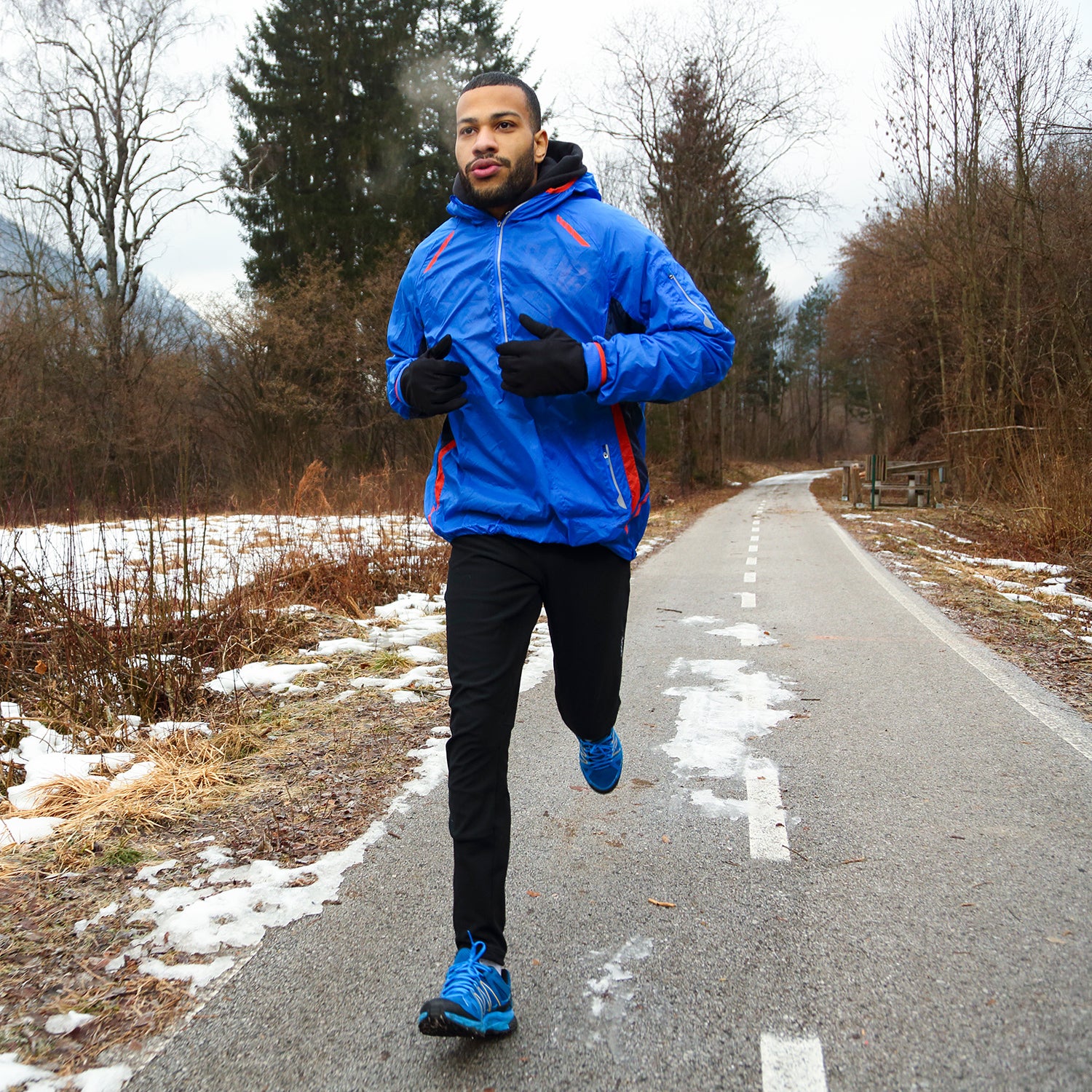
Credit: dm-communication-web.com
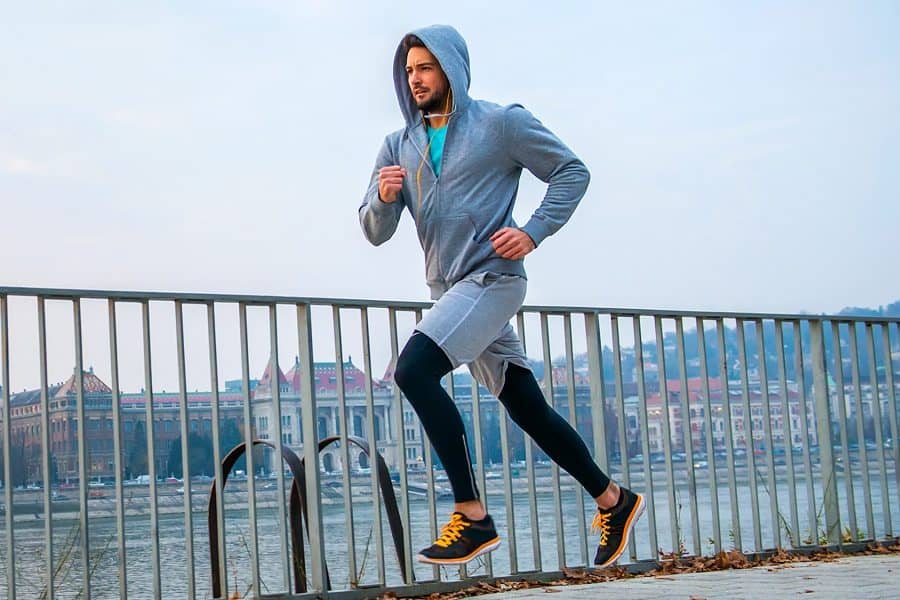
Credit: healingwithhorsesranch.org
Frequently Asked Questions
What Is The Best Fabric For A Running Outfit For Men?
The best fabric for men’s running outfits is moisture-wicking polyester or nylon. These fabrics keep sweat away, dry quickly, and prevent chafing. They also provide breathability and comfort during runs, making them ideal for all weather conditions.
How Should A Man Dress For Running In Cold Weather?
Men should wear moisture-wicking base layers, insulated mid-layers, and windproof jackets in cold weather. Gloves, hats, and thermal socks also help retain heat. Layering allows temperature control and prevents overheating or chilling during outdoor runs.
Are Compression Clothes Beneficial For Male Runners?
Yes, compression clothes improve blood circulation and reduce muscle fatigue. They support muscles, enhance recovery, and may boost performance. Many male runners use compression shorts or tops for added comfort and injury prevention during intense training.
What Type Of Shoes Should Men Choose For Running?
Men should select running shoes based on foot type and terrain. Proper shoes provide cushioning, arch support, and stability. Visiting a specialty store for gait analysis helps find the best fit and prevents injuries.
Conclusion
Choosing the right running outfit helps you stay comfortable and focused. Breathable fabrics keep sweat away and prevent chafing. A good fit allows easy movement and avoids distractions. Wearing layers works well for different weather conditions. Proper shoes protect your feet and improve your run.
Remember, simple and functional clothes make running more enjoyable. Dress smart, run better, feel great every time.
