

Rash Guard Vs Wetsuit: Ultimate Guide to Choosing Right Gear
Choosing between a rash guard and a wetsuit can be confusing, especially if you want the best protection and comfort in the water. You might wonder which one suits your activity, keeps you warm, and fits your style.
This guide will help you understand the key differences so you can make the right choice for your next adventure. Keep reading to find out which gear matches your needs perfectly and enhances your time in the water.
Credit: nymag.com
Key Differences
Rash guards and wetsuits serve different purposes in water sports and activities. Knowing their key differences helps you pick the right gear. These differences lie in material, coverage, and thermal protection.
Material And Construction
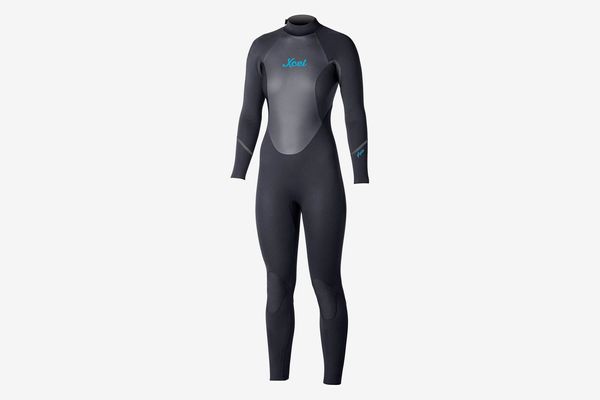
Rash guards use thin, stretchy fabric like polyester or spandex. They fit tightly but feel lightweight. Wetsuits are made from thick neoprene rubber. This material traps heat and adds padding. The construction of wetsuits is heavier and more durable. Rash guards focus on comfort and sun protection. Wetsuits provide insulation and protect against cold water.
Coverage And Fit
Rash guards typically cover the torso and arms. Some designs include short sleeves or long sleeves. They fit snugly but allow full movement. Wetsuits cover more of the body, like legs and arms. They come as full suits or shorties. Wetsuits fit tightly to reduce water flow inside. This tight fit helps keep the body warm.
Thermal Protection
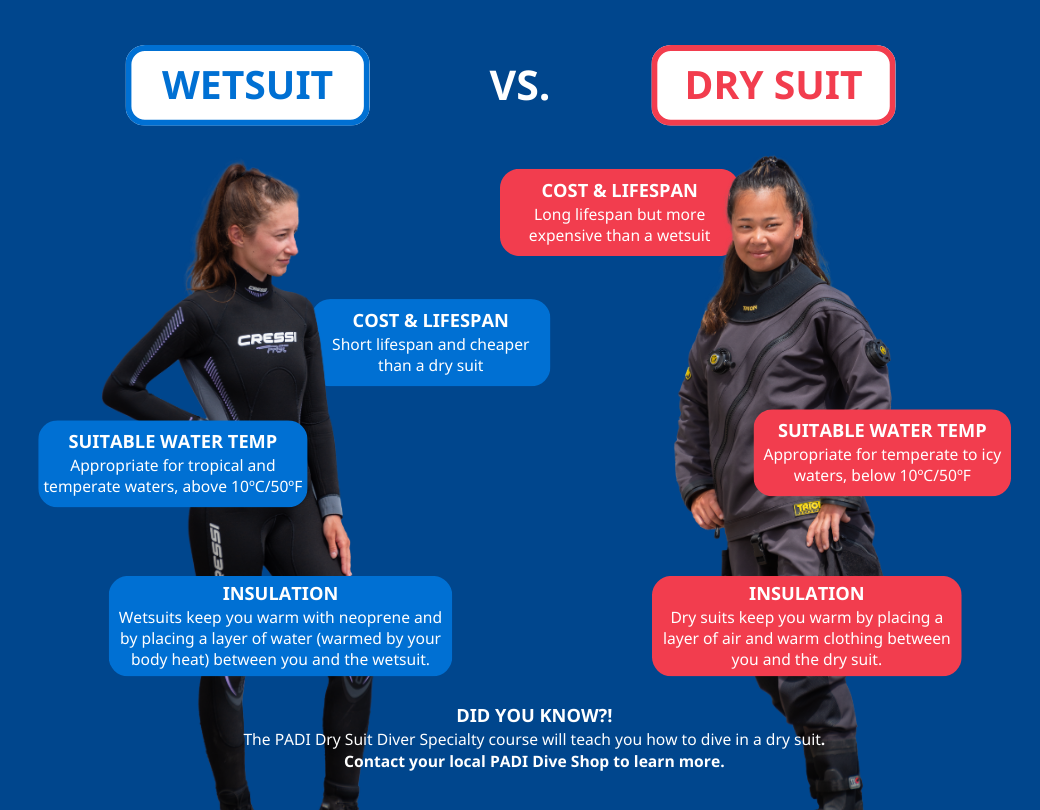
Rash guards offer minimal thermal protection. They mainly guard against sunburn and skin irritation. Wetsuits provide strong thermal protection. Neoprene traps a thin water layer that the body heats. This layer keeps you warm in cold water. Wetsuits are best for chilly or long water sessions.
Benefits Of Rash Guards
Rash guards offer many benefits for water sports enthusiasts. They protect your skin and keep you comfortable during activities. These lightweight garments are easy to wear and provide essential protection without bulk.
Sun Protection
Rash guards block harmful UV rays from the sun. They cover your skin and reduce the risk of sunburn. Many rash guards have a UPF rating for extra defense. Staying protected helps prevent skin damage and long-term health risks.
Chafe Prevention
Rash guards reduce friction between your skin and surfboards or wetsuits. This stops painful rashes and irritation. Wearing a rash guard creates a smooth barrier to protect sensitive areas. It allows longer, more comfortable sessions in the water.
Lightweight Comfort
Rash guards are made from thin, stretchy fabrics that fit snugly. They feel light on your skin and dry quickly. This makes moving easier and keeps you cool. Wearing a rash guard means less weight and no bulk to slow you down.
Benefits Of Wetsuits
Wetsuits offer many benefits for water activities. They help keep your body warm, support your movements, and protect you from impacts. These advantages make wetsuits a popular choice for surfers, divers, and swimmers. Understanding the benefits can help you pick the right gear for your needs.
Insulation And Warmth
Wetsuits trap a thin layer of water between your skin and the suit. Your body heats this water, creating a warm barrier. The neoprene material blocks cold water from reaching your skin. This insulation helps you stay warm in cold water for longer times. It prevents hypothermia and keeps muscles working well.
Buoyancy Support
Neoprene in wetsuits adds extra buoyancy. This helps you float more easily on the water surface. Buoyancy support makes swimming less tiring and improves balance. It also assists in quick recovery during long swims. This feature is helpful for beginners and experienced swimmers alike.
Impact Protection
Wetsuits offer protection from bumps and scrapes. The thick neoprene cushions your body against rocks, coral, and other hard surfaces. It reduces the risk of cuts and bruises during water activities. The suit also shields you from jellyfish stings and sunburn. This protection adds safety to your adventure.

Credit: blog.overtons.com
When To Choose Rash Guards
Choosing between a rash guard and a wetsuit depends on the water and activity type. Rash guards suit specific conditions better. They provide comfort, protection, and ease in many situations. Understanding when to pick a rash guard helps you stay safe and comfortable.
Warm Water Activities
Rash guards work well in warm water. They protect from sunburn and minor scrapes. Water stays warm, so heavy insulation is not needed. Swimmers, snorkelers, and surfers often wear rash guards here.
Casual Water Sports
For light water activities, rash guards are ideal. Kayaking, paddleboarding, or beach volleyball call for flexible clothing. Rash guards dry quickly and allow easy movement. They keep you cool while offering skin protection.
Extended Sun Exposure
Long hours under the sun need good skin coverage. Rash guards block harmful UV rays effectively. They help prevent sunburn during outdoor water time. Choose rash guards with high UV protection ratings for best results.
When To Choose Wetsuits
Wetsuits offer more protection and warmth than rash guards. They suit specific water activities and conditions. Knowing when to wear a wetsuit helps you stay safe and comfortable in the water.
Cold Water Conditions
Wetsuits keep your body warm in cold water. They trap a thin layer of water between your skin and the suit. Your body heats this water, which helps maintain warmth. Rash guards cannot provide this level of insulation. Wetsuits are necessary if water temperature drops below 70°F (21°C).
Diving And Surfing
Diving and surfing require extra protection from water pressure and rough surfaces. Wetsuits protect your skin from sharp coral, rocks, and jellyfish stings. They also help reduce muscle fatigue by keeping your muscles warm. Rash guards offer little protection in these situations. Wetsuits improve safety and comfort during these activities.
Longer Water Sessions
Spending hours in the water demands better insulation. Wetsuits prevent heat loss during extended swimming or paddling. They also protect against sunburn and abrasions over long periods. Rash guards lack the thermal protection needed for long sessions. Wearing a wetsuit lets you stay longer without feeling cold or tired.
Sizing And Fit Tips
Choosing the right size and fit is key for both rash guards and wetsuits. Proper fit ensures comfort and better performance in the water. Tight or loose gear can cause discomfort and reduce protection. Follow these tips to measure and select the best fit for your next water adventure.
Measuring For Rash Guards
Use a soft tape to measure your chest, waist, and hips. Stand straight and relax your muscles for accurate results. Compare your measurements with the brand's size chart. Rash guards should fit snugly but not feel tight. The fabric should stretch comfortably without restricting movement. Check sleeve length and torso fit to avoid bunching or riding up.
Wetsuit Fit Guidelines
Wetsuits need a closer fit than rash guards for proper insulation. Measure your height, chest, waist, hips, and weight. Use these numbers to find your size on the wetsuit chart. The suit should feel tight but not painful. It should hug your body with no loose areas. Arms and legs should fit well to prevent water flushing inside. Try moving around to test flexibility and comfort.
Common Fit Issues
Rash guards that are too loose may cause chafing and water entry. Too tight rash guards can limit your movement and breathing. Wetsuits that are too small cause discomfort and restrict blood flow. Large wetsuits let cold water in and reduce warmth. Watch out for pinching at seams or pressure points. Adjust sizes or try different brands to find the best fit.
Care And Maintenance
Proper care and maintenance extend the life of rash guards and wetsuits. Both require specific steps to stay in good shape. This helps keep the material flexible and protects your investment. Clean gear feels better and performs well on every use.
Cleaning Rash Guards
Rinse rash guards in cold water right after use. Avoid hot water as it can damage the fabric. Use mild soap if needed, but do not use bleach or fabric softeners. Hand wash gently to keep the material smooth. Let them air dry flat away from direct sunlight. This prevents colors from fading and fabric from stretching.
Wetsuit Drying And Storage
Rinse wetsuits thoroughly with fresh water after every swim. Hang them inside out on a wide hanger to dry. Keep them in the shade to avoid sun damage. Never use a dryer or heat source. Store wetsuits flat or loosely folded in a cool, dry place. Avoid tight spaces that can cause creases or cracks in the neoprene.
Repair Tips
Small tears in rash guards can be fixed with fabric glue or patches. For wetsuits, use neoprene cement to seal cuts or holes. Clean the area before applying any adhesive. Let repairs dry fully before wearing. Regular checks prevent damage from getting worse. Quick fixes keep your gear safe and ready for the water.
Credit: blog.padi.com
Budget And Price Considerations
Budget and price play a big role in choosing between a rash guard and a wetsuit. Both protect you in water but cost very differently. Understanding these costs helps you pick the right gear without overspending. Let’s explore how price affects your choice.
Cost Comparison
Rash guards usually cost less than wetsuits. You can buy a good rash guard for $20 to $50. Wetsuits often start around $80 and can go over $300. The price depends on thickness, brand, and features. Rash guards are cheaper because they are thinner and simpler.
Value For Money
Rash guards offer good value for warm water use. They protect from sun and minor scrapes at a low price. Wetsuits provide more warmth and protection in cold water. They cost more but work better in chilly conditions. Choose based on the water temperature and your needs.
Longevity And Durability
Wetsuits generally last longer than rash guards. Their thick neoprene resists tears and wear well. Rash guards can wear out faster, especially with rough use or sun exposure. Proper care extends the life of both. A wetsuit is a better long-term investment for frequent surfers or divers.
Frequently Asked Questions
What Is The Main Difference Between Rash Guards And Wetsuits?
Rash guards are lightweight, protective shirts preventing skin irritation and sunburn. Wetsuits provide insulation and warmth in cold water by trapping a thin water layer.
When Should I Wear A Rash Guard Instead Of A Wetsuit?
Wear a rash guard in warm water or sunny conditions for UV protection and rash prevention. Choose wetsuits in cold water for thermal insulation and added buoyancy.
Do Rash Guards Offer Any Thermal Protection?
Rash guards provide minimal thermal protection. They mainly shield skin from sunburn and abrasion, unlike wetsuits designed specifically to keep you warm.
Can Wetsuits Protect Against Jellyfish Stings Like Rash Guards?
Yes, wetsuits offer better protection against jellyfish stings due to their thick neoprene material. Rash guards provide light protection but are less effective.
Conclusion
Choosing between a rash guard and a wetsuit depends on your needs. Rash guards offer light protection and comfort in warm water. Wetsuits keep you warm and safe in cold water. Think about water temperature, activity, and how long you'll stay wet.
Both gear types help you enjoy water sports safely. Pick the one that fits your comfort and conditions best. Stay safe, have fun, and enjoy every splash!
