

Rash Guard Vs Rash Vest: Ultimate Battle for Water Sports Gear
Are you confused about whether to choose a rash guard or a rash vest for your next water adventure? You’re not alone.
Both offer protection and comfort, but understanding the key differences can make a huge impact on your experience. Imagine feeling perfectly protected from the sun and surf without sacrificing style or movement. You’ll discover exactly what sets a rash guard apart from a rash vest, so you can make the best choice for your needs.
Keep reading—your skin and comfort will thank you.
Rash Guard Basics
Rash guards and rash vests protect the skin during water sports. Both help avoid rashes, sunburn, and irritation. They look similar but differ in key ways. Understanding the basics helps you choose the right gear.
Let’s explore their material, design, and main uses.
Material And Fabric
Rash guards use stretchy, synthetic fabrics like polyester or spandex. These fabrics dry quickly and fit snugly on the skin. Rash vests often use thicker cotton or polyester blends. They are less stretchy and take longer to dry. Both types block some sun rays but rash guards offer better UV protection.
Design And Fit
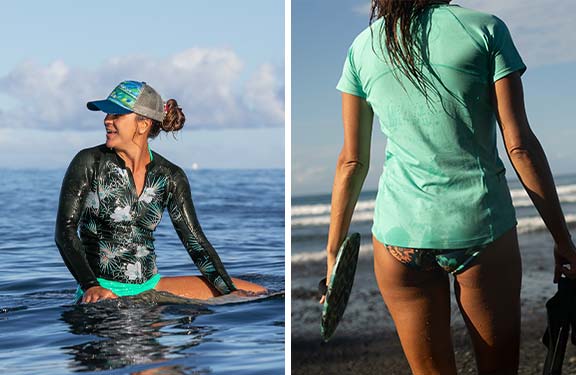
Rash guards fit tight to the body for comfort and protection. They have long or short sleeves and a close neckline. Rash vests fit looser and may feel baggy. Their neckline is usually wider and sleeves can be short or sleeveless. Tight fit helps rash guards stay in place during active sports.
Purpose And Use
Rash guards protect skin from surfboard rashes and jellyfish stings. They also help keep muscles warm in cold water. Rash vests mainly block the sun and offer light protection during casual beach wear. Rash guards are popular for surfing, diving, and swimming. Rash vests suit beach walks or light water activities.
Credit: www.titlenine.com
Rash Vest Essentials
A rash vest is a special shirt designed to protect your skin. It helps stop rashes and sunburns during water sports. People wear rash vests for surfing, swimming, and other outdoor activities.
Knowing the basics helps you pick the right one. Look at the material, design, and how it is used. These points explain what makes rash vests useful and practical.
Material Differences
Rash vests use stretchy and quick-dry fabrics. Common materials include polyester and spandex blends. These fabrics fit snugly and allow easy movement. They also protect from UV rays and reduce skin irritation. Some rash vests have added mesh panels for better air flow.
Design Features
Most rash vests have long or short sleeves. The collar style varies from low to high necks. Seams are flat to avoid chafing. Some designs include zippers for easy wear. Bright colors and patterns improve visibility in water. Lightweight and tight fit make rash vests comfortable to wear.
Common Uses
Rash vests protect during surfing, snorkeling, and paddleboarding. They help prevent skin damage from sun and saltwater. People also wear them under wetsuits for extra warmth. Kids use rash vests for swimming lessons and beach play. The shirts work well for sports that need skin protection outdoors.
Key Differences
The terms rash guard and rash vest often confuse many. Both protect the skin during water sports. Yet, they have clear differences. Understanding these helps choose the right gear for your needs. The key differences lie in fabric, comfort, and durability.
Fabric And Protection
Rash guards use stretchy, synthetic fabrics like spandex and nylon. They fit tight and block harmful UV rays well. Rash vests are usually made from thicker materials. They offer extra padding against scrapes and stings. Rash guards dry faster. Rash vests provide more physical protection.
Comfort And Fit
Rash guards fit snugly like a second skin. They allow easy movement in water. Rash vests tend to be looser and less flexible. They feel heavier but offer more warmth. Choose rash guards for active water sports. Pick rash vests for calmer activities or extra coverage.
Durability And Maintenance
Rash guards resist stretching and fading over time. They need gentle washing to keep shape. Rash vests are more rugged and thicker. They tolerate rough use and simple washing. Rash guards last longer if cared for properly. Rash vests handle wear but may lose shape faster.

Credit: nationathletic.com
Performance In Water Sports
Performance in water sports depends greatly on the right clothing. Rash guards and rash vests protect your skin and improve comfort. Both have strengths in different activities. Choosing the best fit can enhance your experience in the water.
Surfing And Bodyboarding
Rash guards provide excellent protection from board rash and sunburn. They fit tightly and stay in place during waves and turns. Rash vests offer lighter coverage, good for warm water surfing. Both reduce skin irritation from saltwater and sand. Rash guards often include UV protection, essential for long sessions.
Snorkeling And Diving
Rash guards keep you warm in cool water during snorkeling. Their snug fit prevents jellyfish stings and scrapes from coral. Rash vests are less common here but work well in hot climates. Both dry quickly, which is important between dives or swims. Rash guards also help reduce drag underwater.
Swimming And Triathlons
Rash guards offer streamlined designs for fast swimming. Their tight fit cuts water resistance and supports muscles. Rash vests are usually looser, so they create more drag. Many triathletes choose rash guards for better speed and comfort. Both can protect from sun damage during outdoor swims.
Choosing The Right Gear
Choosing the right gear matters for comfort and safety. Picking between a rash guard and a rash vest depends on several factors. Consider what you plan to do, the weather, and your style.
These points help you make the best choice for your needs.
Activity Type
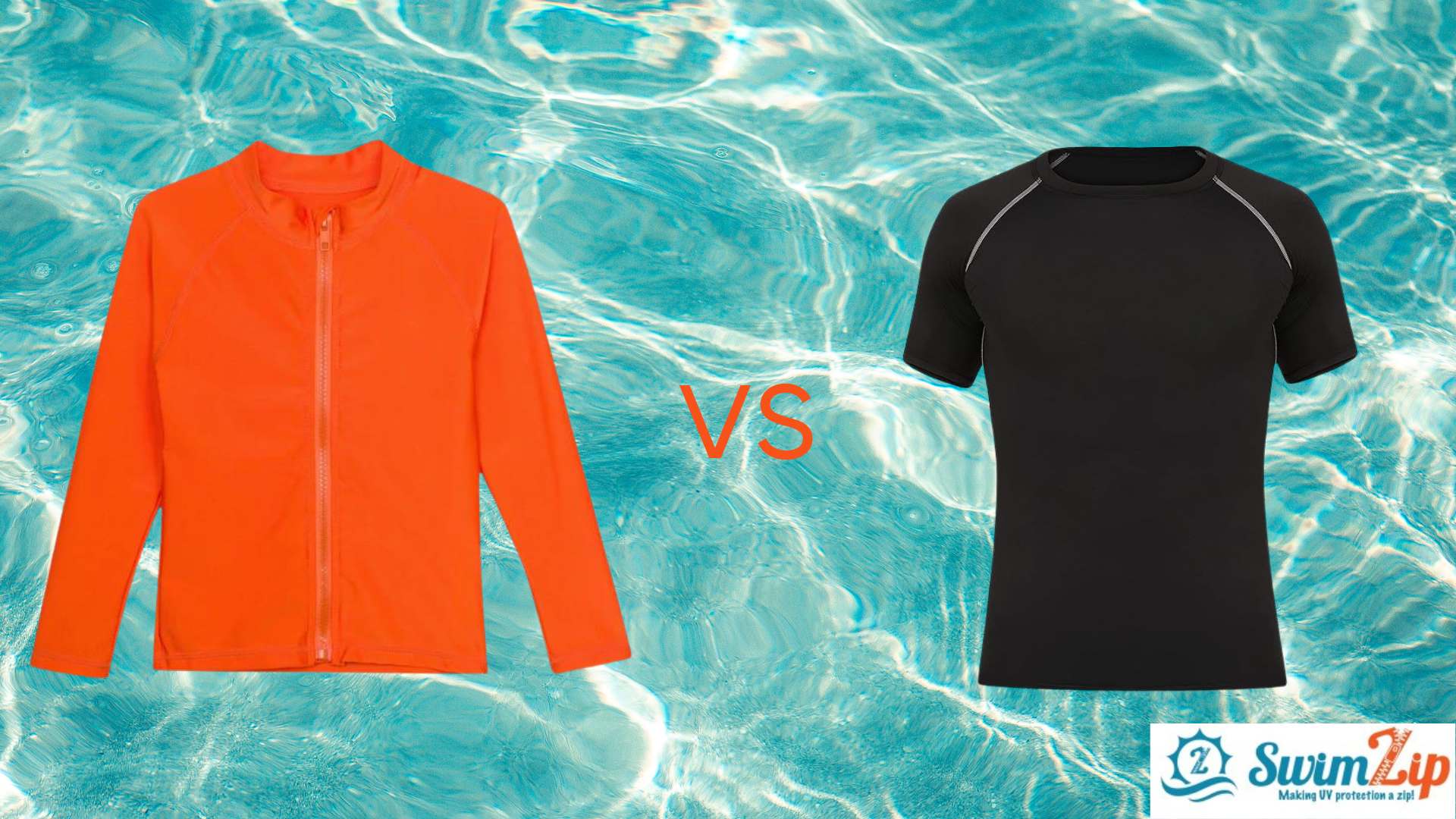
Think about the sport or activity you will do. Rash guards suit surfing and water sports well. They fit tightly and protect from sun and rashes. Rash vests are good for casual beachwear or light water activities. They are looser and more breathable.
Weather Conditions
Check the weather before choosing your gear. Rash guards work better in cooler water because they keep you warm. Rash vests are ideal for hot days. They allow more air flow and keep you cool.
Personal Preferences
Pick the gear that feels best on your skin. Some prefer a tight fit for better protection. Others like a loose fit to stay relaxed. Also, consider the style and colors you like. Comfort and confidence matter most.
Credit: swimzip.com
Care And Maintenance Tips
Taking good care of your rash guard or rash vest keeps it strong and comfy. Proper cleaning and storage stop damage and fading. Follow these simple tips to make your gear last longer.
Washing And Drying
Wash your rash guard or vest in cold water. Use a gentle detergent made for delicate fabrics. Avoid bleach and fabric softeners, as they break down material. Hand washing is best to protect the fibers.
Rinse well to remove all soap. Do not twist or wring out the fabric. Lay flat or hang to dry in a shaded area. Avoid direct sunlight to prevent color fading. Never use a dryer; heat can shrink and damage the fabric.
Storage Advice
Store your rash guard or vest in a cool, dry place. Avoid folding tightly to prevent creases. Hanging it on a wide hanger helps keep its shape. Keep it away from sharp objects that can cause tears.
Make sure it is completely dry before storing. Damp fabric can grow mold and smell bad. Use a breathable bag if you carry it in a gym or beach bag.
Longevity Tips
Rinse your rash guard or vest after every use. Saltwater, chlorine, and sweat can damage fabric over time. Avoid wearing it with rough surfaces or jewelry that might snag.
Follow care labels on the garment for specific instructions. Replace your gear when you notice thinning or holes. Proper care helps keep your rash guard or vest ready for many adventures.
Frequently Asked Questions
What Is The Difference Between Rash Guard And Rash Vest?
A rash guard is a tight, long-sleeve shirt for water sports, offering UV protection and rash prevention. A rash vest is usually sleeveless or short-sleeve, lighter, and used mainly for sun protection. Both protect skin but differ in coverage and material thickness.
Which Is Better For Surfing: Rash Guard Or Rash Vest?
Rash guards are better for surfing due to their full coverage and snug fit. They protect against sunburn, abrasions, and jellyfish stings. Rash vests provide less protection and are ideal for casual water activities or warmer climates.
Can Rash Guards Be Worn Outside Water Sports?
Yes, rash guards are versatile and can be worn for outdoor activities. They offer excellent UV protection and moisture-wicking properties. Many people use them for running, hiking, or casual wear in sunny conditions.
Do Rash Vests Provide Uv Protection?
Yes, rash vests offer UV protection, but usually less than rash guards. They cover less skin area, so reapplying sunscreen is recommended. Both are designed to reduce sun exposure and protect skin during water activities.
Conclusion
Choosing between a rash guard and rash vest depends on your needs. Rash guards offer full coverage and protect well from the sun. Rash vests are lighter and good for warm weather. Both keep your skin safe during water sports.
Think about comfort, protection, and where you will use them. Picking the right one helps you enjoy your activities more. Keep your skin safe and have fun in the water. Simple choices can make a big difference.
