

Prevent Shin Guard Rash: Ultimate Tips to Stay Rash-Free
Have you ever felt that uncomfortable, itchy burn after wearing shin guards during a game or practice? Shin guard rash can turn your passion for sports into a painful experience.
But what if you could keep playing without worrying about skin irritation? You’ll discover simple and effective ways to prevent shin guard rash, so your focus stays on the game—not on discomfort. Keep reading to learn how to protect your skin and enjoy every moment on the field.
Causes Of Shin Guard Rash
Shin guard rash is a common problem for athletes wearing shin guards. It causes redness, itching, and discomfort on the skin. Knowing what causes this rash helps prevent it and keeps your skin healthy. Several factors can lead to shin guard rash.
Friction And Sweat
Friction happens when the shin guard rubs against the skin repeatedly. This rubbing can irritate the skin and cause small wounds. Sweat makes the skin wet and soft, which worsens the irritation. Wet skin with constant rubbing often leads to rash and discomfort.
Material Sensitivity
Some people have sensitive skin that reacts to certain materials. Shin guards made with rough or synthetic fabrics may cause allergic reactions. These reactions show as redness, itching, or rash. Using shin guards with soft, breathable materials reduces this risk.
Improper Fit
Shin guards that are too tight or too loose cause problems. Tight guards press hard against the skin, cutting off air and causing irritation. Loose guards move around and create extra friction. Both cases increase the chance of rash and skin damage.

Credit: storelli.com
Choosing The Right Shin Guards
Choosing the right shin guards is key to preventing shin guard rash. The right pair protects your skin and keeps you comfortable. Picking guards with the best features helps avoid irritation and redness during play.
Material Types
Shin guards come in various materials. Hard plastic offers strong protection but can cause sweat build-up. Foam padding feels soft and helps absorb shocks. Some guards mix plastic and foam for a balance. Look for materials that are gentle on your skin.
Size And Fit
Shin guards must fit well to prevent rubbing. Too tight guards squeeze and cause chafing. Too loose ones move and irritate skin. Measure your shin length before buying. Choose guards that sit snugly without pressure. Straps should hold guards firmly but not too tight.
Ventilation Features
Good airflow reduces sweat and skin irritation. Guards with vents or breathable fabric help air pass through. This keeps your skin dry and cool. Dry skin means less chance of rash. Look for guards designed with ventilation channels or mesh parts.
Pre-game Skin Preparation
Proper skin care before a match helps prevent shin guard rash. Preparing your skin reduces friction and irritation. It makes wearing shin guards more comfortable. Follow these simple steps to protect your skin and enjoy the game.
Cleaning And Moisturizing
Start by washing your lower legs with mild soap. Remove dirt and sweat to keep skin healthy. Dry your skin completely to avoid moisture buildup. Apply a light moisturizer to keep skin soft and smooth. Moisturized skin resists rubbing and irritation better.
Using Protective Barriers
Apply a thin layer of protective cream or balm. These barriers reduce friction between skin and shin guard. Use products made for athletes or sensitive skin. Avoid thick layers that cause slipping inside the guard. Protective barriers can prevent redness and sores.
Shaving And Hair Management
Trim or shave hair on your lower legs carefully. Hair can cause extra friction under the shin guard. Shaving reduces the chance of painful rubbing and bumps. Use a clean razor and shave gently. Keep skin smooth but avoid cuts or irritation before playing.

Credit: www.shinnerz.com
Wearing Shin Guards Correctly
Wearing shin guards correctly helps prevent rash and skin irritation. A good fit reduces rubbing and discomfort. Proper use also protects your legs during play. Follow these tips for the best fit and comfort.
Proper Placement
Place the shin guard over the front of your shin bone. It should cover the area from just above the ankle to below the knee. Make sure it fits snugly but not too tight. Avoid gaps between the guard and skin.
Using Compression Sleeves
Wear a compression sleeve under the shin guard. It creates a smooth barrier between skin and guard. This reduces friction and prevents rash. Compression sleeves also keep the guard in place during movement.
Securing Straps
Fasten all straps firmly around your leg. Straps stop the shin guard from sliding down. Avoid overtightening; it can cause discomfort and cuts. Check straps before and during activity to keep the guard secure.
Post-game Skin Care
After playing sports, taking care of your skin is very important. Shin guard rash can get worse without proper care. Post-game skin care helps your skin heal faster. It stops infections and keeps your legs healthy. Follow these steps to protect your skin after every game.
Cleaning The Skin
Remove your shin guards and wash the skin gently. Use mild soap and warm water. Avoid harsh scrubbing to prevent more irritation. Pat the skin dry with a clean towel. Keep the area clean to stop bacteria from growing.
Applying Soothing Treatments
Use a cool compress to reduce redness and swelling. Apply aloe vera gel or a mild moisturizer. These calm the skin and help it heal. Avoid creams with strong chemicals or fragrances. They can cause more itching and discomfort.
Monitoring Skin Health
Check your skin daily for changes. Look for increased redness, swelling, or pain. Watch for signs of infection like pus or warmth. If you see these, consult a doctor quickly. Early care prevents bigger skin problems later.
Additional Tips To Prevent Rash
Preventing shin guard rash involves more than just wearing the right gear. Small habits can make a big difference. Follow these extra tips to keep your skin safe and comfortable during play.
Regular Shin Guard Maintenance
Clean your shin guards after every use. Dirt and sweat build up quickly. Use mild soap and warm water. Let them dry completely before wearing again. This stops bacteria and fungus from growing. It also keeps the padding soft and effective.
Alternating Shin Guards
Use two pairs of shin guards and switch between them. This gives each pair time to dry and air out. Wearing the same pair every day can cause bad smells and skin irritation. Rotating guards helps keep your skin fresh and rash-free.
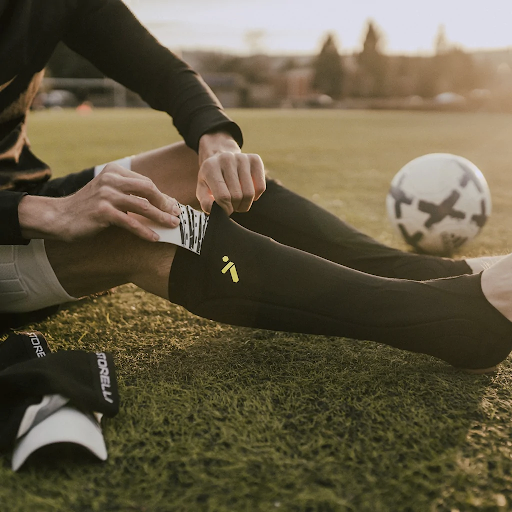
Choosing Breathable Socks
Pick socks made from breathable materials like cotton or moisture-wicking fabric. Thick, tight socks trap sweat and heat. This makes your skin more prone to rash. Socks that let air flow reduce sweat and keep your legs cool. They add an extra layer of protection under your shin guards.
Credit: storelli.com
Frequently Asked Questions
What Causes Shin Guard Rash During Sports?
Shin guard rash is caused by friction and moisture buildup. Tight or poorly fitted guards increase skin irritation. Sweat and dirt trapped under the guards worsen the rash. Proper hygiene and well-fitted shin guards help prevent this issue effectively.
How Can I Prevent Shin Guard Rash Effectively?
To prevent shin guard rash, wear moisture-wicking socks and clean guards regularly. Ensure the guards fit well and avoid excessive tightness. Applying anti-chafing cream or protective padding can reduce friction. Keep your skin dry and clean after each use.
Are There Specific Materials That Reduce Shin Guard Rash?
Yes, shin guards made from breathable materials reduce sweat and irritation. Look for guards with ventilation and moisture-wicking liners. Soft foam padding also minimizes skin friction. Choosing quality materials helps maintain comfort and prevent rash during play.
Can Improper Shin Guard Fit Cause Skin Rashes?
Absolutely, improper fit causes rubbing and pressure points, leading to rash. Guards that are too tight or loose move excessively and irritate skin. Always choose shin guards matching your leg size for secure, comfortable wear. Proper fit is crucial to avoid skin problems.
Conclusion
Preventing shin guard rash takes simple steps anyone can follow. Wear soft, clean socks to reduce friction. Choose shin guards that fit well and offer good padding. Clean your skin and gear regularly to avoid irritation. Take breaks if your skin feels sore or itchy.
These small habits keep your legs comfortable during play. Enjoy your sport without the pain of rash. Stay consistent, and your skin will thank you.
