

Oversize Shirt Size Guide: Find Your Perfect Fit Every Time
Oversize Shirt Size: Complete Guide To Fit, Style, And Selection
Oversize shirts have changed the way people think about fashion and comfort. Once seen only in streetwear or relaxed weekend looks, these roomy shirts now appear everywhere—from high fashion runways to casual office settings. The appeal is simple: oversize shirts offer freedom of movement, a cool look, and a style that fits almost everyone.
But there is one big challenge for most people: getting the right oversize shirt size. Many shoppers, especially non-native English speakers, get confused by sizing labels, international size differences, and the real meaning of “oversize.” An oversize shirt is not just a regular shirt in a bigger size. It is designed differently from the start, with a special cut and extra fabric. Choosing the wrong size can make you look sloppy or make you feel uncomfortable.
This guide explains everything about oversize shirt sizing. You’ll learn how sizing works, what measurements matter, and how to pick the best fit for your body and style. By the end, you’ll feel confident buying or wearing oversize shirts—whether shopping online or in a store.
What Makes A Shirt "oversize"?
First, let's clear up what "oversize" really means. A regular shirt is cut to fit closely to your body’s shape. The shoulder seams, sleeves, and chest follow your natural lines.
An oversize shirt is different in three main ways:
- Extra fabric: The body and sleeves are wider and longer.
- Dropped shoulders: The shoulder seam sits lower, often halfway down your upper arm.
- Straight cut: The shirt hangs straight, instead of tapering at the waist.
Oversize doesn’t simply mean “big. ” True oversize shirts are made to look relaxed, not baggy or messy. Designers plan the extra space so the shirt keeps its shape.
Why Choose Oversize?
People love oversize shirts for several reasons:
- Comfort: More space means you can move easily.
- Style: Oversize looks modern, casual, and confident.
- Versatility: You can wear them as tops, jackets, or even dresses for some styles.
But to enjoy these benefits, you must choose the right oversize size—not too big and not too small.
How Oversize Shirt Sizing Works
Sizing for oversize shirts can be confusing, especially when you shop online or look at international brands. There are some key differences between oversize sizing and regular shirt sizing.
Standard Vs. Oversize Sizing
With a regular shirt, you pick your usual size: S, M, L, XL, and so on. The shirt is meant to fit your body type.
With an oversize shirt, the size labels might be the same, but the actual shirt is much larger for each label. For example, a "Medium" oversize shirt is bigger than a "Medium" regular shirt. Some brands even use special oversize sizes (like “OS” or “One Size”).
Example:
If your chest is 100 cm:
- A regular Medium shirt might have a chest width of 104 cm.
- An oversize Medium shirt might have a chest width of 116 cm or more.
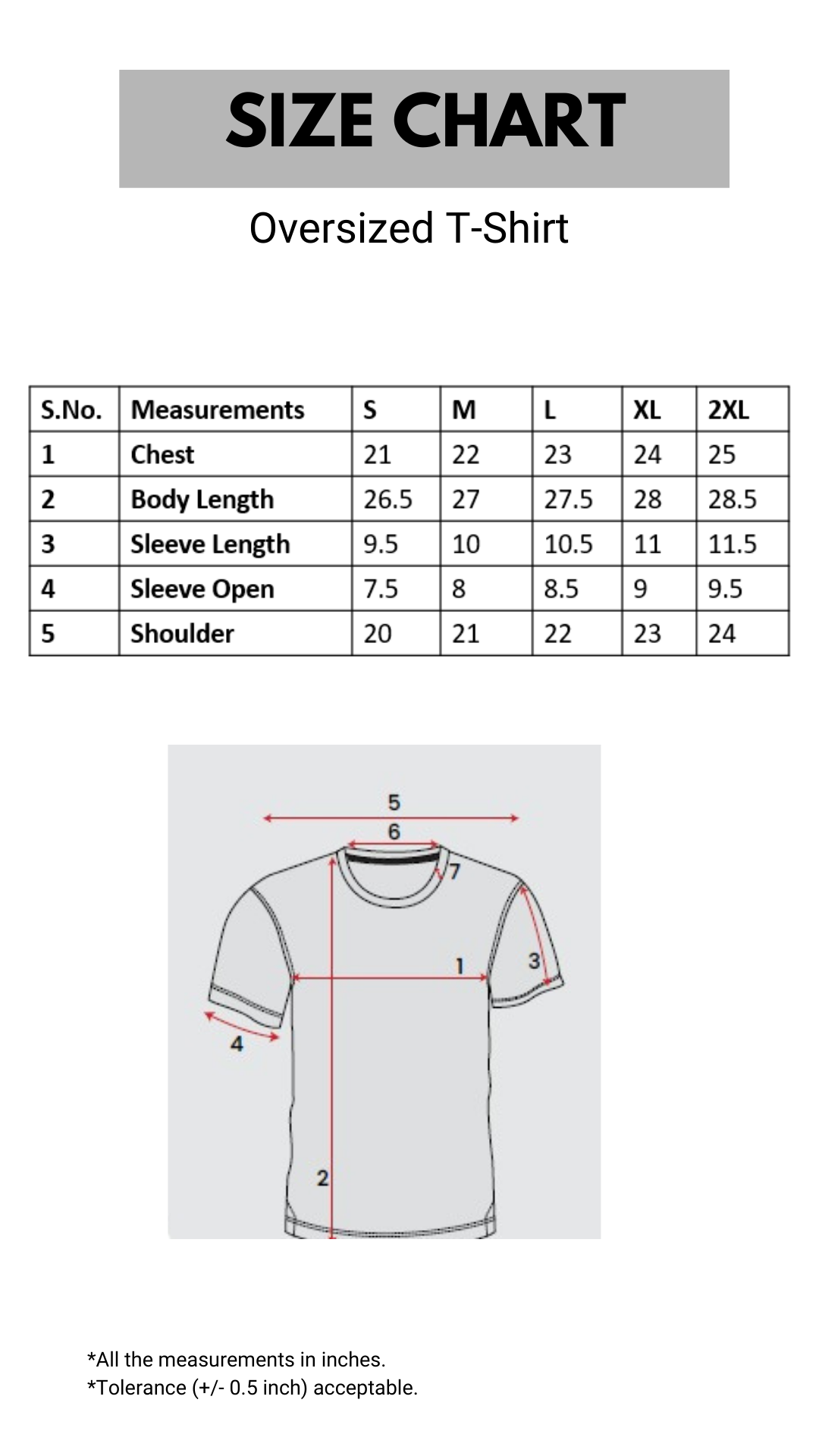
Key Measurements For Oversize Shirts
When looking at oversize shirts, focus on these measurements:
- Chest width: The space across the front of the shirt, under the arms.
- Shoulder width: From one shoulder seam to the other.
- Sleeve length: From the shoulder seam to the end of the sleeve.
- Shirt length: From the top of the collar to the bottom hem.
Getting these numbers right is more important than just following the size label.
International Size Differences
Size labels change between countries. A “Large” in the US is not always a “Large” in Asia or Europe. For oversize shirts, this can make things even more confusing.
Here’s a comparison to help:
| Region | Standard M | Oversize M (approx.) |
|---|---|---|
| US | 38-40 in / 96-101 cm | 44-46 in / 112-117 cm |
| EU | 48-50 | 54-56 |
| Asia | 100-105 | 110-115 |
Always check the sizing chart and measure yourself before buying.
How To Measure Yourself For Oversize Shirts
Many people guess their size and end up disappointed. The best way is to measure your body and compare it to the shirt’s sizing chart.
Step-by-step: Measuring For Oversize Shirts
- Chest: Wrap a measuring tape around the widest part of your chest. Keep it level and comfortable.
- Shoulders: Measure from one shoulder bone to the other, straight across your back.
- Sleeve: Start at the middle of your back neck, go over your shoulder, and down your arm to the wrist.
- Shirt length: Measure from the top of your shoulder (near the neck) down to where you want the shirt to end.
Write down these numbers. When shopping, compare them to the brand’s size chart for oversize fit.
Common Sizing Mistakes
- Only using your regular size: Oversize shirts are cut differently. Your usual size may look too big or too small.
- Ignoring measurements: Always check the brand’s measurements. Sizes change between brands and countries.
- Not thinking about style: Oversize can be “slightly loose” or “very baggy.” Decide how you want to look.
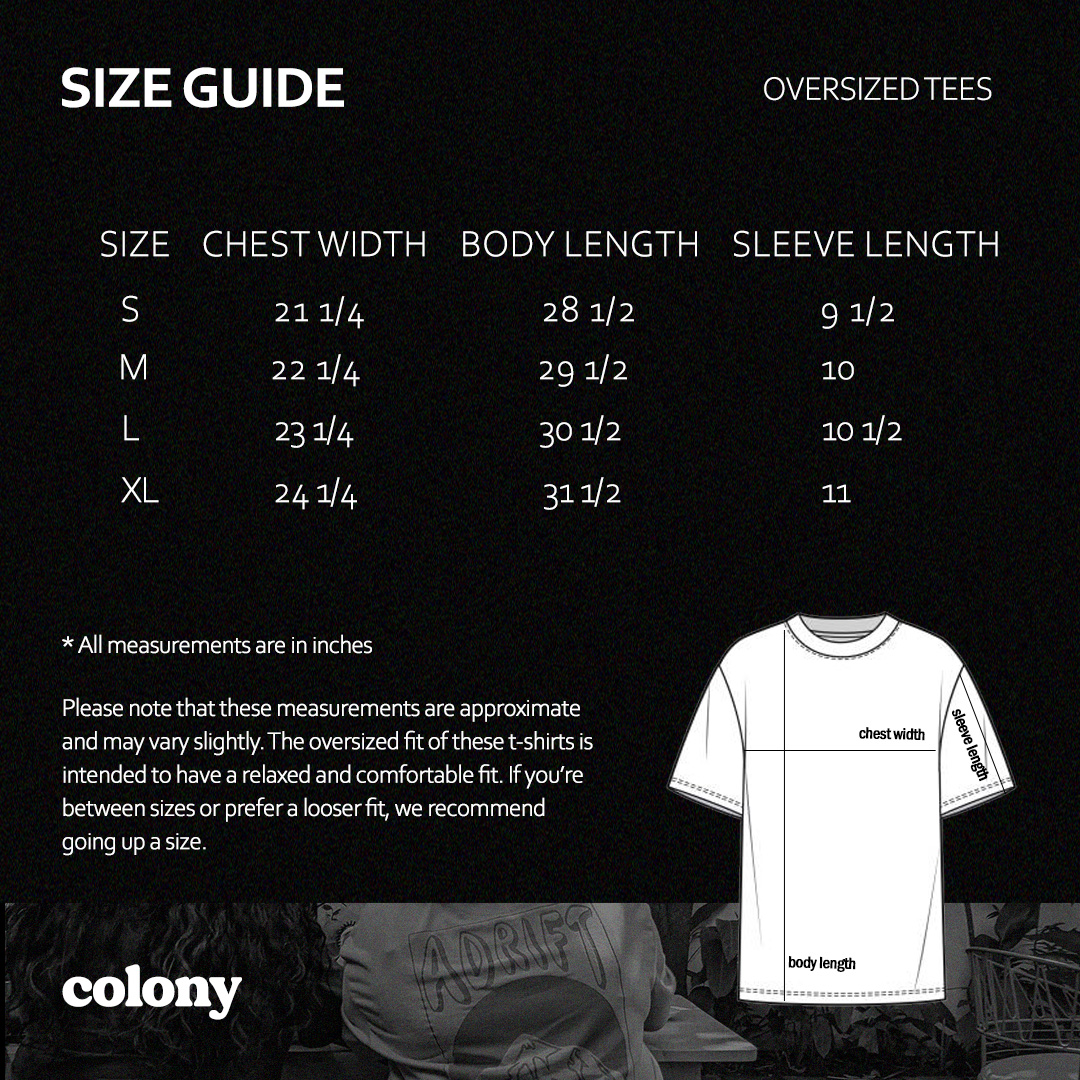
Oversize Shirt Size Chart Examples
Brands use different size charts. Here’s a sample oversize shirt size chart for reference:
| Size | Chest (cm) | Shoulder (cm) | Sleeve (cm) | Length (cm) |
|---|---|---|---|---|
| S | 116 | 56 | 58 | 75 |
| M | 120 | 58 | 60 | 77 |
| L | 124 | 60 | 62 | 79 |
| XL | 128 | 62 | 64 | 81 |
Before buying, check if the brand offers a similar chart. Some brands also provide body measurements and recommended fits.
How To Choose The Right Oversize Shirt Size For Your Body Type
Oversize shirts look best when you match the fit to your body shape and height. Here’s how to pick:
For Petite Or Short People
- Go for “relaxed” or “slightly oversize” styles.
- Avoid shirts that are too long, as they can make you look shorter.
- Consider rolling up sleeves or tucking in the shirt for balance.
For Tall Or Large People
- You can wear more dramatic, very oversize shirts.
- Make sure the sleeves and body are long enough—oversize does not mean “too short.”
- Layering with other pieces can add style and shape.
For Slim Or Athletic Bodies
- Oversize shirts can add volume and style.
- Choose a size that feels roomy but does not swallow your frame.
- Look for dropped shoulders and wide sleeves for the best oversize effect.
For Curvy Or Plus-size Bodies
- Oversize shirts are very flattering if you choose the right length.
- Avoid shirts that are much wider than your shoulders, as they may look boxy.
- Try belting the shirt or tucking in one side for shape.
Styling Tips For Oversize Shirts
An oversize shirt is more than just a piece of clothing—it’s a style tool. Here are some ways to wear them:
- Tucked in: Tuck the front or one side into your pants or skirt for shape.
- Layered: Wear over a T-shirt, turtleneck, or dress. Works well as a lightweight jacket.
- With slim bottoms: Pair with skinny jeans, leggings, or fitted skirts for balance.
- Belted: Add a belt at the waist for a trendy look.
- As a dress: If the shirt is long, wear it alone with boots or sneakers.
Practical Styling Example
If you have a white oversize shirt:
- Wear it over a black T-shirt and blue jeans for a classic look.
- Tuck the front into high-waisted trousers for work.
- Add a wide belt and wear as a dress for a night out.
Oversize shirts are also good for travel, as you can layer easily and adjust to different weather.
When To Size Up Or Down In Oversize Shirts
Sometimes, you may want to go a size up or down, depending on your style and comfort.
When To Size Up
- You want a very loose, “boyfriend” or dramatic look.
- You want to wear the shirt as a dress.
- The shirt is made of stiff fabric and you want more movement.
When To Size Down
- You want just a “relaxed” fit, not too baggy.
- You are shorter and don’t want the shirt to look too long.
- The shirt already has an extreme oversize cut.
If you’re not sure, try the shirt in person, or order two sizes and return the one that doesn’t fit.
Oversize Shirt Size For Men Vs. Women
Oversize shirts are worn by all genders, but there are some differences in fit and sizing between men’s and women’s options.
Men’s Oversize Shirts
- Usually cut straight from the chest down.
- Shoulders are broader.
- Sleeves may be longer.
- Best for a boxy, relaxed look.
Women’s Oversize Shirts
- Sometimes have a bit of shaping at the waist.
- Shoulders are a little narrower.
- Can be longer, for dress-like looks.
- Often softer fabrics for drape.
However, many oversize shirts are “unisex. ” If you like the fit, don’t worry about the gender label.
Fabric And Oversize Fit
The material of the shirt changes the way it looks and feels. Some fabrics drape and move, while others are stiff.
- Cotton: Classic, holds shape, easy to wash. Good for crisp, structured looks.
- Linen: Light and breathable, often more relaxed.
- Polyester blends: Wrinkle-resistant, sometimes less breathable.
- Silk or satin: Soft, drapes well, more dressy.
A stiff fabric makes the shirt look bigger, while a soft fabric hugs the body more. Think about this when picking your size.
Caring For Oversize Shirts
Oversize shirts need the same care as other shirts, but a few tips help them last longer and look good:
- Wash in cold water to avoid shrinking.
- Hang or lay flat to dry, especially for large shirts.
- Iron or steam for a crisp look, or wear wrinkled for a casual style.
- Store on wide hangers to keep shoulder shape.
Shopping Tips For Buying The Right Oversize Shirt Size
- Check reviews: Other buyers often mention if the shirt runs large or small.
- Look for model info: Many sites list the model’s height, size, and the shirt size they wear.
- Compare measurements: Don’t trust size labels—use your tape measure.
- Try before you buy: If possible, try on in-store or order from shops with easy returns.
- Read return policies: Oversize fits are personal, so choose shops that allow easy exchanges.
- Start with basics: If you’re new to oversize, begin with a classic white or blue shirt for easy styling.
Non-obvious Insights: What Most Beginners Miss
- Proportion is key: Oversize does not mean “all parts are huge.” Good oversize shirts balance wide bodies with proper sleeve and shirt lengths. Too-long sleeves make you look like the shirt is borrowed, not styled.
- Fabric weight matters: Heavier fabrics (like denim) feel much bigger on the body. A heavy oversize shirt in your normal size can look huge, while a lightweight fabric in the same cut will drape better.
- Collar size affects the look: Large collars add to the oversize effect, but can overwhelm small faces. Try different collar styles to find your favorite.
- Layering changes fit: Wearing an oversize shirt over a hoodie or sweater? You may need to size up, especially if the shirt fabric is not stretchy.
Common Mistakes When Choosing Oversize Shirt Size
- Assuming “oversize” is one-size-fits-all: Brands have different ideas of what “oversize” means. Always check measurements.
- Ignoring shoulder fit: The dropped shoulder seam should still sit comfortably, not halfway down your arm unless that is the look you want.
- Overlooking sleeve length: Extra-long sleeves can get in the way. Roll them up or have them altered.
- Forgetting about style goals: Are you going for a relaxed look or a bold fashion statement? Pick size based on the look you want, not just measurements.
When “one Size” Means Oversize
Some brands sell oversize shirts labeled “One Size. ” This does not mean the shirt fits everyone the same way. For small frames, it may look extra baggy; for larger frames, it may fit just right.
Tip: Check the measurements even for “One Size” items. If the chest width is 140 cm, measure your chest and see how much space you’ll have.

Credit: nothingssomething.com
Oversize Shirt Size For Kids And Teens
Oversize shirts are popular with young people, but sizing is different for growing bodies.
- For kids, look for “relaxed fit” or “loose fit” shirts. True oversize shirts may be too big for daily play.
- Teens often like extra-baggy styles, but make sure the shirt does not limit movement or safety.
- For school or sports, check dress codes. Some schools do not allow very loose shirts.
Sustainability And Oversize Shirts
Many people keep oversize shirts for years because the fit stays comfortable even if your body changes. This makes oversize shirts more sustainable than close-fitting clothes.
- High-quality fabric lasts longer, even with frequent washing.
- Neutral colors and classic designs make the shirt easier to re-style over time.
- Oversize shirts are easy to donate or share with friends, as they fit more body types.
Credit: thechullars.in
How To Adjust Oversize Shirts For A Better Fit
If your oversize shirt is a bit too big, you can still wear it with style.
- Tailor the shirt: A simple adjustment at the tailor can shorten sleeves or the length.
- DIY tricks: Tie the shirt at the waist, roll up sleeves, or use clips at the back for shape.
- Layering: Wear under fitted jackets or sweaters for a balanced look.
Top Brands For Oversize Shirts And Their Sizing Approach
Brands around the world offer oversize shirts, but their sizing can differ:
- Uniqlo: Known for practical, slightly oversize shirts with clear size charts.
- Zara: Offers both unisex and gendered oversize styles. Size up for very loose fits.
- COS: Minimalist, dramatic oversize cuts with straight lines.
- ASOS: Wide range, including “super oversize” styles.
- H&M: Affordable, relaxed fits. Check for each collection’s size chart.
- Everlane: Quality basics, often with relaxed but not extreme oversize sizing.
- Balenciaga: High fashion, dramatic oversize looks, often much bigger than standard.
Each brand has its own sizing system, so always check charts and reviews.
Sizing For Oversize Shirts In Different Cultures
In some places, oversize is a classic style (like in Japan or South Korea). In others, it may be newer or linked to specific trends.
- East Asia: Oversize is very popular, often with softer fabrics and softer colors.
- Europe: More structured, with bold shapes and heavier fabrics.
- North America: Mix of streetwear and classic looks, variety of fits.
Cultural ideas of “oversize” affect sizing, so global brands may offer different cuts for different markets.
Comparing Oversize Vs. Regular Shirt Sizes
Here is a side-by-side comparison to help you see the difference between oversize and regular shirt measurements:
| Fit | Chest Width (cm) | Shoulder Width (cm) | Length (cm) |
|---|---|---|---|
| Regular S | 100 | 44 | 70 |
| Oversize S | 116 | 56 | 75 |
| Regular M | 104 | 46 | 72 |
| Oversize M | 120 | 58 | 77 |
| Regular L | 108 | 48 | 74 |
| Oversize L | 124 | 60 | 79 |
This shows why buying your “usual” size in oversize may be too big if you don’t check measurements.
Credit: wearcolony.com
Sizing For Special Occasions Or Work
Oversize shirts can work for many events, but the right size is important.
- Formal: Choose a slightly oversize fit, tuck in, and pair with fitted pants.
- Business casual: Go for clean, simple colors and a structured oversize shirt.
- Casual: Loose, flowy, and relaxed styles are perfect.
If you’re unsure, start with a “relaxed” oversize shirt and adjust from there.
How To Read An Oversize Shirt Product Page
When shopping online, product pages often show:
- Size chart: With measurements for each size.
- Fit description: “Oversize,” “relaxed,” “loose,” or “regular.”
- Model details: Height, shirt size, and sometimes body measurements.
Read all information. If the page is missing details, check customer reviews or contact the brand.
The Future Of Oversize Shirt Sizing
With more people shopping online and across borders, brands are starting to offer more detailed sizing information. Some use 3D models or virtual try-ons. Others provide “fit finders” that suggest the best size based on your measurements.
For now, the best way to get your perfect oversize shirt size is to measure yourself, check the sizing chart, and read reviews. Always choose the fit that makes you feel confident and comfortable.
Frequently Asked Questions
What Is The Difference Between Oversize And Loose Fit?
Oversize means the shirt is designed with much more room than a regular fit, often with dropped shoulders and extra fabric everywhere. Loose fit is less dramatic, with only a little extra space for comfort, and usually keeps the usual shoulder placement.
Can I Wear An Oversize Shirt For Formal Occasions?
Yes, you can. Choose an oversize shirt with a clean, structured look. Tuck it in and pair with tailored pants. Avoid shirts that are extremely baggy or casual in fabric. Simple colors like white or blue work best.
How Do I Know If An Oversize Shirt Is Too Big For Me?
If the shoulder seam sits far down your upper arm, the sleeves are covering your hands, or the shirt is much longer than your hips, it may be too big. You should still feel comfortable and be able to move easily.
Are Oversize Shirts Suitable For All Body Types?
Yes. Oversize shirts can work for all body types if you choose the right cut and length. Petite people should avoid shirts that are too long. Curvy people can try belting or tucking in the shirt for shape.
Where Can I Find Reliable Oversize Shirt Size Charts?
Look for size charts on the brand’s official website. Some trusted retailers and fashion sites, like ASOS, offer helpful guides with measurements in both centimeters and inches.
Oversize shirts are all about comfort, style, and self-expression. Once you understand oversize shirt sizing, you can build a wardrobe that looks good and feels great every day. Remember: measure, compare, and choose what makes you feel confident.
