

Offensive Tshirt Designs: Bold Statements That Turn Heads
Offensive T-shirt: Impact, Controversy, And What You Need To Know
T-shirts often speak louder than words. A simple shirt with a few printed words or images can make someone laugh, spark a conversation, or even cause outrage. One type stands out for its power to provoke strong feelings—the offensive T-shirt. Some see these shirts as jokes or bold statements. Others see them as disrespectful or even harmful. Why do people wear offensive T-shirts? What makes a T-shirt offensive? How should society handle these shirts, and what are the legal or ethical lines?
This article explores the world of offensive T-shirts in detail. We’ll look at what makes a design offensive, the reasons people choose to wear them, the controversies they create, and the effects they have on individuals and society. You’ll also learn about the rules for selling and buying these shirts, and how brands, stores, and online platforms respond.
If you’ve ever wondered why a T-shirt can cause such a fuss, or if you’re thinking about buying or designing one, this guide will give you a clear and complete picture.
What Makes A T-shirt Offensive?
A T-shirt can be offensive for many reasons. Sometimes, it’s the words. Sometimes, it’s the images or symbols. For a shirt to be seen as offensive, it usually breaks a social rule or shows disrespect for a group, idea, or event. Here are a few common reasons:
- Vulgar language: Shirts with curse words or crude language often upset people, especially in public or family places.
- Hate speech or discrimination: T-shirts that target race, religion, gender, or sexuality cross a line for most people. These shirts often use slurs or negative stereotypes.
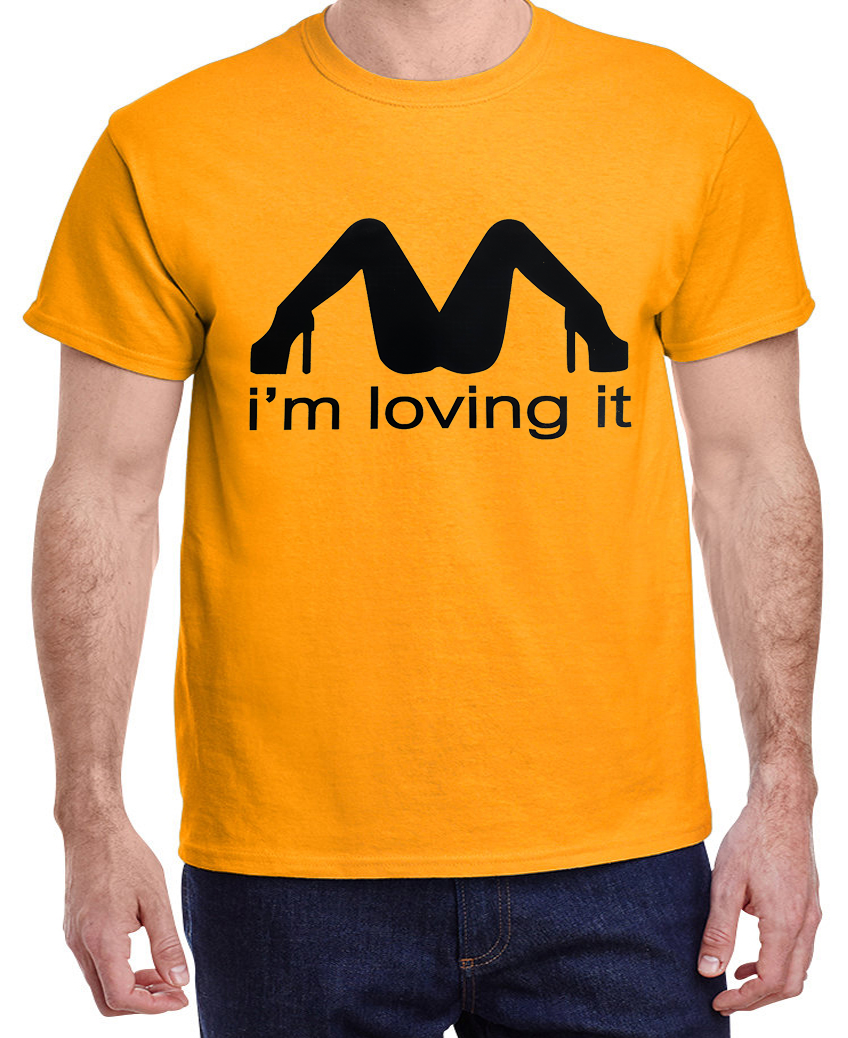
- Sexual content: Some shirts show or suggest sexual acts or body parts. These can embarrass or offend others, especially in public.
- Violence or threats: Images or words that suggest harm, death, or violence are usually considered unacceptable.
- Political or religious insults: A shirt mocking a political figure, religion, or belief system can quickly become a source of conflict.
- Insensitive jokes: Humor about tragedies, disabilities, or sensitive topics can hurt people, even if the wearer meant it as a joke.
- Cultural appropriation: Using sacred or meaningful symbols from another culture in a mocking or casual way can offend people from that culture.
What is offensive can change from place to place and from one group to another. A shirt that’s okay in one country or community may be shocking in another.
Why People Wear Offensive T-shirts
Understanding why someone would choose an offensive T-shirt can be confusing. Here are the main reasons:
- To get attention: Some people enjoy being noticed. Wearing something shocking is a fast way to stand out in a crowd.
- To make a statement: T-shirts are a way to share opinions, even if those opinions are harsh or unpopular.
- As a joke: Many see these shirts as funny, even if others don’t. They may enjoy pushing boundaries.
- Rebellion: Young people, in particular, might wear offensive shirts as a way to rebel against authority or tradition.
- Group identity: In some groups, sharing the same sense of humor or attitude (even if offensive) can bring people together.
- Ignorance: Sometimes, people don’t realize a shirt is offensive. They may not understand the language or the symbol.
It’s important to remember that intent does not always match impact. What feels like a joke to one person can feel like an attack to another.
Credit: www.ebay.com
Examples Of Offensive T-shirts
Over the years, many T-shirts have caused public debates or even legal trouble. Here are some real-world examples (without naming specific brands):
- Racist slogans: Shirts that use racial slurs or jokes about a race or ethnicity.
- Sexist messages: T-shirts that mock women or men, or promote harmful gender stereotypes.
- Violent images: Graphics showing weapons, blood, or threats of harm.
- Insensitive event jokes: Shirts making fun of natural disasters, accidents, or tragic historical events.
- Political insults: Outfits with extreme opinions or attacks on political figures.
- Profanity: Simply displaying curse words in large, bold letters.
- Body shaming: T-shirts that mock people’s size, disability, or appearance.
- Cultural or religious symbols used wrongly: Sacred symbols used in a disrespectful or silly way.
- Sexually explicit graphics or language: T-shirts that leave little to the imagination.
- Drug glorification: Messages or images promoting illegal drug use.
Some T-shirts become infamous for how far they go. News stories about such shirts often lead to quick bans or removals from stores.
Social Impact Of Offensive T-shirts
Wearing an offensive T-shirt can have effects beyond just the wearer. Here are some ways these shirts affect society:
Promoting Negative Stereotypes
A shirt with a racist or sexist joke can help spread false ideas. Even if meant as humor, these shirts can reinforce negative stereotypes and give others permission to repeat them.
Creating Hostile Environments
If someone wears a shirt mocking a group or event, it can make others feel unsafe or unwelcome. In schools or workplaces, this can lead to tension or even official complaints.
Sparking Conflict
Offensive T-shirts often lead to arguments or even fights. People may feel personally attacked by a message or symbol, leading to angry reactions.
Free Speech Debates
Some see the right to wear any shirt as part of freedom of speech. Others believe there should be limits, especially when speech causes harm. This debate is ongoing in many countries.
Raising Awareness
There is a flip side. Sometimes, offensive shirts are used to draw attention to real problems, like injustice or censorship. This is rare but possible.

Credit: www.ebay.com
Legal And Ethical Issues
Can you wear any T-shirt you want? The answer depends on where you are and what the shirt says.
Laws On Offensive Clothing
Most countries have some rules about what you can wear in public. For example:
- No hate speech: Many places ban speech that incites violence or targets protected groups.
- Obscenity laws: Public nudity or sexual images may be illegal on clothing.
- School and work dress codes: Schools and employers can often set their own rules about clothing.
In some countries, wearing certain symbols or slogans is a crime. In others, almost anything goes.
Free Speech Vs. Harm
The biggest ethical question is: Where is the line between free speech and harm? T-shirts are often at the center of this debate. Courts must balance the right to express an opinion with the right of others to feel safe and respected.
Company Policies
Stores, brands, and online platforms set their own rules. Many ban offensive shirts to protect their image or meet legal standards.
Designer Responsibility
Designers and brands have a choice. They can make shirts that push limits, but they should also consider the impact. Some choose to self-censor. Others try to shock on purpose, hoping for viral attention.
The Business Of Offensive T-shirts
For some, offensive T-shirts are big business. These shirts often sell well because they stand out. Here’s a look at the business side:
Sales And Demand
Controversy sells. After a shirt makes headlines, sales can spike. Some brands use this on purpose, creating shirts they know will get attention—even if negative.
Risks For Brands
Selling offensive T-shirts can backfire. Brands risk:
- Losing customers who are offended or boycott the store.
- Bad press if the shirt goes viral for the wrong reasons.
- Legal trouble if the shirt breaks laws or regulations.
- Losing partnerships with other businesses or suppliers.
The Online Marketplace
Online stores like Amazon, eBay, and Etsy often struggle with offensive shirts. They must balance free speech with their own rules. Many use automated systems to detect bad words or images, but these systems are not perfect.
Example Of Platform Policies
Here’s a comparison of three major online platforms and their rules for offensive T-shirts:
| Platform | Policy on Offensive Content | Enforcement Method |
|---|---|---|
| Amazon | Prohibits hate speech, violence, and sexually explicit content | Automated filters + user reports |
| eBay | Bans discriminatory or threatening messages | User reporting, periodic reviews |
| Etsy | Does not allow items that promote hate or violence | User reporting, content moderation teams |
Despite these rules, offensive shirts can still be found, especially on smaller or less regulated sites.
How To Recognize An Offensive T-shirt
Not sure if a shirt is offensive? Here are some tips:
- Check the message: Does it use slurs, curse words, or stereotypes?
- Look at the images: Are there symbols or pictures that might be seen as disrespectful?
- Think about context: Is the shirt mocking a group, tragedy, or event?
- Ask others: If you’re unsure, get a second opinion—especially from someone who might be affected.
- Imagine public reaction: Would you feel comfortable wearing it to a family event, school, or work?
A common mistake is assuming everyone shares your sense of humor or views. What seems funny to you may deeply hurt someone else.
Buying And Selling Offensive T-shirts: What To Know
If you’re thinking of buying or selling an offensive T-shirt, there are important things to consider.
For Buyers
- Know the risks: Wearing an offensive shirt can lead to public confrontation, being asked to leave a place, or even legal trouble.
- Check local laws: Some slogans or images are banned in certain countries.
- Think about your audience: Wearing a shirt on the street is different than at a private party.
- Be ready for reactions: Some people may laugh, but others may challenge or confront you.
For Sellers
- Know platform policies: Each online store or print-on-demand service has its own rules.
- Understand your market: A shirt that sells in one country may be illegal or deeply offensive in another.
- Prepare for backlash: Controversial products can attract negative attention online and offline.
- Protect your brand: One bad product can damage your reputation for years.
Here’s a simple table comparing the risks and rewards of selling offensive T-shirts:
| Aspect | Potential Rewards | Possible Risks |
|---|---|---|
| Sales boost | Quick sales from controversy | Long-term brand damage |
| Publicity | Viral attention, media coverage | Negative press, boycotts |
| Customer loyalty | Appeal to a specific audience | Loss of mainstream customers |
| Legal issues | None | Fines, lawsuits, bans |

Credit: www.amazon.com
How To Respond To Offensive T-shirts
If you see someone wearing a shirt you find offensive, what should you do? There is no single answer, but here are some options:
- Say nothing: Sometimes, ignoring the shirt is best, especially if you feel unsafe.
- Speak up politely: If you feel comfortable, you can explain why the shirt bothers you.
- Report it: In schools, workplaces, or stores, you can often report offensive clothing to a manager or authority.
- Educate: If you know the person and think they don’t understand the impact, a gentle conversation can help.
- Support those affected: If someone else is hurt by the message, show your support.
One non-obvious insight: confronting someone aggressively rarely leads to understanding. Calm, respectful conversation is more likely to make a difference.
The Role Of Humor And Satire
Many offensive T-shirts use humor. But not all jokes are harmless. Here’s what makes the difference:
- Punching up vs. punching down: Humor that mocks those in power is often seen as satire. Jokes at the expense of weaker or marginalized groups are more likely to offend.
- Context matters: A joke that works in a comedy club may not be okay in public or at work.
- Intent vs. effect: Even if the goal is humor, the result can still be hurtful.
Some comedians and artists use T-shirts to challenge taboos or start conversations. But humor is risky—what is funny to one person may be cruel to another.
Famous Controversies Involving Offensive T-shirts
A few cases show how much impact a single T-shirt can have:
- A major clothing brand released a shirt with a slogan seen as anti-religious. After public protests, the shirt was pulled from stores.
- A celebrity wore a T-shirt mocking a tragic event, sparking outrage online and a public apology.
- A school banned a student’s shirt with a political message, leading to a legal battle over free speech.
- Online stores were found selling shirts with hate speech, leading to widespread boycotts and changes in store policies.
These cases show that offensive T-shirts are not just a fashion issue—they can become national news.
How To Design T-shirts Without Being Offensive
If you want to create bold or funny T-shirts, you can do so without crossing the line. Here are some tips:
- Test your idea: Share your design with people from different backgrounds. Listen to their feedback.
- Avoid slurs and hate speech: There are ways to be edgy without using harmful language.
- Be smart with humor: Focus on clever or absurd jokes, not jokes about tragedy or vulnerable groups.
- Respect cultures and beliefs: Avoid using sacred or meaningful symbols unless you understand and respect their meaning.
- Think about impact: Ask yourself who might be hurt by your design, even if you don’t mean harm.
A non-obvious insight: subtle, clever designs often get more attention than obvious shock value. Smart humor lasts longer and offends fewer people.
The Psychology Behind Wearing Offensive T-shirts
Why do some people enjoy wearing T-shirts that upset others? Psychologists suggest several reasons:
- Desire for individuality: Wearing something shocking sets a person apart from the crowd.
- Testing social limits: Some people enjoy seeing how far they can go before facing pushback.
- Group belonging: Wearing an offensive shirt can signal loyalty to a group with similar views.
- Lack of empathy: Sometimes, people don’t consider how their choices affect others.
- Desensitization: After seeing a lot of shocking content online, some people stop noticing what is offensive.
It’s important to note that not everyone who wears such a shirt wants to hurt others. But the effect can be the same, whether intended o
