

Offensive Tee Shirt Trends: Bold Styles Making a Statement
Wearing a tee shirt is a simple act for most people. But when the shirt carries a message that some find offensive, it becomes much more than just clothing. The offensive tee shirt is a topic that often sparks debate, confusion, and sometimes even strong emotions. This article explores what makes a shirt offensive, why people wear them, where the line is drawn, and what happens when someone crosses that line. If you’ve ever wondered about the world of controversial t-shirts, this guide will help you understand the history, social impact, and practical realities of these bold pieces of clothing.
What Is An Offensive Tee Shirt?
An offensive tee shirt is any t-shirt that shows words, images, or symbols that some people find rude, shocking, or inappropriate. What is considered offensive can change based on culture, country, age, and personal values. For example, a joke that is funny to one person may be hurtful to another.
Some common types of offensive shirts include:
- Shirts with rude language or swear words
- Images that show violence or hate
- Designs that make fun of a group of people
- Slogans that touch on taboo topics, like religion or politics
It is important to remember that what is offensive in one place may not be in another. For example, a shirt with a certain symbol might be normal in one country but banned in another.
A Short History Of Offensive Tee Shirts
The t-shirt started as simple underclothing. Over time, it became a way for people to express themselves. In the past, people wore plain shirts. Then, in the middle of the last century, designers and brands began to print words and pictures on t-shirts.
Soon, t-shirts became a canvas for art, protest, and even humor.
Shirts with bold statements appeared during social movements. Some famous bands and artists used shirts to shock or surprise. The punk rock movement, for example, used t-shirts with strong words to make a point. Sometimes, companies also use this style as a marketing tool.
They know that controversy can attract attention.
As more people could make custom shirts, it became easy for anyone to put almost any message on a tee. This led to a rise in offensive shirts—some serious, some just for laughs.
Why Do People Wear Offensive Tee Shirts?
It may seem strange to choose a shirt that could upset others. But there are several reasons why people do it:
- Rebellion: Some people want to break rules or challenge social norms.
- Humor: Others enjoy dark or edgy jokes, even if they offend.
- Attention: Wearing a shocking shirt can make someone stand out in a crowd.
- Protest: Activists may use strong words or images to make a point.
- Ignorance: Sometimes, a person does not realize the shirt is offensive.
It is also possible that some people do not care how others feel. For them, the shirt is just a joke or a way to express themselves.
Common Themes Found On Offensive Tee Shirts
Offensive shirts can carry many types of messages. Here are a few common themes:
1. Swear Words And Vulgar Language
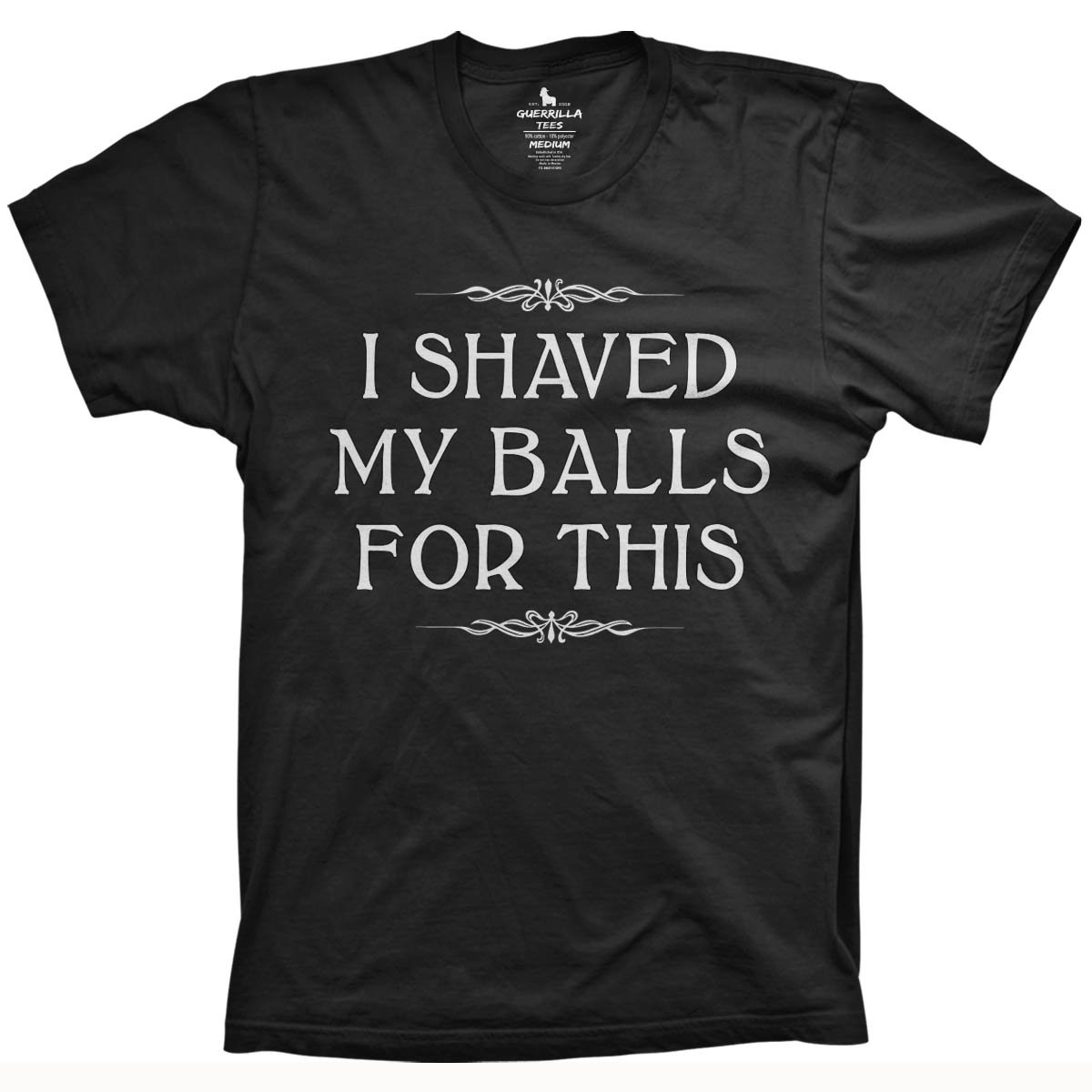
Some t-shirts display curse words or insults. These shirts are banned in many schools and workplaces.
2. Racist Or Sexist Messages
A shirt might use jokes or images that make fun of a race, gender, or group. These are usually seen as very offensive and can lead to serious problems.
3. Political Or Religious Statements
Some shirts attack or mock political leaders, parties, or religions. These messages can be especially sensitive and may cause anger.
4. Violent Or Shocking Images
Images of weapons, fighting, or cruel acts can be disturbing. Sometimes, these are used to make a point, but they are often just meant to shock.
5. Sexual Content
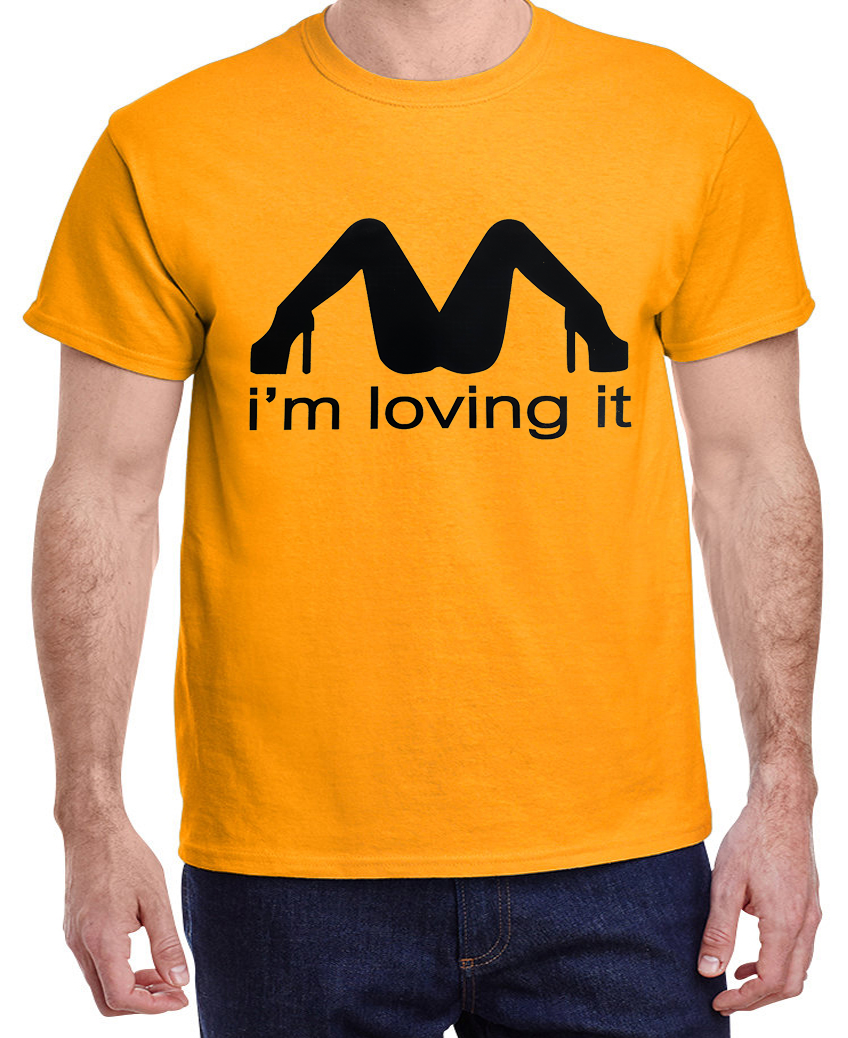
Shirts with sexual jokes, images, or double meanings often cross the line, especially in public places.
6. Dark Or Offensive Humor
Some people enjoy humor that is about serious or painful topics. While it may seem funny to some, it can hurt others.
The Role Of Context
A key thing to remember is that context matters. The same shirt can be fine in one setting and unacceptable in another.
For example:
- Wearing a shirt with a joke about drinking might be okay at a party but not at a school event.
- A political shirt at a protest may be accepted, but not in a workplace.
The people around you, the place, and the event all affect how a shirt is seen.
Laws And Rules About Offensive Tee Shirts
Laws about what you can wear are different in each country. In some places, freedom of speech is protected. This means you can wear almost any shirt, even if others do not like it. In other places, there are strict rules.
School And Work Policies
Many schools and companies have dress codes. These rules often ban shirts with rude language, drugs, or hate speech. Breaking these rules can lead to being sent home, suspended, or even fired.
Public Decency Laws
Some countries or cities have laws against public indecency. This can include shirts with sexual images, hate symbols, or anything that can cause public outrage.
Hate Speech And Incitement
Shirts that show hate or promote violence can sometimes be illegal. For example, wearing a shirt with a banned symbol or a call to violence can result in arrest in some countries.
Credit: www.ebay.com
Examples Of Real-life Controversies
There have been many news stories about offensive t-shirts. Here are some examples to show how serious the topic can be:
- A student was suspended for wearing a shirt with a political slogan seen as hate speech.
- A sports fan was not allowed into a stadium because his shirt had a racist image.
- A company faced a public backlash after selling shirts with jokes about a disaster.
These examples show that wearing the wrong shirt can have real consequences.
How Offensive Tee Shirts Affect Society
Offensive shirts are not just about one person’s taste. They can affect others in many ways:
- Hurt feelings: People from the targeted group may feel sad, angry, or unsafe.
- Promote stereotypes: Jokes or images can reinforce negative ideas about a group.
- Lead to arguments: People may fight or argue when they see a shirt they do not like.
- Raise awareness: Sometimes, a shocking shirt can start a conversation about important issues.
The impact depends on the message, the place, and the people involved.

Credit: www.ebay.com
The Debate: Free Speech Vs. Social Responsibility
One of the biggest questions is: Should people be free to wear what they want, even if it offends others? This is a debate between free speech and social responsibility.
Supporters of free speech say:
- People have the right to express themselves.
- Offense is subjective—what offends one person may not offend another.
- Banning shirts is a slippery slope to less freedom.
People who support social responsibility say:
- Words and images can hurt people or make them feel unsafe.
- Some messages can encourage hate or violence.
- There should be limits to protect others.
There is no simple answer. The line is different in each country and community.
How To Respond If You See An Offensive Tee Shirt
If you see someone wearing a shirt you find offensive, you have several options:
- Ignore it: Sometimes, the best thing is to walk away.
- Speak up: If it is safe, you can politely say why you find it offensive.
- Report it: In schools, workplaces, or public events, there may be rules or ways to report it.
- Start a conversation: Ask the person why they chose the shirt. Sometimes, they may not realize its impact.
It is important to stay calm. Getting angry often makes the situation worse.
Are All Offensive Tee Shirts Bad?
Not every shirt that offends is bad. Sometimes, a strong message is needed to raise awareness about serious issues. For example, activists fighting for human rights may use shocking shirts to get attention. The key is to think about the purpose and effect of the message.
But many shirts are just meant to shock or upset. These rarely help anyone and often create problems.
The Business Of Offensive Tee Shirts
Selling shirts with shocking messages can be big business. Some companies focus on edgy designs to attract attention. These shirts are often sold online, where rules are less strict.
Businesses must be careful, though. Selling the wrong shirt can lead to:
- Bad publicity and boycotts
- Lawsuits or fines
- Losing customers
Some companies have learned this the hard way and now check designs more carefully.
How To Decide If A Tee Shirt Is Offensive
If you are not sure if a shirt is offensive, ask yourself:
- Would I wear this shirt in front of my family?
- Would I feel comfortable if a child saw this shirt?
- Does this shirt make fun of a group or a tragedy?
- Could someone feel threatened or hurt by this message?
If you are unsure, it is often safer to choose a different shirt.
Social Media And The Spread Of Offensive Tee Shirts
The internet has made it easier for offensive shirts to reach more people. Social media can quickly make a shirt famous—or infamous. Sometimes, a photo of an offensive shirt goes viral, leading to:
- Online backlash: People may criticize or shame the person or company.
- Copycats: Others may copy the design to gain attention.
- Calls for bans: Groups may ask for rules against certain messages.
The speed of the internet means that problems can grow very fast.
Comparing Offensive Tee Shirts: Types And Risks
To help you understand the differences, here is a comparison of common types of offensive shirts and the risks they carry:
| Type of Shirt | Common Setting | Potential Risk |
|---|---|---|
| Swear Words | Parties, casual events | Banned in schools/work, may offend public |
| Political Attacks | Protests, rallies | Arguments, safety concerns in mixed groups |
| Racist/Sexist Messages | Rare, extreme settings | Legal trouble, job loss, strong backlash |
| Dark Humor | Comedy clubs, private gatherings | Misunderstood jokes, hurt feelings |
| Sexual Content | Adult parties, online images | Violation of decency laws, public outrage |
When Do Offensive Tee Shirts Cross The Line?
The “line” is not always clear. But some actions almost always cross it:
- Using hate symbols or language
- Promoting violence or illegal acts
- Making fun of disasters or tragedies
- Targeting children or vulnerable groups
If a shirt does any of these, it is likely to be banned or lead to serious trouble.
How Schools And Workplaces Handle Offensive Tee Shirts
Most schools and businesses have rules about clothing. Here is how they often handle problems:
- Warning: The person is told to change or cover the shirt.
- Removal: If they refuse, they may be sent home.
- Discipline: Repeated breaking of rules can lead to suspension or job loss.
- Education: Some places use these moments to teach about respect and diversity.
A few places allow more freedom, but they are rare.
The Role Of Designers And Brands
Some famous designers use shock on purpose. They want to start a conversation or challenge social norms. Others do not think about the impact of their designs. Smart brands test their ideas with different groups before selling a shirt.
There have been cases where a company had to apologize and remove a shirt after public complaints.
How To Talk About Offensive Tee Shirts With Others
Conversations about offensive clothing can be hard, especially if someone you know wears such shirts. Here are some tips:
- Stay calm and respectful.
- Explain how the shirt makes you or others feel.
- Give examples of problems caused by similar shirts.
- Focus on the message, not the person.
It helps to listen, too. Sometimes, people do not realize the impact of their choices.
Are There Good Alternatives To Offensive Tee Shirts?
If you want to stand out or make a statement, you do not need to offend. Here are some alternatives:
- Choose shirts with funny but safe jokes
- Wear shirts that support a cause in a positive way
- Pick bold colors or unique art without rude words
You can express yourself without hurting others.
How To Create A Shirt That Gets Attention Without Offending
If you are designing a shirt, you can be bold without crossing the line. Here is a simple guide:
| Design Element | Safe Option | Risky Option |
|---|---|---|
| Jokes | Wordplay, puns | Dark or cruel humor |
| Images | Abstract art, animals | Violence, hate symbols |
| Statements | Inspirational quotes | Insults, political attacks |
| Symbols | Peace signs, hearts | Controversial or banned icons |
Think about your audience. If your goal is to make people smile or think, you do not need to shock or upset them.
Two Common Mistakes Beginners Make
Many people who are new to designing or wearing bold shirts make simple mistakes:
- Not Researching the Message: They pick a design without checking its history or meaning. Sometimes, symbols or phrases have hidden meanings that are offensive in other cultures.
- Ignoring the Audience: They wear a shirt to a public place without thinking about the crowd—like wearing a party joke shirt to a family event.
If you avoid these mistakes, you can enjoy creative shirts without trouble.
The Future Of Offensive Tee Shirts
As society changes, ideas about what is offensive also change. What was shocking years ago may seem normal now, and new topics may become sensitive. The rise of social media means that more people can see and judge a shirt quickly.
Some experts think that rules will become stricter, especially as people demand more respect and kindness. Others believe there will always be a place for bold or risky designs.
What is clear is that every person must choose what they wear carefully, thinking about both their own freedom and the feelings of others.
Practical Tips For Dealing With Offensive Tee Shirts
If you are worried about shirts you see at work, school, or in public, here are some steps you can take:
- Check if there are dress code rules or policies.
- Talk with a supervisor or teacher if you feel uncomfortable.
- If you design shirts, ask for feedback from different groups before selling them.
- If you want to express yourself, try to do it in a way that starts conversation, not conflict.
Remember, a shirt is a small thing, but it can have a big impact.
The Role Of Education
Teaching young people about respect, diversity, and the power of words can help reduce the problems caused by offensive shirts. Schools and families can help by:
- Explaining why some messages are hurtful
- Teaching about history and culture
- Encouraging positive forms of expression
When people understand the impact of their choices, they are less likely to wear or create harmful shirts.
Not All Controversy Is Bad
Sometimes, a controversial shirt can open minds or draw attention to a real problem. For example, during social movements, bold shirts have played a role in making change. The difference is between starting a conversation and starting a fight.
If a shirt is meant to help people think or talk about real issues, it can be a tool for good. If it is just meant to shock, it rarely helps anyone.
Credit: guerrillatees.com
How To Handle Offense Online
With more shopping and sharing online, offensive shirts are everywhere. If you find a shirt on a website that you think is wrong:
- Use the website’s report or flag tool.
- Leave a comment explaining your view (politely).
- Contact the company if the shirt breaks their own rules.
Some big online shops now use filters to catch harmful designs before they are sold.
For more information about the history and debate around freedom of expression and clothing, you can read this Wikipedia article on freedom of speech.
Frequently Asked Questions
What Should I Do If Someone Wears An Offensive Tee Shirt Near Me?
Stay calm. If you feel safe, you can politely explain why you find the shirt offensive. If you are at work or school, report it to the person in charge. Sometimes, ignoring it is the best option if the shirt is not breaking any rules.
Are Offensive Tee Shirts Illegal?
In most places, simply wearing an offensive shirt is not illegal, unless it includes hate speech, threats, or banned symbols. However, schools, workplaces, and private businesses can set their own rules and ask you to change.
Can I Get Fired For Wearing An Offensive Tee Shirt At Work?
Yes, many companies have dress codes that ban rude language, images, or messages. Wearing a banned shirt can lead to warnings, suspension, or losing your job, especially if the shirt causes problems with coworkers or customers.
Why Do Some People Not Find Certain Shirts Offensive?
People have different backgrounds, values, and beliefs. What offends one person may not bother another. Culture, age, and personal experience all play a role in how shirts are seen.
How Can I Know If A Shirt Design Will Offend Others?
Check the message, image, and meaning. Research any symbols or phrases you use. Ask people from different backgrounds for their opinion. If you are unsure, it is safer to choose a different design.
Wearing a tee shirt is a simple choice, but the message on that shirt can have a big effect. By understanding the risks, rules, and responsibilities, you can make better decisions—whether you are wearing, designing, or reacting to an offensive tee shirt. Being aware and respectful helps keep conversations open and society healthier.
