

Offensive T Shirt Ideas That Push the Limits of Humor
Wearing a T-shirt is one of the simplest ways to express who you are, what you believe, or what makes you laugh. Sometimes, people choose shirts that make a strong statement, push boundaries, or challenge social norms. These are often called offensive T shirts. They’re not just about style—they spark conversations, debates, and even controversy. But why do people wear them? What makes a T-shirt offensive, and where is the line between humor, art, and insult? This article explores everything you need to know about offensive T shirts—their types, reasons for their popularity, legal issues, cultural differences, and the impact they have on society.
What Makes A T Shirt Offensive?
The word “offensive” means different things to different people. What might be funny to one person could be deeply hurtful to another. An offensive T shirt usually contains words, images, or symbols that insult, mock, or provoke. This could be about politics, religion, race, gender, sexuality, or even just crude humor.
Some common themes include:
- Profanity: Swear words or vulgar language.
- Dark humor: Jokes about sensitive topics like death or tragedy.
- Stereotypes: Messages that mock or generalize a group.
- Political statements: Extreme opinions about leaders or parties.
- Shock value: Graphics or phrases meant to surprise or upset.
But context matters. A shirt that’s offensive at a family dinner might be seen as funny at a comedy club. Understanding the audience is key.
Why Do People Wear Offensive T Shirts?
People have different reasons for choosing these shirts. Some want to make a bold statement, while others enjoy getting a reaction. Here are a few of the most common motivations:
- Self-expression: For some, it’s about freedom. They want to show their true thoughts, even if others disagree.
- Rebellion: Wearing an offensive shirt can be a way to break rules or challenge authority.
- Humor: Many shirts use shock or dark humor to get laughs.
- Attention: These shirts often draw looks, comments, or even arguments—perfect for someone who likes being noticed.
- Group identity: Certain subcultures use offensive shirts as a “uniform” to show they belong.
A less obvious insight is that sometimes people don’t realize a shirt is offensive in another culture or context. For example, a symbol might be harmless in one country but deeply insulting in another.
Credit: www.ebay.com
Types Of Offensive T Shirts
Not all offensive shirts are the same. They fall into several main categories, each with its own style, message, and impact.
1. Profane Or Vulgar Language
Some shirts use swear words or crude language for shock or humor. These are easy to spot and often banned in schools or workplaces. They’re popular among young people who want to push boundaries.
2. Political And Social Commentary
These shirts make strong statements about politics, laws, or social issues. Some support specific movements, while others attack them. They can start debates or even protests.
3. Satirical Or Parody Shirts
Satire uses humor or exaggeration to mock people or ideas. Parody shirts might copy a famous logo or phrase but change the meaning to make fun of it. Sometimes, these shirts cross the line into offense.
4. Stereotype-based Designs
These shirts use jokes or images based on race, gender, religion, or nationality. While some see them as funny, others see them as hurtful or dangerous.
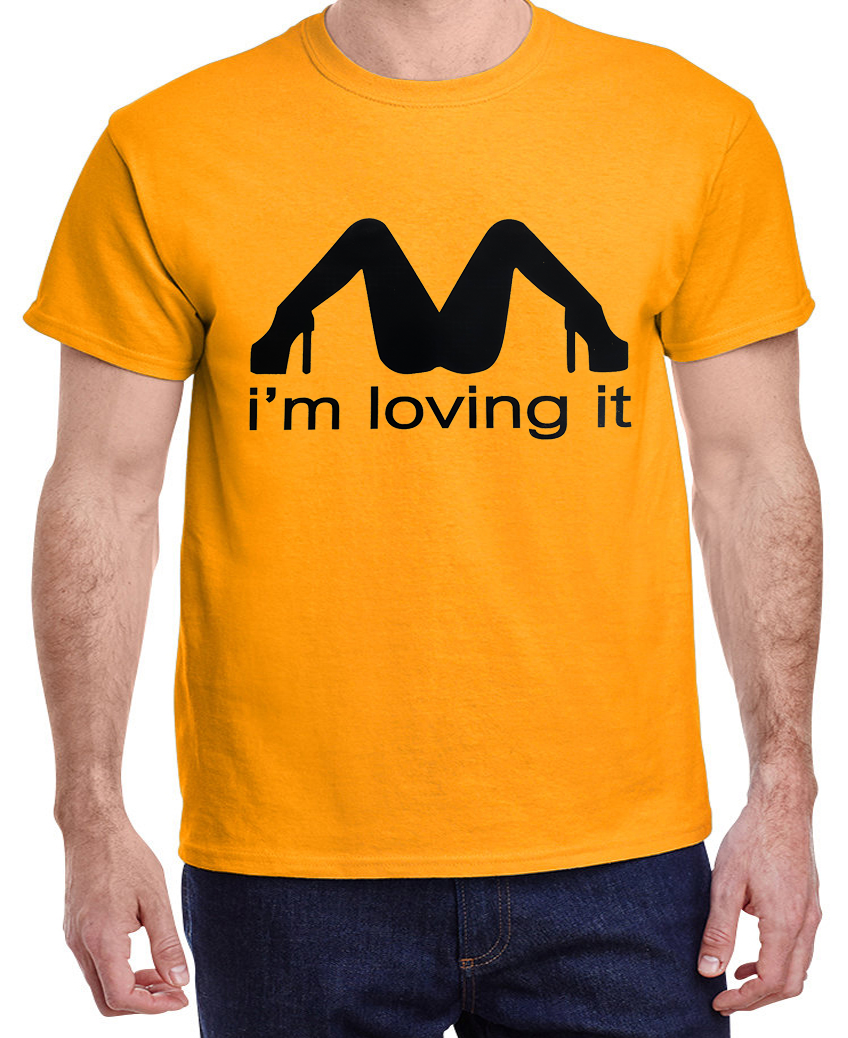
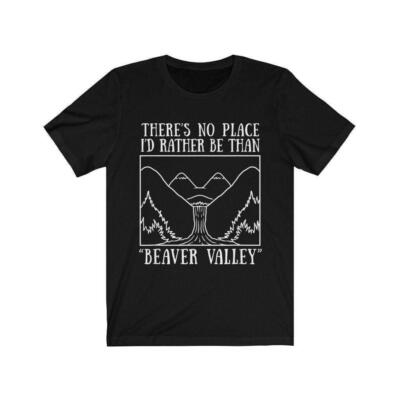
5. Sexually Explicit Designs
Some shirts have suggestive images or jokes. They might be seen as funny in some groups but are often considered inappropriate in public places.
6. Violence And Hate Speech
A small number of shirts promote violence or hate. These are usually illegal in many countries and can lead to arrest or lawsuits.
7. Shocking Or Disturbing Images
Some designs use graphic or disturbing pictures to get attention. These might include blood, gore, or offensive cartoons.
8. Cultural And Religious Insults
Some shirts mock beliefs, traditions, or religious symbols. This can cause deep anger, especially in places where religion is important.
A key point beginners miss is that what counts as offensive can change quickly. A design that was okay last year might now be seen as unacceptable due to changes in society or world events.
The History Of Offensive T Shirts
The tradition of using clothing to shock or challenge goes back centuries. However, the modern offensive T shirt became popular with the rise of rock music, punk culture, and street fashion.
- In early days, fans printed rebellious messages on shirts at concerts.
- Punk bands used shirts with shocking words or images to protest society.
- Later, brands used controversy to sell more shirts—knowing that “bad press” still got attention.
Over time, offensive shirts moved from underground scenes to mainstream fashion. Today, you can find them in stores, online shops, and even on social media influencers.
Where Do People Buy Offensive T Shirts?
You won’t always find these shirts at your local mall. Instead, people look for them in certain places:
- Online stores: Many websites let users design their own shirts. Some focus on humor, while others allow anything, including offensive content.
- Street markets: In some cities, street stalls sell bold designs that bigger brands avoid.
- Specialty shops: Some stores focus on punk, metal, or alternative styles that include offensive shirts.
- Events: Music festivals, protests, or comedy shows often have stands selling these shirts.
One thing many buyers don’t realize: shipping offensive shirts across borders can lead to customs problems if the design breaks local laws.
Who Wears Offensive T Shirts?
There isn’t one type of person who wears these shirts. However, some groups are more likely to choose them:
- Teenagers and young adults: Often experimenting with identity and humor.
- Fans of specific music genres: Punk, metal, and hip-hop scenes sometimes use shock value.
- Comedians and satire fans: People who enjoy edgy jokes.
- Protesters and activists: Those who want to make a strong point.
- Collectors: Some people collect rare or banned shirts as a hobby.
Sometimes, people wear an offensive shirt by accident—not realizing the meaning, especially if it’s in a language they don’t speak.

Credit: www.amazon.com
Legal And Social Issues
Not every country treats offensive shirts the same way. In some places, freedom of speech protects almost any design. In others, certain words or symbols are banned by law.
Laws That Affect Offensive T Shirts
- Free speech: In the US and some Western countries, you can wear almost anything, but there are limits (e.g., hate speech, threats).
- Obscenity laws: Many places ban sexually explicit or vulgar shirts in public.
- Hate speech laws: Promoting violence or hate against groups is illegal in much of Europe and Asia.
- School and workplace rules: Most schools and many jobs have dress codes that ban offensive shirts.
For example, a shirt with a banned symbol might be allowed in one country but get you arrested in another.
Social Reactions
Even if a shirt is legal, it can still cause problems:
- Public backlash: People might confront you, take photos, or post about you online.
- Work or school trouble: You might be sent home or asked to change.
- Loss of reputation: Friends or employers might see you differently.
A less obvious risk: viral videos or photos of someone wearing an offensive shirt can spread quickly, leading to online “shaming.”
Cultural Differences And Global Perceptions
What’s offensive in one culture might be normal in another. For example, certain hand signs or words are harmless in some places but rude in others. Religious and political symbols can be especially sensitive.
Here’s a simple comparison of how offensive shirts are seen in different regions:
| Region | Common Reaction | Legal Status |
|---|---|---|
| North America | Usually tolerated, unless hate speech | Mostly legal, with limits |
| Europe | Mixed; strong laws against hate symbols | Some designs banned |
| Middle East | Often seen as deeply offensive | Many banned by law |
| Asia | Varies by country and symbol | Some strict rules |
A common mistake is assuming a shirt is okay everywhere just because it’s legal or funny at home.
The Role Of Social Media
Social media has made offensive shirts more visible—and more risky. People now share photos and videos quickly. A shirt that was only seen by a few people can become famous or infamous in hours.
- Online stores use platforms like Instagram or TikTok to market bold designs.
- Influencers sometimes wear controversial shirts to get more views or followers.
- Cancel culture means people can lose jobs or friends if a shirt offends enough people.
A practical tip: Always check what a design means before sharing it online. Even “innocent” jokes can lead to big problems.
Design Trends In Offensive T Shirts
Designers use many tricks to make shirts stand out—or shock people. Here are some popular trends:
- Bold fonts and colors: Big, clear letters grab attention.
- Meme culture: Internet jokes or viral phrases often appear on shirts.
- Mashups: Mixing two unrelated ideas for humor or shock value.
- Minimalist offense: Small, subtle insults that only some people notice.
- Retro and vintage: Old-fashioned graphics with a modern twist.
But trends change fast. What’s funny today might be boring or risky tomorrow.
How To Tell If A T Shirt Is Offensive
Sometimes, it’s hard to know if a shirt will offend. Here’s a simple checklist you can use:
- Does it use rude words or images?
- Does it target a group of people?
- Would you wear it to work or a family event?
- Could it break local laws or rules?
- Would you be embarrassed if your photo in this shirt went viral?
If you answer “yes” to any of these, the shirt might be offensive.
How To Respond If Someone Is Offended By Your Shirt
If someone tells you they’re hurt by your shirt, what should you do? Here are some steps:
- Listen first: Hear why they feel that way.
- Stay calm: Don’t argue or get defensive.
- Explain your intent: Sometimes, you didn’t mean to offend.
- Apologize if needed: A simple “I’m sorry” can help.
- Decide what to do: You might choose to cover or change the shirt.
A small tip: It’s okay to disagree, but kindness goes a long way.
The Business Of Offensive T Shirts
Selling these shirts can be big business. Some brands build their whole image around being bold or controversial. But there are risks:
- Payment processors may ban stores selling extreme designs.
- Online platforms like Amazon or eBay often remove offensive items.
- Legal actions can force a business to close or pay fines.
Here’s a comparison of risks and rewards for sellers:
| Benefit | Risk |
|---|---|
| High profits from viral designs | Possible lawsuits or bans |
| Brand loyalty from certain groups | Negative publicity |
| Free marketing from controversy | Loss of business partners |
A less obvious insight: Even “edgy” brands need to know where the law draws the line.
How To Choose An Offensive T Shirt (if You Decide To)
If you want to buy one of these shirts, here are some things to consider:
- Know your audience: Who will see you in this shirt?
- Understand the message: Do you know what the words or symbols mean?
- Check the quality: Cheap shirts fade or tear quickly.
- Research the brand: Some brands have a bad reputation for hate speech or poor quality.
- Think about the context: Is it for a party, a protest, or just at home?
Avoid these common mistakes:
- Wearing a shirt you can’t explain.
- Ignoring local laws or rules.
- Forgetting that photos last forever online.
The Impact Of Offensive T Shirts On Society
These shirts do more than just make people laugh or frown. They can influence conversations, change opinions, and even start movements.
Positive Impacts
- Encourage debate: Some shirts spark needed discussions.
- Break taboos: They can challenge outdated or unfair rules.
- Support free speech: Remind people of the right to express themselves.
Negative Impacts
- Spread hate or violence: Some shirts do real harm.
- Divide communities: Offense can push people apart.
- Cause emotional pain: Jokes or insults can hurt deeply.
A beginner may not realize that offensive shirts can shape public opinion, not just reflect it.
Alternatives To Offensive T Shirts
If you want to express yourself without causing harm, consider these options:
- Clever wordplay: Use smart jokes instead of insults.
- Parody without targets: Make fun of ideas, not people.
- Personal slogans: Share your values or hopes.
- Artistic designs: Use images that make people think, not just react.
The best shirts often get attention without crossing the line.
Case Studies: Famous Offensive T Shirt Controversies
Here are a few real examples of shirts that made headlines:
- A major clothing brand released a shirt with a symbol linked to a hate group. After protests, they removed it from stores.
- A comedian wore a dark humor shirt on TV, sparking national debate about free speech.
- A student was sent home for a political shirt, leading to a legal battle over school dress codes.
These cases show how a simple shirt can lead to big debates.
Tips For Designing Your Own Offensive T Shirt
If you want to create a shirt with a bold message, keep these tips in mind:
- Do your research: Make sure you understand every word or symbol.
- Know your audience: Design for the group you want to reach.
- Test your idea: Show it to friends before printing.
- Consider the consequences: Are you ready for backlash?
- Stay original: Copying others can bring legal trouble.
A practical tip: Always check trademark and copyright laws before selling your design.
The Future Of Offensive T Shirts
As society changes, so do opinions about what is funny, bold, or unacceptable. Social media, new laws, and shifting values will shape what counts as an offensive T shirt in the future.
- Some expect more “micro-offense”: Subtle designs that only some notice.
- Others see a backlash: More rules and bans, especially on big platforms.
- Technology matters: AI can now block offensive designs before they go on sale.
A beginner might not realize that the debate over these shirts will never fully end—because it’s really a debate about what kind of society we want.
Frequently Asked Questions
What Should I Do If Someone Asks Me To Remove My Offensive T Shirt In Public?
Stay calm and polite. Listen to the request and the reason. If it’s a rule or law (like in a school or business), it’s best to follow instructions. If it’s just a personal opinion, you can choose whether to change or not, but being respectful helps avoid conflict.
Are All Offensive T Shirts Illegal?
No, not all offensive shirts are illegal. Laws vary by country and region. Most places ban shirts with hate speech, threats, or obscene images. Other designs are usually allowed under free speech, but local rules may still apply.
Can I Get In Trouble At Work Or School For Wearing An Offensive T Shirt?
Yes. Most workplaces and schools have dress codes. Wearing a shirt with profanity, hate symbols, or sexual content can lead to warnings, being sent home, or other punishment—even if it’s legal in public.
How Can I Know If A T Shirt Is Offensive In Another Country?
Research before you travel or order shirts from abroad. Look up local rules and symbols. If in doubt, avoid shirts with strong language, political messages, or religious symbols. The Wikipedia page on offensive T-shirts is a good starting point.
Why Do Some People Defend The Right To Wear Offensive T Shirts?
Many believe in freedom of speech and expression. They argue that even if a message is unpopular or shocking, people have the right to wear it. However, most agree that there are limits—especially when shirts promote violence or hate.
Wearing an offensive T shirt is always a choice. It comes with risks and responsibilities. Whether you love them or hate them, these shirts are a powerful way to see how society negotiates humor, freedom, and respect. As trends and attitudes keep shifting, the debate over what’s “too far” will continue—one T shirt at a time.
Credit: www.ebay.com
