

Offensive T-Shirt: Bold Designs That Push the Limits
Wearing a t-shirt may seem like a simple choice, but sometimes, those choices can spark strong reactions. An offensive t-shirt is one that has words, images, or symbols that some people find rude, insulting, or upsetting. These shirts can make people laugh, but they can also cause anger, protests, or even legal trouble. Why do some people wear them, and why do others want them banned? To understand the world of offensive t-shirts, it’s important to look at their history, the reasons behind their messages, and how society responds.
What Makes A T-shirt Offensive?
Not all t-shirts are created equal. Most shirts have innocent logos, funny cartoons, or simple designs. But an offensive t-shirt is different. It usually includes:
- Insults or slurs: Words that attack certain groups or people.
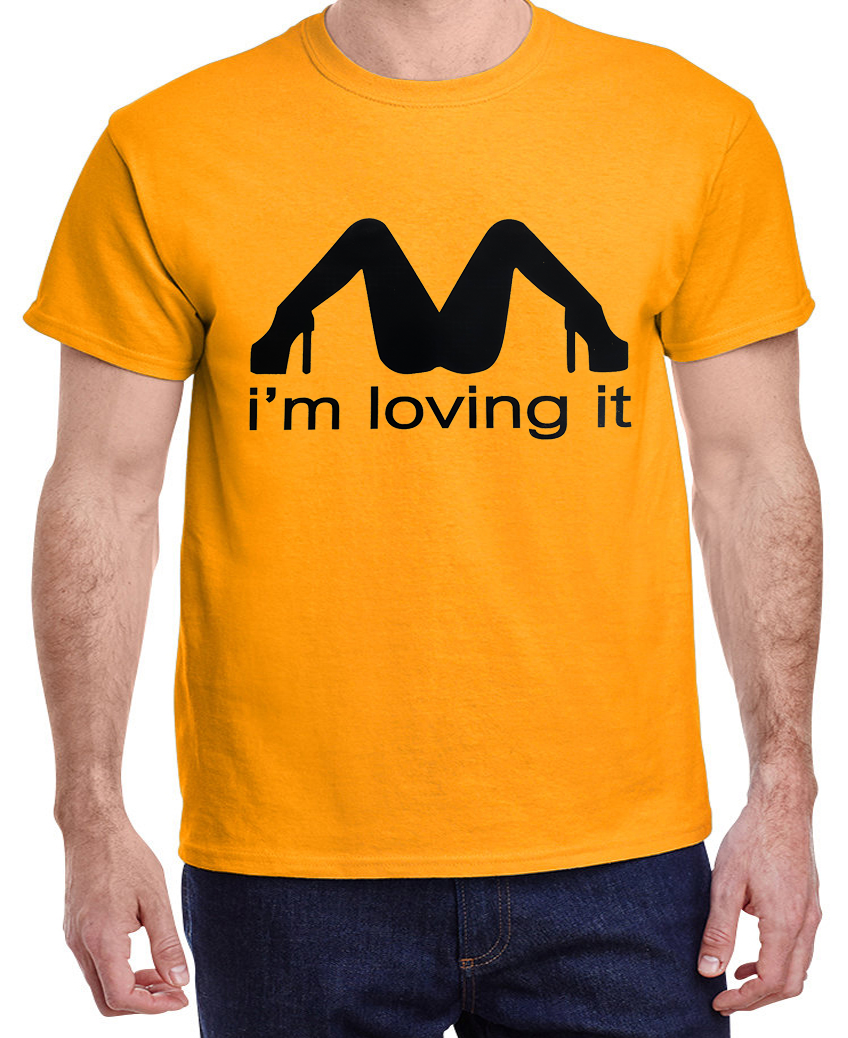
- Sexual or crude jokes: Jokes about private body parts, acts, or topics that many consider rude.
- Violent or threatening messages: Designs that encourage fighting, hate, or harm.
- Sensitive topics: References to politics, religion, or tragedies that some find disrespectful.
- Controversial symbols: Images like hate group logos, extreme political flags, or historical symbols with negative meanings.
What is offensive depends on culture, time, and place. A shirt that causes outrage in one country might be ignored in another. Even within the same city, people can have very different views.
The History Of Offensive T-shirts
T-shirts have been used to make statements for decades. In the past, people wore them to support bands, promote brands, or send positive messages. But soon, some realized t-shirts could be used to shock, protest, or rebel.
One famous early example was a punk rocker who wore a t-shirt with swear words printed on it. The goal was to get attention and challenge the rules of society. Over time, more brands and individuals used t-shirts to push boundaries.
In some countries, t-shirts with political slogans became a way to protest the government. In others, t-shirts with jokes about sensitive topics became a way to test the limits of free speech.
The internet and social media have made it even easier for these shirts to spread. Today, a single photo of an offensive t-shirt can reach millions of people within hours.
Why Do People Wear Offensive T-shirts?
Many people have their own reasons for choosing to wear something that might upset others. Here are some of the most common:
- To get attention: Wearing something shocking is a quick way to stand out in a crowd.
- To make a statement: Some people want to show they are against the rules or opinions of the majority.
- For humor: What is funny to one person can be hurtful to another. Some wear these shirts as a joke, not thinking about the effects.
- To express freedom: Wearing a t-shirt with a controversial message can feel like an act of free speech.
- Peer pressure or group identity: In some groups, wearing a bold or rude shirt is a way to fit in or show loyalty.
There is also a business side. Some brands use controversy to sell more shirts, hoping that the debate will make their designs famous.
Types Of Offensive T-shirts
Offensive t-shirts come in many forms. Understanding these types can help people recognize them and make informed choices.
1. Sexually Explicit T-shirts
These shirts feature images, jokes, or words about sex. While some see them as funny, others find them embarrassing or disrespectful in public places.
2. Racist Or Discriminatory T-shirts
Some shirts include slurs, stereotypes, or symbols that attack specific races, nationalities, or groups. These are often banned in schools and workplaces.
3. Political Or Religious Attack T-shirts
These t-shirts criticize or mock political leaders, parties, or religious beliefs. They can cause strong reactions, protests, or even violence in some situations.
4. Violent Or Threatening T-shirts
Shirts that show or support violence, weapons, or threats can make people feel unsafe. They may include images of guns, knives, or aggressive words.
5. Tragedy Or Disaster T-shirts
Some shirts joke about natural disasters, deaths, or other tragedies. This can be very hurtful to people who were affected.
6. Drug Or Alcohol Promotion T-shirts
T-shirts that joke about heavy drinking, illegal drugs, or addiction can be seen as encouraging dangerous behavior.
7. Profanity-laden T-shirts
Shirts with curse words or rude language are often considered offensive, especially around children.
8. Body-shaming Or Bullying T-shirts
Some designs make fun of people’s weight, looks, or abilities. These can hurt self-esteem and are linked to bullying.
9. Anti-authority T-shirts
T-shirts that attack police, teachers, or other figures of authority can be seen as disrespectful or even dangerous.
10. Offensive Meme T-shirts
Internet memes often end up on t-shirts. Sometimes, these memes are based on jokes or ideas that are racist, sexist, or otherwise harmful.

Credit: www.ebay.com
Impact On Society
The effects of offensive t-shirts go beyond the person wearing them. Here’s how they can influence society:
- Public reactions: Offended people may complain, protest, or even confront the wearer.
- Workplace and school bans: Many organizations have dress codes that forbid such shirts.
- Legal issues: In some countries, wearing a shirt with hate speech or certain symbols is against the law.
- Social division: Offensive t-shirts can increase tension between different groups.
- Online backlash: Photos of someone wearing a shocking shirt can quickly go viral, leading to online shaming or calls for boycotts.
Examples Of Real-world Consequences
There have been cases where students were sent home for wearing offensive t-shirts to school. Some workers have lost their jobs after being photographed in controversial shirts. In rare cases, people have been arrested for wearing shirts with banned symbols or hate speech.
Legal And Ethical Considerations
The law on offensive t-shirts varies widely. In some countries, free speech is protected, even if it offends others. In others, laws ban hate speech, threats, or certain images.
Free Speech Vs. Hate Speech
- Free speech: Many believe people should be allowed to express themselves, even if others dislike the message.
- Hate speech: Laws in some places make it illegal to use words or symbols that encourage hate or violence.
The difference is not always clear. A shirt that is allowed in one place could be illegal in another.
Workplace And School Rules
Most schools and businesses have dress codes. These often ban shirts with:
- Profanity
- Sexually explicit material
- Violent images
- Discriminatory messages
Breaking these rules can result in punishment, including being sent home, suspended, or fired.
Ethical Questions
Just because something is legal does not mean it is right. Wearing an offensive t-shirt can hurt others, even if it is not against the law. Some people argue that everyone should think about the feelings of others before choosing what to wear.

Credit: www.amazon.com
The Role Of Brands And Designers
Some brands and designers use shock value to get attention. They hope that controversy will make their products famous. However, this can backfire.
When Brands Cross The Line
There have been cases where major companies released t-shirts with racist, sexist, or violent messages by mistake. After public complaints, these shirts were quickly removed from stores.
Responsible Design
Many companies now check their designs carefully to avoid offense. Some even hire experts to review new products before selling them.
The Power Of Apology
When a brand makes a mistake, a quick and honest apology can help. This shows they care about their customers and are willing to learn from errors.
Social Media And Online Outrage
The rise of social media has changed how people react to offensive t-shirts. A single photo can create a worldwide backlash in minutes.
How Outrage Spreads
- Someone posts a photo of an offensive t-shirt.
- Others share the post, adding their own comments.
- The post may go viral, reaching thousands or millions.
- People call for boycotts, apologies, or even legal action.
Cancel Culture
"Cancel culture" is when the public decides to stop supporting a person or company because of their actions. Wearing or selling offensive t-shirts can quickly lead to this type of backlash.
The Double-edged Sword
While social media can call out bad behavior, it can also spread anger too quickly. Sometimes, people are punished before all the facts are known.
Offensive T-shirts In Different Cultures
What is offensive in one place may be normal in another. For example, a shirt with a political joke might be funny in one country but seen as dangerous in another. Some images or words have very different meanings depending on culture.
Examples Of Cultural Differences
- Religious images: In some places, using religious symbols in fashion is offensive, while in others it is common.
- Political slogans: A joke about a leader could be illegal in one country but celebrated in another.
- Language barriers: Words that sound harmless in one language can be rude in another.
It is important to understand local customs and laws before wearing t-shirts with bold messages while traveling.
How To Respond To Offensive T-shirts
If you see someone wearing an offensive t-shirt, your reaction may depend on your relationship and the situation.
Possible Responses
- Ignore it: Sometimes, the best response is no response.
- Speak up politely: If you feel safe, you can explain why the shirt is hurtful.
- Report it: In schools or workplaces, you may be able to report the shirt if it breaks the rules.
- Educate: Some people do not realize their shirt is offensive. A calm conversation can help.
It’s important not to respond with violence or threats, which can make the situation worse.
The Business Of Controversy
Controversial shirts often sell well because they get attention. Some brands use this as a marketing tool. However, there are risks.
Profit Vs. Reputation
While a shocking shirt can bring in sales, it can also damage a brand’s reputation. Negative press can cost more than any short-term profit.
The Risk Of Bans
Stores, online platforms, and even entire countries can ban offensive shirts. This can lead to lost sales and long-term harm to a business.
Customer Backlash
A brand that is seen as disrespectful can lose loyal customers. Trust is hard to win back once it is lost.
Not All Offense Is Equal
It’s important to remember that offense is personal. What is deeply hurtful to one person might be a joke to another. Some people are offended by almost anything, while others are hard to shock.
Context Matters
- A shirt with a political joke might be fine at a rally but not at work.
- A shirt with a rude joke might be funny among friends but not around children.
Understanding the audience and situation is key.
How To Avoid Accidentally Wearing An Offensive T-shirt
Many people do not want to offend others but sometimes do so by accident. Here are some tips to avoid that mistake:
- Read the message carefully: Make sure you understand the meaning of any words or images.
- Consider your audience: Think about who will see you and how they might react.
- Check for cultural differences: If you are traveling, learn about local rules and customs.
- Avoid shirts with profanity or slurs: These are the most likely to cause problems.
- Listen to feedback: If someone says your shirt is offensive, try to understand why.
The Positive Side: T-shirts For Good
Not all bold t-shirts are negative. Some use strong messages to stand up for justice, equality, or important causes.
Examples Of Positive Message T-shirts
- Anti-bullying shirts: These promote kindness and respect.
- Charity shirts: Sales help raise money for good causes.
- Awareness shirts: Some raise awareness for health, mental health, or social issues.
Wearing a t-shirt with a strong but positive message can inspire change and bring people together.
Credit: www.ebay.com
Comparison: Offensive Vs. Positive Message T-shirts
Here’s a quick look at how offensive t-shirts compare to positive message t-shirts:
| Feature | Offensive T-Shirts | Positive Message T-Shirts |
|---|---|---|
| Main Goal | Shock, provoke, or insult | Inspire, support, or raise awareness |
| Common Reaction | Anger, protest, backlash | Support, sharing, community |
| Business Risk | High (boycotts, bans) | Low (positive press) |
| Legal Issues | Possible in some countries | Rare |
| Longevity | Often short-lived trend | Often lasting support |
Who Is Most Affected By Offensive T-shirts?
Some groups are more likely to be harmed by offensive t-shirts than others.
- Children and teenagers: Seeing rude or hateful messages can influence young minds and encourage bullying.
- Minority groups: Shirts with racist or discriminatory messages can increase feelings of exclusion or fear.
- Victims of tragedy: Jokes about disasters or deaths can bring back pain and trauma.
- People in public-facing jobs: Workers may face complaints or even lose jobs for wearing the wrong shirt.
How Schools And Workplaces Handle Offensive T-shirts
Many schools and workplaces have clear rules about what can be worn.
Typical Dress Code Rules
| Setting | Common Rules | Possible Consequences |
|---|---|---|
| Schools | No profanity, violence, drugs, or hate speech | Sent home, detention, suspension |
| Workplaces | No rude, sexual, or political messages | Warning, sent home, firing |
| Public places | Rules vary by country | Asked to leave, fined, arrested |
Schools and businesses often review these rules to balance free speech with respect for others.
How To Discuss Offensive T-shirts With Others
Talking about offensive t-shirts can be difficult. Here are some tips for having a respectful conversation:
- Stay calm: Getting angry usually makes things worse.
- Use “I” statements: Say how the shirt makes you feel, not what you think about the person.
- Listen: Try to understand why someone chose the shirt.
- Focus on the message, not the person: Criticize the shirt, not the wearer.
A good conversation can lead to greater understanding on both sides.
Two Non-obvious Insights Most People Miss
- Offensive t-shirts can reinforce negative stereotypes even when not intended. Sometimes, people wear a shirt as a joke, but others see it as proof that a harmful stereotype is “true.” This can increase bias and discrimination, even if the wearer did not mean harm.
- The impact of an offensive t-shirt often depends on who is wearing it. The same shirt can cause different reactions based on the wearer’s age, background, or status. For example, a joke shirt worn by a teenager may be ignored, but the same shirt on a teacher or public figure can cause a scandal.
The Future Of Offensive T-shirts
As society changes, so do ideas about what is acceptable. Some designs that were once shocking are now seen as normal, while others are no longer tolerated. Technology also plays a role. New tools allow anyone to create and sell t-shirts online, making it harder to control what is out there.
However, there is a growing movement for responsible fashion. More people are asking brands to think about the messages they promote. Companies that ignore these calls risk being left behind.
For further reading about the impact of clothing on society, visit Wikipedia: Fashion and Modesty.
Frequently Asked Questions
What Should I Do If Someone Wears An Offensive T-shirt Near Me?
If you feel uncomfortable, you can choose to ignore it, move away, or talk to the person politely. In schools or workplaces, you can report it to a teacher or manager if it breaks the rules.
Can I Get In Trouble For Wearing An Offensive T-shirt?
Yes, you can face consequences such as being asked to leave, suspended, or even fined, depending on local laws and the place where you wear the shirt.
Why Are Some People Not Bothered By Offensive T-shirts?
People have different backgrounds and views. What is offensive to one person might be a joke or not important to another. Culture, age, and experience all play a part.
Are There Any Laws Against Offensive T-shirts?
Some countries have laws against hate speech, threats, or certain symbols. In other places, free speech is protected, so only schools or businesses can set rules.
How Can I Avoid Buying An Offensive T-shirt By Mistake?
Read the message and look up any symbols or words you don’t understand. When in doubt, choose shirts with positive or neutral messages to avoid problems.
Choosing what to wear is a personal decision, but it can have big effects. By understanding the impact of offensive t-shirts, you can make choices that show respect for yourself and others.
