

Men's Shirts for Hot Weather: Stay Cool and Stylish All Summer
Men’s Shirts For Hot Weather
Hot weather can make dressing a real challenge, especially for men who want to look sharp and stay comfortable. Sweating, feeling sticky, and worrying about odor are common problems. But with the right shirt, you can beat the heat and feel confident all day. In this guide, you’ll learn how to choose men’s shirts for hot weather that are stylish, practical, and suited for every activity. Let’s explore the best fabrics, fits, and features that will keep you cool, plus get tips that most beginners miss.
Dressing well in the heat isn’t just about looking good—it’s about feeling good, too. Many men suffer through summer in shirts that trap sweat or stick to their skin, never realizing there are better options. With a little knowledge, you can avoid common mistakes and find shirts that are both smart and comfortable.
Whether you work outdoors, spend time in the office, or enjoy weekend outings, you’ll discover solutions that make a difference.
Understanding Hot Weather Challenges
When temperatures rise, your body sweats to cool itself. But heavy clothing or poor fabrics trap heat, making you uncomfortable. Wearing the wrong shirt can cause:
- Excessive sweating
- Skin irritation
- Bad odor
- Feeling sticky
It’s not just about discomfort. When sweat stays on your skin, bacteria can grow, leading to body odor and even skin issues like rashes or pimples. Some people are prone to heat rash if their shirts don’t let air circulate.
Others find their mood or confidence drops when they feel damp or their shirt sticks to their back.
So, the goal is to pick shirts that help your skin breathe, wick moisture away, and release heat.
A less obvious problem is how sweat stains can damage shirt fabric over time, especially if you don’t wash shirts quickly. Stains set in and are hard to remove, sometimes ruining a shirt after just a few wears. That’s another reason to choose the right shirt from the start.
Best Fabrics For Hot Weather Shirts
The fabric is the most important factor when choosing men’s shirts for hot weather. Some materials help you stay cool, while others make you sweat more.
Cotton
Cotton is classic for summer. It’s breathable, soft, and absorbs moisture. However, pure cotton can hold sweat and feel heavy if you sweat a lot.
There are different types of cotton, such as poplin, seersucker, and Oxford. Poplin is lightweight and smooth, ideal for dress shirts. Seersucker has a puckered texture that lifts the fabric off your skin, allowing more airflow. Oxford cotton is thicker, so it’s better for cooler summer days.
Many people prefer 100% cotton for comfort, but a cotton-poly blend can dry faster. For casual days, a simple cotton T-shirt or button-down is often enough, but for extra hot or humid days, look for lighter weaves.
Linen
Linen is famous for its coolness. It’s made from flax fibers, which are hollow and let air flow easily. Linen shirts dry quickly and feel light, making them ideal for humid climates. The only downside: linen wrinkles easily, but many men see this as part of its relaxed charm.
Linen also gets softer with each wash, so it actually improves over time. Many brands now blend linen with cotton to reduce wrinkling. If you want a shirt that looks good even with a few creases, linen is your friend.
Linen is also naturally anti-static and hypoallergenic, which helps if your skin is sensitive in the heat.
Bamboo
Bamboo fabric is gaining popularity. It’s soft, breathable, and has natural antibacterial properties. Bamboo shirts resist odor and wick moisture well.
Bamboo is also a sustainable choice. The fibers are smooth, making bamboo shirts a good option for people with sensitive skin. Bamboo resists UV rays better than cotton, offering extra sun protection.
Polyester Blends
Polyester blends are often used in performance shirts. They dry fast and wick sweat away. However, pure polyester can feel synthetic and may not be as comfortable as natural fibers. Blends with cotton or rayon offer a balance.
Polyester is also wrinkle-resistant, making it popular for travel shirts. For office wear, look for a blend with more cotton for softness. For sports, a higher polyester content is fine if you want to dry quickly.
Technical Fabrics
Sports brands offer shirts made with technical fabrics like Coolmax or Dri-Fit. These are designed for maximum breathability and sweat-wicking. They’re great for active days or travel.
Technical fabrics often have added features like mesh zones, anti-odor treatments, and even stretch for better movement. They’re engineered to keep you feeling cool, even if you’re moving a lot or in direct sun. They’re a top choice for hiking, biking, or any outdoor sport.
Comparison: Fabric Performance
Here’s a quick look at how popular fabrics stack up for hot weather:
| Fabric | Breathability | Moisture Wicking | Odor Resistance | Comfort |
|---|---|---|---|---|
| Cotton | High | Medium | Low | Soft |
| Linen | Very High | High | Medium | Light |
| Bamboo | High | High | High | Very Soft |
| Polyester Blend | Medium | Very High | Medium | Flexible |
| Technical Fabric | High | Very High | High | Sporty |
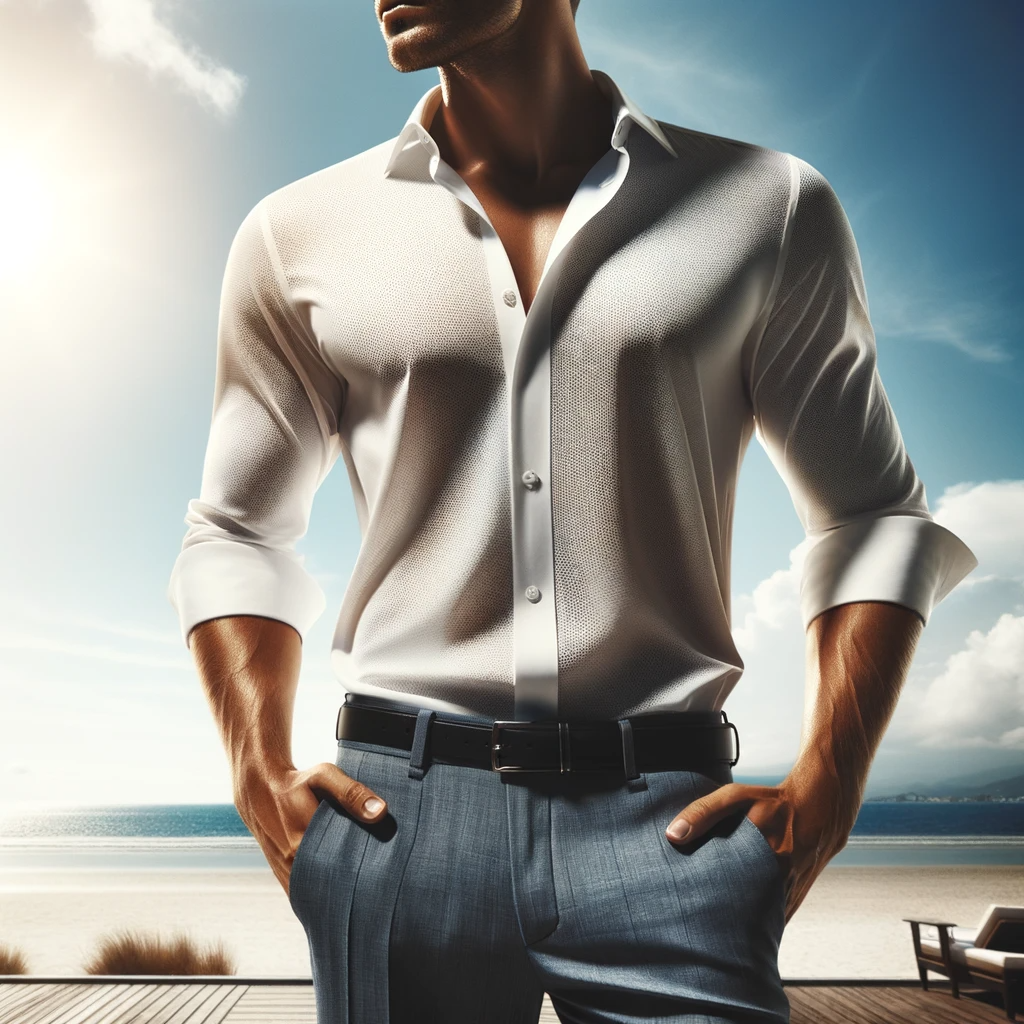
Non-obvious insight: Some modern shirts combine two or more fabrics in panels. For example, a cotton shirt with mesh polyester under the arms. This hybrid design gives you comfort where you need it and moisture control in sweat zones.
Credit: 2men.it
Shirt Styles That Work In The Heat
Style matters as much as fabric. Some shirt types are better for hot weather because of their design.
Short Sleeve Shirts
Short sleeve shirts are a go-to for summer. They keep your arms cool and are easy to wear for casual events or workdays.
Short sleeve button-downs are accepted in many offices, especially when paired with smart pants. For weekends, a simple short sleeve T-shirt or camp shirt (with an open collar) is relaxed and stylish.
Polo Shirts
Polos offer a smart-casual look. Made from cotton or technical fabrics, they’re comfortable and can be dressed up or down.
Polos with “pique” knit are more breathable than smooth “jersey” polos. For extra hot days, look for “performance polos” that use special weaves or blends. These shirts work well for golf, casual Fridays, or even a summer date.
Button-down Shirts
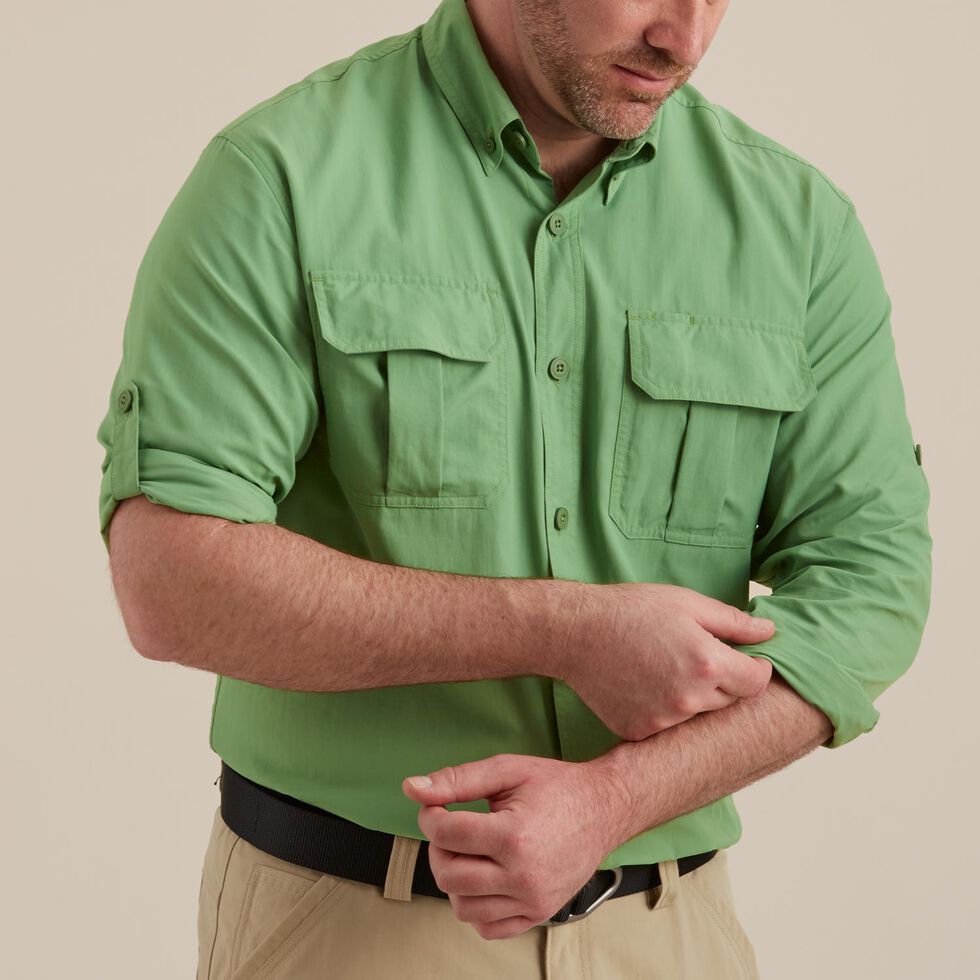
Button-down shirts in light fabrics like linen or cotton are versatile. Roll up the sleeves for extra airflow. Many brands offer “summer weight” options.
A white or pastel button-down looks good with jeans or dress pants. Some shirts have hidden vents or mesh panels in the back for extra cooling, especially in travel or outdoor styles.
Henley Shirts
A henley shirt is a collarless pullover with a button placket. It’s casual, comfortable, and works well in hot weather.
Henleys give you the option to unbutton at the neck for more airflow. They’re popular for both lounging and casual outings, and made in lightweight cotton, linen, or blends.
Performance Shirts
For sports or outdoor work, performance shirts are best. They are designed to wick sweat and dry quickly.
Many have extra features: vented backs, UPF protection, and anti-odor tech. They’re often cut for easy movement, with a bit more length to stay tucked in during activity.
Comparison: Shirt Style And Use
| Style | Best For | Breathability | Formality | Versatility |
|---|---|---|---|---|
| Short Sleeve | Casual, Office | High | Medium | High |
| Polo | Casual, Semi-formal | High | Medium | High |
| Button-down | Office, Events | Medium | High | High |
| Henley | Casual | High | Low | Medium |
| Performance | Sports, Outdoor | Very High | Low | Medium |
Non-obvious insight: Camp collar shirts (with a flat, open collar) are making a comeback and are great for airflow. They don’t hug the neck, helping you stay cooler.
Choosing The Right Fit
Fit is often overlooked by beginners, but it’s crucial. Tight shirts trap heat and restrict movement, while loose shirts let air flow.
Regular Fit
Regular fit shirts give you space but aren’t baggy. They’re comfortable and suitable for most body types.
A regular fit allows air circulation without looking sloppy. For most men, this is the safest choice for both style and comfort in summer.
Slim Fit
Slim fit shirts look neat but can feel hot in summer. If you choose slim fit, make sure the fabric is very breathable.
Slim fits can work if you’re in air-conditioned spaces or only outside for short times. Look for extra stretch or mesh panels to improve comfort.
Relaxed Fit
Relaxed fit shirts are loose and airy. They’re ideal for very hot climates or outdoor work.
Relaxed fit doesn’t mean oversized. Good relaxed-fit shirts have wider sleeves and a bit more room in the chest and waist, but still look intentional.
Non-obvious tip: Avoid shirts that cling to your back or armpits. Even if you like the style, tight shirts make sweating worse.
For men with larger builds, relaxed or regular fits prevent chafing and let you move freely. For athletic builds, look for “athletic fit” styles that combine room in the shoulders with a slight taper at the waist.
Features That Matter In Hot Weather Shirts
Small design details can make a big difference in comfort.
Ventilation
Some shirts have mesh panels or small vents at the back or underarms. This helps heat escape.
Vented yokes (the piece across the shoulders) are common in fishing or travel shirts. Some brands use laser-cut holes that are nearly invisible but improve airflow.
Moisture Wicking
Look for shirts labeled moisture-wicking. These pull sweat away from your skin so you feel dry.
Moisture-wicking doesn’t mean waterproof. It simply means sweat moves from your skin to the shirt’s surface, where it can evaporate faster.
Anti-odor Treatment
Many modern shirts use anti-odor technology. This prevents bacteria from growing, which stops bad smells.
Some shirts use silver ions or other treatments to fight odor. These are useful if you have to wear the same shirt all day or don’t want to wash after every use.
Sun Protection
Certain shirts offer UPF protection (Ultraviolet Protection Factor). This blocks harmful sun rays, good for outdoor work or sports.
UPF 30 or 50 is common in performance shirts. These block most UV rays and help prevent sunburn, especially if you’re outside for hours.
Quick Dry
Quick-dry fabrics are useful if you sweat a lot or get wet unexpectedly.
These shirts are perfect for travel, beach days, or when you’re caught in a summer rain. They also dry fast after washing, so you can pack less on trips.
Some shirts have hidden pockets, roll-up sleeve tabs, or adjustable hems—useful for travel or outdoor adventures.
Color And Pattern Choices
Color has a big impact on how hot you feel. Dark colors absorb more heat, while light colors reflect sunlight.
- Choose light colors like white, beige, light blue, or pastel shades.
- Avoid black or navy for outdoor days.
- Simple patterns like stripes or checks are popular, but avoid heavy prints—these can trap heat.
If you enjoy bolder colors, pick shirts with lighter backgrounds or subtle prints. For office settings, pale blue, soft pink, or classic white are always safe.
Pro tip: Shirts with tiny air holes or textured weaves help air flow, even if the color is darker.
Another overlooked factor: shirts with busy, thick prints can hide sweat stains but may feel warmer. If you like patterns, stick to light, spaced-out designs.
Practical Tips For Staying Cool
Besides choosing the right shirt, there are ways to improve your comfort.
- Wear an undershirt made from moisture-wicking fabric. It absorbs sweat and keeps your outer shirt dry.
- Change shirts often if you sweat a lot.
- Wash shirts regularly to avoid odor.
- Avoid layering unless necessary.
- Keep your shirt untucked for extra airflow.
If you work outside, take breaks in the shade, and drink water regularly. Carry a spare shirt if you have a long day—changing midday can refresh your whole mood.
If you ride public transport or cycle, a lightweight jacket or overshirt can protect you from sun and be removed easily indoors.
Non-obvious insight: Some men use starch or fabric sprays to keep shirts crisp. In hot weather, skip these—stiff shirts trap heat and feel sticky.
Mistakes To Avoid When Buying Hot Weather Shirts
Buying the wrong shirt is easy if you don’t know what to look for. Here are mistakes many men make:
- Choosing synthetic shirts without moisture control—these can trap sweat.
- Picking shirts that are too tight—restricts airflow.
- Ignoring the collar—heavy collars can feel hot.
- Not checking care labels—some shirts need special washing.
- Buying dark colors for outdoor use—these make you feel hotter.
Some men buy shirts based on style alone, ignoring fabric. If a shirt looks great but is made from heavy twill or polyester, it won’t work for summer.
Another common mistake: assuming all “casual” shirts are cool. Some casual shirts use thick, brushed cotton that’s better for cooler months.
Don’t forget to check buttons and seams. Cheap shirts sometimes use plastic buttons that can irritate sweaty skin.
Top Brands For Hot Weather Men’s Shirts
Many brands focus on summer clothing. Here are some trusted names:
- Uniqlo: Offers affordable, lightweight shirts in cotton and linen.
- Ralph Lauren: Known for polos and breathable button-downs.
- Columbia: Makes performance shirts with UPF protection.
- Tommy Bahama: Specializes in relaxed, tropical shirts.
- Nike: Leading brand for technical, moisture-wicking shirts.
- Patagonia: Offers eco-friendly, breathable shirts.
Other brands worth exploring: L.L.Bean for travel and fishing shirts, Brooks Brothers for quality linen, and Vuori for sporty, modern styles.
Each brand has strengths. For example, Columbia’s “PFG” shirts are a favorite for anglers and hikers, while Tommy Bahama is perfect for vacations.
Comparing Hot Weather Shirt Prices
Budget is important. Here’s a look at average prices for different shirt types and brands:
| Brand | Type | Average Price (USD) | Best Feature |
|---|---|---|---|
| Uniqlo | Linen Button-down | $35 | Lightweight |
| Ralph Lauren | Polo | $90 | Classic Style |
| Columbia | Performance | $50 | UPF Protection |
| Tommy Bahama | Casual Shirt | $100 | Relaxed Fit |
| Nike | Tech Shirt | $35 | Moisture Wicking |
| Patagonia | Eco Shirt | $70 | Eco-Friendly |
Prices vary by region and sales. In general, linen shirts cost more than cotton. Technical and performance shirts can range from $20 (basic) to $120 (high-end).
Tip: Wait for end-of-season sales to buy quality shirts at a discount. Good shirts last for years, so view them as an investment.
Credit: www.duluthtrading.com
Shirt Care And Maintenance In Hot Weather
Keeping shirts fresh is harder in summer. Follow these steps for longer-lasting shirts:
- Wash shirts after every wear.
- Use mild detergent to protect fabric.
- Avoid heavy ironing, especially for linen.
- Hang shirts to dry—machine drying can damage fibers.
- Store shirts in a cool, dry place.
Non-obvious tip: Adding a small amount of vinegar during washing removes sweat odor without harming fabric.
For stains, treat armpit areas with a baking soda paste or special stain remover before washing. If you use sunscreen, wash shirts soon after wear, as some sunscreens can stain collars.
Linen and bamboo shirts do best when air-dried. For technical shirts, avoid fabric softeners—they can block the moisture-wicking properties.
If you travel, pack shirts in breathable bags, not plastic. This prevents mildew and keeps shirts smelling fresh.
Hot Weather Shirts For Different Occasions
Not all shirts fit every situation. Here’s how to choose for different needs:
Work
For office or business, choose lightweight button-downs in cotton or linen. Pale colors look professional and keep you cool.
If your office is formal, stick to classic colors and regular fit. If it’s casual, you can try polos or even short sleeve button-downs with a neat collar. Some offices accept performance polos if they look smart.
Outdoor Sports
Pick performance shirts with moisture-wicking and UPF protection. These are ideal for hiking, golf, or running.
Choose shirts with vents and roll-up sleeves. For running, a simple technical T-shirt with flat seams (to avoid chafing) is best.
Travel
Look for quick-dry shirts that resist wrinkles. Technical fabrics are best for packing.
Some travel shirts have hidden zip pockets for passports, or anti-microbial treatments for longer wears between washes. Choose neutral colors so you can mix and match.
Casual Outings
Polos or relaxed-fit linen shirts are comfortable and stylish for social events.
For beach trips, try a camp collar shirt or a short sleeve button-down with a bold print. For picnics, a simple cotton T-shirt is fine, but bring a spare if you expect to get sweaty.
Formal Events
Even in summer, you might need to dress up. Choose a white cotton dress shirt with a relaxed fit. Pair with lightweight slacks.
A linen blazer over a cotton or linen shirt can look smart without feeling too hot. If possible, avoid wearing a tie, or loosen it when you’re outside.
Non-obvious tip: If you must wear a jacket, pick one with minimal lining and light fabric.
Sustainability And Eco-friendly Choices
Many men overlook sustainability, but eco-friendly shirts are better for the environment and often more comfortable.
- Organic cotton uses less water and fewer chemicals.
- Bamboo is renewable and biodegradable.
- Recycled polyester reduces waste.
Brands like Patagonia and Uniqlo offer sustainable shirts, which are often softer and more breathable.
Look for certifications like GOTS (Global Organic Textile Standard) or OEKO-TEX. These labels mean the fabric is safe for sensitive skin and better for the planet.
Non-obvious insight: Some recycled polyester shirts feel softer and cooler than regular polyester, thanks to new spinning techniques.
Hot Weather Shirt Accessories
Accessories can improve your summer comfort.
- Lightweight hats protect your head and face.
- Cooling towels help reduce body heat.
- Antiperspirant sprays keep sweat under control.
- Breathable undershirts absorb sweat.
Sunglasses, portable fans, and even sweat-proof bags for carrying spare shirts can be useful. For feet, choose breathable shoes and socks to stay cool overall.
How To Shop For The Best Hot Weather Shirt
When shopping, follow these steps:
- Check the label for fabric type.
- Try the shirt on—move your arms and check airflow.
- Look for moisture-wicking and quick-dry features.
- Choose light colors and minimal patterns.
- Compare prices and features before buying.
Non-obvious tip: Some stores let you test shirts for breathability—hold the fabric to your mouth and blow. If air passes through, it’s a good sign.
For online shopping, use filters for “summer,” “lightweight,” or “performance. ” Don’t be afraid to ask store staff about the best shirts for hot weather—they often have personal favorites.
Online Shopping Tips
Buying online is common but tricky. Here’s how to avoid mistakes:
- Read reviews for sizing and comfort.
- Check return policies.
- Look for real photos, not just studio images.
- Use sizing charts—don’t assume your size is always the same.
Some brands have “fit quizzes” or customer photos. Use these for a better idea of how the shirt looks on real people.
For more guidance on fabric choices and summer clothing, you can check Linen’s Wikipedia page.
Frequently Asked Questions
What Is The Best Fabric For Men’s Shirts In Hot Weather?
Linen is often the best because it’s very breathable and dries quickly. Cotton is also good, but can hold sweat. For sports, technical fabrics like Dri-Fit are designed for hot weather.
How Do I Prevent Sweat Stains On Shirts?
Choose moisture-wicking shirts and wear an undershirt. Light colors show stains less, and washing after each wear helps.
If you sweat heavily, carry stain wipes or a spare shirt for emergencies. Some brands make “sweat-proof” undershirts with extra absorbent panels in the underarm area.
Are Long Sleeve Shirts Suitable For Hot Weather?
Yes, if made from lightweight fabrics like linen or technical blends. Long sleeves offer sun protection, but the fit must be loose.
Roll up sleeves when indoors or in the shade, and use shirts with vented backs for extra cooling.
Can I Wear Dark Colors In Summer?
You can, but light colors are better. Dark colors absorb more heat, making you feel hotter. If you must wear dark, pick shirts with good airflow.
If you prefer black or navy, look for shirts with open weaves or mesh zones.
How Do I Care For Linen Shirts?
Wash with mild detergent, avoid high heat, and hang dry. Linen wrinkles easily, but a light iron or steaming can help.
Store linen shirts on hangers to avoid heavy creases, and never put them in a hot dryer.
Final Thoughts
Choosing the right men’s shirt for hot weather can make your summer days much more enjoyable. The key is to focus on fabric, fit, and features. Don’t ignore small details—they matter more than you think. Try different styles, keep colors light, and pay attention to shirt care. With these tips, you’ll stay cool, comfortable, and confident no matter how high the temperature rises.
Remember, the best shirt is one that fits your body, your lifestyle, and the climate you live in. Don’t settle for shirts that leave you hot and frustrated. Use what you’ve learned here to build a summer wardrobe that works for you.
With a little planning, you’ll notice the difference every time you step outside.

Credit: www.realmenrealstyle.com
