

Is Tank Tops Supposed to Be Tight? Fit Tips You Need to Know
Is Tank Tops Supposed To Be Tight
Tank tops are everywhere—at the gym, on city streets, at the beach, and even layered under office clothes. But many people wonder, should tank tops be tight or loose? The answer is not always obvious, and choosing the right fit can affect your comfort, style, and confidence. In this article, you’ll find a clear, practical guide to understanding how tank tops are supposed to fit. You’ll learn about different types of tank tops, how body shape matters, the effect of material and purpose, and common mistakes people make when choosing their size. Whether you’re buying your first tank top or trying to upgrade your wardrobe, you’ll discover what really works and why. Let’s break down everything you need to know about the fit of tank tops.
What Is A Tank Top?
A tank top is a sleeveless shirt with wide shoulder straps and no buttons, usually made from soft, stretchy fabric. They are popular because they are simple, comfortable, and versatile. People wear them for exercise, under shirts, or as a casual fashion piece. Tank tops come in many shapes and materials, which changes how they feel and look on the body.
Why Fit Matters For Tank Tops
Choosing the right fit for a tank top is important for several reasons. A tank top that fits well can boost your confidence, improve your comfort, and even affect how you move. Here are some key reasons fit is so important:
- Comfort: Too tight can feel restrictive, too loose can feel sloppy.
- Appearance: The right fit highlights your body shape in a flattering way.
- Function: For sports, the fit affects performance and support.
- Layering: If worn under clothes, the fit needs to work with other garments.
Many people believe tank tops should always be tight, but that’s not true for everyone. The right fit depends on your body type, personal style, and the reason you’re wearing the tank top.
Types Of Tank Tops And Their Typical Fit
Not all tank tops are designed to fit the same way. Let’s look at some common types and how they’re typically worn.
1. Athletic Tank Tops
These are made for sports and exercise. They’re usually fitted to reduce movement and prevent chafing. The material is often stretchy and moisture-wicking. A close fit supports your body during activity, but it shouldn’t feel uncomfortable or restrict your breathing.
2. Fashion Tank Tops
Fashion tank tops come in many styles, from cropped to flowy. Some are made to hug your figure, while others are designed to hang loosely. The fit depends on the style you want to show. Loose tanks can look relaxed, while fitted styles can look sleek.
3. Undershirt Tank Tops
People wear these under shirts to absorb sweat or create a smooth look. They should be snug but not skin-tight. A close fit helps them stay invisible under other clothes and prevents bunching.
4. Muscle Tanks
These are popular in gyms and for casual wear. Muscle tanks usually have bigger armholes and a looser fit around the chest and waist. They show off your arms and shoulders without clinging to your body.
5. Racerback Tanks
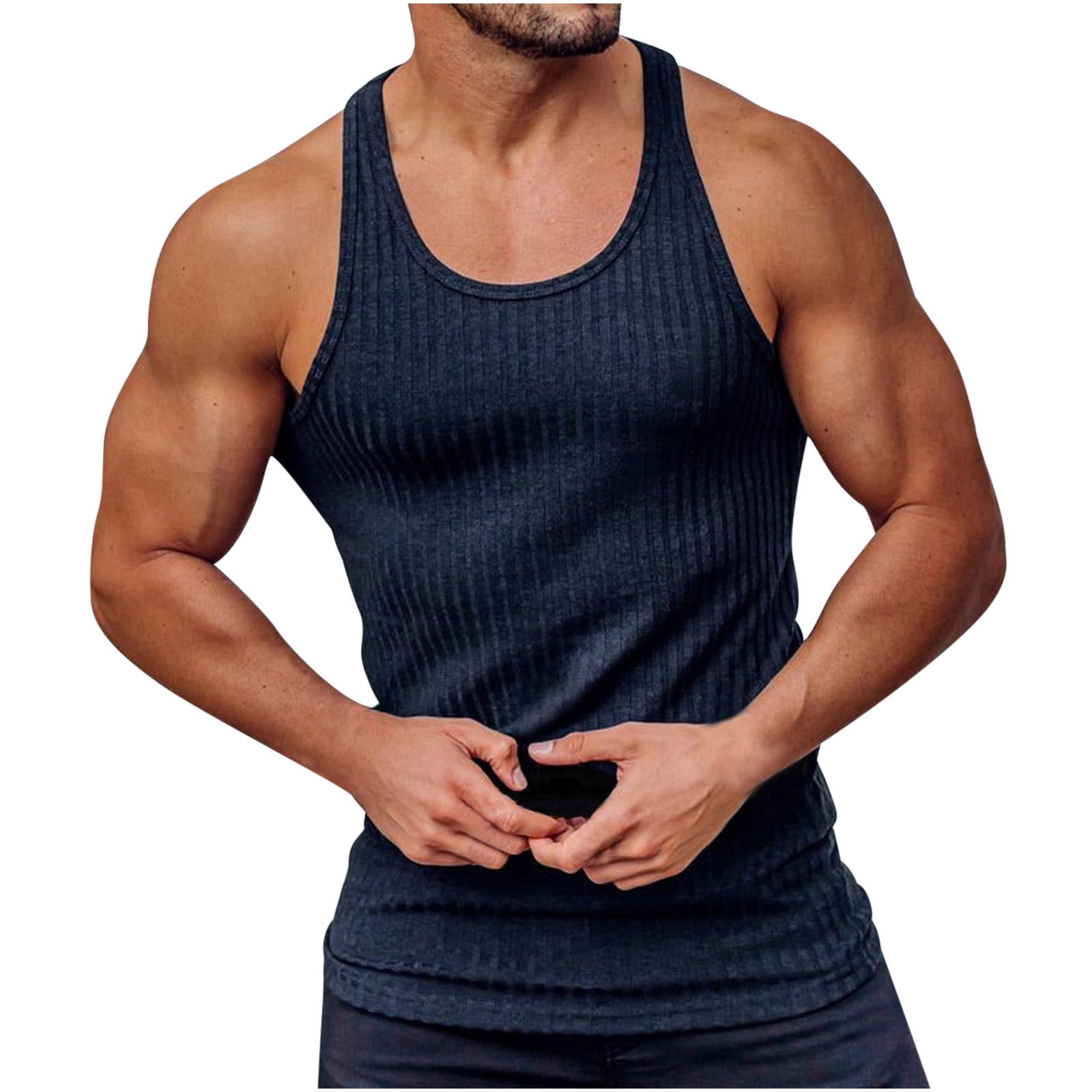
Racerbacks have a T-shaped back that shows the shoulders. They’re common in athletic wear and often have a more fitted style, but some are loose for comfort and breathability.
6. Crop Tank Tops
Crop tanks end above the waist and can be either fitted or loose. The style you choose should match your comfort level and what you want to pair it with.
7. Lounge Tank Tops
Designed for relaxing at home, these are usually softer and looser for maximum comfort.
How Tight Is Too Tight?
A tank top should never feel like it’s cutting into your skin or restricting movement. Here are signs your tank top is too tight:
- You see deep marks on your skin after wearing it
- The fabric stretches so much it becomes see-through
- It’s hard to move your arms freely
- Seams dig into your shoulders or underarms
A little stretch is okay, but if you feel uncomfortable, it’s too tight.

Credit: www.amazon.com
How Loose Is Too Loose?
A tank top that is too loose can cause other problems:
- Straps slip off your shoulders
- The armholes reveal too much (like your chest or bra)
- The shirt shifts around when you move
- It looks baggy or shapeless
If you find yourself adjusting your tank top all day, it’s probably too loose.
Comparing Tight Vs. Loose Tank Tops
To make it clearer, here’s a side-by-side look at the benefits and drawbacks of tight and loose tank tops:
| Fit | Benefits | Drawbacks | Best Uses |
|---|---|---|---|
| Tight | - Shows muscle definition - Stays in place - Good for layering |
- Can feel restrictive - May highlight areas you want to hide |
- Exercise - Under shirts |
| Loose | - More airflow - Comfortable - Hides body shape |
- Can look sloppy - May slip or shift |
- Casual wear - Hot weather |
How To Choose The Right Fit For Your Body Type
Your body shape plays a big role in how a tank top will fit and look. Here are some tips:
Athletic Body
If you have broad shoulders and a narrow waist, a fitted tank will show off your shape. Look for tanks with a little stretch that contour to your chest and shoulders without feeling tight around your waist.
Curvy Body
For people with a fuller chest or hips, fitted tanks can sometimes ride up. Choose a tank that is close to the body but not too snug at the waist. Avoid thin straps if you want more support.
Slim Body
Slim bodies can wear both fitted and loose tanks. If you want to look more muscular, a fitted tank can help. If you prefer a relaxed look, a looser style works well.
Plus Size
Look for tanks with wider straps and a little extra room around the waist. The armholes should not cut into your skin. Some plus-size tanks are slightly A-line to add comfort and shape.
Material Matters
The fabric of a tank top changes how it fits and feels. Here are common materials and what to expect:
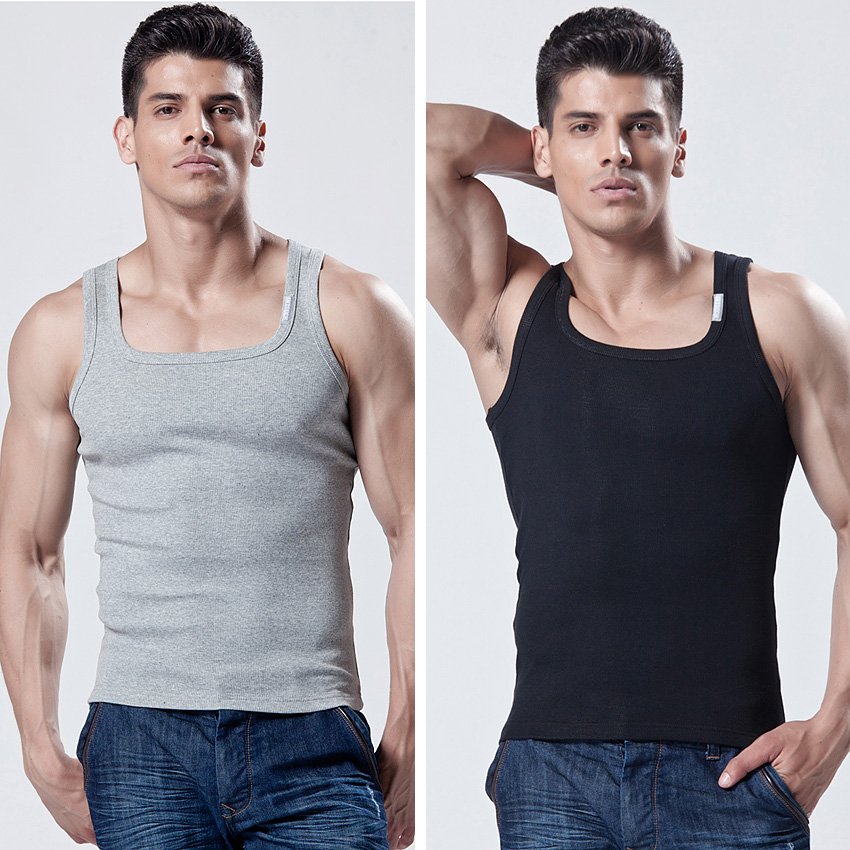
- Cotton: Soft, breathable, and comfortable. It can stretch out after washing.
- Polyester: Holds shape well, dries quickly, and is often used in sports tanks.
- Spandex/Lycra: Makes tanks stretchy and form-fitting.
- Blends: Mixes of cotton, polyester, and spandex balance comfort and shape.
If you want a tank top to stay snug, look for a blend with spandex. For a looser fit, pure cotton is a good choice.
Credit: 70sbig.com
Purpose: When Should Tank Tops Be Tight?
Not all situations require the same tank top fit. Let’s break down the best fit for different activities:
Working Out
Tight or fitted tank tops are better for the gym or sports because they:
- Prevent fabric from moving or bunching
- Wick sweat away from the skin
- Support muscles
But avoid tanks that are too tight, as they can limit movement or cause overheating.
Layering
When wearing a tank top under another shirt, choose one that is snug but not skin-tight. This helps create a smooth look without bulk. It also prevents the tank from bunching up under your clothes.
Casual Wear
For everyday comfort, loose or relaxed tank tops are great. They let air flow and are easy to move in. You can tuck them in or leave them out, depending on your style.
Sleepwear
Lounge or sleep tanks are usually loose. The goal is comfort, not support.
How To Measure For The Perfect Tank Top Fit
Finding your size is not just about choosing S, M, L, or XL. Here’s how to measure yourself for the best fit:
- Chest: Measure around the fullest part of your chest.
- Waist: Measure around your natural waistline.
- Shoulders: Measure from one shoulder edge to the other.
Compare your measurements with the size chart from the brand. Each brand can be a little different, so always check before buying.
Credit: www.walmart.com
Tank Top Sizing Chart Example
Here’s an example of how sizes might compare:
| Size | Chest (inches) | Waist (inches) |
|---|---|---|
| Small | 34-36 | 28-30 |
| Medium | 38-40 | 32-34 |
| Large | 42-44 | 36-38 |
| XL | 46-48 | 40-42 |
Always try on the tank top if you can, since body shape and fabric stretch can change the fit.
Common Mistakes When Choosing Tank Top Fit
Most people make the following mistakes when buying tank tops:
- Choosing only by number size: Ignoring fabric stretch and cut can lead to disappointment.
- Not considering purpose: A tank for sports should fit differently than one for lounging.
- Ignoring body shape: Some styles fit certain body types better.
- Overlooking strap width: Thin straps offer less support and can dig into shoulders.
- Buying too tight for style: Some think “tighter is always better,” but it can highlight areas you want to hide.
- Not checking armholes: Oversized armholes can reveal too much.
- Ignoring shrinkage: Cotton tanks can shrink after washing, making them tighter than expected.
- Forgetting about layering: A tank that fits alone may not work well under other clothes.
- Assuming all brands fit the same: Sizing changes between brands and regions.
Two non-obvious insights: Always move your arms in the fitting room to check the range of motion, and remember that tanks with side seams often hold their shape better than seamless ones, which can twist over time.
Gender Differences In Tank Top Fit
Tank tops are popular among all genders, but the fit can differ:
Men’s Tank Tops
Men’s tanks are usually straighter cut. They are often fitted across the chest and looser at the waist. Armholes are slightly bigger, especially in muscle tanks.
Women’s Tank Tops
Women’s tanks may be more fitted at the waist and have a shorter length. They often use thinner straps and sometimes include built-in bras. Some styles are designed to show curves, while others are relaxed.
A helpful tip: If you’re shopping in the “men’s” or “women’s” section but prefer the other fit, don’t be afraid to try both. The only thing that matters is your comfort and style.
Layering Tank Tops: Best Practices
Tank tops are often worn under or over other clothes. Here’s how to layer them well:
- For a smooth look under shirts, choose a fitted tank in a thin, neutral color.
- For a fashion look, wear a loose tank over a tight long-sleeve or turtleneck.
- Don’t layer two loose tanks—it can look messy.
- If your tank is see-through, wear a seamless bra or undershirt.
Layering can help you use tank tops in many settings—from business casual to street style.
When Not To Wear A Tight Tank Top
There are times when a tight tank top is not a good choice:
- In hot, humid weather, tight tanks may feel sticky.
- If you have sensitive skin, tight fabric can cause irritation.
- For formal events, a tight tank often looks too casual.
- If you’re pregnant or recovering from surgery, tight tops can be uncomfortable.
Always listen to your body. If a tank top feels wrong, it probably is.
Tank Top Style And Trends
Tank top styles change over time, but the basics stay the same. Here are some popular trends and how fit plays a role:
- Oversized tanks: Loose and boxy, worn with skinny jeans or shorts.
- Cropped tanks: Can be fitted or loose. Great for high-waisted bottoms.
- Graphic tanks: Often looser, designed to show off printed designs.
- Layered looks: Fitted tanks under sheer or open shirts.
Trends can be fun, but always choose what makes you comfortable.
Health And Skin Considerations
Tight tank tops can sometimes cause problems, especially if worn for a long time:
- Skin irritation from seams or synthetic fabric
- Sweat build-up causing rashes
- Restriction of movement, especially during sleep
If you notice red marks, itching, or discomfort, switch to a looser tank or a softer material.
Caring For Your Tank Tops
How you wash and dry your tank tops affects their fit. Follow these tips:
- Wash in cold water to prevent shrinkage.
- Use gentle detergent, especially for synthetic fabrics.
- Avoid high heat in the dryer; air dry to keep the fit.
- Stretch tanks back into shape before hanging.
Some fabrics, like cotton, will shrink no matter what. Buy a slightly bigger size if you’re worried.
Examples: When Tight Tank Tops Are Best
- Weightlifting: Fitted tanks help you check muscle form.
- Yoga: A close fit keeps the top in place during movement.
- Under a suit: A smooth, fitted tank keeps the shirt looking crisp.
Examples: When Loose Tank Tops Are Better
- Beach day: A loose tank lets air flow and dries quickly.
- Hot climates: More airflow means more comfort.
- Relaxing at home: Comfort is key, so choose a loose fit.
When Fit Changes: Life Events And Body Changes
Your ideal tank top fit may change over time. For example:
- Pregnancy: Choose tanks with stretch and more room.
- Weight changes: Adjustable straps or stretchy fabric can help.
- Aging: Softer, looser tanks may feel better on sensitive skin.
Don’t be afraid to update your wardrobe as your needs change.
How Celebrities And Influencers Wear Tank Tops
You’ll notice that celebrities style tank tops in many ways. Some wear them tight to show off their bodies, while others pick oversized tanks for a relaxed look. The lesson: there is no “correct” way. The best fit is the one that makes you feel good.
Sustainability And Tank Top Fit
Sustainable brands often use natural fibers, which can fit differently than synthetics. Organic cotton tanks may stretch more and feel softer. Always read care labels and consider if you want a lasting shape or a relaxed, natural feel.
For more on fabric and sustainability, you can read about it on Wikipedia.
Summary Table: What Fit To Choose For Each Activity
Here’s a quick reference for the best tank top fit by activity:
| Activity | Best Fit | Why |
|---|---|---|
| Gym/Exercise | Tight/Fitted | Stays in place, absorbs sweat |
| Layering | Snug | Prevents bunching, smooth look |
| Casual Wear | Loose/Relaxed | Comfort, airflow |
| Sleep/Lounge | Loose | Max comfort |
| Fashion Statement | Either | Personal style |
Frequently Asked Questions
Why Do Some People Prefer Tight Tank Tops?
Many people like tight tank tops because they highlight muscle shape and stay in place during activity. They can also create a smooth look under shirts. However, comfort should always come first—never wear a tank that feels uncomfortable.
Can Wearing Tight Tank Tops Be Unhealthy?
Wearing tank tops that are too tight can cause skin irritation, restrict movement, and trap sweat, which may lead to rashes. For most people, a fitted but not restrictive tank is safe. If you notice discomfort or marks, try a looser fit.
Are Tank Tops Supposed To Be Tight For Women?
It depends on style and purpose. Women’s tank tops can be tight (for sports or fashion) or loose (for comfort). Many women prefer a close fit under shirts or for exercise, but a relaxed fit for casual wear. The best choice is what feels comfortable and looks good to you.
How Do I Know If My Tank Top Is Too Loose?
If the straps slip, the armholes reveal too much, or you keep adjusting the tank throughout the day, it’s probably too loose. A good tank stays in place and covers what you want it to cover.
Should I Size Up Or Down If I’m Between Sizes?
If you like a tighter fit, size down; if you prefer a looser fit, size up. Always check the fabric content—tanks with a lot of stretch (like spandex) can fit smaller, while 100% cotton tanks may shrink and fit tighter after washing.
Tank tops are about both comfort and style. Whether you choose tight or loose, pick the fit that works best for your body and your needs. With these tips, you can feel confident in your choice and enjoy wearing tank tops for any occasion.
