

Is Rash Guard Good for Running: Ultimate Comfort & Performance Guide
Are you tired of your regular running gear leaving you sweaty and uncomfortable? Imagine a piece of clothing that not only keeps you dry but also protects your skin and boosts your performance.
That’s where a rash guard might just become your new best friend on the track. But is a rash guard really good for running? Keep reading to discover how this simple change could transform your runs and help you feel your best every step of the way.
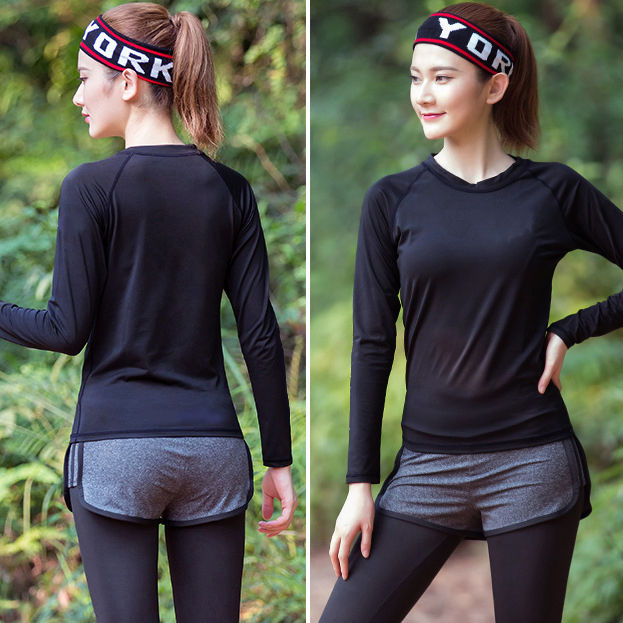
Credit: www.lazada.com.ph
Benefits Of Rash Guards For Running
Rash guards offer many benefits for runners. They provide comfort and protection during runs. These shirts are made of special materials that help in many ways. Runners find them useful for different weather conditions and terrains.
Choosing the right gear can improve your running experience. Rash guards help your body stay cool, dry, and safe. They reduce common problems like chafing and sunburn. This makes running more enjoyable and less tiring.
Moisture-wicking Properties
Rash guards pull sweat away from your skin. This keeps you dry and comfortable. Wet clothes can cause irritation and slow you down. Moisture-wicking fabric dries quickly, helping to regulate your body temperature. Staying dry reduces the risk of skin problems.
Breathability And Ventilation
Rash guards are designed to let air flow through. This helps your skin breathe during runs. Good ventilation prevents overheating and sweating too much. Lightweight fabrics improve comfort on hot days. Breathability keeps you cool and focused on your run.
Sun Protection Advantages
Many rash guards have built-in sun protection. They block harmful UV rays from reaching your skin. This lowers the chance of sunburn and skin damage. Wearing a rash guard can replace heavy sunscreen layers. It offers easy and constant protection outdoors.
Chafing Prevention
Rash guards fit snugly and reduce skin rubbing. Chafing is a common problem for runners on long runs. These shirts create a smooth barrier between skin and gear. Less friction means less pain and irritation. Rash guards help keep your skin safe and healthy.

Credit: www.gymshark.com
Material And Fabric Choices
Choosing the right material and fabric for a rash guard is important for running comfort. The fabric affects how the rash guard feels on your skin and how it performs during your run. Different fabrics offer various benefits like breathability, stretch, and quick drying.
Common Fabrics Used
Rash guards often use polyester, nylon, or spandex. Polyester is light and dries fast. Nylon feels soft and is strong. Spandex gives the fabric stretch and flexibility. Many rash guards mix these fabrics to balance comfort and performance.
Durability And Stretch
Good rash guards last long and move with your body. Stretchy fabric helps you run without feeling tight. Durable fabric resists wear from frequent use. This means your rash guard keeps its shape and fits well after many runs.
Quick-dry Features
Running makes you sweat. Rash guards with quick-dry fabric keep you dry. This reduces chafing and discomfort. The fabric pulls moisture away from your skin fast. You stay cool and comfortable, even on hot days.
Comfort Factors To Consider
Comfort plays a big role in choosing the right rash guard for running. It affects how well you perform and how much you enjoy your run. Several factors decide comfort. These include how the rash guard fits, how the seams are made, and how heavy or flexible the fabric is. Each factor helps you stay comfortable and move freely.
Fit And Compression Levels
The fit of a rash guard should feel snug but not tight. It should support muscles without squeezing too much. Compression helps reduce muscle fatigue and improves blood flow. Too much compression can make you feel uncomfortable and restrict movement. Choose a rash guard that fits close to your skin but lets you breathe and move easily.
Seam Construction
Seams can cause chafing if they are rough or bulky. Look for flatlock seams that lie flat against the skin. These seams reduce irritation during long runs. Well-constructed seams add to the garment’s durability. They keep the rash guard comfortable even after many washes and runs.
Weight And Flexibility
A lightweight rash guard feels less heavy on your body. It helps you stay cool and avoids feeling weighed down. Flexibility in the fabric lets you move your arms and legs freely. Stretchy materials adapt to your body’s movements. This flexibility prevents discomfort and allows better running form.
Performance Impact During Runs
Rash guards are often linked to water sports, but they can also boost running performance. Wearing a rash guard during runs can affect how your body handles heat, movement, and recovery. These factors matter for every runner, whether beginner or experienced.
Temperature Regulation
A rash guard helps keep your body temperature steady. It pulls sweat away from your skin. This keeps you dry and cool during runs. The fabric also blocks harmful sun rays. This reduces overheating and sunburn risks. Staying cool helps you run longer without feeling tired.
Enhanced Mobility
Rash guards fit snugly but stretch easily. This means no restriction in your movements. You can run, stretch, and bend freely. The tight fit also stops fabric from flapping in the wind. This reduces distractions and makes running more comfortable. Better mobility helps improve your running form.
Support For Muscle Recovery
Some rash guards offer mild compression. This supports your muscles during and after runs. Compression helps reduce muscle vibration and soreness. It may improve blood flow, speeding up recovery. Wearing a rash guard can help you feel less tired after running. Faster recovery lets you train more often and better.
Comparing Rash Guards To Traditional Running Gear
Rash guards are often seen in water sports. But runners also find benefits in using them. Comparing rash guards to traditional running gear shows some key differences. These differences affect comfort, protection, and performance during runs. Understanding these can help choose the best gear for your needs.
T-shirts Vs Rash Guards
Running t-shirts are popular for their light feel and breathability. Most t-shirts are made from cotton or synthetic blends. Cotton holds sweat and becomes heavy. Rash guards use tight, stretchy fabric that dries fast. They fit snugly, reducing skin friction. This helps prevent chafing during long runs. Rash guards also offer better sun protection than regular t-shirts.
Long Sleeve Options
Long sleeve t-shirts are common for cooler weather. They offer more coverage but can trap heat. Rash guards come in long sleeves too. Their fabric is designed to keep you cool and dry. The tight fit helps muscles stay warm without overheating. Rash guards also block harmful UV rays on exposed skin. This makes them good for sunny or windy runs.
Layering Techniques
Layering is key in changing weather. Traditional gear layers loosely for comfort and warmth. Rash guards work well as a base layer. They fit close to skin and wick moisture away. Add a lightweight jacket or vest on top. This combo keeps sweat from building up. Rash guards are thin, so they do not bulk up layers. This helps runners move freely and stay comfortable.
Best Practices For Wearing Rash Guards
Wearing a rash guard for running can improve comfort and performance. Knowing how to wear it correctly helps you get the most out of this gear. Follow these best practices to stay comfortable and protected during your run.
Choosing The Right Size
Select a rash guard that fits snugly but not too tight. It should feel like a second skin without restricting movement. Check size charts from the brand before buying. Avoid rash guards that are too loose, as they can cause chafing. A proper fit helps wick sweat and reduce irritation.
Care And Maintenance Tips
Wash your rash guard in cold water after each run. Use mild detergent to protect the fabric and colors. Avoid using bleach or fabric softeners. Hang it to dry instead of using a dryer. Proper care keeps the material stretchy and effective for longer.
When To Wear For Optimal Results
Wear a rash guard on sunny or windy days for skin protection. It blocks harmful UV rays and shields against wind chills. Use it in cooler weather to keep muscles warm. Also, wear it under jackets for extra comfort. Choose your rash guard based on weather and running conditions.
Popular Brands And Models For Running
Rash guards are not just for water sports. Many runners use them for comfort and protection. Several brands make rash guards designed for running. These options offer good fit, breathability, and sun protection. Choosing the right brand and model can improve your running experience.
Some rash guards focus on moisture-wicking fabrics. Others add compression or extra stretch for better movement. Finding the right balance of features matters. Here are popular brands and models runners prefer.
Top Rash Guard Picks
Under Armour offers rash guards with excellent sweat control. Their HeatGear line is lightweight and cool. Nike has a running rash guard with Dri-FIT fabric. It dries quickly and feels soft on skin.
2XU makes compression rash guards that support muscles well. They also help reduce fatigue. ASICS provides rash guards with flatlock seams. This reduces chafing during long runs. Patagonia offers eco-friendly options with good UV protection.
Price And Quality Comparison
Under Armour rash guards cost around $30 to $50. They provide solid quality and comfort. Nike models range from $35 to $60. The price matches their durable fabric and style.
2XU rash guards are pricier, about $60 to $90. The compression benefits justify the cost for serious runners. ASICS offers mid-range prices, roughly $40 to $70. They balance price with performance well.
Patagonia tends to be on the higher end, $50 to $80. Their focus on sustainability adds value. Each brand offers unique strengths. Choose based on fit, features, and budget.
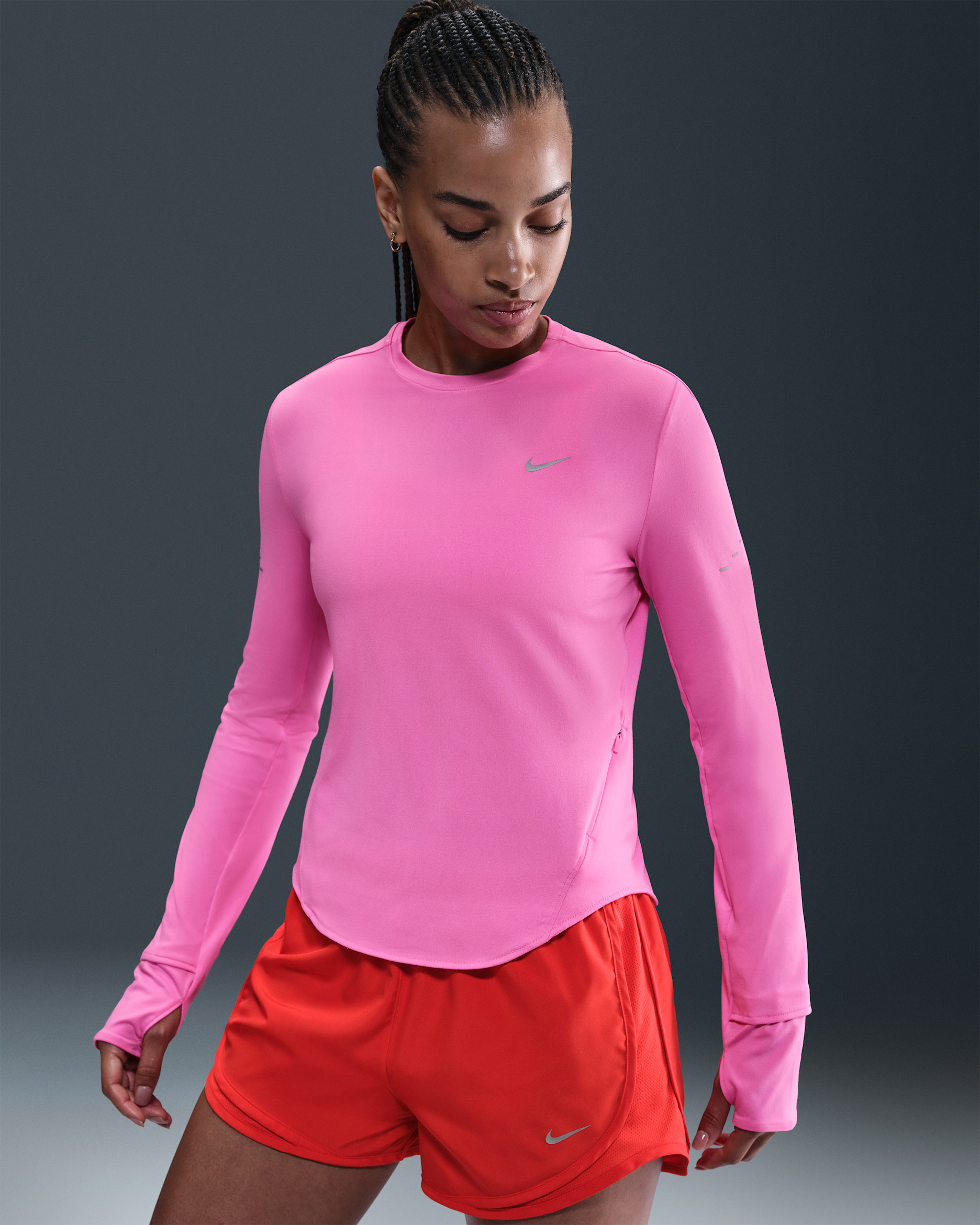
Credit: www.nike.com
Frequently Asked Questions
Is A Rash Guard Suitable For Running?
Yes, rash guards are suitable for running. They offer moisture-wicking, breathability, and UV protection, enhancing comfort during runs.
How Does A Rash Guard Improve Running Performance?
A rash guard keeps sweat away and regulates body temperature. This helps prevent chafing and boosts overall running efficiency.
Can Rash Guards Protect Against Sun During Runs?
Absolutely. Rash guards provide excellent UV protection, reducing sunburn risk and skin damage during outdoor runs.
Are Rash Guards Better Than Regular Running Shirts?
Rash guards are tighter and more durable. They offer better moisture control and skin protection compared to regular shirts.
Conclusion
Rash guards offer good benefits for runners. They help keep sweat away and dry fast. The fabric protects your skin from sun and wind. Rash guards fit snugly, so they reduce chafing. They also keep muscles warm and supported. Many runners feel more comfortable wearing them.
Choosing the right rash guard depends on your needs. Try one on your next run and see. Comfort and protection matter most in running gear. Rash guards can be a smart choice for many runners.
