

Is Rash Guard And Compression the Same: Key Differences Revealed
Are you confused about whether a rash guard and compression gear are the same? You’re not alone.
Many people mix these two up because they both fit snugly and look similar. But understanding the difference can make a big impact on your comfort and performance, whether you’re hitting the gym, the beach, or the field. Keep reading to discover how these two types of clothing work, why each matters, and which one is right for your needs.
Don’t miss out on making the best choice for your body and activity!

Credit: sweetscienceoffighting.com
Rash Guard Basics
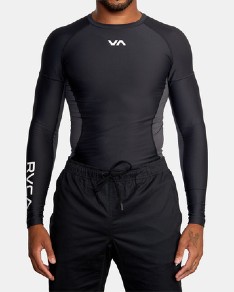
A rash guard is a special type of shirt designed for water sports and outdoor activities. It protects the skin from rashes caused by friction. It also helps guard against sunburn and irritants like jellyfish. Rash guards are tight but comfortable, allowing easy movement. They differ from regular shirts in both material and purpose.
Material And Design
Rash guards are made from stretchy, quick-dry fabrics like polyester or nylon. These materials fit snugly to the body. The fabric feels smooth and soft on the skin. Most rash guards have flatlock seams. This stitching style prevents chafing and discomfort. Many designs include long sleeves to cover more skin. Some rash guards also have UV protection built in.
Primary Uses
Rash guards serve mainly in water sports such as surfing, snorkeling, and swimming. They protect skin from board rubs and rough surfaces. They also help keep the body warm in cool water. Outside water, rash guards can be used for outdoor workouts or running. Their sun-blocking feature makes them good for long hours in the sun. The fit and protection make rash guards a must-have for active people.
Credit: rvca.co.uk
Compression Gear Essentials
Compression gear is special clothing designed to fit tightly on the body. It helps support muscles and improve blood flow. Many athletes and fitness fans wear compression gear for better performance and faster recovery. Understanding the basics of compression gear helps you choose the right type for your needs.
Compression gear is different from rash guards, though both offer protection and comfort. Knowing their fabric and fit makes a big difference in how they work for you.
Fabric And Fit
Compression gear is made from stretchy materials like spandex and nylon. These fabrics hug the body closely. The fit is tight but not too tight to stop blood flow. This tight fit helps reduce muscle vibration and fatigue. Breathable fabric also keeps the skin dry by pulling sweat away. The right fit means the gear moves with your body without causing discomfort.
Common Applications
Compression gear is popular in sports like running, cycling, and weightlifting. It helps reduce muscle soreness after exercise. Some use it during recovery from injuries. People wear compression sleeves on arms or legs to support joints. It also helps keep muscles warm to avoid strains. Compression gear is useful for anyone active or needing extra muscle support.
Comparing Functions
Rash guards and compression wear serve different roles in sports and exercise. Understanding their main functions helps choose the right gear. Both offer benefits but focus on distinct needs.
Comparing their functions shows how they protect the body and boost performance. Each piece of clothing plays a unique role in athletic activities.
Protection And Support
Rash guards protect the skin from scrapes and sunburn. They are made of durable fabric that shields against irritation. These shirts also keep muscles warm to prevent injury.
Compression wear supports muscles by applying gentle pressure. This pressure improves blood flow and reduces muscle shaking. It also helps lower the risk of strains and soreness.
Performance Enhancement
Rash guards improve comfort during water sports and workouts. They help dry sweat quickly and reduce chafing. This lets athletes focus more on their activity.
Compression garments enhance muscle efficiency and speed recovery. They reduce muscle fatigue and improve endurance. Athletes often wear them during and after exercise to feel better faster.
Health Benefits
Both rash guards and compression wear offer health benefits beyond just style. They protect the skin and help muscles recover faster. Understanding these benefits helps you choose the right gear for your activities.
Skin Protection
Rash guards shield your skin from sunburn and harmful UV rays. They also prevent rashes caused by friction during sports or water activities. The tight fabric blocks dirt and minor scrapes. Wearing a rash guard reduces skin irritation and infections. It keeps your skin safe and comfortable.
Muscle Recovery
Compression wear supports muscles by improving blood flow. Better circulation helps reduce muscle soreness after exercise. It also speeds up the healing of small injuries. Compression garments hold muscles firmly to lower fatigue. Athletes often use them to recover faster and perform better.
Choosing Between Rash Guards And Compression Wear
Choosing between rash guards and compression wear depends on your activities and comfort needs. Both types serve different purposes and offer unique benefits. Knowing these can help you pick the right gear for your workouts or sports.
Activity-specific Needs
Rash guards protect your skin from rashes and sunburn during water sports. They dry quickly and block UV rays. Compression wear supports muscles and improves blood flow during intense workouts. It helps reduce muscle fatigue and soreness. Choose rash guards for swimming, surfing, or paddleboarding. Opt for compression wear for running, cycling, or weightlifting.
Comfort And Fit
Rash guards fit snug but allow easy movement in water. They feel smooth and lightweight on the skin. Compression wear fits tightly to enhance muscle support. The tight fit may feel restrictive but helps improve performance. Pick rash guards if you want light, flexible clothing. Choose compression wear if you need firm support and muscle stability.

Credit: www.rvca.com
Care And Maintenance Tips
Proper care helps keep rash guards and compression wear in good shape. These clothes need special attention to last longer and stay comfortable. Follow simple steps to wash and store them right.
Washing Guidelines
Use cold water for washing rash guards and compression clothes. Hot water can damage the fabric and reduce elasticity. Choose mild detergent without bleach or fabric softeners. These can weaken the material and cause fading.
Turn the clothes inside out before washing. This protects prints and colors from rubbing. Wash with similar fabrics to avoid rough contact. Avoid heavy or abrasive items like jeans or towels.
Hand washing is best but machine washing on a gentle cycle works. Skip the dryer. Air dry by laying flat or hanging in shade. Direct sunlight can cause colors to fade and fabric to shrink.
Longevity Tips
Store these garments in a cool, dry place. Avoid folding them tightly to prevent creases and damage. Keep them away from rough surfaces that can cause snags or tears.
Wear rash guards and compression wear only for their intended activities. Using them for other purposes may wear them out faster. Check for small tears or loose threads regularly and repair them early.
Proper care saves money and keeps your gear comfortable for longer. Simple steps make a big difference in maintaining quality and fit.
Frequently Asked Questions
What Is The Main Difference Between Rash Guard And Compression?
Rash guards protect skin from rashes and UV rays, while compression gear improves blood flow and muscle support. Both have different materials and functions, targeting specific sports needs.
Can Rash Guards Be Used For Compression Purposes?
Rash guards offer minimal compression but are mainly designed for skin protection. For true muscle support, compression garments are more effective and specialized.
Are Rash Guards Suitable For All Sports?
Rash guards are ideal for water sports and activities needing skin protection. They are not designed to enhance muscle performance like compression wear.
Do Compression Garments Provide Uv Protection Like Rash Guards?
Compression clothes usually lack UV protection. Rash guards are specially made with UV-blocking fabric for outdoor water activities.
Conclusion
Rash guards and compression wear serve different purposes. Rash guards protect skin from sun and rashes. Compression clothes support muscles and improve blood flow. Choosing the right one depends on your activity. Both offer comfort but in unique ways. Understanding these differences helps you pick wisely.
Stay comfortable and safe during sports or workouts. Now, you can decide what fits your needs best.
