

Is Leggings Gym Wear? Top Reasons They’re Perfect for Workouts
Is Leggings Gym Wear
Leggings have become a common sight in gyms everywhere. Whether you are in a fitness class, lifting weights, or running on a treadmill, you will see people wearing leggings. But are leggings truly gym wear? The answer is not as simple as it seems.
While many people wear leggings for workouts, others question their suitability. This article explores if leggings are gym wear, looking at their history, benefits, drawbacks, and how they compare to other athletic clothing. We’ll also address common questions and misconceptions, so you can make the best choice for your fitness routine.
What Makes Gym Wear Different?
Gym wear is designed for physical activity. It must be comfortable, flexible, and able to handle sweat. Most gym clothes are made from materials that stretch and breathe. They should also allow you to move freely without restriction. Gym wear includes items like shorts, t-shirts, tank tops, sports bras, and leggings.
But not all clothing marketed as “athletic” is truly built for exercise. Some brands focus more on style than performance.
Key Features Of Gym Wear
- Moisture-wicking fabric: Moves sweat away from your skin to keep you dry.
- Stretchability: Allows for a full range of motion.
- Breathability: Lets air circulate, preventing overheating.
- Durability: Can handle repeated washing and tough workouts.
- Support: Holds muscles and joints in place, reducing fatigue.
Leggings can include these features, but not all leggings are made equally.
The History Of Leggings In Fitness
Leggings were not always gym wear. They began as fashion items, worn for style and comfort. Early leggings were made from materials like cotton and nylon. These were not ideal for sweaty activities. As fitness culture grew, brands started making leggings from performance fabrics, such as spandex and polyester.
These materials stretch, wick sweat, and hold up to movement. Leggings became popular for yoga, pilates, running, and even weight training.
Today, leggings are a staple in many gym wardrobes. They have evolved from simple fashion pieces to specialized athletic wear. Major sports brands offer leggings for different activities, including high-impact sports and endurance workouts.
Leggings As Gym Wear: Benefits
Wearing leggings for exercise has many advantages. Here are some reasons why they are a top choice:
1. Comfort
Leggings are soft and fit closely to the body. They move with you, reducing chafing and discomfort. Unlike loose pants, leggings stay in place, so you don’t have to adjust them during exercise.
2. Flexibility
Most workout leggings are made from spandex or similar fabrics. This gives them stretch, allowing you to bend, squat, and jump without restriction. This is especially useful for activities like yoga and pilates.
3. Moisture Management
Athletic leggings use moisture-wicking materials. These fabrics pull sweat away from your skin, helping you stay dry. This is important for intense workouts, where sweat can cause irritation.
4. Support
Many leggings provide compression. This helps support muscles, reducing fatigue and boosting circulation. Compression can also help prevent soreness after exercise.
5. Style
Leggings come in many colors, patterns, and designs. This lets you express your personality while working out. For some, feeling good in their gym outfit boosts confidence and motivation.
6. Versatility
Leggings are not only for the gym. You can wear them for running, cycling, hiking, or lounging at home. This makes them a practical investment.
Leggings As Gym Wear: Drawbacks
While leggings offer benefits, there are some drawbacks to consider:
1. Not All Leggings Are Equal
Some leggings are made for fashion, not fitness. These may lack moisture-wicking or support. Wearing non-athletic leggings in the gym can lead to discomfort or even injury.
2. Transparency Issues
A common problem with leggings is see-through fabric. When stretched, some leggings become transparent, especially during squats or lunges. This can cause embarrassment.
3. Overheating
Thick leggings or those made from non-breathable materials can make you hot during exercise. This is uncomfortable and may affect performance.
4. Hygiene Concerns
Because leggings fit tightly, sweat can build up. If not washed properly, this can cause skin issues or odor.
5. Limited Protection
Leggings do not offer much protection against falls or rough surfaces. For sports like outdoor running or hiking, you may need more durable pants.
Gym Leggings Vs. Regular Leggings
Not all leggings are made for gym use. Here’s a comparison to help you choose:
| Feature | Gym Leggings | Regular Leggings |
|---|---|---|
| Fabric | Moisture-wicking, stretchy | Cotton, nylon, less stretch |
| Durability | High, withstands workouts | Low, tears easily |
| Fit | Compression, stays in place | Loose or inconsistent |
| Transparency | Opaque, squat-proof | Can be see-through |
| Price | Higher, reflects quality | Lower, made for fashion |
If you plan to work out, invest in leggings made for gym wear. Check the label and reviews. Look for features like “moisture-wicking” and “compression. ”
How To Choose The Right Leggings For The Gym
Selecting the best leggings can be confusing. Here are steps to help:
1. Check The Fabric
Look for materials like polyester, spandex, or nylon blends. Avoid pure cotton for workouts, as it absorbs sweat and gets heavy.
2. Test For Opacity
Do a squat test in good lighting. If the leggings become see-through, they may not be suitable for the gym.
3. Examine The Waistband
A high-rise waistband offers better support and keeps leggings from sliding down. This is helpful during intense movements.
4. Review Seams And Stitching
Strong seams and flatlock stitching prevent chafing and tearing. Poorly made leggings can rip during exercise.
5. Check For Compression
Leggings with compression support muscles and improve blood flow. They also help with recovery after workouts.
6. Read Reviews
Before buying, read customer reviews. Look for comments about fit, comfort, and durability.
7. Try Them On
If possible, try leggings before buying. Move around, squat, and stretch to check comfort and flexibility.
Leggings For Different Types Of Exercise
Not all workouts are the same. The best leggings depend on your activity.
Yoga And Pilates
Choose leggings that are soft, flexible, and stay in place. Avoid zippers or bulky seams. High-stretch materials are best.
Running
Look for lightweight, breathable leggings. Some running leggings have pockets for keys or phones. Reflective details help with safety.
Weight Training
Pick leggings with compression and strong seams. Squat-proof fabric is important for confidence.
Cycling
Leggings for cycling should have a snug fit and moisture-wicking properties. Some cyclists prefer padded leggings for extra comfort.
High-intensity Interval Training (hiit)
Opt for leggings with maximum stretch and sweat-wicking ability. They should stay in place during jumps and quick movements.
Leggings Vs. Other Gym Bottoms
Leggings are not the only option for gym wear. Here’s a comparison with other popular gym bottoms:
| Bottom Type | Best For | Pros | Cons |
|---|---|---|---|
| Leggings | Yoga, running, HIIT | Flexible, comfortable, stylish | Transparency, heat, hygiene |
| Shorts | Running, cardio | Cool, easy movement | Less coverage, less support |
| Sweatpants | Warm-up, light exercise | Warm, loose fit | Bulky, retains sweat |
| Track pants | Outdoor sports | Durable, comfortable | Less stretch, can restrict |
Leggings offer unique advantages, but some people prefer shorts or sweatpants for certain workouts. The right choice depends on your comfort and activity.
Leggings In Gym Culture
Leggings have become more than just gym wear. They are a symbol of modern fitness culture. People wear leggings to gyms, studios, and even outside exercise settings. Some gyms have dress codes, but most allow leggings. The rise of “athleisure” means you can wear leggings almost anywhere.
Studies show that over 60% of women in gyms choose leggings for exercise. Men’s leggings, often called “compression tights,” are also gaining popularity. Fitness influencers and athletes promote leggings for their style and function.
Leggings have also sparked debates about modesty and professionalism in gyms. Some people worry that leggings are too revealing. Others see them as practical and empowering. If your gym has a dress code, check their rules before wearing leggings.
Leggings For Men: Are They Gym Wear?
Men’s leggings, or “tights,” are often worn under shorts. They provide compression, support, and warmth. Men use tights for running, cycling, and weightlifting. Brands now make men’s leggings with athletic features, including moisture-wicking and muscle support.
Some men hesitate to wear leggings in the gym due to social norms. However, performance tights are becoming more accepted. Wearing leggings can improve muscle endurance and recovery. If you’re a man considering leggings, try pairing them with shorts for comfort and confidence.
Leggings And Body Types
Leggings suit many body types. They stretch to fit curves and muscles. Some people worry that leggings will show flaws or be unflattering. The truth is, the right leggings can enhance your shape and boost confidence.
Look for leggings with contouring seams or high-rise waistbands. These features smooth the body and provide support. Plus-size leggings are available with extra stretch and durability. No matter your shape, you can find leggings that fit well and feel comfortable.
Leggings And Gym Safety
Safety is important in the gym. Leggings can help, but they may also pose risks if not chosen carefully.
Benefits For Safety
- Compression improves muscle stability and reduces injury risk.
- Leggings stay in place, reducing tripping hazards.
Risks
- Poor-quality leggings can tear or become see-through.
- Tight leggings may restrict blood flow if worn too long.
Always check your leggings for damage before exercise. Replace old or worn-out pairs to maintain safety.
Leggings And Performance: Scientific Insights
Research shows that compression leggings can improve athletic performance. They support muscles and enhance blood circulation. This leads to reduced fatigue and faster recovery. One study found that runners wearing compression leggings felt less soreness after long runs.
However, not all leggings offer these benefits. Only high-quality, athletic leggings provide true compression. Fashion leggings do not impact performance.
Leggings also help with mental focus. Wearing comfortable, supportive gym wear makes you feel confident, which can improve motivation.
Common Mistakes When Using Leggings For Gym
Even experienced gym-goers make mistakes with leggings. Here are some to avoid:
1. Wearing Fashion Leggings
Fashion leggings lack support and durability. Choose athletic leggings for workouts.
2. Ignoring Opacity
Failing to test for transparency can lead to embarrassment. Always check before gym sessions.
3. Not Washing Regularly
Leggings need frequent washing to prevent odor and skin issues. Follow care instructions.
4. Choosing Wrong Size
Too tight or too loose leggings cause discomfort. Find the right fit for your body.
5. Overusing Old Leggings
Worn-out leggings lose stretch and support. Replace them when needed.
Practical Tips For Gym Leggings Care
Leggings last longer with proper care. Here are practical tips:
- Wash leggings in cold water to preserve stretch.
- Avoid fabric softeners, as they break down fibers.
- Air-dry leggings instead of using a dryer.
- Store leggings flat or folded to prevent stretching.
- Check seams and fabric for wear before each workout.
Proper care keeps leggings comfortable and safe for gym use.
Leggings And Sustainability
Sustainability is a growing concern in athletic wear. Some leggings are made from recycled materials or eco-friendly fabrics. Brands now offer sustainable leggings for gym use. These leggings perform well and reduce environmental impact.
Look for certifications like “Eco-Friendly,” “Recycled Polyester,” or “Sustainable Fabric. ” Choosing these leggings supports responsible manufacturing.
Leggings In Professional And Group Fitness Settings
In group fitness classes and professional gyms, leggings are widely accepted. Instructors often wear leggings to demonstrate movements. Leggings allow freedom of movement and clear visibility of form.
For competitive sports, leggings are regulated. Athletes wear tights for running, cycling, and gymnastics. Teams may have guidelines about color or logo placement. If you join a group class, check if there are rules about leggings.
Leggings And Gym Etiquette
Gym etiquette matters. Here’s how to wear leggings respectfully:
- Choose opaque leggings to avoid distractions.
- Avoid overly flashy designs if your gym prefers neutral colors.
- Always clean leggings before each session.
- Respect others’ choices—everyone has different comfort levels.
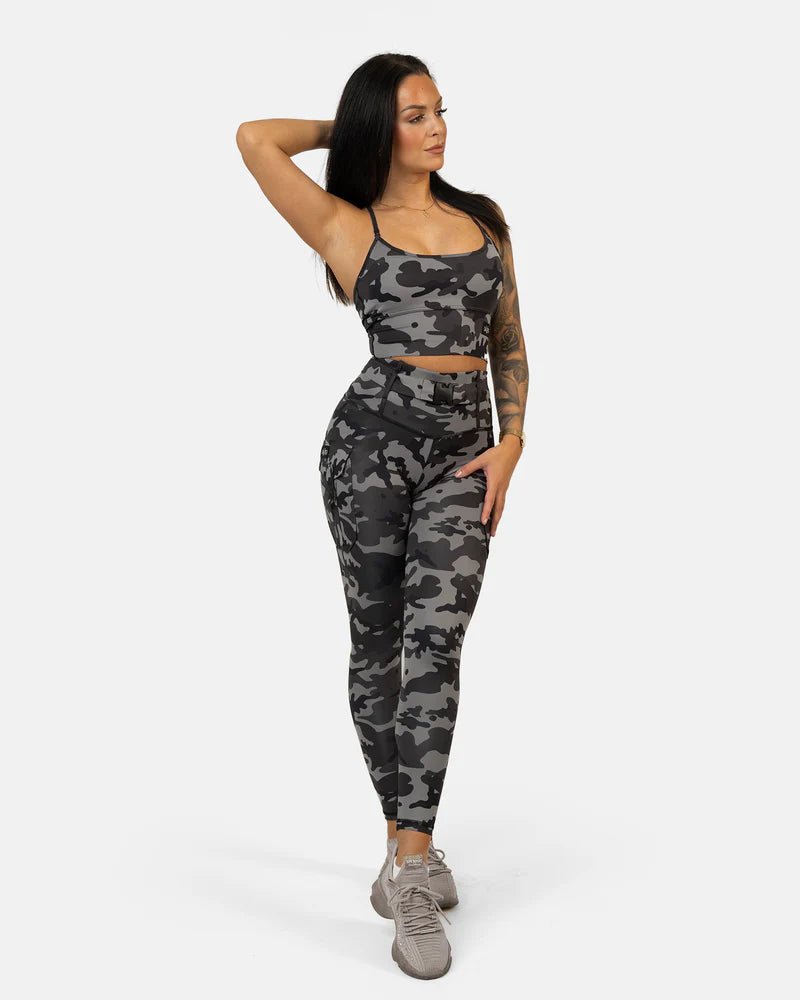
Credit: urbangymwear.co.uk
Leggings: Beyond The Gym
Leggings are not limited to gym wear. Many people wear them for travel, casual outings, or relaxing at home. The rise of athleisure means leggings fit many lifestyles.
Some brands make leggings with pockets, zippers, or thermal layers for outdoor use. Leggings can also be layered under skirts or dresses for warmth.
Leggings Trends And Innovations
New innovations are shaping leggings as gym wear. Brands offer features like:
- Smart fabrics that monitor body temperature.
- Leggings with built-in resistance bands for extra workout intensity.
- Seamless designs for extra comfort.
- UV-protective leggings for outdoor exercise.
These trends show that leggings are evolving to meet fitness needs.
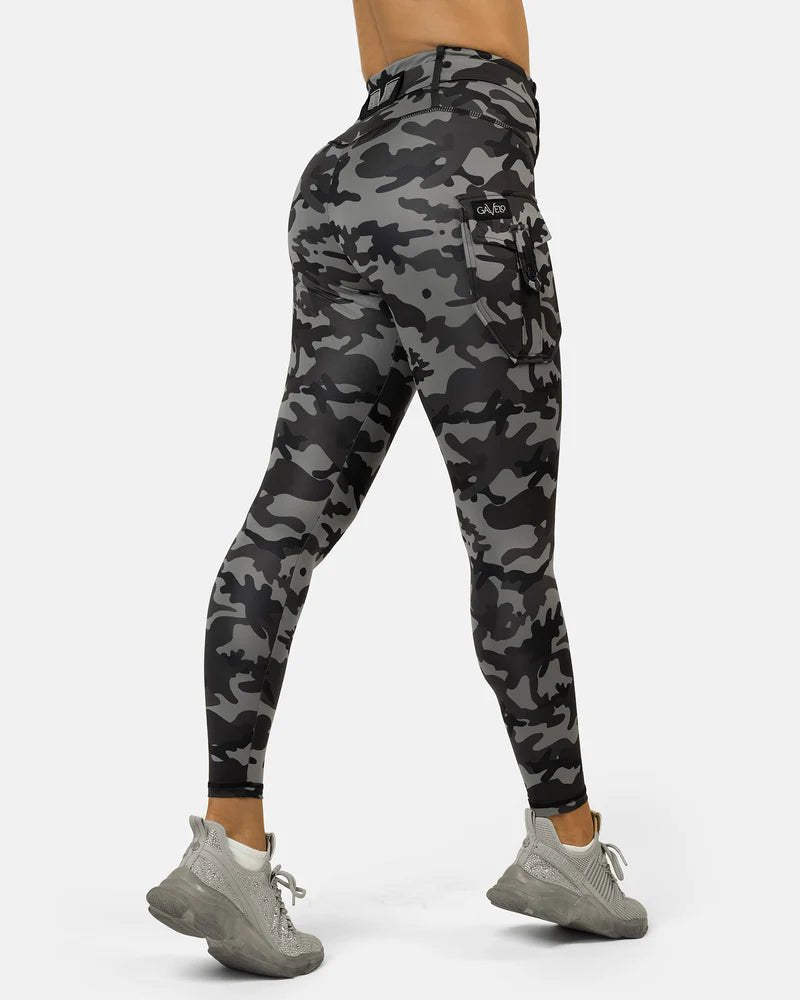
Credit: urbangymwear.co.uk
Leggings And Gym Wear Statistics
Leggings are the most popular gym bottom for women. Surveys show that:
- Over 70% of female gym-goers prefer leggings to shorts or sweatpants.
- Sales of athletic leggings have increased by more than half in recent years.
- Men’s leggings sales are rising, especially in running and cycling.
These numbers reflect leggings’ status as gym wear.
Expert Opinions On Leggings As Gym Wear
Fitness experts support leggings for gym use. Trainers recommend leggings for flexibility and support. Physiotherapists say compression leggings help with muscle recovery.
However, experts warn against low-quality leggings. Always choose leggings with athletic features. If you have special needs, such as joint pain, consult a professional before choosing gym wear.
Leggings And Gym Wear Brands
Many brands specialize in gym leggings. Some top brands include:
- Nike: Offers performance leggings for all sports.
- Lululemon: Known for high-quality yoga and fitness leggings.
- Adidas: Combines style and athletic performance.
- Under Armour: Focuses on compression and durability.
- Gymshark: Popular among young athletes for trendy designs.
Each brand has its strengths. Try different brands to find the best fit for your body and activity.
Comparing Gym Leggings Prices And Features
Leggings prices vary. Here’s a comparison of popular brands:
| Brand | Price Range | Main Features |
|---|---|---|
| Nike | $50–$120 | Performance, moisture-wicking, durability |
| Lululemon | $80–$150 | Yoga, comfort, style, compression |
| Adidas | $40–$110 | Breathability, athletic design |
| Under Armour | $45–$100 | Compression, support |
| Gymshark | $35–$80 | Trendy, affordable, flexible |
Higher prices usually mean better materials and features. If you exercise often, investing in quality leggings pays off.
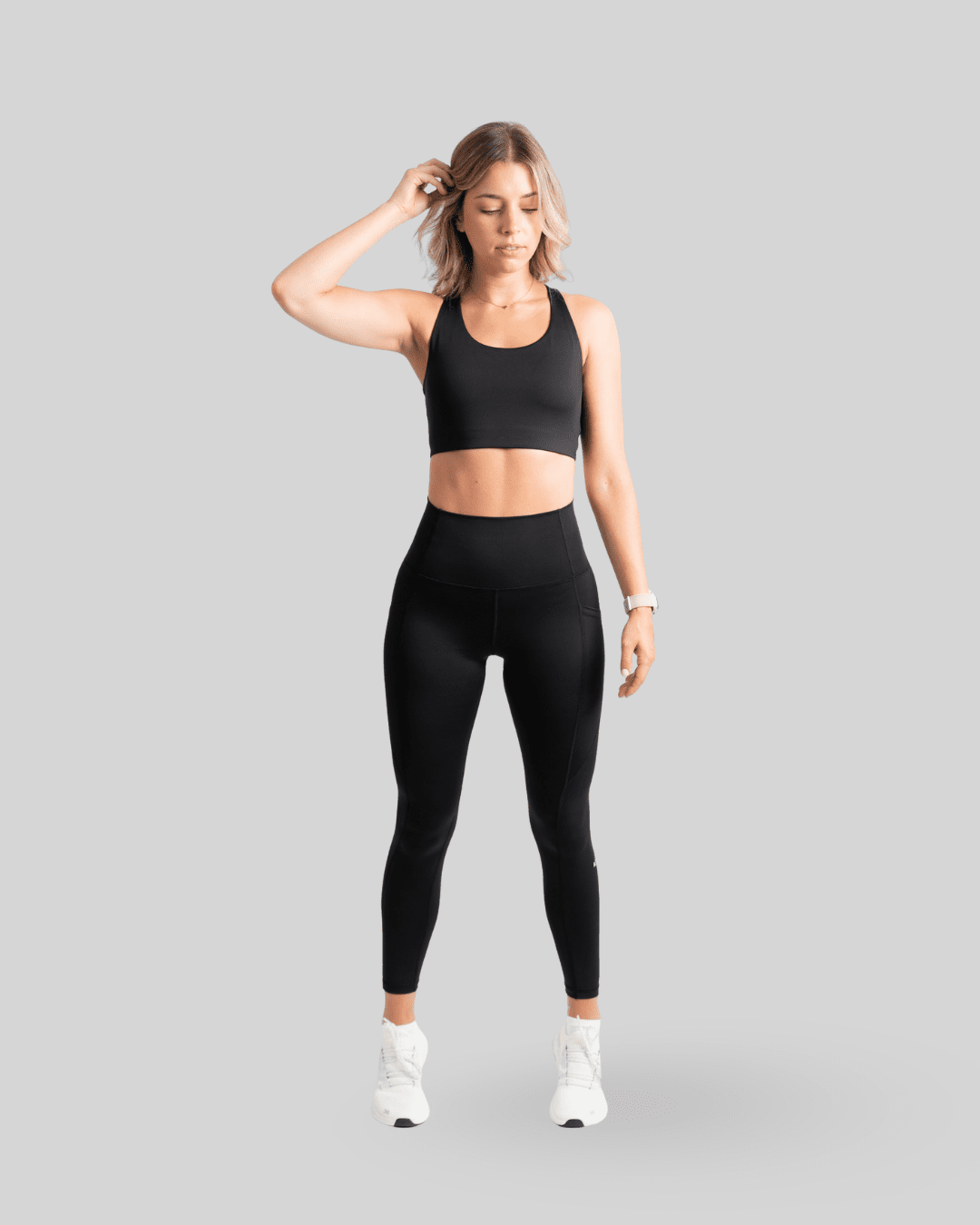
Credit: athletifreak.com
Leggings And Personal Preference
Ultimately, gym wear is about personal comfort. Some people love leggings, while others prefer shorts or pants. Try different styles to find what works for you.
Leggings can be empowering, stylish, and practical. But it’s okay if you prefer other options. Choose gym wear that makes you feel confident and comfortable.
Non-obvious Insights: What Most Beginners Miss
- Seam placement matters: Seams running along sensitive areas can cause chafing during long workouts. Look for leggings with flatlock seams.
- Pockets aren’t just for style: Leggings with secure pockets can hold your phone or keys, reducing distractions during exercise.
- Length affects performance: Full-length leggings provide warmth, while cropped leggings are better for hot environments.
- Color choice impacts sweat marks: Dark-colored leggings hide sweat better, which helps in high-intensity classes.
- Leggings can help with proprioception: Compression leggings enhance your sense of movement and balance.
Frequently Asked Questions
Are Leggings Suitable For All Gym Activities?
Leggings are suitable for most gym activities, including yoga, weight training, and cardio. Choose leggings with athletic features for intense workouts. For sports with contact or rough surfaces, consider more durable pants.
How Can I Avoid Buying See-through Leggings?
To avoid see-through leggings, check fabric thickness and do a squat test in bright light. Read reviews and choose brands known for quality. Look for features like “squat-proof” in product descriptions.
Can Men Wear Leggings In The Gym?
Yes, men can wear leggings, often called tights or compression pants. They offer support and help with muscle recovery. Many men wear leggings under shorts for comfort and confidence.
How Often Should I Wash Gym Leggings?
Wash gym leggings after each workout. Use cold water and avoid fabric softeners. Air-dry to protect fibers. Regular washing prevents odor and skin issues.
What Are The Best Brands For Gym Leggings?
Top brands for gym leggings include Nike, Lululemon, Adidas, Under Armour, and Gymshark. Each offers different features. Try several brands to find the best fit and performance.
If you want to learn more about athletic wear materials and performance, visit Wikipedia.
Leggings have earned their place as gym wear. They are flexible, supportive, and stylish. With the right choice, leggings can help you feel confident and comfortable in any workout. Choose wisely, care for your leggings, and enjoy your fitness journey.
