

Is It Okay to Wear Gym Clothes Twice? Fitness Experts Weigh In
Is It Okay To Wear Gym Clothes Twice?
Walking into the gym, you might wonder if you can use yesterday’s workout clothes again. It’s a common question, especially for people who exercise regularly but don’t want to do laundry every day. Some people swear by wearing the same gym clothes for multiple workouts, while others think it’s unhygienic. The answer isn’t always simple. It depends on your activities, sweat levels, the type of clothes, and your own health needs.
This article will explore the science, the risks, and the practical side of re-wearing gym gear. You’ll find real-world advice, expert opinions, and tips to help you decide what’s right for you. By the end, you’ll have a clear understanding of whether it’s okay to wear gym clothes twice, when it’s safe, and when you should head for the laundry basket.
Why People Consider Wearing Gym Clothes Twice
Life moves fast, and sometimes laundry isn’t a top priority. Let’s look at why so many people choose to re-wear workout gear:
- Saving Time and Effort: Washing clothes every day isn’t practical for most. Gym clothes pile up quickly, and not everyone can do laundry after each session.
- Saving Water and Energy: Washing less often can lower your water and electricity use, which is good for the planet and your wallet.
- Clothing Durability: Frequent washing can wear out elastic and fabrics, making clothes fade or lose their fit. Skipping some washes may help clothes last longer.
- Small Workouts: After a light session, like stretching or a short walk, your clothes might not seem dirty.
- Limited Wardrobe: Not everyone has a closet full of workout options, especially if you’re just starting your fitness journey.
These reasons are all valid, but are they safe? Let’s dive deeper.
What Happens When You Sweat In Gym Clothes
Your body sweats to cool itself. Sweat is mostly water, but it also contains salt and a bit of oil. When you exercise, sweat soaks into your clothes, especially in areas like the armpits, back, and groin.
But sweat does more than make your clothes wet. It creates a warm, moist environment that’s perfect for bacteria and fungi to grow. These germs come from your skin and the air. Over time, they multiply, creating smells and sometimes causing skin problems.
Even if your workout doesn’t drench your clothes, natural oils and dead skin cells can still build up. These invisible leftovers can stay on your gym clothes, attracting more bacteria the next time you wear them.
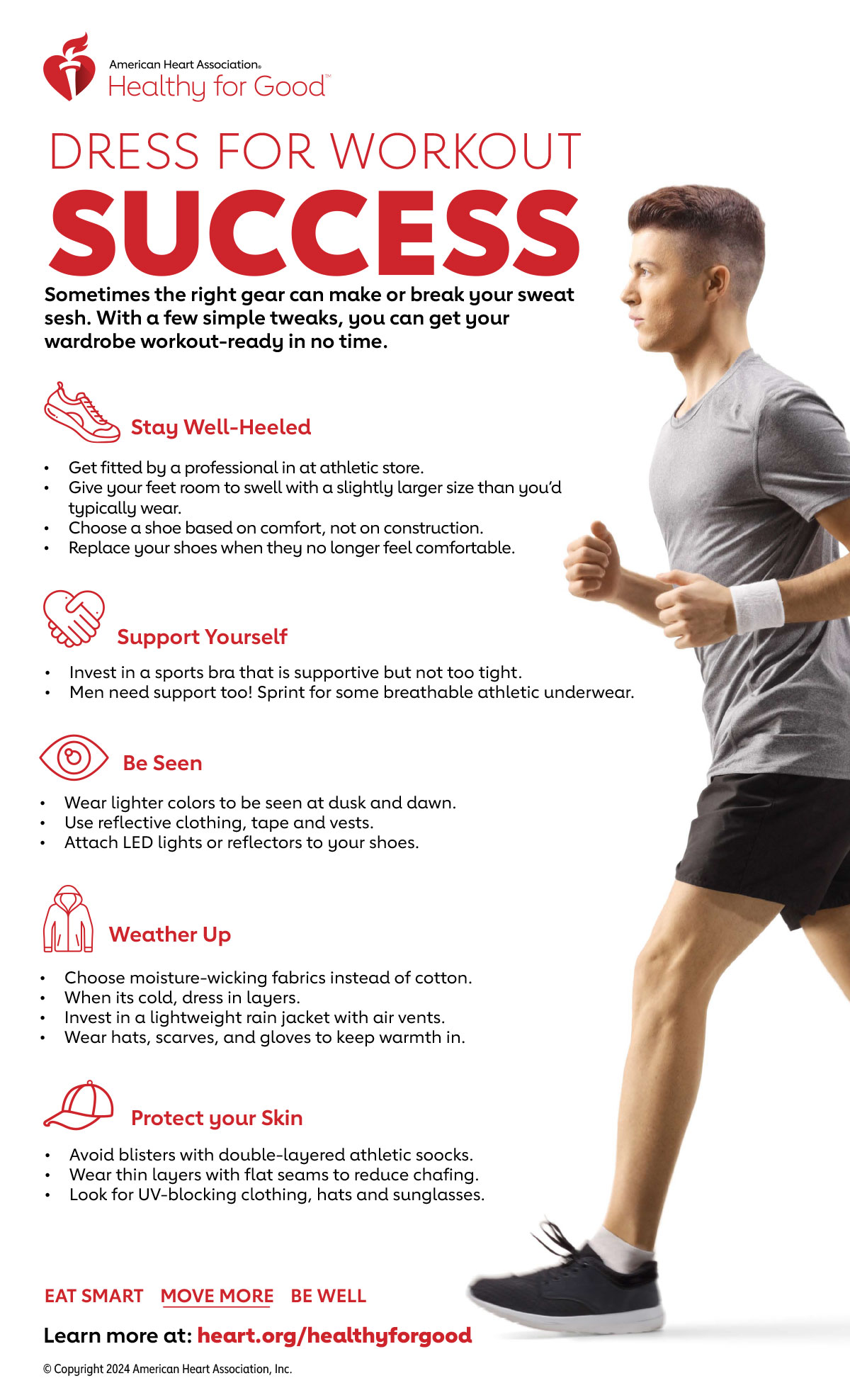
Credit: www.heart.org
How Fast Do Gym Clothes Get Dirty?
Not all workouts are the same. A gentle yoga class and a high-intensity cardio session have very different effects on your clothes. Here’s a comparison to help you understand:
| Workout Type | Sweat Level | Clothes Condition After Use |
|---|---|---|
| Light Yoga/Stretching | Low | Usually dry, little odor |
| Weight Training | Moderate | Slightly damp, mild odor |
| HIIT/Cardio | High | Very damp, strong odor |
| Outdoor Running | High + Dirt | Wet, may have dirt or pollen |
If your workout left your clothes almost dry, they may be okay for a second use. But if you sweated a lot or were outside, your clothes might be dirtier than you think.
The Science Of Smell: Why Gym Clothes Stink
That classic “gym smell” comes from more than just sweat. Sweat itself is mostly odorless. The real problem is bacteria. When bacteria break down sweat and oils, they release volatile organic compounds (VOCs) that smell bad.
Synthetic fabrics like polyester are common in workout gear because they dry fast and stretch well. But studies show these fabrics often trap more odor than cotton. Polyester fibers hold on to sweat and bacteria, so the smell can linger even after washing.
Bacteria can multiply quickly in damp clothes. If you put sweaty clothes in your gym bag or leave them in a pile, the smell gets worse. Sometimes, the odor is so strong that only special sports detergents can remove it.

Credit: webstories.theguardian.com
Health Risks Of Wearing Gym Clothes Twice
Most people can wear clothes more than once with no serious problems. However, re-wearing sweaty gym gear does come with some risks, especially for your skin.
Skin Infections
Warm, damp clothes are perfect for bacteria and fungi. Common problems include:
- Fungal Infections: Such as athlete’s foot, jock itch, or ringworm. These grow in moist areas, like groin or feet.
- Bacterial Infections: Like folliculitis, where hair follicles become infected, causing red bumps.
- Body Acne: Sweat and bacteria can block pores, especially on your back and shoulders.
If you’re prone to skin problems, it’s safer to wear clean clothes each time.
Odor Transfer
Wearing gym clothes twice can make you smell bad, even if you showered. Old sweat and bacteria can transfer back to your skin, causing you to smell sooner.
Allergic Reactions
Some people are sensitive to the buildup of body oils, detergents, or fabric softeners. Re-wearing unwashed clothes might lead to itchy skin or rashes.
Risk For Others
If you’re working out in a public gym, your sweaty clothes can spread germs to shared equipment. For example, MRSA (a drug-resistant bacteria) can live on gym gear and spread to others.
When Is It (sometimes) Okay To Rewear Gym Clothes?
Not all repeat-wearing is risky. Here’s when it’s usually fine:
- Low-Intensity Workouts: If you did yoga or a short walk and didn’t sweat, your clothes are likely still clean.
- Quick Drying: If you hang your clothes to air out right after exercise, bacteria won’t multiply as fast.
- Single Use Items: Sports bras, underwear, and socks should not be worn twice without washing. They touch sensitive skin and trap sweat.
- No Visible Dirt: If your clothes look and smell clean, and you didn’t sweat much, a second wear can be safe.
Still, always trust your senses. If in doubt, wash them.
When You Should Never Rewear Gym Clothes
Sometimes, reusing gym clothes is a bad idea. Here are clear warning signs:
- Heavy Sweat: After intense workouts, the moisture feeds bacteria.
- Visible Stains or Dirt: If there’s any sign of dirt, mud, or grass, wash them.
- Strong Odor: If your clothes smell before you put them on, bacteria are already active.
- Sensitive Skin or Infections: If you have a rash, cut, or infection, always wear clean clothes.
- Shared Equipment: In public gyms, it’s more polite and safer to wear clean gear.
How To Safely Rewear Gym Clothes
If you really need to wear gym clothes twice, here’s how to do it safely:
- Hang Clothes to Dry Immediately: Never leave sweaty clothes in a gym bag. Hang them in a well-ventilated area to let moisture evaporate.
- Spot Clean: Wipe off sweat stains with a damp cloth and let the area dry.
- Use Antibacterial Spray: Some sprays are made for fabrics and can reduce bacteria between washes.
- Rotate Clothing: Don’t wear the same outfit two workouts in a row. Alternate to allow more drying time.
- Wear Fresh Underwear and Socks: These are not optional. Always change them.
Pay attention to any skin irritation. If you notice redness, itchiness, or bumps, go back to wearing clean clothes every time.
Comparing Fabric Types: Which Gym Clothes Are More Rewearable?
Not all gym clothes act the same way after a workout. Here’s how common fabrics compare for odor and bacteria:
| Fabric Type | Odor Retention | Drying Speed | Rewear Potential |
|---|---|---|---|
| Polyester | High | Fast | Low to Moderate |
| Cotton | Low | Slow | Moderate |
| Wool (Merino) | Very Low | Medium | High |
| Bamboo | Low | Medium | High |
Merino wool and bamboo naturally resist odor, so they can sometimes be worn twice if not soaked with sweat. Polyester dries quickly but holds odor, so it’s less ideal for repeated use without washing. Cotton absorbs sweat but dries slowly, which can feed bacteria if not aired out.
Gym Clothes And Personal Hygiene: What Experts Say
Dermatologists and fitness trainers often get asked about re-wearing workout clothes. Most agree on a few main points:
- Personal hygiene comes first. If you have sensitive skin or a history of infections, stick to clean clothes.
- Consider your activity. For light workouts, a second use may be fine. For heavy sweat, always wash.
- Listen to your body. If you notice new skin issues, change your routine.
One dermatologist explained that moisture, friction, and bacteria are the key factors for skin problems. Reducing any of these by airing out clothes or washing helps lower risk.
Environmental Impact: Laundry And The Planet
Washing clothes uses water, electricity, and detergent, all of which have an impact on the environment. According to the Environmental Protection Agency, a large part of residential water use comes from laundry. Plus, synthetic clothes shed tiny plastic fibers in each wash, which can end up in rivers and oceans.
By wearing gym clothes twice (when safe), you can help reduce your footprint. Try to wash only truly dirty clothes, and use cold water and full loads to save resources.
However, cleanliness is also important. Don’t compromise your health just to save a wash cycle.
Practical Tips For Managing Gym Clothes
Balancing hygiene and convenience isn’t always easy. Here are some practical steps:
- Have a Small Rotation: Own at least 2–3 sets of gym clothes. This allows you to air out one set while wearing another.
- Quick Rinsing: After heavy workouts, a quick rinse in the sink with water can help remove sweat and bacteria.
- Use Odor-Resistant Fabrics: Invest in clothes made from merino wool or bamboo, especially for shirts and base layers.
- Keep a Gym Bag Freshener: Silica gel packs or cedar balls can help absorb moisture and reduce smells in your bag.
- Wash With Sports Detergent: These are designed to remove sweat and bacteria from synthetic fabrics.
- Shower After Workouts: Clean skin means less bacteria on your clothes in the first place.
Common Mistakes People Make
Many people try to save time or money by re-wearing gym clothes, but sometimes make mistakes. Here’s what to avoid:
- Leaving Clothes in a Bag: This traps moisture and encourages bacteria.
- Ignoring Odor: If your clothes smell, don’t wear them again, even if they look clean.
- Not Changing Underwear/Socks: These items collect more bacteria and sweat.
- Rewearing After Outdoor Workouts: Clothes can pick up pollen, dirt, and germs outside.
- Not Noticing Skin Changes: If you develop a rash or irritation, go back to clean clothes every time.
A little attention can prevent most problems.
How Often Should You Wash Different Gym Clothes?
Some clothes need more frequent washing than others. Here’s a quick guide:
| Clothing Item | Recommended Washing Frequency |
|---|---|
| Sports Bra | After every wear |
| Underwear | After every wear |
| Socks | After every wear |
| T-shirt/Tank Top | Every wear for heavy sweat, every 2 wears for light activity |
| Shorts/Leggings | Same as above |
| Jacket/Hoodie | Every 3–5 wears if not sweaty |
Always adjust based on your own sweat levels and activity.
Special Cases: When To Be Extra Careful
Some people should be more careful about rewearing gym clothes:
- Teenagers: Hormones can make sweat more powerful, leading to more bacteria.
- People with Skin Conditions: If you have eczema, psoriasis, or frequent rashes, always wear clean clothes.
- Athletes: Daily training means more sweat and exposure to others’ germs. Wash clothes every time.
- People Using Shared Equipment: Extra hygiene helps protect yourself and others.
If you’re in one of these groups, don’t risk it—wash after every use.
The Role Of Washing Machines And Detergents
Not all laundry routines are equal. Here’s how to get the best results:
- Use Hot Water When Possible: Hot water kills more bacteria, but check your fabric care labels first.
- Sports Detergents: These break down sweat and bacteria better than regular soap.
- Don’t Overload the Washer: Clothes need space to move so detergent can work.
- Air Dry: Sunlight can help kill bacteria, but high heat can damage elastic. Air dry in sunlight if possible.
If your gym clothes still smell after washing, try a vinegar soak before your next wash.
The Social Side: Gym Etiquette And Smells
No one wants to be the person with noticeable body odor at the gym. Wearing fresh gym clothes is not just about hygiene—it’s about respect for those around you.
If you’re in a group class, using shared machines, or training with a partner, clean clothes are polite and appreciated. Most gyms have rules about hygiene, and wearing smelly clothes can even get you asked to leave.
Real-world Examples: What People Actually Do
People’s habits vary, but here are some real-world approaches:
- Commuters: Many who bike or run to work change into clean clothes at the office, but may rewear outer layers if they stayed dry.
- Minimalists: Some people own just one or two sets and wash every day, but use quick-drying fabrics.
- Frequent Exercisers: Those who train twice a day often rotate several sets, washing them together every few days.
- Eco-Friendly Athletes: Some use odor-resistant fabrics to reduce washes and hang clothes to air out between uses.
There’s no one right answer—find what works for your lifestyle.
When In Doubt, Trust Your Senses
After everything, your own senses are a good guide. If your clothes look, feel, and smell clean, and you didn’t sweat much, it’s usually fine to wear them again. If you have any doubts, or if your skin feels uncomfortable, choose a fresh set.
What About Accessories And Shoes?
Don’t forget about your gym accessories:
- Shoes: Let shoes dry between workouts. Use odor-fighting sprays or inserts if needed.
- Hats/Headbands: Wash these often, as they collect sweat from your scalp.
- Gloves: If you use weightlifting gloves, let them dry fully and wash as needed.
These items can also harbor bacteria and cause odor if not cared for properly.
Summary: Balancing Hygiene, Convenience, And Comfort
Wearing gym clothes twice is sometimes okay, especially for low-sweat workouts or if you use odor-resistant fabrics. But for heavy workouts, or if you’re prone to skin problems, choose clean clothes each time. Always wash underwear, socks, and sports bras after every use.
Hang clothes to dry right away, and listen to your senses and your skin. Good hygiene protects your health and those around you, while smart habits can save time and resources.
If you want to dive deeper into sweat, bacteria, and clothing hygiene, the Wikipedia page on hygiene offers useful background.
Frequently Asked Questions
Can I Wear The Same Gym Clothes Two Days In A Row?
It depends on your workout intensity and sweat level. For light activity with little sweat, it’s usually fine if the clothes are aired out. For heavy sweat, always use clean clothes.
Is It Okay To Rewear Sports Bras And Underwear?
No. These items touch sensitive areas and collect more bacteria. Always wash sports bras and underwear after every use.
How Do I Reduce Odor In My Gym Clothes Between Washes?
Hang clothes to dry as soon as possible, use odor-resistant fabrics, and try sports detergents. You can also use antibacterial fabric sprays for extra protection.
Will Rewearing Gym Clothes Cause Skin Problems?
It can increase the risk, especially if you sweat a lot or have sensitive skin. Watch for any irritation, redness, or bumps, and switch to clean clothes if you notice problems.
What’s The Best Way To Store Used Gym Clothes Before Washing?
Let them dry fully in an open area. Don’t leave them in a closed bag or hamper while damp, as this encourages bacteria and odor.
With this information, you can make smart choices about your gym clothes and enjoy your workouts with more confidence and comfort.
Credit: www.theguardian.com
