

Is It Okay to Reuse Gym Clothes: Hygiene Tips You Need
Is It Okay To Reuse Gym Clothes
You finish your workout, feel sweaty, and quickly toss your gym shirt over a chair. Later, you wonder: “Can I wear this again?” Many people ask themselves if reusing gym clothes is safe or if it’s a bad habit. With busy schedules, laundry sometimes can’t keep up with gym routines. But what happens when you skip a wash and wear your workout clothes again?
Let’s take a close look at what really happens to your gym clothes after a workout. This article examines hygiene, skin health, odor, social concerns, and even practical tips for deciding when it's okay to reuse your gym gear—and when it’s not.
Along the way, you’ll see real data, expert advice, and smart solutions you might not have considered.
Why People Reuse Gym Clothes
Not everyone has time or energy to wash their workout gear after every session. Some reasons people reuse gym clothes include:
- Laundry load: Fewer loads mean less time spent washing and folding.
- Saving water and energy: Rewearing reduces environmental impact.
- Convenience: Sometimes you forget, or don’t have enough outfits.
- Expense: High-quality gym gear is costly; owning many sets is not always possible.
While these are practical reasons, it’s important to ask what’s actually happening to your clothes—and your health—when you make this choice.
What Happens To Gym Clothes After One Use
Sweat And Bacteria Build-up
When you exercise, your body produces sweat. Sweat alone is mostly water and salt, but it creates a perfect environment for bacteria. According to the American Academy of Dermatology, sweaty clothing traps moisture, which bacteria love. The result? Odor, possible skin irritation, and even infections.
Odor Development
The classic gym odor comes from bacterial growth. The longer you leave sweat on fabric, the more the bacteria multiply. A study from the Journal of Applied Microbiology found that gym shirts left unwashed for 48 hours had 15 times more bacteria than freshly washed clothing.
Fabric Breakdown
Repeated sweat exposure can also damage fabric. Sweat contains salts and oils that, over time, break down fibers. If you reuse without washing, your clothes may lose elasticity and wear out faster.

Credit: www.amazon.com
Health Risks Of Reusing Gym Clothes
Let’s dig deeper into what can actually go wrong if you make reusing a habit.
Skin Infections
The most common concern is skin infection. Sweaty, dirty clothes increase your risk of:
- Folliculitis: Infected hair follicles, causing itchy red bumps.
- Fungal infections: Like athlete’s foot or jock itch, which thrive in moist environments.
- Body acne: Pores get blocked by sweat, oil, and bacteria, leading to breakouts.
Body Odor
Wearing unwashed gym gear increases body odor. Even if you shower, the bacteria living in your shirt can transfer back to your skin. This can make you smell worse, even if you don’t notice it right away.
Allergic Reactions
Some people experience irritation or allergic reactions to the build-up of sweat, detergent residue, or bacteria. Symptoms include redness, itching, or rashes that appear where fabric touches the skin.
Risk Of Spreading Germs
Gyms are public spaces. If you carry bacteria or fungi on your clothes, you might transfer them to gym equipment, mats, or even to other people.
When Is It Okay To Reuse Gym Clothes?
Is it ever acceptable to wear your workout clothes a second time? The answer depends on several factors.
Type Of Workout
- Light activity: If you did a gentle yoga session and barely broke a sweat, reusing clothes once may be fine.
- Heavy sweating: After intense cardio, HIIT, or hot yoga, it’s best to wash immediately.
How Long You Wore Them
- Short sessions: Clothes worn for less than 30 minutes may have less bacteria.
- All-day wear: The longer you wear, the more sweat and bacteria build up.
Drying Between Uses
If you absolutely must reuse, let your clothes dry completely before wearing again. Damp clothes breed more bacteria.
Personal Hygiene
Showering right after a workout helps. However, if you put on dirty gym gear, you may undo the benefits of a good wash.
Skin Sensitivity
People with sensitive skin, eczema, or acne-prone skin should avoid reusing gym clothes to prevent irritation or breakouts.
Type Of Clothing
- Socks and underwear: Never reuse without washing. They trap moisture and bacteria in sensitive areas.
- Shirts and shorts: May be reused in low-sweat situations, but this is not ideal.
How Often Should You Wash Gym Clothes?
Dermatologists generally recommend washing gym clothes after every use. This is especially true for items that touch sweaty areas like your back, chest, and legs.
But, if you must reuse:
- Hang clothes to dry right after your workout.
- Avoid leaving sweaty gear in your gym bag.
- Check for visible dirt or strong odor—these are signs you should not reuse.
Comparing Gym Clothing Materials And Their Effects
Some materials handle sweat and bacteria better than others. Here’s how common fabrics compare:
| Material | Bacteria Growth | Odor Control | Drying Speed |
|---|---|---|---|
| Cotton | High | Poor | Slow |
| Polyester | Medium | Moderate | Fast |
| Merino Wool | Low | Excellent | Fast |
| Bamboo | Medium | Good | Moderate |
Merino wool is a top choice for odor resistance and fast drying, making it more reusable than cotton or standard synthetics. However, these clothes can be expensive.
Social And Psychological Factors
Reusing gym clothes is not just about hygiene. There are also social and emotional factors:
Confidence And Motivation
Wearing fresh, clean clothes can boost your confidence in the gym. You may feel more motivated and less self-conscious.
Social Stigma
Gyms are social spaces. Strong body odor or stained shirts can make you feel uncomfortable or embarrassed, which might reduce your motivation to exercise.
Gym Etiquette
Most gyms expect members to maintain basic hygiene. Wearing obviously dirty clothes may be seen as disrespectful to others.
Environmental Impact
Washing clothes after every use uses water, energy, and detergent. For people concerned about the environment, this is a real issue.
Water And Energy Use
A typical washing machine uses about 40 liters of water per load. If you go to the gym five times a week, that adds up.
Microfiber Pollution
Synthetic gym clothes shed microfibers during washing, which can pollute water systems.
Balancing Hygiene And Sustainability
You can balance hygiene and sustainability by:
- Washing full loads
- Air-drying clothes
- Using cold water cycles
- Investing in odor-resistant fabrics
Tips For Minimizing The Need To Reuse
If you want to avoid reusing, but hate doing laundry, these strategies can help:
- Buy more essentials: Having extra shirts, shorts, and socks means less frequent washing.
- Choose quick-drying fabrics: Polyester and merino wool dry fast, so you can hand wash and air-dry overnight.
- Use gym towels: Place towels between your skin and equipment to reduce sweat on your clothes.
- Change quickly: Get out of your gym gear as soon as your workout ends.
- Use antibacterial sprays: These can help freshen clothes in emergencies, but are not a substitute for washing.
Myths And Misconceptions
Let’s clear up some common myths:
“sweat Is Clean, So Reusing Is Safe.”
Sweat starts out sterile, but bacteria from your skin quickly multiply in sweaty clothes.
“odor Means It’s Dirty, No Odor Means It’s Clean.”
Bacteria can be present even if there’s no smell. Odorless does not always mean germ-free.
“you’ll Build Up Immunity By Reusing Gym Clothes.”
There’s no evidence that wearing dirty clothes makes your immune system stronger. It only increases your risk of skin problems.
Real Stories: What Happens When You Reuse
Many gym-goers have learned the hard way. For example, one athlete reported developing a rash on his back after reusing the same shirt for a week. A dermatologist confirmed it was folliculitis caused by bacteria.
Another case involved a runner who began to notice her socks developed a persistent smell and, eventually, she got athlete’s foot. Once she started washing after every use, the problem disappeared.
How Often Do People Actually Wash Their Gym Clothes?
Surveys show interesting results:
- A poll by a major athletic brand found 35% of gym-goers admit to reusing gym clothes at least once before washing.
- Of these, 60% said they did so because they didn’t have enough clean clothes, and 25% did it to save on laundry.
- 50% noticed increased odor or skin irritation after reusing.
This shows you’re not alone if you occasionally reuse, but most people notice negative effects.
Gym Clothes: Item-by-item Guidance
Here’s a closer look at what you should—and shouldn’t—reuse:
| Clothing Item | Safe to Reuse? | Reason |
|---|---|---|
| Shirts | Sometimes | Low sweat, short sessions only |
| Shorts | Sometimes | Similar to shirts |
| Socks | Never | Traps moisture, high infection risk |
| Underwear | Never | Direct contact, must be clean |
| Sports bras | Rarely | High sweat area, wash after use |
| Jackets/Hoodies | Occasionally | If no direct sweat contact |
How To Store Used Gym Clothes Before Washing
If you can’t wash your clothes right away, proper storage helps reduce bacteria growth and odor.
- Hang clothes to dry: Don’t leave sweaty clothes in your gym bag.
- Use breathable bags: Mesh bags allow airflow and slow down bacteria growth.
- Avoid plastic bags: These trap moisture and make odors worse.
How To Wash Gym Clothes For Best Results
Washing gym clothes is not the same as regular laundry. Follow these tips:
- Turn clothes inside out: This exposes sweat and bacteria to detergent.
- Use cold water: Hot water can break down stretchy fabrics.
- Avoid fabric softeners: They can coat fibers and reduce moisture wicking.
- Use sports detergent: These are designed to remove odors and bacteria.
- Air dry: Heat can damage elastic fibers, causing gym clothes to lose shape.
Alternatives: Odor-resistant Clothing And Tech Solutions
Some brands offer odor-resistant gym clothes treated with silver or other antimicrobial agents. These can be reused safely once or twice in low-sweat situations.
Another option is using ultraviolet light sanitizers, which kill bacteria on the fabric. While not a replacement for washing, these can help in emergencies.
However, be aware that some treatments lose effectiveness over time and frequent washing is still needed.
Common Mistakes When Reusing Gym Clothes
Many people make errors that increase the risks:
- Leaving clothes in a gym bag: This creates a perfect environment for bacteria.
- Not allowing clothes to dry fully: Dampness promotes germs.
- Ignoring skin irritation: If you notice redness or itching, don’t reuse.
- Using heavy perfumes: These mask odors but do not stop bacteria growth.
- Reusing socks or underwear: Never do this; always wash after each use.
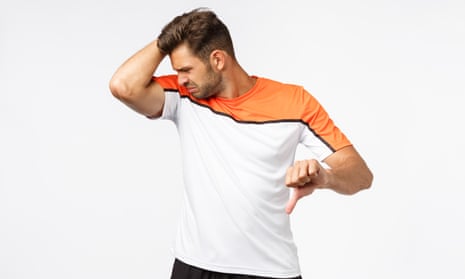
When Reusing Gym Clothes Is A Bad Idea
Some situations make reusing especially risky:
- If you have a skin infection or open cuts.
- If you suffer from chronic body acne or eczema.
- If you work out in a hot, humid environment.
- If you share gym equipment with others.
- If your clothes smell bad, even after airing out.
In these cases, always wash after each use.
Credit: www.theguardian.com
Expert Opinions
Most dermatologists and fitness trainers agree: washing after every use is best for health and hygiene. However, they also recognize that occasional reuse—especially for outer layers or low-sweat sessions—is not likely to cause harm for most healthy people.
If you’re unsure, listen to your body. If you notice increased odor, skin irritation, or discomfort, it’s time to stop reusing.
Non-obvious Insights
- Airflow matters more than you think. Hanging clothes in a well-ventilated space reduces bacteria growth and odor much better than simply tossing them in a pile.
- Not all sports detergents are equal. Some only mask smell but do not kill bacteria. Look for those with antibacterial properties.
- Skin pH changes after workouts. Prolonged contact with sweaty clothes can disrupt your skin's natural barrier, increasing risk for infection—especially for people with sensitive skin.
Making A Personal Decision
Everyone has a different routine, skin type, and lifestyle. The best approach is to weigh the benefits and risks for yourself. If in doubt, lean toward washing more often, especially for items that touch sweaty or sensitive areas.
If you want more information about gym hygiene, you can read the guidelines from the Centers for Disease Control and Prevention.
Frequently Asked Questions
Is It Ever Safe To Reuse Gym Clothes?
Reusing is sometimes safe after low-sweat activities, if you air dry the clothes completely and have no skin problems. For intense workouts or if you are prone to skin issues, it’s best to wash after every use.
Which Gym Clothes Are Most Important To Wash After Each Use?
Socks, underwear, and sports bras should always be washed after each use. These items collect sweat and bacteria in sensitive areas and are high risk for infection.
How Can I Reduce Odor If I Must Reuse Gym Clothes?
Let your clothes dry fully in a well-ventilated space, use antibacterial sprays if necessary, and choose odor-resistant fabrics. However, these are temporary fixes and not replacements for washing.
Can Reusing Gym Clothes Cause Acne Or Skin Problems?
Yes. Wearing sweaty, unwashed clothes can block pores and promote bacteria growth, leading to body acne, rashes, or fungal infections.
Is Using A Gym Towel Enough To Reuse Clothes Safely?
A towel helps reduce sweat on your clothes, but it doesn’t eliminate all bacteria and moisture. Clothes will still need washing, especially if you sweat heavily.
Wearing clean gym clothes isn’t just about looking or smelling fresh—it’s about protecting your skin, confidence, and health. Making smart choices means you can enjoy your workouts with less worry, more comfort, and better results.

Credit: www.amazon.com
