

Is It Ok to Wear Jeans for Business Casual? Style Guide
Is It Ok To Wear Jeans For Business Casual
Business casual is one of the most confusing dress codes in modern workplaces. Many people wonder if jeans are allowed, or if they risk looking too relaxed. The answer isn’t always simple. What’s acceptable in one office might be frowned upon in another. Understanding when and how to wear jeans in a business casual environment is important for feeling confident and fitting in.
In this guide, you’ll learn what business casual really means, how jeans fit into this style, and how to choose the right pair for work. You’ll also get practical tips, real examples, and answers to common questions. If you’re unsure about wearing jeans to your job, this article will help you decide and avoid mistakes.
What Is Business Casual?
Business casual is a mix of formal and informal clothing. It allows for comfort but still looks professional. Unlike full business attire, business casual doesn’t require suits or ties. It’s more relaxed, but not as loose as weekend wear.
The core idea is to look neat, tidy, and ready for work without being too stiff. Popular choices include button-down shirts, blouses, khaki pants, and closed-toe shoes. The exact rules can vary based on company culture, industry, and location.
Common Business Casual Pieces
- Trousers (like chinos, slacks)
- Button-up shirts and blouses
- Knit sweaters
- Blazers (optional)
- Dress shoes or clean loafers
Jeans are sometimes included, but only if they fit certain standards.
The Role Of Jeans In Business Casual
Jeans are a staple in many wardrobes, but are they truly business casual? This question has sparked debate in offices and online forums. The answer depends on several factors:
- Company dress code: Some companies accept jeans, others don’t.
- Industry norms: Creative fields may be more relaxed.
- Type of jeans: Not all jeans are equal.
Why Jeans Are Popular
Jeans are comfortable, easy to wear, and durable. They suit many body types and come in different styles. For younger workers or those in tech, jeans often feel natural. Many companies have relaxed their dress codes, especially with more remote work and flexible office cultures.
However, jeans can also look too casual if not styled correctly. Old, faded, or ripped jeans are rarely accepted in a business setting. Clean, dark, and well-fitting jeans are the safest bet.
Company Dress Codes And Industry Standards
Before you wear jeans for business casual, check your company’s dress code. Most companies outline what’s allowed in employee handbooks or onboarding documents. If you don’t know, ask your manager or HR.
Different industries have different expectations. Let’s compare a few:
| Industry | Jeans Accepted? | Notes |
|---|---|---|
| Tech | Often Yes | Casual offices, jeans common |
| Finance | Rarely | Formal dress, jeans not typical |
| Creative (Design/Media) | Usually Yes | Flexible dress code |
| Healthcare | No | Uniforms or professional attire |
| Education | Sometimes | Depends on school policy |
| Legal | No | Formal attire required |
Many startups, agencies, and tech firms now allow jeans. Traditional companies (like banks or law offices) usually do not. If you work in a place with a strict dress code, jeans may be risky.
The Right Jeans For Business Casual
Not all jeans are suitable for work. Choosing the right pair is key. Here’s what to look for:
1. Color
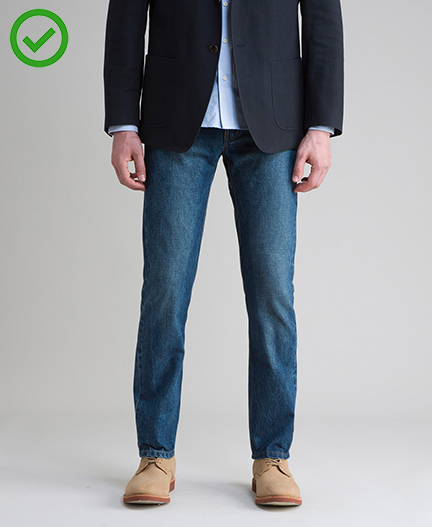
Dark wash jeans are best. They look cleaner and more polished. Avoid light wash, distressed, or faded styles. Black jeans can also work well.
2. Fit
Jeans should fit comfortably but not be too tight or baggy. Straight-leg, slim, or tailored fits are safest. Avoid skinny jeans unless your office is very casual.
3. No Distressing
Business casual jeans should be free of rips, holes, or excessive fading. No patches, embroidery, or loud designs.
4. Quality
Choose jeans made of good-quality denim. Cheap jeans may lose color or shape quickly.
5. Length
Jeans should not drag on the floor or bunch up at the ankles. They should look neat with your shoes.
6. Details
Keep pockets, stitching, and buttons simple. Flashy details stand out and can look unprofessional.
| Feature | Business Casual Approved? | Reason |
|---|---|---|
| Dark Wash | Yes | Polished, professional look |
| Light Wash | No | Too casual |
| Ripped/Distressed | No | Unprofessional |
| Slim Fit | Yes | Neat, tailored appearance |
| Baggy Fit | No | Looks sloppy |
| Embellishments | No | Too flashy |
| Black Denim | Yes | Works well in business settings |
Credit: toddshelton.com
How To Style Jeans For Business Casual
Wearing jeans is only part of the equation. How you style them matters just as much. Pairing jeans with the right top, shoes, and accessories can elevate your look.
Tops
- Button-down shirts: Classic, neat, and always appropriate.
- Blouses: For women, a crisp blouse pairs well with jeans.
- Sweaters: Lightweight knits work well in cooler months.
- Blazers: Adding a blazer instantly makes jeans look more professional.
Shoes
- Loafers
- Dress shoes
- Ankle boots
- Clean sneakers (only if your office allows)
Avoid flip-flops, sandals, or athletic shoes.
Accessories
- Belts: Choose leather or simple styles.
- Watches: Simple, classic designs add polish.
- Minimal jewelry: Avoid large or flashy pieces.
Practical Examples
Imagine you work at a tech company. You wear dark jeans, a white button-down shirt, and black loafers. Adding a navy blazer completes the look. This outfit feels relaxed but still ready for business.
Or, you’re in a creative agency. You choose black jeans, a patterned blouse, and ankle boots. A simple necklace and belt finish the outfit. The style fits the office vibe but looks polished.
Jeans Vs Other Business Casual Pants
Many people wonder if jeans are as professional as other business casual pants. Let’s compare jeans with popular options:
| Pant Type | Professional Level | Comfort | Best For |
|---|---|---|---|
| Jeans (Dark, Clean) | Medium | High | Casual workplaces |
| Chinos | High | Medium-High | Most business casual offices |
| Dress Slacks | Highest | Medium | Formal settings |
| Corduroys | Medium | High | Creative or winter wear |
Chinos and slacks are safer choices for conservative offices. Jeans work best in flexible environments, especially when styled well.
Common Mistakes When Wearing Jeans For Business Casual
Even if jeans are allowed, mistakes can make you look less professional. Here are frequent errors:
- Wearing distressed jeans: Ripped, faded, or frayed jeans are rarely appropriate.
- Choosing bright colors: Red, green, or patterned jeans stand out too much.
- Ignoring fit: Baggy or tight jeans look unprofessional.
- Combining jeans with casual tops: T-shirts, hoodies, and sweatshirts lower your look.
- Poor shoe choices: Athletic shoes or sandals reduce professionalism.
- Not checking dress code: Always confirm your company’s policy.
Many beginners forget to check the company culture before wearing jeans. Another common mistake is assuming all jeans are equal. Even if your office allows jeans, the wrong style can send the wrong message.
Signs Your Jeans Are Not Business Casual
Sometimes, it’s hard to tell if jeans are right for your workplace. Here are signs they don’t fit the business casual standard:
- Visible wear and tear
- Too tight or revealing
- Baggy or sloppy
- Loud colors or prints
- Casual top combinations (like hoodies or graphic tees)
- Unusual details (like patches, embroidery, or trendy cuts)
If your jeans have any of these traits, it’s safer to choose another option.
Gender Differences In Business Casual Jeans
There are a few differences in how men and women wear jeans for business casual.
Men
Men usually wear straight-leg or slim fit jeans. Pairing jeans with a button-down shirt and loafers is common. Sometimes, men add a blazer for a more formal touch.
Women
Women have more flexibility. Options include skinny, straight, or bootcut jeans. Blouses, sweaters, and structured jackets work well. Shoes can range from loafers to ankle boots.
One insight: Women’s jeans sometimes feature more decoration (like stitching or embellishments). For business casual, stick to simple designs.
How Jeans Fit In Different Office Cultures
Office culture has a big impact on what’s allowed. Some companies have “casual Fridays” where jeans are welcome. Others allow jeans all week. In very traditional offices, jeans are never allowed.
Casual Fridays
Many companies set aside Fridays for relaxed dress. Jeans are common, but standards still apply. Always wear clean, dark jeans and style them professionally.
Remote Work
With remote work, dress codes have relaxed. Employees often wear jeans at home, but video calls still require neat clothing. On camera, dark jeans with a smart top look professional.
Startups Vs Corporations
Startups are often more flexible. Jeans, t-shirts, and sneakers are normal. Corporations tend to be stricter, especially in client-facing roles. If you move between offices, adjust your style to fit.
Why Jeans Are Becoming More Accepted
Jeans are more popular in business casual settings for several reasons:
- Comfort: Jeans are more comfortable than dress pants.
- Changing norms: Younger generations prefer casual styles.
- Flexible workplaces: Tech and creative industries value relaxed dress.
- Practicality: Jeans are easy to care for and durable.
A survey found that nearly 60% of US companies now allow jeans at least once a week. This shift is driven by changing attitudes and a desire for comfort at work.
How To Ask About Jeans In Your Workplace
If you’re unsure, it’s better to ask than guess. Here’s how:
- Check the employee handbook: Most companies list acceptable clothing.
- Ask HR or your manager: Direct questions show you care about fitting in.
- Observe coworkers: What do others wear? Is anyone wearing jeans?
- Email for clarification: A quick note can clear up confusion.
It’s better to ask upfront than risk making a mistake. Many people are afraid to ask, but managers usually appreciate the effort.

Credit: plattar.com
Jeans And Business Casual: Real-life Examples
Let’s look at some real-world scenarios:
Example 1: Tech Startup
Sarah works at a tech startup. The company allows jeans every day. She wears dark jeans, a patterned blouse, and ankle boots. On days with client meetings, she adds a blazer. Her look is relaxed but smart.
Example 2: Marketing Agency
Carlos works at a marketing agency. Jeans are allowed, but must be neat. He chooses black jeans, a white button-down shirt, and brown loafers. He avoids ripped or faded jeans.
Example 3: Bank
Maya works at a bank. The dress code is strict—no jeans. She wears slacks and a blouse. Even on casual Fridays, only chinos are allowed.
Example 4: School Teacher
Emily teaches at a school with a casual dress code. She wears dark jeans, a sweater, and simple flats. Her outfit is comfortable for teaching but still professional.
These examples show that context matters. Even within the same city, dress codes can be very different.
Non-obvious Insights For Wearing Jeans At Work
Many articles mention basic tips, but here are two insights beginners often miss:
- Jeans can signal your attitude. If you wear jeans when others don’t, you may seem less serious about your job. Pay attention to company leaders and how they dress—mirroring their style helps you fit in.
- Jeans can affect promotions. Some managers associate formal dress with leadership. If you want to advance, choose business casual pants for important meetings or interviews.
Jeans And Sustainability In Business Casual
There is growing interest in sustainable fashion. Quality jeans can last for years, reducing waste. Choose brands that use eco-friendly materials or ethical production. Avoid “fast fashion” jeans that wear out quickly.
Some companies even highlight sustainability in their dress codes, encouraging employees to wear durable clothing.
The Future Of Jeans In Business Casual
Dress codes will keep evolving. As remote work and flexible offices grow, jeans may become even more accepted. However, professionalism will always matter. Jeans must be styled correctly to fit business casual.
Smart companies adapt their dress codes based on employee needs and industry trends. Employees should always check for updates and be ready to adjust.
Frequently Asked Questions
Are Jeans Business Casual Everywhere?
No. While jeans are accepted in many offices, they are not allowed everywhere. Always check your company’s dress code or ask HR before wearing jeans to work.
What Color Jeans Are Best For Business Casual?
Dark wash and black jeans are safest. They look polished and professional. Avoid light wash, bright colors, or patterned jeans.
Can I Wear Ripped Or Distressed Jeans For Business Casual?
No. Distressed jeans are usually not considered business casual. Business casual jeans should be clean, neat, and free from rips or holes.
How Can I Make Jeans Look More Professional?
Pair jeans with a button-down shirt, blazer, and dress shoes. Choose simple accessories and avoid casual tops like hoodies or t-shirts.
What If My Office Has No Written Dress Code?
Observe what coworkers and managers wear. If you’re unsure, ask HR or your manager. It’s better to confirm than make a mistake.
Final Thoughts
Wearing jeans in a business casual setting is possible, but it’s not always simple. The key is to choose the right jeans—dark, clean, and well-fitting—and style them with professional tops and shoes. Always check your company’s dress code and industry standards.
When in doubt, ask or observe what others wear.
Remember, how you dress at work sends a message. Jeans can work in many offices, but only when styled with care. If you want to stand out for the right reasons, pay attention to fit, color, and details. As work cultures change, jeans may become more common, but professionalism is always important.
For more in-depth dress code tips, visit Business News Daily.
With these insights, you can confidently decide whether jeans are right for your business casual wardrobe. Fit in, feel comfortable, and show your best self at work.

Credit: shopduer.com
