

Is It Ok to Wear Gym Clothes Twice? Expert Tips Reve
Is It Ok To Wear Gym Clothes Twice?
Imagine you finish a sweaty workout, toss your gym clothes in your bag, and realize you forgot to wash them. The next day, you consider wearing the same outfit again. Is it really okay to wear gym clothes twice before washing?
This question pops up for many, whether you are a fitness beginner, a busy professional, or someone trying to reduce laundry loads. While it might seem harmless, reusing athletic wear has both pros and cons. Understanding the details can help you make the best decision for your health, comfort, and routine.
Why People Rewear Gym Clothes
There are several reasons why people might choose to wear their gym clothes more than once. The most common one is convenience. Many people lead busy lives, and laundry can pile up quickly. Some want to save water and energy by reducing their laundry loads.
Others feel their gym session was not intense enough to make their clothes dirty. Cost also matters; athletic wear, especially high-tech fabrics, can be expensive, so people may want to extend their lifespan.
Another factor is climate. In colder weather or during light workouts, you may not sweat as much, making your clothes seem fresher. People also have different standards of cleanliness—what feels “used” to one person might feel “fine” to another. But convenience and cost-saving are not the only things to consider.
What Happens To Gym Clothes After One Wear?
The moment you exercise, your body releases sweat, oil, and dead skin cells. Most gym clothes are made of synthetic materials like polyester, nylon, and spandex. These fabrics wick moisture away but can also trap bacteria and odor.
When you wear gym clothes once, a few things happen:
- Sweat and body oils transfer to the fabric
- Bacteria from your skin start to grow in the damp environment
- Odor molecules build up, even if you can’t smell them right away
If you let your gym clothes air out, they may seem dry and fresh. But even after drying, bacteria and sweat residue can stay. Wearing them again means putting these microbes back on your skin, which can lead to problems if you are not careful.
Risks Of Wearing Gym Clothes Twice
It’s tempting to grab yesterday’s workout shirt, but there are real risks.
- Skin irritation – Sweat and bacteria can irritate the skin, especially if you are prone to rashes or have sensitive skin.
- Body odor – Even if clothes don’t smell at first, wearing them again can bring out hidden odors as bacteria reactivate with heat and moisture.
- Infections – The warm, moist environment in used gym wear is perfect for bacteria and fungi. This can lead to conditions like acne, folliculitis (infected hair follicles), or fungal infections (such as ringworm and athlete’s foot).
- Reduced performance – Dirty clothes can lose their moisture-wicking properties, making your workout less comfortable.
Some people are more at risk than others. For example, those with sensitive skin, allergies, or existing skin conditions should be extra careful. If you notice any redness, itching, or unusual smells, it’s a sign to wash your clothes before wearing them again.
Factors That Affect Whether You Can Wear Gym Clothes Twice
The real answer to whether it’s okay to rewear gym clothes is: it depends. Here are the most important factors to consider.
1. Type Of Workout
High-intensity workouts like running, HIIT, or spinning make you sweat a lot. Low-intensity activities like stretching, yoga, or walking may leave your clothes much cleaner.
- Heavy sweat = Wash after each use
- Light sweat = May rewear if aired out
2. Fabric Type
Not all gym clothes are created equal.
- Synthetic fabrics (polyester, spandex) trap sweat and bacteria more than natural fibers.
- Merino wool or bamboo fabrics are naturally antibacterial and resist odor, so you may be able to wear them twice.
3. Body Area
Some items get dirtier than others.
- Tops and sports bras are in direct contact with sweat glands—these need more frequent washing.
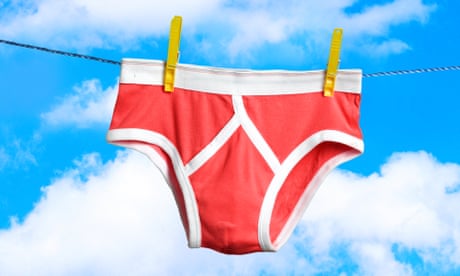
- Shorts, leggings, and socks are also high-contact. Underwear should never be worn twice.
- Outer layers (jackets, sweatshirts) may stay clean longer.
4. Duration And Setting
A quick 20-minute stretch at home is different from an hour at a busy gym. Public gyms have more germs, so clothes should be washed more often.
5. Personal Hygiene
If you shower before your workout or sweat less, your clothes might stay fresher. But skipping showers and leaving clothes balled up in a bag increases bacteria.
6. Weather And Humidity
Hot and humid weather leads to more sweat and bacterial growth. In dry or cold climates, clothes may stay cleaner.
What Science Says About Rewearing Gym Clothes
Many studies show that sweat itself does not smell—it’s the bacteria that break down sweat that produce odor. Synthetic fabrics, which are common in gym clothes, are especially good at trapping these bacteria. One research project found that synthetic shirts had more odor-causing bacteria after a workout than cotton shirts.
Another study showed that clothes left damp in a gym bag for even a few hours had much higher bacteria counts.
However, some fabrics like merino wool have natural properties that fight odor and bacteria. This is why some athletes and travelers choose wool for multiple wears.
A small survey by a fitness magazine found that over 60% of people admitted to wearing gym clothes more than once without washing. Most did not report problems, but those who did often struggled with skin irritation or body odor.
When Is It Usually Safe To Wear Gym Clothes Twice?
There are situations where rewearing is less risky:
- You did a short, light workout and barely sweated.
- Your clothes are made of odor-resistant fabrics like merino wool.
- You let your clothes air dry completely after wearing.
- You have no skin sensitivities or history of infections.
- The clothes are outer layers (like a sweatshirt) that did not touch your skin much.
If these conditions are met, you can probably wear your gym clothes twice. Still, it’s important to check for any signs of odor, stains, or irritation before deciding.
When You Should Always Wash Gym Clothes After One Use
There are cases where rewearing is not a good idea:
- You did an intense workout and sweated a lot.
- You have sensitive skin, eczema, or allergies.
- The clothes are socks, underwear, or sports bras (these touch sensitive areas and collect the most sweat and bacteria).
- You work out at a public gym.
- Your clothes smell, feel damp, or are visibly dirty.
Wearing dirty clothes in these situations raises your risk of skin problems, odor, and even infections.
How To Reduce Risks If You Want To Rewear Gym Clothes
If you still want to wear your gym clothes twice, here are steps to stay safe and comfortable.
- Hang clothes to air out immediately after your workout. Never leave them in a gym bag or pile.
- Choose odor-resistant fabrics. Merino wool and some high-tech synthetics are designed to fight bacteria.
- Use an antibacterial spray on your clothes if needed.
- Rotate outfits. Don’t wear the same clothes on consecutive days.
- Check your skin for irritation or rashes. If you notice anything, stop rewearing.
- Wash with hot water and use a detergent for sportswear when you do laundry.
These steps reduce bacteria and odor, making it safer to rewear clothes, especially for light workouts.
Myths And Misconceptions About Wearing Gym Clothes Twice
Let’s clear up some common myths.
- Myth: If you can’t smell it, it’s clean.
In reality, some bacteria and sweat residues don’t have a strong smell at first.
- Myth: All fabrics are the same.
Merino wool and bamboo really do resist odor better than polyester.
- Myth: Only “germaphobes” need to worry.
Even healthy people can get skin infections from dirty gym clothes.
- Myth: Airing out clothes kills all bacteria.
Drying reduces moisture but does not kill all germs.
Understanding these facts can help you make smarter choices for your health and comfort.
How Often Fitness Experts Wash Their Gym Clothes
Professional trainers and athletes follow strict hygiene. Most wash clothes after every wear, especially socks, underwear, and sports bras. Some may rewear items like jackets or shorts after a light session, but only if the clothing is aired out and passes the “smell test.
”
A few athletes who use merino wool or bamboo may stretch to two wears, but rarely more. Most recommend washing after each session, especially for high-sweat workouts.
Comparison: Rewearing Different Types Of Gym Clothes
To help you decide, here’s a quick comparison of how often you should wash different items.
| Item | Wash After Every Use? | Possible to Rewear? |
|---|---|---|
| T-shirt/Tank Top | Yes (if sweaty) | Maybe (light use, odor-resistant fabric) |
| Sports Bra | Yes | Rarely |
| Shorts/Leggings | Yes (if sweaty) | Maybe (light use, aired out) |
| Socks | Yes | No |
| Outer Layer (Jacket) | No (if not sweaty) | Yes |
How To Store Gym Clothes Between Wears
If you plan to wear gym clothes twice, storage is key.
- Hang clothes in a well-ventilated area. Avoid damp bathrooms or closed bags.
- Do not fold or pile damp clothes. Spread them out to dry fully.
- Use a fan or open window to speed drying if needed.
- Avoid plastic bags. These trap moisture and encourage bacteria.
Proper storage can help reduce odor and bacteria, making clothes safer to rewear.
Credit: www.self.com
How Laundry Habits Affect Clothing Lifespan
Frequent washing can wear down gym clothes, especially delicate or high-tech fabrics. However, not washing enough can lead to buildup of bacteria, oil, and stains that are hard to remove later. It’s about balance—wash when needed, but use the right methods.
| Laundry Habit | Effect on Clothes | Best For |
|---|---|---|
| Washing after every use | Shortens lifespan slightly | High-sweat workouts, sensitive skin |
| Washing after 2 wears (if light use) | Increases lifespan | Low-sweat, odor-resistant fabrics |
| Not washing for multiple wears | Buildup of bacteria, stains | Not recommended |
Use a gentle cycle and sports detergent to protect your athletic gear.
Environmental Impact Of Washing Gym Clothes
Washing gym clothes uses water, energy, and detergent. If you exercise daily, this can add up. Some people try to wash less often to help the environment. While this can save resources, it’s important not to risk your health.
Tips for balancing hygiene and the environment:
- Air out clothes fully before considering rewearing.
- Wash full loads of laundry to save water and energy.
- Use cold water when possible—most bacteria die in hot water, but some detergents work well in cold.
- Choose eco-friendly detergents that break down sweat and bacteria.
You can find more about sustainable laundry habits from EPA WaterSense.
How To Tell If It’s Time To Wash
Trust your senses and your skin. Here are signs that it’s time for a wash:
- Odor – If your clothes smell, even a little, wash them.
- Visible stains – Sweat marks, oil, or dirt need cleaning.
- Dampness – If the fabric feels moist, bacteria are likely present.
- Skin irritation – Any itching or redness is a sign.
If in doubt, it’s better to wash.
Tips For Keeping Gym Clothes Fresh Longer
To extend the life of your gym clothes and keep them safe for rewearing:
- Shower before workouts to reduce bacteria on your skin.
- Wear deodorant or antiperspirant to cut down on sweat.
- Turn clothes inside out when airing and washing—this helps clean sweat and oil from the inside.
- Wash with a sports detergent—these are made to break down sweat and bacteria.
- Dry clothes completely before storing. Dampness encourages bacteria.
These habits help keep your gym gear fresher, longer.
Signs You Should Not Rewear Gym Clothes
If you notice any of these, don’t risk it—wash your clothes:
- Strong or strange smells
- Itching or redness where the fabric touches your skin
- Fungal or bacterial infections (like athlete’s foot, ringworm)
- Persistent body odor even after showering
It’s not worth risking your skin health.
Real-life Examples: When Rewearing Was A Problem
Some gym goers share stories of skin breakouts, rashes, and even minor infections after rewearing athletic clothes. One runner developed a stubborn rash after using the same shirt for multiple runs, even though he thought it was “just a little damp.
” Another person got folliculitis (infected hair follicles) after reusing leggings for yoga. These issues cleared up once they started washing clothes after every session.
While not everyone will experience problems, these stories are a reminder to listen to your body and not take unnecessary risks.
Credit: www.theguardian.com
Summary: Should You Wear Gym Clothes Twice?
- For most people, washing after every use is the safest option, especially for clothes that touch sweaty areas.
- If your workout was light, your clothes are made of odor-resistant fabric, and you air them out well, it can be okay to wear gym clothes twice.
- Never rewear underwear, socks, or sports bras without washing.
- If you have sensitive skin or notice any irritation, always wash after one use.
- Store clothes properly and check for any signs of odor or dampness before deciding.
Making smart choices about rewearing gym clothes can protect your health, save time, and extend the life of your athletic gear.
Frequently Asked Questions
Can I Wear Gym Shorts Or Leggings Twice Before Washing?
You can sometimes wear shorts or leggings twice if your workout was light, you did not sweat much, and the fabric is odor-resistant. Make sure you air them out completely and check for any smell or dampness before rewearing. For high-intensity workouts or if you sweat a lot, wash after every use.
Is It Safe To Wear The Same Sports Bra Two Days In A Row?
It is not recommended to wear the same sports bra twice without washing. Sports bras sit close to the skin, collect sweat, and trap bacteria. This can lead to skin irritation, breakouts, or even infections, especially in sensitive areas.
What Fabrics Are Best For Rewearing Gym Clothes?
Merino wool and bamboo fabrics are best for rewearing because they are naturally antibacterial and odor-resistant. Some high-tech synthetic fabrics also fight odor, but traditional polyester and spandex should be washed more often.
How Can I Reduce Odor If I Rewear Gym Clothes?
To reduce odor, always air out clothes immediately after wearing, use an antibacterial spray, and choose odor-resistant fabrics. Showering before your workout and using a sports detergent when washing can also help.
Does Rewearing Gym Clothes Really Cause Skin Infections?
Rewearing sweaty gym clothes increases the risk of skin infections like folliculitis, fungal infections, and rashes, especially if clothes are damp and not aired out. Keeping clothes clean and dry is the best way to prevent these problems.
Staying informed helps you make the best decisions for your workout, your health, and the environment. If you’re ever unsure, it’s best to wash your gym clothes after each use.

Credit: webstories.theguardian.com
