

Is It Ok to Reuse Gym Clothes? What Fitness Experts Say
Is It Ok To Reuse Gym Clothes
Many people who go to the gym regularly wonder: Is it ok to reuse gym clothes? You finish a workout, your clothes are sweaty, and you’re tired. Should you put those clothes in the laundry right away, or can you wear them again? The answer is not always simple. There are health factors, personal comfort, and even environmental reasons to consider. Let’s explore this question in detail, looking at science, practical tips, and real-life examples to help you make smart choices about your gym gear.
Why People Reuse Gym Clothes
Most gym-goers have reused their workout clothes at least once. Some do it often. Why? There are several common reasons:
- Convenience: Washing gym clothes after every use takes time. If you work out daily, this means doing laundry more often.
- Saving money: Fewer washes can make clothes last longer, saving you money on replacing them.
- Environmental impact: Less washing means using less water, less electricity, and fewer detergents, which is better for the planet.
- Not enough gym clothes: Many people only own a few sets. If you forget to wash them, you might have no clean clothes for your next session.
But just because something is common doesn’t mean it’s always safe or smart. Let’s look at what happens to gym clothes during and after a workout.
What Happens To Gym Clothes During A Workout
When you exercise, your body heats up and you sweat. This sweat gets absorbed by your shirt, shorts, socks, and underwear. Sweat contains water, salt, and small amounts of body oils and bacteria from your skin.
Here’s what happens:
- Moisture: Clothes get damp from sweat.
- Bacteria: Sweat itself is not smelly, but bacteria on your skin break it down, creating odor.
- Dead skin cells: These stick to fabric, giving bacteria more to feed on.
- Body oils: These can make fabrics feel sticky and trap dirt.
- Friction: Exercise creates friction, which can damage the material over time.
All these factors make gym clothes a perfect environment for bacteria and fungus to grow if they stay damp.
Risks Of Reusing Gym Clothes
Wearing the same gym clothes multiple times without washing can lead to some problems. Here are the main risks:
Skin Irritation And Infections
Sweaty, dirty clothes can irritate your skin, causing:
- Rashes and redness
- Acne on your back, chest, or arms (sometimes called “bacne”)
- Fungal infections like ringworm or athlete’s foot, especially if you reuse socks or underwear
- Folliculitis (infected hair follicles), which can look like small pimples
These skin problems happen because the warm, damp environment in used gym clothes helps bacteria and fungus multiply.
Odor And Social Discomfort
Even if you don’t notice it, reused gym clothes can smell bad. The smell gets stronger each time you sweat in them without washing. This can make other people uncomfortable and lower your confidence at the gym.
Damage To Clothing
Sweat, body oils, and bacteria can break down fabric fibers. This makes clothes wear out faster, lose shape, or keep bad smells even after washing.
Spreading Germs
If you use shared gym equipment, reusing dirty clothes can transfer bacteria to benches, mats, or machines, which is not fair to others.
When Is It (sometimes) Ok To Reuse Gym Clothes?
Not all workouts are the same. Sometimes, it may be less risky to wear gym clothes again. Here are a few situations where reusing might be ok:
1. Light Workouts
If you did a short, light workout and did not sweat much, your clothes may be mostly dry and clean. For example, stretching or a gentle walk might not make your clothes very dirty.
2. Quick Change After Exercise
If you change out of your gym clothes right after finishing and hang them to dry, there’s less moisture for bacteria to grow.
3. Certain Clothing Types
Some items are less risky than others:
- Outer layers: Like jackets or track pants, which may not touch your sweat directly
- Shorts or pants: If you wore underwear that absorbed most of the sweat
But even in these cases, there are some important rules to follow.
When You Should Never Reuse Gym Clothes
Some situations make reusing gym clothes too risky. Always wash after:
- Intense, sweaty workouts: If your clothes are soaked, they are a bacteria playground.
- Hot, humid conditions: Sweat dries slowly, increasing bacteria growth.
- If you have any cuts or skin problems: Reusing dirty clothes can worsen infections.
- Socks and underwear: These touch sensitive areas and collect more bacteria. Never wear them twice without washing.
- Group classes or team sports: You sweat more and share space closely with others.
What Science Says About Bacteria And Gym Clothes
Scientists have studied how bacteria grow on fabrics. Here’s what they found:
- Polyester holds more odor-causing bacteria than cotton because it is less absorbent and dries slowly.
- Bacteria multiply quickly in damp, warm clothes.
- After 24 hours, unwashed gym clothes can have millions of bacteria per square inch.
- Washing clothes in hot water and drying them fully kills most bacteria.
A study published in the journal Applied and Environmental Microbiology showed that Staphylococcus aureus (a germ that causes skin infections) can survive on clothes for days if not washed. This is why regular cleaning is important.
Which Gym Clothes Matter Most To Clean?
Not all gym clothes are equal when it comes to health risks. Here’s a ranking of gym items from highest to lowest risk if reused:
| Clothing Item | Risk Level If Reused | Reason |
|---|---|---|
| Underwear | Very High | Direct contact with sensitive areas; high bacteria growth |
| Socks | Very High | Moist, warm; risk of fungus and odor |
| Sports Bra | High | Close fit, traps sweat; can cause rashes |
| T-shirts/Tops | Medium-High | Absorbs sweat, can cause odor and skin issues |
| Shorts/Pants | Medium | Lower risk if underwear is worn |
| Jacket/Outer Layer | Low | Less contact with sweat |
Pro tip: If you must reuse anything, make sure it’s not underwear or socks.
How Long Can You Go Without Washing?
The answer depends on the item, workout intensity, and your body. Here’s a simple guide:
| Clothing Item | After Light Workout | After Heavy/Sweaty Workout |
|---|---|---|
| Underwear | Wash after every use | Wash after every use |
| Socks | Wash after every use | Wash after every use |
| Shirt | Possible to reuse once if dry and odor-free | Wash after every use |
| Shorts/Pants | Can reuse once if dry and clean | Wash after every use |
| Outerwear | Reuse several times if not sweaty | Wash if sweat-soaked |
If in doubt, sniff test your clothes. If they smell, wash them.
How To Store Gym Clothes For Reuse
If you decide to reuse gym clothes, how you handle them matters. Here’s what to do:
- Hang them up: Never leave them in your gym bag. Hang clothes in a dry, airy place right away.
- Let them dry completely: Damp clothes grow bacteria faster.
- Keep them separate: Don’t mix used gym clothes with clean ones.
- Avoid plastic bags: These trap moisture and make smells worse.
- Use a fabric spray: Some sprays can kill bacteria and reduce odor, but they don’t replace washing.
Tips To Make Reusing Safer
If you sometimes reuse gym clothes, follow these tips to lower your risk:
- Buy moisture-wicking fabrics: They dry faster and trap less bacteria.
- Wash your skin well: Shower before and after workouts to reduce bacteria on your body.
- Rotate your clothes: Give each set a full day to air out before using again.
- Own enough sets: Having 3-4 sets means you’re less likely to need to reuse.
- Use anti-bacterial detergent: This helps kill germs, especially if you wash in cold water.
- Check for stains or odor: If you see or smell anything, it’s time to wash.

Credit: www.thehealthy.com
Pros And Cons Of Reusing Gym Clothes
Let’s compare the main benefits and risks side by side.
| Pros | Cons |
|---|---|
| Saves time on laundry | Higher risk of skin problems |
| Reduces water and energy use | Clothes may smell bad |
| Less wear and tear on clothes | Faster bacteria and fungus growth |
| Can be more convenient | Can spread germs to others |
The Role Of Fabric Types
Not all gym clothes are made the same. The type of fabric affects how much you can safely reuse them.
Cotton
- Absorbs sweat well
- Feels comfortable
- Takes longer to dry, which can grow bacteria
Polyester And Synthetics
- Used in most “moisture-wicking” gym gear
- Dries quickly
- Holds on to odor more than cotton
Wool
- Naturally resists odor
- Dries faster than cotton
- Can feel itchy for some people
Key insight: Even “anti-odor” or “antibacterial” fabrics only reduce, not eliminate, the need for washing. Never trust marketing claims fully.
Environmental Impact Of Washing Gym Clothes
Many people want to save water and energy by doing less laundry. This is a valid point. The fashion industry uses a lot of resources, and frequent washing adds to your carbon footprint.
One study by the International Journal of Consumer Studies found that washing and drying one load of laundry uses about 40 gallons of water and 5 kWh of electricity. Multiply that by several gym sets a week, and the environmental impact adds up.
But, reusing without washing can mean more skin problems and even replacing clothes more often. The best approach is to own enough sets and wash full loads, not small ones, for efficiency.
How Often Do People Actually Wash Gym Clothes?
Surveys show a wide range of habits. In one survey by a fitness brand, over 50% of people admitted to reusing gym shirts at least once before washing. About 70% said they always wash socks and underwear after every use.
But the survey also found that people who reused gym clothes were twice as likely to report skin irritation or bad body odor.
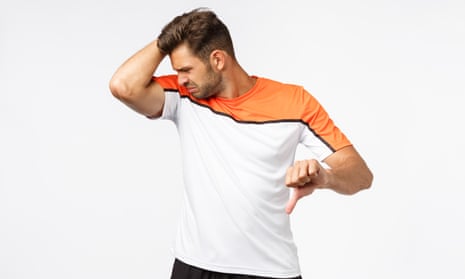
Non-obvious insight: People often underestimate how much their reused clothes smell to others. You may get used to your own scent, but others notice.
Credit: www.theguardian.com
How To Tell If Gym Clothes Are Too Dirty To Reuse
Not everyone can smell their own sweat. Here are signs that it’s time to wash:
- Strong odor even after drying
- Visible stains or sweat marks
- Sticky or rough feeling fabric
- Itchy skin when you put them on
- Lingering dampness after airing out
Trust your senses. If you’re unsure, it’s safer to wash.
Common Mistakes When Reusing Gym Clothes
Beginners often make these errors:
- Storing dirty clothes in a gym bag overnight. This creates a perfect environment for bacteria.
- Reusing socks or underwear. This almost always leads to odor and increases risk of infection.
- Spraying with perfume to cover odor. This only masks the smell, doesn’t remove bacteria.
- Ignoring skin irritation. Small rashes can become bigger problems if you don’t wash your clothes.
- Wearing gym clothes all day. The longer you wear them, the more germs grow.

Credit: www.amazon.com
Can Reusing Gym Clothes Affect Gym Performance?
Not directly, but there are indirect effects:
- Uncomfortable, smelly clothes can distract you and lower your confidence.
- Skin irritation or infections may make you skip workouts to recover.
- Clothes that hold sweat can feel heavier and less breathable, making exercise less pleasant.
Non-obvious tip: If you feel less motivated to work out because your gym gear feels gross, you’re less likely to stick to a fitness routine.
Real-life Experiences: What Athletes And Trainers Say
Most personal trainers and athletes agree: hygiene matters. Here are a few real stories:
- A long-distance runner shared that reusing socks led to a painful case of athlete’s foot, which took weeks to heal.
- A group fitness instructor noticed more skin rashes after switching to synthetic shirts and reusing them to save laundry. Going back to daily washing solved the problem.
- Some weightlifters reuse outer layers like hoodies, but always wash base layers after every session.
The message is clear: convenience is tempting, but health comes first.
How To Reduce Laundry But Stay Clean
If you want to save time and resources, try these strategies:
- Shower before workouts: Less bacteria on your skin means less on your clothes.
- Bring a towel: Put a towel between you and gym benches to keep clothes drier.
- Alternate gym sets: Let each set fully dry between uses.
- Spot-clean: Wash only sweaty spots if you must reuse.
- Air dry clothes outside: Sunlight helps kill germs.
By combining these habits, you can reduce laundry without risking your skin.
The Bottom Line: Should You Reuse Gym Clothes?
There’s no one-size-fits-all answer. For most people, it’s ok to reuse outer layers once or twice if they are dry and odor-free. But you should always wash socks, underwear, and anything that is soaked with sweat. Your health, comfort, and the comfort of others at the gym should always come first.
If you work out daily, invest in extra gym sets and wash full loads to save water and energy. Pay attention to your body—if you get more rashes or odors, change your habits. When in doubt, wash your gym clothes.
For more information about laundry hygiene and health, check out the CDC’s clothing hygiene tips.
Frequently Asked Questions
Is It Ever Safe To Wear Gym Clothes Two Days In A Row?
It can be safe to wear outer layers, like jackets or pants, twice if you did not sweat much and the clothes are fully dry and odor-free. But never reuse underwear or socks without washing. For shirts and shorts, only reuse after a light workout and if there’s no smell.
Does Spraying Gym Clothes With Deodorant Or Fabric Spray Make Them Safe To Wear Again?
No. Spraying only covers up the smell but does not kill bacteria or remove sweat and oils. It’s a temporary fix and not a replacement for washing. For real cleaning, you need soap and water.
Can Reusing Gym Clothes Cause Serious Health Problems?
Usually, it leads to mild problems like rashes or odor. But if you have cuts or a weak immune system, bacteria on dirty clothes can sometimes cause more serious skin infections. Always wash clothes if you have open wounds or a history of skin problems.
How Can I Keep My Gym Bag From Smelling Bad?
Take sweaty clothes out as soon as you get home. Wipe the inside of your bag with a disinfectant weekly. Use a small pouch with baking soda or charcoal inside to absorb smells. Let your bag air out by leaving it open when not in use.
Are “anti-odor” Or “antibacterial” Gym Clothes Safe To Reuse More Often?
These fabrics help reduce smells, but they do not kill all bacteria. You can sometimes reuse them once after a light workout, but washing is still needed after heavy sweat. Do not rely only on fabric claims for hygiene.
Choosing whether to reuse gym clothes is a mix of common sense, hygiene, and personal comfort. When you know the risks and follow smart habits, you can stay healthy and fresh—at the gym and beyond.
