

Is It Ok to Reuse Gym Clothes? Pros, Cons, and Hygiene Tips
Is It Ok To Reuse Gym Clothes
Sweating it out at the gym can leave you feeling refreshed, but it also means your clothes take a hit. Many people wonder, is it ok to reuse gym clothes without washing them after every workout? Maybe you’re in a rush, want to save water, or simply forgot to do laundry. But what really happens when you slip into yesterday’s leggings or t-shirt for another round of training? The answer depends on several factors, including hygiene, fabric type, skin health, and even your workout intensity.
Let’s explore the science, risks, and practical strategies behind reusing gym clothes. This guide will help you make safe, smart choices—whether you’re a casual exerciser or a daily gym-goer. You’ll also discover some surprising truths most people miss, so you can keep your skin healthy, your clothes fresh, and your gym bag lighter.
Why People Reuse Gym Clothes
Reusing workout gear isn’t just a matter of convenience. Here are some common reasons people do it:
- Busy schedules often leave no time for frequent laundry.
- Environmental concerns—saving water and energy by washing less.
- Limited wardrobe, especially for those new to exercising.
- Low-intensity workouts (like yoga or walking) may not leave clothes visibly dirty.
- Forgetfulness—sometimes you just realize too late that everything is dirty.
But just because many people do it, does that mean it’s healthy or safe? Let's break down what really happens when you reuse your gym clothes.
What Happens When You Wear Unwashed Gym Clothes
Your body produces sweat during exercise. Sweat itself is mostly water, but it also contains salt, urea, and bacteria from your skin. When sweat soaks into your clothes, it creates a moist environment that’s perfect for bacteria and fungi to multiply. Even if your clothes seem dry the next day, microscopic life can still be thriving there.
Bacterial Growth
Studies show that bacteria can double every 20 minutes in warm, damp environments. Gym clothes, especially those made from synthetic materials, can trap sweat and bacteria more than cotton. These bacteria cause:
- Body odor
- Skin irritation
- Possible infections if you have cuts or abrasions
Fungal Issues
Damp workout gear can also harbor fungi like *Candida* and *Trichophyton*. These can cause:
- Athlete’s foot
- Jock itch
- Rashes in skin folds
Odor Problems
Bacteria break down sweat into chemicals that smell bad. Even if you air your clothes out, the odor-causing bacteria may remain. Sometimes, reusing gym clothes just makes you smell worse, even before you start exercising.
Skin Reactions
Sensitive skin can react to old sweat, detergent residue, or bacteria. This may show up as:
- Redness
- Itching
- Pimples or folliculitis
When Is It (sometimes) Ok To Reuse Gym Clothes?
It’s not always dangerous to reuse gym clothes. The risk depends on a few things:
1. Intensity Of Your Workout
- Low-intensity exercise (like stretching or light yoga) produces less sweat. If your clothes are barely damp and don’t smell, it’s sometimes safe to wear them again.
- High-intensity workouts (like running, cycling, HIIT) produce more sweat and bacteria. Reusing clothes after these sessions is much riskier.
2. Fabric Type
- Moisture-wicking synthetic fabrics (like polyester or nylon) dry quickly but can trap bacteria and odor.
- Natural fibers (like cotton or bamboo) absorb sweat but may take longer to dry and may feel less fresh.
3. Your Personal Hygiene
- If you shower immediately after a workout and change into clean clothes, your risk is lower.
- If you leave your sweaty gym gear on for hours, bacteria have more time to multiply.
4. The Clothing Item
Some items are riskier to reuse than others:
- Socks and underwear: Never reuse these without washing. They are close to the skin and collect the most bacteria.
- T-shirts, shorts, leggings: May be reused if they are dry, odor-free, and not visibly dirty.
- Sports bras: Tend to soak up sweat. Best washed after every use.
5. Weather And Climate
- Hot and humid climates: Bacteria grow faster. Reusing gym clothes here is riskier.
- Cool and dry climates: Clothes dry faster, so risks are slightly lower.
Health Risks Of Reusing Gym Clothes
Wearing the same gym clothes again can lead to more than just bad smells. Here are the main health concerns:
Skin Infections
Sweat, friction, and bacteria can cause folliculitis (infected hair follicles) or impetigo (a contagious skin infection). If you have sensitive skin or open cuts, risk is higher.
Fungal Infections
Fungi love warm, damp places. Wearing unwashed gym clothes, especially tight ones, increases your risk of:
- Athlete’s foot
- Ringworm
- Jock itch
Acne And Body Breakouts
Sweat and bacteria trapped in clothing can block pores, leading to bacne (back acne) or chest pimples.
Worsening Body Odor
Each time you sweat into the same clothes, bacteria break down sweat into volatile fatty acids—the real source of strong body odor. Reusing clothes can make the smell much worse.
Allergic Reactions
If your skin is sensitive to detergents, sweat residues, or even fabric softeners, reusing unwashed clothes can trigger rashes or eczema.
How Many Times Can You Safely Reuse Gym Clothes?
This is one of the most common questions, but the answer isn’t one-size-fits-all. Here’s a practical guide based on clothing type:
| Clothing Item | Safe Reuse Limit | Notes |
|---|---|---|
| Socks | Never | Wash after every use |
| Underwear | Never | Wash after every use |
| Sports Bra | Once | Best washed after each workout |
| T-shirt/Tank Top | 1-2 times | If dry, no odor, and low sweat |
| Shorts/Leggings | 1-2 times | Low intensity only |
| Hoodie/Jacket | 3-5 times | Not usually in direct contact with sweat |
Key insight: People often forget that “odor-free” does not mean “germ-free.” Even if your clothes smell fine, bacteria may still be present.
How To Reduce Risks When Reusing Gym Clothes
If you must reuse workout gear, there are ways to keep things safer and more comfortable.
1. Dry Clothes Quickly
Hang your gym clothes in a well-ventilated area right after your workout. Don’t leave them in a gym bag or laundry basket. Sunlight is especially effective at killing bacteria.
2. Use Antibacterial Sprays
Some sprays are designed to kill bacteria and neutralize odors. Look for options with tea tree oil or other natural disinfectants.
3. Choose Fabrics Wisely
Moisture-wicking and anti-odor fabrics (like those with silver ions) resist bacterial growth better than regular polyester or cotton.
4. Rotate Clothes
Have at least two sets of gym clothes and alternate them. This gives each set more time to dry and air out.
5. Wash Hands And Shower
Always wash your hands after handling sweaty clothes. Shower as soon as possible after exercise to remove sweat and bacteria from your skin.
6. Avoid Sharing
Never share unwashed gym clothes, towels, or equipment. This can spread bacteria and fungi.
7. Spot Clean If Needed
For minor sweat spots, use a damp cloth and a bit of soap to clean areas that get the most sweat, like underarms or waistbands.
Extra tip: Never reuse socks or underwear, no matter how “clean” they seem. The risk of infection is much higher than with outer clothing.

Credit: nypost.com
How To Tell If It’s Time To Wash
Not sure if your clothes are safe to reuse? Watch for these signs:
- Bad odor: If your gym clothes smell, wash them.
- Visible stains: Sweat marks, dirt, or salt stains mean it’s time.
- Itchy or irritated skin: Even if you don’t see anything, this is a warning.
- Clothes feel damp or sticky: Bacteria thrive in moisture.
- You’ve been sick: Always wash clothes after illness to avoid reinfection.
Special Considerations For Different Types Of Exercise
Not all workouts are equal when it comes to sweat and bacteria. Here’s how different activities affect your clothes:
Cardio Workouts (running, Spinning, Hiit)
These produce heavy sweat and body heat. Clothes are usually soaked and should be washed after every use.
Strength Training
Sweat levels are moderate, but tight-fitting clothes (like compression shirts) can trap bacteria near the skin.
Yoga And Pilates
Sweat is usually light, especially in gentle classes. Clothes may be reused if they’re dry and odor-free.
Outdoor Activities
Exercising outside can expose clothes to dirt, pollen, and pollution. Even if sweat is low, it’s best to wash after every use.
Team Sports
Contact sports (like basketball or soccer) increase the risk of bacteria transfer. Wash after every session.
Hidden risk: Many people forget about their gym bag or shoes. These can also collect bacteria and should be cleaned regularly.
The Science Behind Odor And Bacteria In Gym Clothes
Let’s look at what really causes your gym gear to smell and harbor germs.
Why Do Gym Clothes Smell So Bad?
Sweat itself is almost odorless. The smell comes from bacteria on your skin breaking down sweat into acids. Synthetic fabrics, common in gym gear, can trap these bacteria and make odors worse.
- Polyester: Absorbs less water, but holds onto oily sweat and bacteria. Can smell worse over time.
- Cotton: Absorbs sweat, but dries slowly and can feel heavy.
How Fast Do Bacteria Multiply?
Under ideal conditions (warmth, moisture, darkness), some bacteria can double every 20 minutes. This means a small amount can become millions in just a few hours.
Can You “kill” Bacteria By Airing Out Clothes?
Airing out helps, but does not remove all germs. Sunlight can reduce bacteria, but only if clothes are exposed for several hours and all areas receive direct sun.
Practical insight: A fresh smell does not guarantee clothes are safe. Microbes can survive on dry fabric for days.
How To Wash Gym Clothes For Best Results
If you want to keep your workout gear in good condition and odor-free, proper washing is key. Here’s how:
1. Wash In Warm Or Hot Water
Warm water (not too hot for synthetics) kills more bacteria than cold water.
2. Use Sports Detergent
These are designed to remove sweat, oil, and bacteria better than regular detergent.
3. Avoid Fabric Softener
Fabric softeners can coat fibers and trap bacteria and odor.
4. Air Dry In Sunlight
If possible, dry your clothes outside. UV rays help kill bacteria and prevent smells.
5. Clean Your Washing Machine
Run a cleaning cycle regularly. A dirty machine can transfer bacteria back to your clothes.
6. Don’t Overload The Washer
Give clothes space to move so water and detergent can reach all areas.
| Washing Tip | Why It Matters |
|---|---|
| Use sports detergent | Breaks down sweat and oil better |
| Skip fabric softener | Prevents coating that traps bacteria |
| Sun-dry clothes | UV light kills germs and odors |
| Don’t overload washer | Ensures thorough cleaning |
Environmental Impact: Washing Vs. Reusing
Washing gym clothes after every use does use water and energy. But reusing clothes can increase risk of skin problems. Here’s a balanced view:
- Washing less often saves resources, but only if you do not compromise your health.
- Washing small loads is less efficient. Try to combine workout clothes with other laundry.
If you are concerned about the environment:
- Choose cold water washes for lightly soiled items.
- Hang clothes to dry instead of using a dryer.
- Buy high-quality, quick-drying workout gear that resists odor.
For more on the environmental impact of laundry, see this Wikipedia article on laundry.
Advanced tip: Some newer fabrics are designed to resist bacteria and odor for multiple wears. These are a good choice if you want to wash less often.
Myths And Misunderstandings
Let’s clear up some common myths about reusing gym clothes:
- Myth: If it doesn’t smell, it’s clean.
- Fact: Bacteria can be present even if there is no odor.
- Myth: Spraying with perfume or deodorant is enough.
- Fact: These only mask the smell, not the bacteria.
- Myth: All fabrics are the same.
- Fact: Some synthetic fabrics hold onto bacteria and odor more than others.
- Myth: Air-drying overnight kills all germs.
- Fact: Air-drying helps, but does not sterilize clothes.
Non-obvious insight: Skin-to-skin contact in group classes or on shared equipment increases your risk if you reuse gym clothes.
Real-life Examples
- Anna, a yoga enthusiast, reuses her leggings for two sessions a week. She doesn’t notice any odor and has never had skin problems. She dries her clothes immediately after class and does gentle workouts.
- Mark, a runner, wore the same t-shirt for three high-intensity workouts. He developed a rash on his chest and noticed persistent odor, even after washing. Mark switched to washing his clothes after each run and the rash disappeared.
- Sam, a weightlifter, alternates two sets of clothes, airing each out between sessions. He avoids reusing socks and underwear and has never had infections or skin issues.
These examples show that personal experience can vary. Pay attention to your own skin and hygiene needs.
Practical Tips For Busy People
If you don’t have time to do laundry every day, try these strategies:
- Buy more gym clothes: Owning several sets lets you rotate and wash less often.
- Quick wash: Many washing machines have a short cycle for lightly soiled clothes.
- Hand wash: If you’re really in a rush, wash key items like sports bras and underwear by hand in the sink.
- Hang to dry at work or in the car: A portable hanger or mesh bag lets you air out clothes anywhere.
- Keep a spare set in your gym bag: For emergencies or unexpected workouts.

Credit: www.thehealthy.com
What Most People Get Wrong
Here are two insights beginners often miss:
- Focusing only on smell: People rely on their nose to judge cleanliness. But bacteria and fungi can be present even if there’s no strong odor. This is why skin problems can appear suddenly, even if you feel “fresh.”
- Ignoring “clean” gear: Gym bags, shoes, headphones, and towels also collect sweat and germs. Cleaning these is just as important as washing your clothes.
Frequently Asked Questions
How Often Should I Wash My Gym Clothes?
You should wash gym clothes after every intense workout, especially if they are soaked with sweat. For low-sweat activities, you may reuse outer layers once if they are dry and odor-free. However, always wash socks, underwear, and sports bras after each use.
Can I Get Sick From Reusing Gym Clothes?
While most healthy people won’t get seriously ill, reusing sweaty clothes increases your risk of skin infections, rashes, and fungal problems. If you have cuts, sensitive skin, or a weak immune system, the risk is higher.
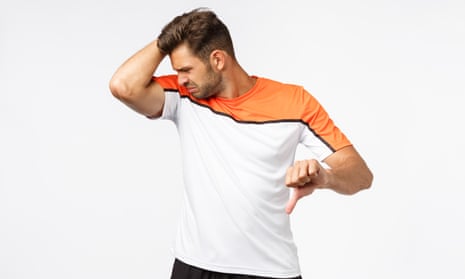
Credit: www.theguardian.com
What If I Have No Clean Gym Clothes?
If you’re out of clean gym clothes, choose the driest, least dirty items, and make sure to shower and change immediately after your workout. Try to wash your clothes as soon as possible to avoid health issues.
Does Airing Out Gym Clothes Make Them Safe To Wear Again?
Airing out reduces odor and dries sweat, but it does not remove all bacteria or fungi. Sunlight helps, but only if clothes are exposed fully. For best hygiene, wash after each sweaty workout.
Are Special Detergents Or Sprays Worth Using?
Sports detergents and antibacterial sprays can help remove sweat and odor better than regular detergents. They are especially useful for synthetic fabrics and for people who sweat heavily.
Staying active is important, but personal hygiene is just as vital. Being smart about your gym clothes helps you stay healthy, comfortable, and confident—no matter how busy your life gets. When in doubt, washing is always the safest option. Listen to your body, and don’t let sweat get in the way of your fitness goals.
