

Is It Business Casual Dress Code? Decoding Workplace Attire
Is It Business Casual Dress Code
Business casual is a term that causes confusion in many workplaces. You might hear managers say, “Dress business casual,” but what does that mean? Is it a strict set of rules, or is there room for personal style? Understanding business casual is important, especially if you’re starting a new job or attending a professional event. If you get it wrong, you could look too formal or too relaxed. This guide will help you understand the business casual dress code, what’s allowed, what’s not, and how to avoid common mistakes. You’ll also see real examples and practical tips, so you feel confident about your outfit choices.
What Is Business Casual?
Business casual is a blend of professional and relaxed clothing. It’s not as formal as a traditional suit and tie, but it’s also not as casual as jeans and sneakers. The goal is to look neat, polished, and ready for business—without appearing stiff or overdressed.
It’s about creating a trustworthy image while keeping comfort in mind.
The Origin Of Business Casual
The idea of business casual started as a way to make the office more comfortable. Many companies wanted employees to feel at ease, but still look professional. This led to a mix of classic business attire with everyday clothing. The term can mean different things depending on the company, industry, and even the country.
In the 1990s, “Casual Fridays” became popular in the United States, encouraging workers to dress more comfortably at the end of the week. Over time, this relaxed attitude spread to other days and evolved into business casual. Some companies adopted this dress code to attract younger talent, while others wanted to promote creativity or reduce stress at work.
Today, business casual is common in many countries, but it’s shaped by local culture and company values.
Key Principles
- Professional but relaxed: Clothing should look tidy and suitable for work.
- Flexibility: There is some room for personal expression, but not too much.
- Avoid extremes: Don’t wear anything too formal (like tuxedos) or too casual (like shorts).
- Consistency: Your outfit should match the tone of your workplace.
Business casual is about finding the right balance. If you’re unsure, it’s better to dress a little more formally at first. Overdressing is rarely a problem, but being too casual can make a bad impression.
Typical Business Casual Clothing
What counts as business casual? Let’s break it down for men and women, with clear examples. While there are basic guidelines, some companies have unique preferences, so always check if you’re uncertain.
For Men
- Shirts: Collared shirts (like button-downs or polo shirts) are common. Avoid t-shirts with graphics. Long-sleeved shirts are safer, but short sleeves can work in warm weather.
- Pants: Dress pants, chinos, or khakis. Jeans are sometimes allowed, but only if they’re dark and neat. Avoid baggy or distressed styles.
- Shoes: Leather shoes, loafers, or dressy boots. Avoid athletic sneakers. Make sure shoes are clean and polished.
- Jackets: Optional. Blazers can add polish but aren’t always required. If you want to look sharper, a blazer is a good choice.
- Accessories: Simple belts, watches. Avoid flashy jewelry. Ties are usually optional but can be worn for extra formality.
For colder months, sweaters or vests over a collared shirt are also acceptable. Socks should match pants or shoes for a coordinated look.
For Women
- Tops: Blouses, sweaters, or smart tops. Avoid spaghetti straps or low-cut styles. Sleeveless tops are sometimes allowed, but check your office policy.
- Bottoms: Dress pants, skirts, or tailored dresses. Skirts should not be too short. Pencil skirts and A-line skirts are popular options.
- Shoes: Flats, low heels, loafers. Sandals should be closed-toe. Avoid flip-flops or very high heels.
- Outerwear: Cardigans, blazers, or light jackets. Structured jackets add a business touch.
- Accessories: Minimal jewelry, simple handbags. Avoid large, distracting items. Scarves or subtle necklaces can add style.
If you wear makeup, keep it natural. Bright nail polish or bold lipstick is best for creative workplaces, not conservative ones.
Here’s a simple comparison table for men’s and women’s business casual:
| Item | Men | Women |
|---|---|---|
| Shirts/Tops | Button-down, polo | Blouse, sweater |
| Pants | Chinos, dress pants | Dress pants, skirt |
| Shoes | Loafers, dress shoes | Flats, low heels |
| Outerwear | Blazer (optional) | Cardigan, blazer |
Some workplaces accept more variety. For example, a nice turtleneck or a midi dress may be fine, especially in creative industries.
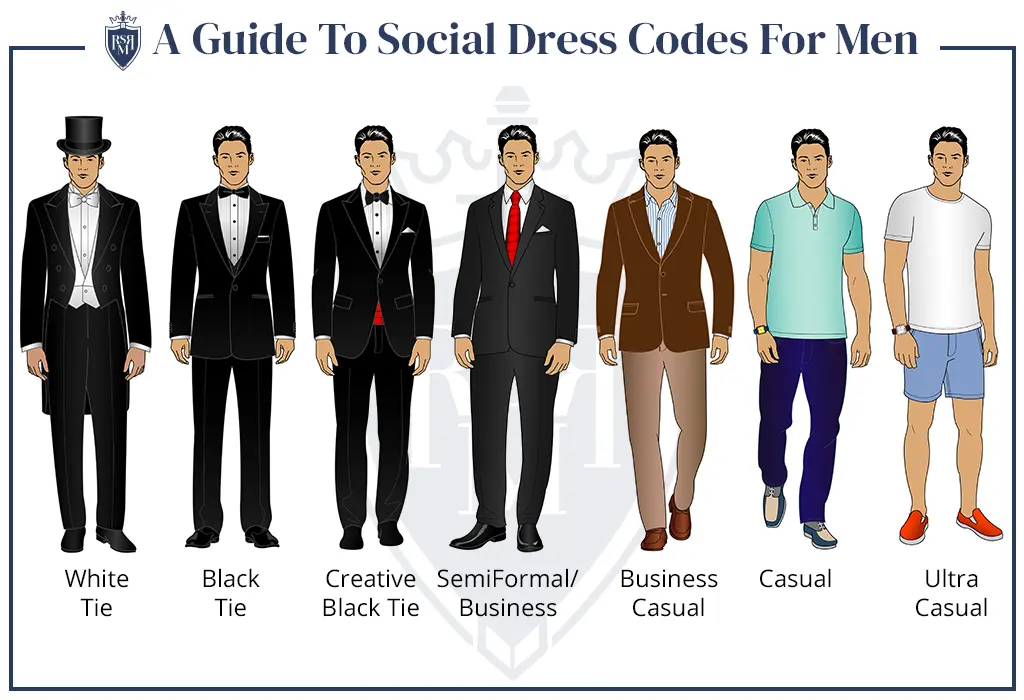
Credit: www.realmenrealstyle.com
What Is Not Business Casual?
Some items are never part of business casual. Wearing these can make you look unprofessional or out of place.
- Graphic t-shirts
- Shorts
- Flip-flops
- Hoodies
- Ripped jeans
- Mini skirts
- Athletic wear
- Caps or hats
Even if your office feels relaxed, avoid these pieces unless you are told otherwise. Business casual should always look intentional and neat.
A less obvious item to avoid is overly casual outerwear like puffer jackets or windbreakers. Also, loud logos or slogans on clothing can distract and reduce your professional look.
How Business Casual Differs By Industry
Not every workplace has the same business casual rules. Some industries are stricter, while others are relaxed.
Finance And Law
These fields often stick to a more formal version of business casual. Expect to see blazers, dress shirts, and classic shoes. Denim and sneakers are usually not allowed.
In law firms, men often wear dress shirts with ties, even if suits are not required daily. Women may wear tailored pantsuits or conservative dresses. The colors are usually dark or neutral.
Tech And Startups
Tech companies and startups are more casual. You might see people wearing neat jeans and sneakers. However, even here, clothing should be tidy and not too informal.
Many tech offices allow hoodies and t-shirts, but for meetings or presentations, business casual is expected. If you’re interviewing, err on the side of caution and dress up a bit.
Creative Fields
Advertising, design, and media companies often allow more personal expression. Bright colors, patterns, and trendy styles are common—but still within a neat, professional look.
A graphic designer may wear patterned shirts or stylish boots, while a copywriter might wear a smart sweater and bold jewelry. The main rule is to look creative but polished.
Retail And Hospitality
These industries often have their own uniforms or guidelines. When business casual is allowed, it’s usually simple and practical.
Comfort is key, especially for those on their feet all day. Breathable fabrics and comfortable shoes are important, but avoid anything too casual.
Here’s a quick industry comparison table:
| Industry | Business Casual Typical Style | Common Exceptions |
|---|---|---|
| Finance/Law | Blazers, dress shirts, slacks | No denim, no sneakers |
| Tech/Startups | Polo shirts, neat jeans, loafers | Jeans sometimes allowed |
| Creative | Trendy tops, patterned skirts, stylish shoes | More color and personal style |
| Retail/Hospitality | Simple blouses, khakis, comfortable shoes | Uniforms may be required |
Business Casual Dress Code Examples
Seeing real examples helps clear up confusion. Here are a few business casual outfits that work in most offices:
Men
- Light blue button-down shirt, khaki chinos, brown loafers.
- Navy polo shirt, gray dress pants, black belt, leather watch.
- White dress shirt, dark jeans (no rips), gray blazer, oxford shoes.
Adding a sweater vest or a cardigan in colder months is another safe option. For meetings, swap the polo for a button-down and add a blazer.
Women
- Cream blouse, black pencil skirt, nude flats, simple necklace.
- Patterned sweater, navy dress pants, black loafers, stud earrings.
- Tailored dress, cardigan, brown low heels, small handbag.
A midi skirt with a tucked-in shirt is also suitable. For chilly weather, layering with a smart coat or scarf works well.
Notice how these outfits are neat, comfortable, and not too flashy. The colors are mostly neutral, with some personal touches. If you want to add color, choose accessories or small details instead of bold clothing pieces.
Common Mistakes In Business Casual
Many people make mistakes when trying to dress business casual. Avoid these pitfalls:
- Too casual: Wearing t-shirts, shorts, or sneakers.
- Too formal: Suit and tie, or evening dresses.
- Untidy look: Wrinkled shirts, scuffed shoes, messy hair.
- Ignoring fit: Clothes that are too tight or too loose.
- Overdoing accessories: Large jewelry, loud ties, flashy belts.
A non-obvious mistake: Many beginners focus only on clothing, but grooming matters too. Clean nails, neat hair, and fresh breath are part of the business casual image.
Another mistake is not considering the weather. Wearing heavy layers in summer or thin fabrics in winter can make you uncomfortable and look out of place.
Practical Tips For Business Casual Success
You don’t need a huge wardrobe. A few smart items can help you look business casual every day.
- Build a capsule wardrobe: Choose pieces that mix and match easily. Five shirts, three pairs of pants, and two pairs of shoes can cover most needs.
- Stick to neutral colors: Navy, black, gray, beige are easy to style. Add one or two accent colors for variety.
- Invest in good shoes: Shoes make a big difference in your look. Avoid buying cheap shoes that wear out quickly.
- Check company guidelines: Some offices have their own rules. Always ask HR or check the employee handbook if unsure.
- Update regularly: Replace worn-out items so you always look fresh.
Another insight: Pay attention to seasonal changes. In summer, lighter fabrics are better. In winter, you might need layers, but avoid bulky sweaters.
If you wear accessories, keep them subtle. A classic watch or a simple bracelet is enough. For women, a structured handbag is better than a slouchy tote.
Business Casual For Special Occasions
Sometimes, you need to dress business casual for events like conferences, interviews, or presentations. Here’s how to adjust:
Interviews
- Aim for the more formal side of business casual.
- Men: Button-down shirt, dress pants, closed-toe shoes.
- Women: Blouse, skirt or pants, low heels.
- Avoid bright colors or bold patterns.
Wearing a blazer is often a good idea for interviews, even in casual offices. It shows you take the opportunity seriously.
Conferences
- Comfort matters, as you may be moving around.
- Choose wrinkle-resistant fabrics.
- Bring a blazer or cardigan for chilly rooms.
If you network, pockets or a small bag can help keep business cards handy.
Presentations
- Dress a bit sharper than usual.
- Add a blazer or choose a structured dress.
For these occasions, it’s better to be slightly overdressed than underdressed.
If you’re unsure, ask the event organizer about the dress code.
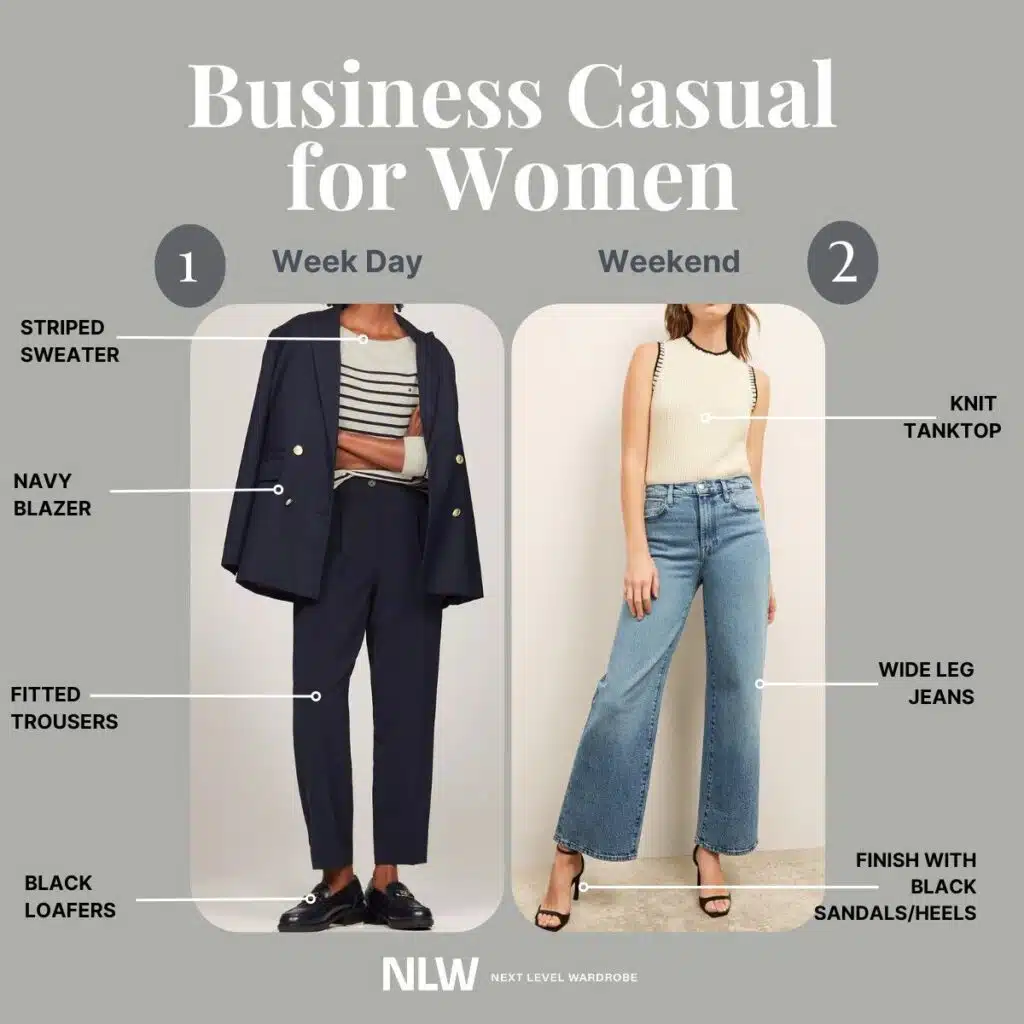
Credit: nextlevelwardrobe.com
Business Casual Around The World
Business casual is not the same everywhere. Cultural differences can affect what’s acceptable. For example:
- In Japan, business casual may still include a jacket and tie.
- In Europe, smart jeans are often allowed, but not shorts.
- In the Middle East, modesty is important—avoid sleeveless tops.
Always check local customs before traveling or working abroad.
In some Asian countries, brighter colors may be seen as informal. In Latin America, business casual often includes polished shoes and pressed shirts.
Even within countries, large cities may be more relaxed than smaller towns. Observing local professionals is a smart way to learn.
How To Transition To Business Casual
If your office switches from formal to business casual, it can feel strange at first. Here’s how to make the change smoothly:
- Start with basics: Add chinos, blouses, and loafers to your closet.
- Keep some formal items: Blazers and dress shoes still work well.
- Observe others: Watch what colleagues wear for clues.
- Ask HR: If unsure, ask your company’s HR or manager.
- Don’t rush: Transition slowly, so you don’t stand out too much.
Remember, confidence is important. If you feel good in your clothes, you’ll do better at work.
If the company sends a memo or updates guidelines, read it carefully. Many companies give examples or photos to help employees adjust.
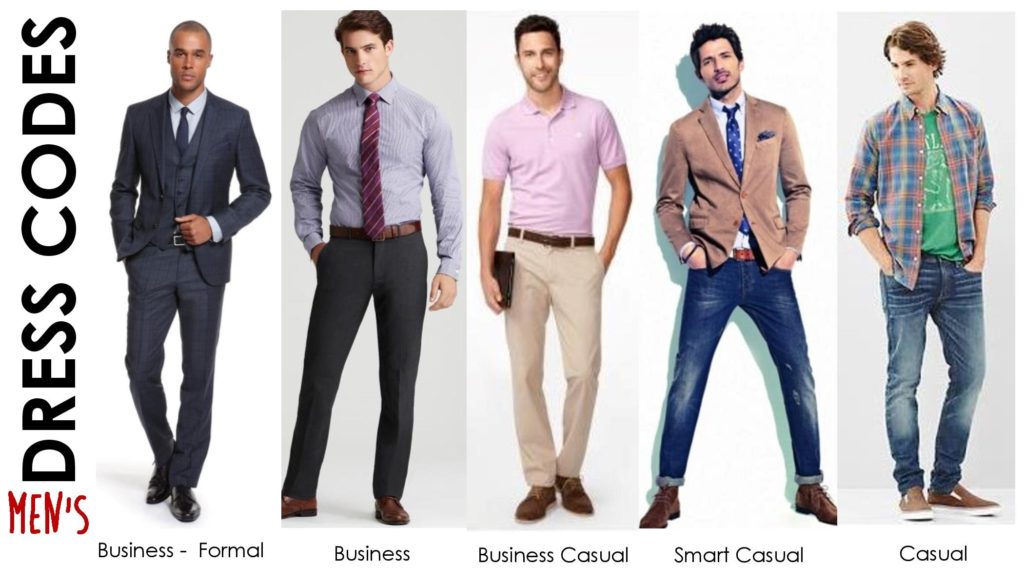
Credit: gardner-webb.edu
Business Casual Vs. Other Dress Codes
Business casual is just one of many dress codes. Here’s how it compares:
Formal/business Professional
- Suit and tie for men.
- Tailored dress or suit for women.
- Strict rules, few personal touches.
Casual
- Jeans, t-shirts, sneakers.
- Almost anything goes, but not for professional settings.
Smart Casual
- Slightly more relaxed than business casual.
- Stylish jeans, trendy tops, but still neat.
Here’s a summary table comparing dress codes:
| Dress Code | Typical Clothing | Formality Level |
|---|---|---|
| Business Professional | Suit, tie, dress shoes | High |
| Business Casual | Button-down, chinos, loafers | Medium |
| Smart Casual | Stylish jeans, trendy tops | Medium-Low |
| Casual | T-shirts, jeans, sneakers | Low |
Smart casual is often used for after-work events or company outings. If you’re invited to a dinner with coworkers, smart casual may be expected.
Why Business Casual Matters
Business casual is more than just clothes. It affects how people see you at work. If you look polished and comfortable, you’ll feel more confident and others will take you seriously.
Studies show that employees who dress appropriately feel more respected and are more productive. According to a survey by Society for Human Resource Management, over 60% of companies use business casual as their preferred dress code. This shows it’s not just a trend—it’s a standard in many places.
Another insight: Business casual can help build trust. When you fit in with your team, people are more likely to listen to your ideas.
How you dress can also affect your mental state. Wearing business casual helps signal that you’re ready to work, which can boost focus and motivation.
The Role Of Personal Style In Business Casual
You don’t have to lose your personal style when dressing business casual. The key is to add small touches without breaking the rules.
- Choose favorite colors: Even neutral tones can reflect your taste.
- Pick unique accessories: A watch, a scarf, or a belt can show personality.
- Select patterns carefully: Small prints are fine, but avoid wild designs.
A common mistake: Beginners think business casual means boring. But you can be stylish and professional at the same time.
Subtle details like cufflinks or a patterned pocket square can make your outfit stand out. For women, a textured blouse or a bold but tasteful handbag can reflect personality.
How To Shop For Business Casual Clothing
Buying business casual clothes doesn’t have to be expensive. Here’s how to shop smart:
- Set a budget: Decide how much you want to spend.
- Shop basics first: Buy shirts, pants, and shoes that match easily.
- Check fabric quality: Cotton blends, wool, and linen are good choices.
- Try before buying: Fit is important. Don’t rely on online photos.
- Avoid fast fashion: Cheap clothes wear out quickly.
Look for stores that specialize in office wear. Many brands offer collections for business casual. If you need inspiration, visit sites like Business Casual Guide.
Another tip: Buy versatile pieces. A navy blazer, for example, works with many outfits and can be dressed up or down.
Maintaining Your Business Casual Wardrobe
Taking care of your clothes keeps them looking sharp. Here’s how:
- Wash with care: Follow label instructions. Separate colors and use gentle cycles.
- Iron regularly: Wrinkles ruin the business casual look. A steamer can be helpful for delicate fabrics.
- Store neatly: Hang shirts and pants to avoid creases. Use shoe trees to keep shoes in shape.
- Repair quickly: Fix buttons, hems, and zippers right away.
Another insight: Rotate your outfits so clothes last longer and you don’t wear out favorites too fast.
If you travel for work, pack wrinkle-resistant clothing and keep a travel-sized iron or steamer.
Adapting Business Casual For Remote Work
Many people now work from home. Does business casual still matter? Yes, especially for video calls or meetings.
- Top half matters most: Wear a nice shirt or blouse, even if you’re in pajamas below.
- Keep a blazer nearby: Throw it on for important calls.
- Avoid distracting patterns: Simple colors look better on camera.
- Maintain grooming: Hair and face should look tidy.
Remote work tip: Dressing business casual at home can help you feel more focused and productive.
Lighting is important too. Clothing colors can change under different lighting, so test your outfit on camera before meetings.
Frequently Asked Questions
What If My Office Doesn’t Specify The Dress Code?
If there’s no clear rule, start with classic business casual basics. Ask colleagues or HR for advice, and observe what others wear. It’s better to be safe than sorry.
Can I Wear Jeans For Business Casual?
Yes, but only if they’re dark, neat, and have no rips. Some offices don’t allow jeans, so check guidelines first. Pair jeans with a button-down or smart sweater for a polished look.
Are Sneakers Allowed In Business Casual?
Usually no. Some tech companies make exceptions, but in most places, stick to loafers or dress shoes. If sneakers are allowed, choose plain, clean styles.
How Do I Stay Comfortable In Business Casual Clothes?
Choose fabrics like cotton or blends that breathe well. Make sure your clothes fit properly and aren’t too tight. Layering can help adjust to changing temperatures.
Is Business Casual The Same Everywhere?
No. It varies by company, industry, and country. Always check local customs and workplace rules before choosing your outfit.
Business casual is a common dress code, but it’s not always easy to define. With the right knowledge and a few smart choices, you can look polished, feel comfortable, and fit in at work. Remember, business casual is about balance—professional yet relaxed.
If you follow these tips, you’ll always make a good impression, whether you’re at the office, in a meeting, or on a video call.
