

Is It Better to Cover a Rash Or Not: Expert Tips Revealed
Have you ever wondered whether you should cover a rash or just let it breathe? It’s a common question that can make a big difference in how quickly your skin heals.
You might think covering it protects the rash, but sometimes it could make things worse. You’ll discover when it’s best to cover a rash and when it’s better to leave it open. By the end, you’ll know exactly how to care for your skin to feel comfortable and heal faster.
Keep reading to find out what really works for your rash.
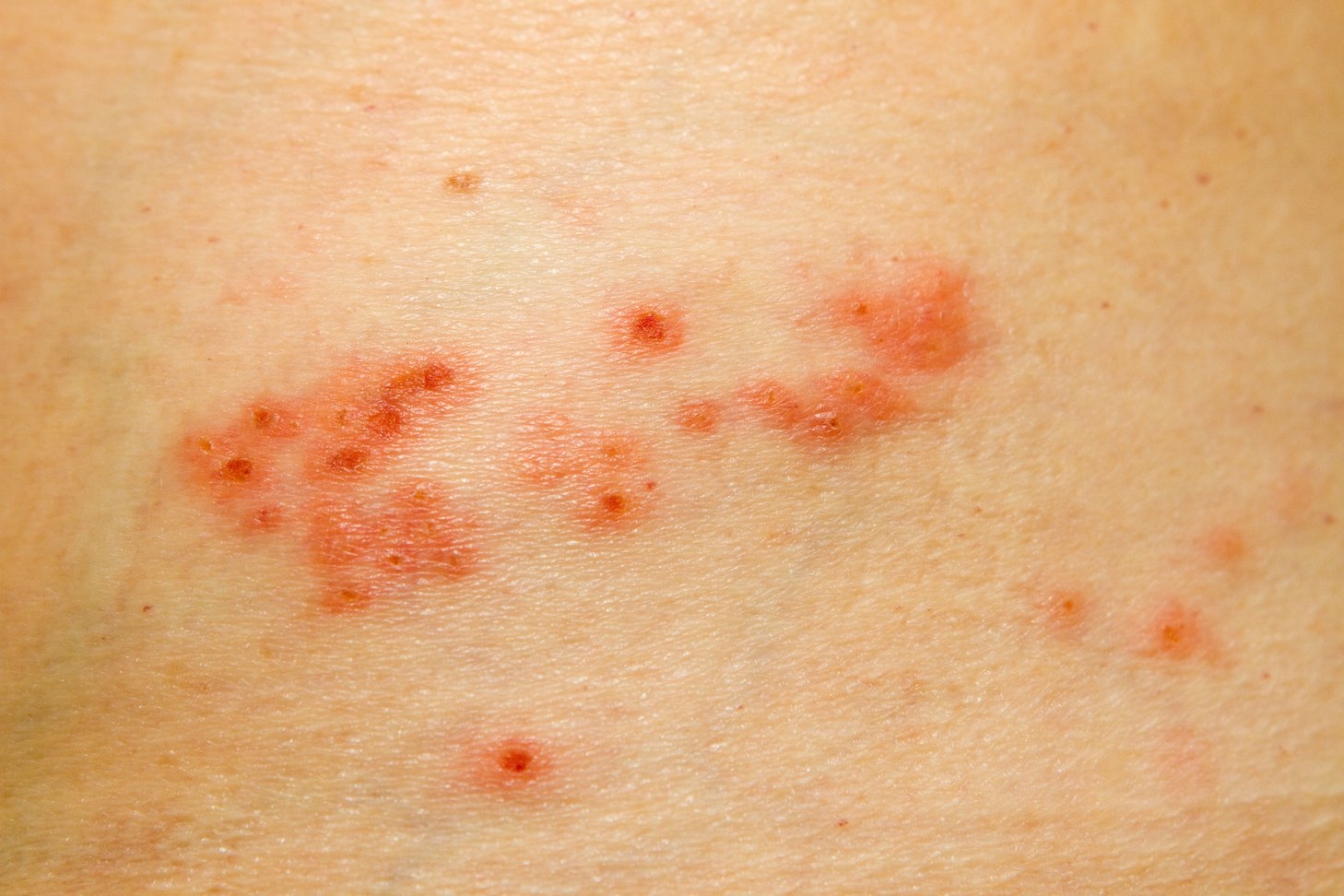
Credit: www.healthdirect.gov.au
Causes Of Common Rashes
Rashes appear for many reasons. Understanding their causes helps decide if covering a rash is right. Some rashes come from allergies, infections, or long-term skin problems. Knowing the cause guides proper care and treatment.
Allergic Reactions
Allergic reactions often cause rashes. Contact with certain plants, foods, or chemicals triggers skin irritation. The rash may be red, itchy, or swollen. Common allergens include poison ivy, nickel, and some soaps. Avoiding the allergen helps the rash heal faster.
Infections And Irritants
Infections also cause rashes. Bacteria, viruses, or fungi can infect the skin. These rashes may be painful or filled with pus. Irritants like harsh detergents or sweat can worsen them. Proper hygiene and medical care are important to stop infection spread.
Chronic Skin Conditions
Chronic conditions cause long-lasting rashes. Examples include eczema, psoriasis, and rosacea. These rashes often flare up and calm down over time. They may cause dry, scaly, or thickened skin. Managing these conditions requires ongoing treatment and skin care.

Credit: www.amazon.com
Benefits Of Covering A Rash
Covering a rash offers several important benefits. It helps protect the skin and supports faster healing. The right cover can keep the rash safe from harm and reduce discomfort. Understanding these benefits helps decide when to cover a rash and how to care for it properly.
Protection From External Irritants
A cover shields the rash from dust, dirt, and chemicals. These irritants can worsen the rash or cause infections. A clean bandage or dressing acts as a barrier. It keeps harmful substances away and allows the skin to heal undisturbed.
Preventing Spread Of Infection
Covering a rash reduces the chance of spreading infection. Some rashes contain contagious bacteria or viruses. A cover stops germs from passing to other parts of the body or to other people. It also keeps the rash cleaner, lowering infection risk.
Reducing Scratching And Injury
A rash can be very itchy and tempting to scratch. Scratching can break the skin and cause wounds. Covering the rash helps reduce scratching and protects against injury. It also lowers the chance of scarring and makes healing smoother.
Drawbacks Of Covering A Rash
Covering a rash might seem helpful, but it has several drawbacks. It can make the rash worse or slow down the healing process. Understanding these problems can help you decide the best way to care for your skin.
Risk Of Moisture And Infection
Covering a rash traps moisture under the bandage. This damp environment helps bacteria and fungi grow. The rash can become infected and more painful. Air circulation is important for skin health. Without it, the skin stays wet and irritated.
Delayed Healing
Rashes need to breathe to heal properly. Covering them for too long slows down the skin’s repair. The trapped heat and moisture stop new skin cells from forming. Healing takes longer, and the rash may get worse.
Skin Irritation From Dressings
Some bandages and tapes can irritate sensitive skin. They may cause redness, itching, or even blisters. Removing the dressing can pull on the rash and damage the skin. Choosing the right dressing is important, but sometimes no dressing is better.
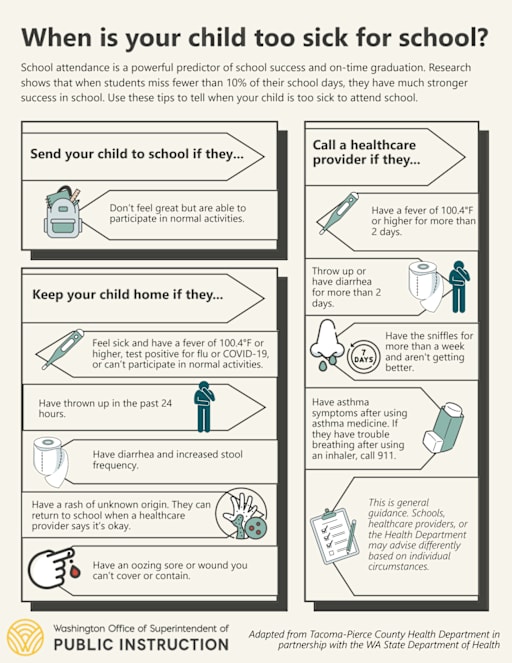
Credit: www.rentonschools.us
When To Leave A Rash Uncovered
Knowing when to leave a rash uncovered helps the skin heal properly. Not all rashes need to be covered. Some types of rashes heal better with air exposure. Understanding this can prevent irritation and speed recovery.
Leaving a rash open to the air can be a simple, effective way to help the skin. It also makes it easier to watch for changes in the rash. This helps you know if treatment is working or if a doctor’s visit is needed.
Allowing Air Circulation
Air circulation helps dry out the rash. Moisture trapped under a bandage can slow healing. Open air reduces sweat and prevents bacteria growth. This lowers the chance of infection and skin damage.
Promoting Natural Healing
Skin heals naturally when it is clean and dry. Covering a rash can trap heat and moisture. This may worsen itching or cause the rash to spread. Letting the rash breathe supports the body’s healing process.
Monitoring Rash Changes
Leaving a rash uncovered makes it easy to watch for changes. You can see if redness or swelling grows. Notice if new blisters or sores appear. Early detection helps in getting timely treatment.
Choosing The Right Covering
Choosing the right covering for a rash is important for healing and comfort. The wrong type can make the rash worse or cause irritation. The right covering protects the skin, keeps it clean, and helps it heal faster.
Different rashes need different types of dressings. The material should not cause allergies or block air. Proper application keeps the skin safe and helps the rash get better.
Types Of Dressings
There are many dressings for rashes. Gauze pads are soft and allow air flow. Adhesive bandages cover small areas and protect from dirt. Hydrocolloid dressings keep moisture in and help healing. Choose a dressing based on rash size and type.
Hypoallergenic Materials
Hypoallergenic materials reduce the risk of allergic reactions. Cotton and silicone are gentle on sensitive skin. Avoid dressings with latex or strong adhesives. These can cause more redness or itching. Pick materials that let the skin breathe.
Proper Application Techniques
Clean the rash area before applying a dressing. Pat dry gently to avoid irritation. Place the dressing without stretching the skin. Change it regularly to keep the area clean. Remove the dressing slowly to avoid pain.
Expert Tips For Rash Care
Rashes can cause discomfort and worry. Knowing how to care for them helps speed up healing. Expert tips focus on simple steps to keep the rash clean and calm. These tips also guide when to get medical help.
Maintaining Hygiene
Keep the rash area clean and dry. Gently wash with mild soap and water twice daily. Avoid scrubbing or using harsh chemicals. Pat the skin dry with a soft towel. Cleanliness stops infection and reduces irritation. Change clothing or bandages often to avoid germs.
Using Soothing Topicals
Apply gentle creams or ointments to ease itching and redness. Use products with ingredients like aloe vera or hydrocortisone. Avoid fragrances and dyes that may worsen the rash. Follow the instructions on the label carefully. Using the right topical helps calm the skin and supports healing.
Knowing When To Seek Medical Help
See a doctor if the rash spreads quickly or becomes very painful. Watch for signs like fever, swelling, or pus. If the rash does not improve after several days, get advice. Medical care is important for infections or allergic reactions. Early treatment prevents complications and speeds recovery.
Frequently Asked Questions
Should I Cover A Rash Or Leave It Exposed?
Covering a rash can protect it from dirt and bacteria. However, some rashes heal better when exposed to air. It depends on the rash type and severity. Consult a healthcare provider for personalized advice.
What Are The Benefits Of Covering A Rash?
Covering a rash helps prevent scratching and infection. It can also reduce irritation and keep medications in place. Proper dressing promotes faster healing and comfort. Use breathable, clean materials for best results.
Can Covering A Rash Worsen The Condition?
Yes, covering a rash improperly can trap moisture and worsen it. It may increase irritation or cause infection. Avoid tight or non-breathable coverings. Always follow medical guidance on rash care.
How Often Should I Change A Rash Covering?
Change the covering at least once daily or when wet. Frequent changes prevent infection and skin maceration. Clean the rash area gently before applying a new dressing. Proper hygiene is key to rash healing.
Conclusion
Covering a rash can help protect it from dirt and bacteria. But sometimes, leaving it open lets the skin breathe and heal faster. Watch how your skin reacts and change care if needed. Clean the rash gently and avoid tight clothing.
If the rash worsens or spreads, see a doctor soon. Each rash is different, so choose what feels best for you. Taking care and staying clean helps your skin get better quickly.
