

Is It Best Gym Clothes for Staying Cool? Top Picks Revealed
Is It Best Gym Clothes For Staying Cool
Walking into a gym, you can feel the heat almost instantly. The air gets thick, your skin starts to sweat, and before you know it, your clothes are sticking to your body. Staying cool during workouts is not just about comfort—it can impact your performance, motivation, and even safety.
Many people think any T-shirt and shorts will do, but the right gym clothes can make a huge difference in how you feel and how well you train. If you’ve ever wondered which are the best gym clothes for staying cool, you’re not alone.
The answer is not as simple as “wear less” or “just cotton. ” In this guide, you’ll find everything you need to know to pick gym clothes that help you stay cool, dry, and focused from warm-up to cool-down.
Why Staying Cool Matters During Exercise
When your body heats up during exercise, it naturally sweats to try and cool down. But if your clothes trap heat or sweat, your body struggles to maintain the right temperature. This can lead to early fatigue, dehydration, and even heat-related illnesses.
Overheating can also make you less likely to finish your workout or give your best effort.
Wearing the right gym clothes is more than just about style. It helps your body regulate temperature, manage moisture, and protect your skin from irritation. For those who work out in hot climates or crowded gyms, choosing clothes designed to keep you cool is essential.
The Science Behind Cooling Gym Clothes
Not all fabrics are created equal when it comes to staying cool. Clothes that keep you cool use technology and materials designed to:
- Wick moisture away from your skin
- Allow airflow through the fabric
- Dry quickly after absorbing sweat
Synthetic fibers like polyester and nylon are often blended with spandex or elastane to provide stretch and maintain shape. Some brands add silver or ceramic particles for extra cooling or odor control. Still, natural fibers like bamboo or merino wool can also help regulate temperature for certain people.
How Sweat-wicking Works
Moisture-wicking fabrics pull sweat from your skin to the fabric’s surface, where it can evaporate faster. This process keeps you drier and cooler, compared to cotton, which absorbs sweat but stays wet.
Breathability And Airflow
Breathable clothes are made with tiny holes or mesh panels to let air move freely. This airflow helps sweat evaporate and heat escape, making you feel cooler, especially during intense workouts.
Key Features To Look For In Cool Gym Clothes
Choosing the best gym clothes for staying cool is easier when you know what to look for. Here are the main features that matter:
- Moisture-wicking ability
- Breathable design
- Lightweight materials
- Loose or ergonomic fit
- Ventilation panels
- Quick-drying fabric
- UV protection (for outdoor workouts)
- Odor control
- Smooth seams to prevent chafing
- Minimal layering
Let’s break these down to understand their importance.
Moisture-wicking Ability
This is the most important feature. Good gym clothes pull sweat away from your body, so you stay dry. Look for terms like “Dri-FIT,” “Climalite,” or “Coolmax” on labels.
Breathable Design
Clothes with mesh panels or open-weave fabrics let air move around your skin. This is key for keeping your core temperature lower during training.
Lightweight Materials
Heavy fabrics trap heat. Lightweight shirts, shorts, or leggings are easier to move in and allow sweat to evaporate faster.
Fit Matters
Loose-fitting tops and shorts often provide better airflow, but too loose can get in the way. Clothes should not cling too tightly, but athletic cuts that move with your body are ideal.
Ventilation Panels
Extra holes or mesh under the arms, at the back, or behind the knees add airflow to sweat-prone zones.
Quick-drying Fabric
Some materials dry much faster than others. This keeps you from feeling soggy and reduces the risk of skin irritation.
Uv Protection
If you work out outdoors, some gym clothes add UV-blocking features to protect your skin from the sun.
Odor Control
Bacteria thrive in sweaty clothes. Some brands add anti-microbial treatments to keep you smelling fresh.
Smooth Seams
Rough seams can rub against your skin and cause irritation or rashes. Look for flat, smooth seams.
Minimal Layering
Wearing several layers traps more heat. One or two well-chosen pieces are better for staying cool.
Best Materials For Staying Cool At The Gym
Material choice has a bigger impact than brand or style. Here are the top fabrics for cooling:
Polyester
Polyester is the most common gym fabric. It’s lightweight, dries quickly, and does not hold on to sweat. Most “tech” shirts and shorts are made from polyester blends.
Nylon
Nylon is also popular for its strength and smooth feel. It wicks moisture well and is often used in running shorts or performance tops.
Spandex/elastane
Added for stretch, spandex makes clothes fit better and move with your body. It is almost always blended with polyester or nylon.
Bamboo
Bamboo fiber is naturally breathable and soft. It wicks moisture and has anti-microbial qualities, which can help control odor.
Merino Wool
Surprisingly, lightweight merino wool can keep you cool. It manages moisture and stays comfortable even when wet. It’s best for people with sensitive skin.
Microfiber
Microfiber fabrics are super thin and breathable, helping sweat evaporate quickly.
Mesh
Mesh panels or full-mesh items maximize airflow. They are often used in areas where sweat builds up.
Here’s a quick comparison of common gym fabrics for cooling:
| Fabric | Breathability | Moisture Wicking | Drying Speed | Comfort |
|---|---|---|---|---|
| Polyester | High | Excellent | Fast | Good |
| Nylon | High | Very Good | Fast | Very Good |
| Bamboo | Very High | Good | Medium | Excellent |
| Merino Wool | High | Good | Medium | Excellent |
| Cotton | Medium | Poor | Slow | Good (when dry) |
Why Cotton Is Not Always Best
Cotton is soft and comfortable, but it absorbs sweat and keeps it close to your skin. This means you can end up feeling wet and heavy during your workout. For light stretching or yoga, cotton is fine, but for intense training, it can lead to chafing and overheating. Many beginners choose cotton because it’s affordable and easy to find, but switching to moisture-wicking synthetics can make a noticeable difference in comfort.
The Best Types Of Gym Clothes For Staying Cool
Different types of clothing are suited to different workouts and needs. Here’s how to choose:
Tops
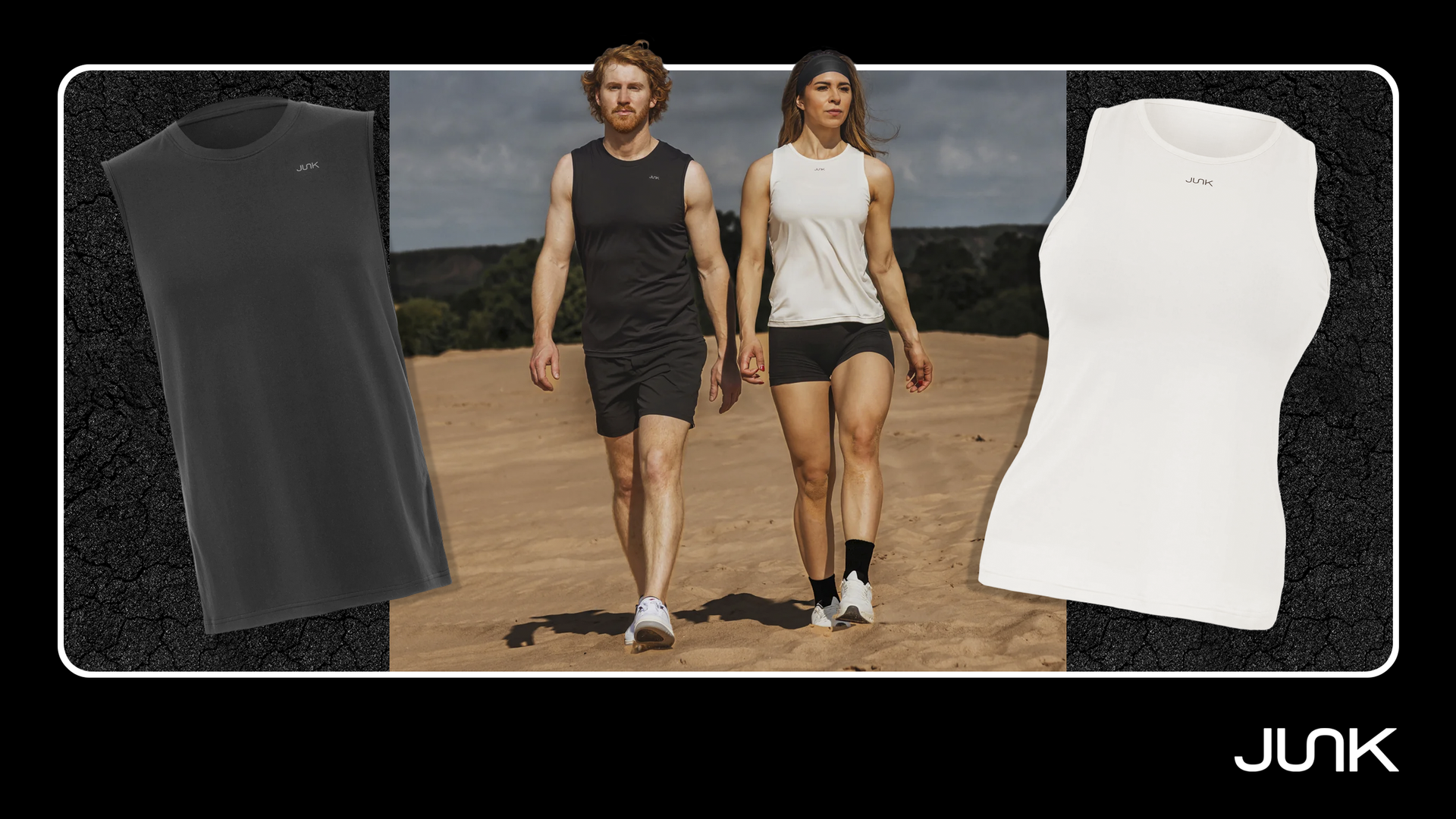
- Tank tops: Offer maximum airflow to arms and shoulders. Great for weightlifting, HIIT, or cardio.
- T-shirts: Look for technical fabrics with mesh panels. Slightly loose fit is best.
- Long-sleeve shirts: Choose only if made from ultra-light, breathable materials or if you need sun protection.
- Sports bras: High-tech bras with mesh and moisture-wicking fabric keep women cool and supported.
Bottoms
- Shorts: The best for cooling, especially loose or split running shorts with mesh lining.
- Leggings/tights: Pick thin, sweat-wicking options with mesh panels. Avoid thick, heavy materials.
- Capris: Mid-length and often more cooling than full leggings.
- Sweatpants: Usually too warm for cardio, but okay for warm-up or cool-down if made from lightweight tech fabrics.
Underwear
Many people overlook moisture-wicking underwear. Regular cotton underwear can trap sweat and cause discomfort. Choose seamless, technical underwear to stay dry.
Socks
Technical socks made from polyester or merino wool help keep feet cool and blister-free.
Accessories
- Headbands: Absorb sweat and keep it out of your eyes.
- Wristbands: Good for wiping away sweat.
- Hats or caps: For outdoor workouts, pick light, breathable hats with sweat-wicking bands.
How Fit And Style Impact Cooling
Choosing the right style and fit can make a big difference. Loose clothes allow more air to reach your skin, but very loose clothes can get in the way or snag on equipment. Fitted “athletic cut” clothes, especially with mesh or ventilation, can balance comfort and performance.
Women may prefer sleeveless tops, racerback bras, and shorts for maximum airflow. Men often find that split shorts, sleeveless shirts, or loose tanks offer the best cooling.
Bright colors reflect sunlight and heat, while dark colors absorb it. If you’re working out outdoors, choose light colors when possible.
Common Mistakes When Choosing Gym Clothes For Cooling
Many people make simple mistakes that keep them hotter during workouts:
- Wearing cotton: Holds sweat, leads to chafing and heaviness.
- Too many layers: More layers mean more heat trapped.
- Tight, non-breathable clothes: Restrict airflow and trap sweat.
- Ignoring underwear and socks: These can make a big difference in comfort.
- Choosing fashion over function: Trendy clothes may not have cooling features.
- Not considering climate: Clothes that are good indoors may not work outdoors.
- Wearing dark colors outside: Absorbs more heat from the sun.
- Neglecting seam design: Rough seams can lead to skin irritation.
How Men And Women’s Cooling Needs Differ
While cooling basics are the same for everyone, men and women often have different preferences and needs:
- Women may need more support from sports bras and may prefer shorts or capris over long leggings in hot conditions.
- Men often choose tank tops and split shorts for best airflow.
- Fit is very personal; what feels cool to one person may not work for another. Try different brands and styles to see what suits your body and workout.
How To Care For Gym Clothes To Keep Them Cooling
Proper care helps your gym clothes last longer and stay effective:
- Wash after every use: Sweat left in clothes can damage fibers and reduce breathability.
- Avoid fabric softeners: They can block moisture-wicking properties.
- Air dry when possible: High heat can break down technical fabrics.
- Do not overload the washing machine: Clothes need space to rinse properly.
Here’s a handy care guide:
| Care Tip | Why It Matters | How Often |
|---|---|---|
| Wash after each wear | Removes sweat and bacteria | Every workout |
| Skip fabric softener | Preserves wicking ability | Always |
| Air dry | Prevents fabric breakdown | As often as possible |
| Wash in cool water | Protects fibers | Every wash |

Credit: yakwary.com
Special Technologies In Cooling Gym Wear
Some brands use extra technology to boost cooling:
- Phase-change materials: These absorb and release heat as needed.
- Infrared fabrics: Claim to reflect your body’s energy back to help cooling.
- Anti-odor treatments: Silver or zinc-based chemicals fight bacteria.
- Perforated fabrics: Small laser-cut holes increase airflow.
Not all claims are backed by strong science, but many users find a real difference with these features. Try a few to see what works best for you.
Cooling Gym Clothes For Different Types Of Workouts
Your activity affects which clothes are best for cooling:
Cardio And Hiit
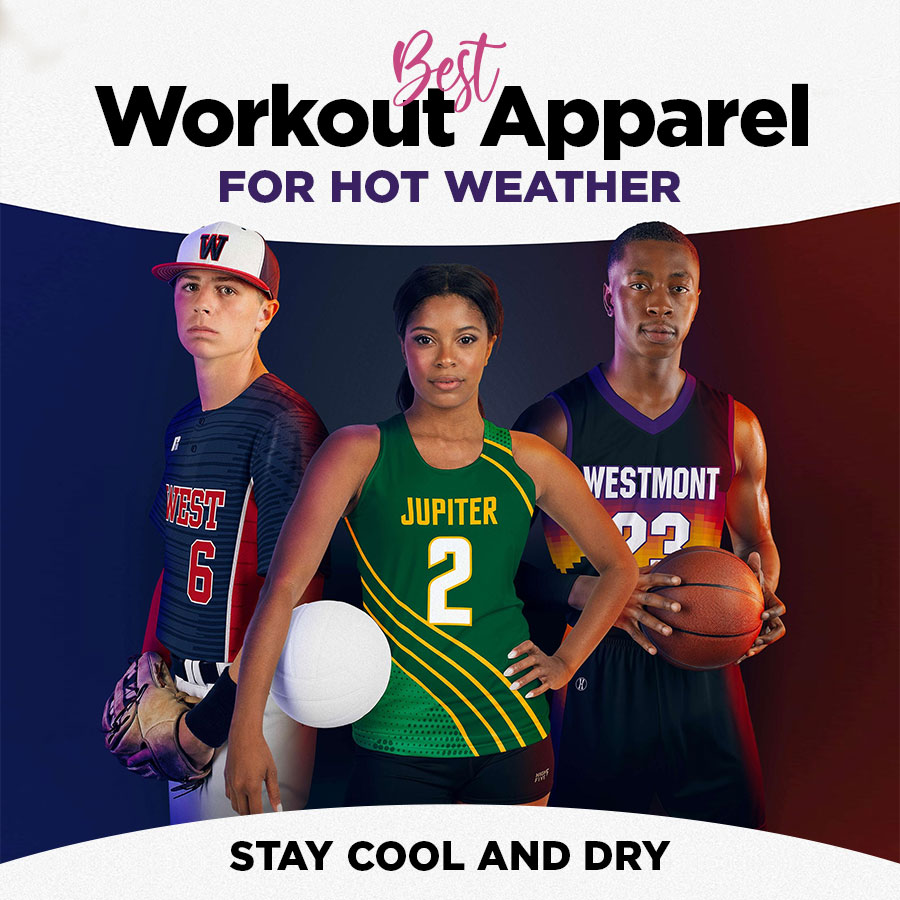
You’ll sweat a lot, so pick shorts and tank tops or light T-shirts with maximum airflow and moisture-wicking.
Weightlifting
You can wear slightly heavier fabrics, but airy tank tops, split shorts, or sweat-wicking leggings are ideal.
Yoga And Pilates
Look for lightweight, stretchy leggings and fitted tops. If you sweat a lot, avoid cotton.
Outdoor Running Or Sports
UV-protective, light-colored, and ventilated clothes are best. Don’t forget a hat and sunglasses.
Group Classes
You’ll be moving and sweating among others. Breathable clothes and good moisture control matter for comfort and hygiene.
Credit: www.gotapparel.com
Budget Vs. Premium: Does Price Matter?
You don’t have to spend a fortune for cool gym clothes. Many affordable brands now offer moisture-wicking and breathable options. Premium clothes may use more advanced technology or last longer, but you can get good results without breaking the bank.
Here’s a basic comparison:
| Price Range | Typical Features | Durability |
|---|---|---|
| Budget | Basic moisture-wicking, polyester blends | Good if cared for |
| Mid-range | Better fit, more colors, some mesh panels | Very Good |
| Premium | Advanced cooling tech, odor control, special fibers | Excellent |
Non-obvious Tips For Staying Cool
Here are a few insights many beginners miss:
- Rotate your clothes: Don’t wear the same outfit every day. Let fabrics recover to keep wicking well.
- Try synthetic underwear first: You’ll be surprised how much this helps, even if you wear cotton on the outside.
- Don’t forget about socks: Sweaty feet can overheat your whole body. Technical socks make a difference.
- Test before a big workout: Try your new clothes during a short session first. Some fabrics feel cool at first but become uncomfortable as you sweat more.
Credit: www.junkbrands.com
When To Replace Your Gym Clothes
Even the best gym clothes lose their cooling power over time. If you notice your shirts or shorts stay wet longer, start to smell, or feel heavier, it’s time to get new ones. Most technical fabrics last for 6–12 months of regular use before their performance drops.
Where To Buy Cooling Gym Clothes
Most sports stores now offer cooling gym clothes. Online shopping lets you read reviews and compare features. Look for clear descriptions about moisture-wicking, breathability, and fit—not just style.
For further reading, you can check resources like Healthline’s workout clothing guide to see what experts recommend.
Frequently Asked Questions
What Is The Best Material For Gym Clothes To Stay Cool?
Polyester blends and nylon are top choices because they wick sweat and dry quickly. Bamboo and merino wool are also good for sensitive skin and natural cooling.
Should I Avoid Cotton For The Gym?
Yes, for most workouts. Cotton absorbs sweat and stays wet, making you feel hot and sticky. For light activities, it’s okay, but for heavy sweating, choose technical fabrics.
How Tight Should Gym Clothes Be For Cooling?
Gym clothes should be fitted but not tight. Athletic cuts that move with your body and allow some airflow are best. Too-tight clothes restrict movement and trap heat.
Do Cooling Gym Clothes Really Make A Difference?
Yes. Moisture-wicking and breathable clothes can keep you drier, more comfortable, and even improve performance by preventing overheating.
How Do I Care For Moisture-wicking Gym Clothes?
Wash after every use, avoid fabric softeners, air dry when possible, and follow the label’s care instructions to keep them working well.
Choosing the best gym clothes for staying cool is about more than just looks. It’s about performance, comfort, and health. With the right choices, you’ll feel better, train harder, and enjoy your workouts even when the temperature rises. Stay smart, stay cool, and let your gym clothes work for you, not against you.
