

Is Business Casual Professional? Decoding Modern Workplace Attire
Is Business Casual Professional
The world of work is changing fast, and so are the rules about what to wear. Many people ask, is business casual professional? This question matters more than ever, as companies relax dress codes and employees want comfort. But at the same time, everyone wants to look confident and capable. Picking the right clothes can shape how others see you, affect your work relationships, and even influence your career growth.
Let’s explore what business casual means, how it compares to other dress codes, and whether it truly fits the idea of “professional. ” You’ll get practical advice, real examples, and clear comparisons to help you dress smartly for any workplace.
What Is Business Casual?
Business casual is a dress code found in many offices. It’s less formal than traditional business wear, but more polished than casual outfits. The idea is to look neat, tidy, and ready for work—without wearing a suit and tie every day.
Common Business Casual Items
- Dress pants or khakis
- Button-down shirts or blouses
- Polo shirts
- Sweaters or cardigans
- Closed-toe shoes (like loafers or dress flats)
- Blazers (optional, not required)
- Dress skirts (knee-length or longer)
Jeans, sneakers, and t-shirts usually do not fit business casual, unless the company allows them.
Why Business Casual Became Popular
Business casual started to rise as tech companies and startups wanted comfort and creativity. Traditional suits felt stiff and old-fashioned. Employers realized that a relaxed dress code could:
- Help people feel comfortable
- Encourage creativity
- Attract younger workers
- Break down barriers between managers and staff
Surveys show that over 40% of US offices use some form of business casual. Employees often feel happier and less stressed about their clothing choices.
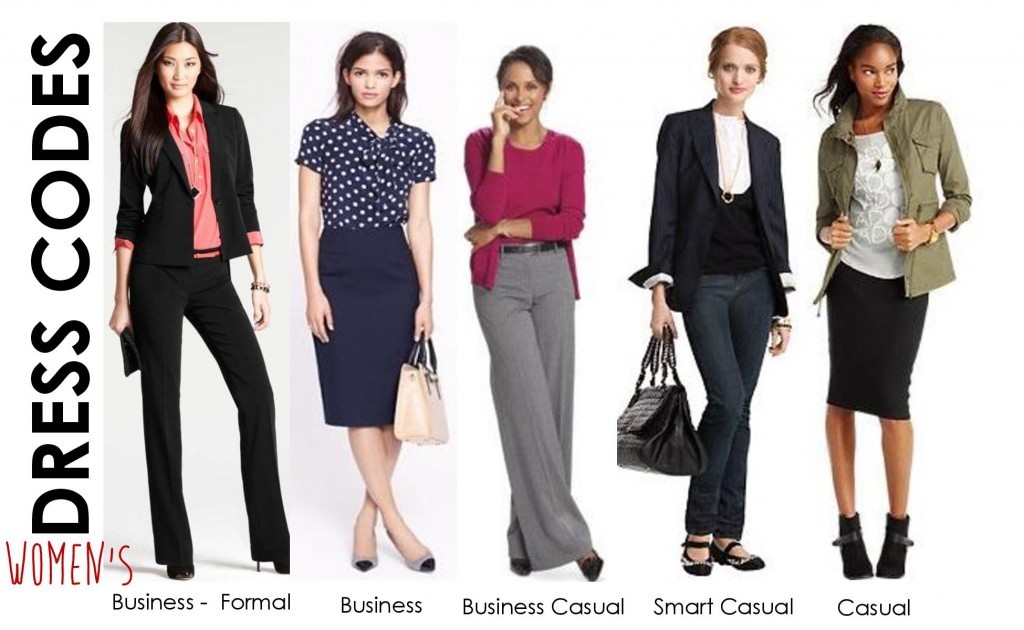
Comparing Business Casual To Other Dress Codes
Understanding business casual is easier when you compare it to other office dress codes.
| Dress Code | Key Features | Common Items |
|---|---|---|
| Formal Business | Very professional, strict rules | Suits, ties, dress shoes |
| Business Casual | Relaxed, but polished | Dress pants, button-down shirts, loafers |
| Smart Casual | Fashionable, mix of casual and formal | Dark jeans, blazers, stylish shoes |
| Casual | Comfort-focused, very relaxed | Jeans, t-shirts, sneakers |
Business casual sits between formal business and smart casual. It allows for comfort, but still expects a clean, professional look.
Business Casual Vs Formal Business
Formal business means suits, ties, and strict rules. Business casual relaxes these rules. You can skip the tie and wear a sweater instead of a jacket. But business casual still demands neatness—wrinkled shirts or ripped pants are not acceptable.
Business Casual Vs Smart Casual
Smart casual is about mixing formal and trendy clothes. Business casual is not about fashion—it’s about looking professional with less formality. For example, dark jeans might be allowed in smart casual but not in business casual.
Is Business Casual Professional?
Many worry that business casual is too relaxed for professional settings. Let’s look at the key factors to decide if business casual is truly professional.
Professionalism Is About More Than Clothes
Professionalism includes:
- Respect for others
- Responsibility
- Communication skills
- Work quality
Clothes are only one part of professionalism. Still, how you dress affects how others see you. Studies show that people judge competence in seconds, often based on appearance.
When Is Business Casual Professional Enough?
Business casual is professional if:
- It fits the company culture. In tech firms, a polo and khakis can be perfect. In law firms, you may need a full suit.
- It looks clean and well-fitted. Clean, ironed clothes make a strong impression.
- It matches the occasion. For client meetings or interviews, slightly dress up (add a blazer or choose darker colors).
- It follows industry norms. Creative fields allow more freedom. Finance, law, and consulting expect stricter dress codes.
Non-obvious insight: Many people forget that business casual can become less professional if clothes are too casual or worn out. Even small details—like scuffed shoes—can lower your professional image.
Examples Of Professional Business Casual
Let’s see some real-life examples:
- Office worker: Navy dress pants, pale blue button-down shirt, brown loafers. No tie, but everything is clean and pressed.
- Manager: Charcoal skirt, white blouse, black cardigan, closed-toe heels. Simple jewelry, neat hair.
- Sales team: Khaki pants, striped polo shirt, dark belt, dress shoes. Blazer added for client visits.
These outfits show that business casual can be both comfortable and professional.
Why Do Companies Choose Business Casual?
Companies choose business casual for several reasons:
Comfort And Productivity
Workers feel more comfortable, which can boost productivity. A survey from Gallup found that 55% of employees say they work better when they’re not restricted by strict dress codes.
Attracting Talent
Young professionals expect flexibility. Companies with business casual dress codes attract more applicants, especially in tech, marketing, and creative industries.
Reducing Stress
Strict dress codes cause stress. Employees worry about rules, buy expensive clothes, and spend time choosing outfits. Business casual reduces these worries, leading to happier staff.
Encouraging Team Spirit
Business casual can help break down barriers between managers and staff. When everyone dresses similarly, it feels more equal and friendly.
Common Mistakes With Business Casual
Many people misunderstand business casual. Here are common mistakes:
- Wearing clothes that are too casual (like ripped jeans or sports shoes)
- Ignoring fit and cleanliness
- Choosing bright colors or bold patterns (unless company allows)
- Over-accessorizing (too much jewelry or flashy items)
- Skipping grooming (messy hair or untrimmed nails)
Non-obvious insight: Business casual does not mean “anything goes.” Many beginners think it means jeans and t-shirts are fine, but this can hurt your professional image.
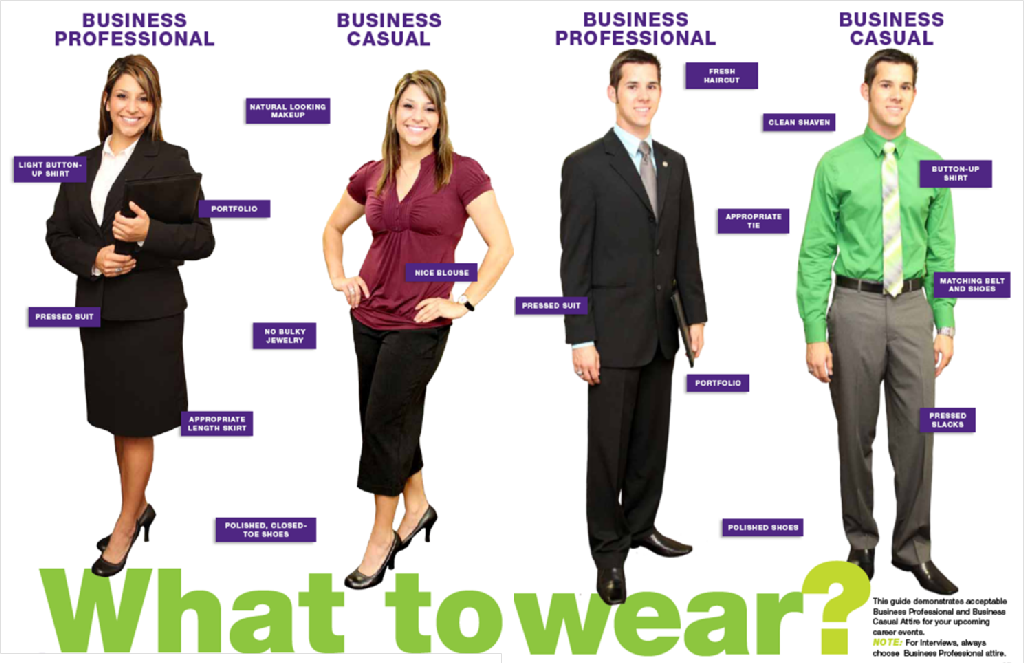
How To Make Business Casual Look More Professional
If you want to look more professional in business casual, follow these tips:
Choose High-quality Materials
Good fabrics make a big difference. Cotton, wool, and blends look better than cheap synthetics. Well-made clothes last longer and look sharper.
Pick Neutral Colors
Neutral shades like navy, gray, black, white, and beige are safe choices. They look clean and professional.
Add A Blazer
A blazer instantly makes any business casual outfit look more professional. Keep it simple, with no flashy designs.
Wear Clean, Polished Shoes
Shoes matter. Pick closed-toe dress shoes, keep them polished, and avoid sneakers unless your company allows.
Keep Accessories Simple
Choose a watch or a simple necklace. Avoid large, colorful accessories.
Groom Well
Neat hair, clean nails, and light makeup (if worn) help complete your look.
Credit: gardner-webb.edu
Business Casual For Men
Business casual for men is straightforward but needs careful choices. Let’s break down the key elements.
Shirts
- Button-down shirts (solid or subtle patterns)
- Polo shirts (for less formal offices)
- Sweaters (over a shirt)
Avoid t-shirts and shirts with large logos.
Pants
- Dress pants (navy, gray, beige)
- Khakis
- Chinos
Jeans Are Usually Not Allowed, Except For “casual Fridays.”
Shoes
- Loafers
- Dress shoes
- Boots (simple, not rugged)
Sandals and sneakers are not professional.
Jackets
- Blazer (optional, adds professionalism)
- Cardigans
Accessories
- Simple belt
- Watch
- Avoid flashy jewelry
Real Example
A typical business casual outfit: navy chinos, white button-down shirt, brown loafers, gray sweater. Neat hair, no visible tattoos or piercings.
Business Casual For Women
Women have more choices, but business casual still means neat and modest outfits.
Tops
- Blouses (solid or subtle prints)
- Button-down shirts
- Sweaters or cardigans
Avoid spaghetti straps or low-cut tops.
Bottoms
- Dress pants
- Knee-length skirts
- Midi dresses (with sleeves)
Leggings and shorts are not considered business casual.
Shoes
- Flats
- Loafers
- Low heels
Avoid flip-flops and flashy sneakers.
Accessories
- Simple jewelry
- Belt (if needed)
- Scarf (for style, but keep it subtle)
Real Example
A business casual look: black dress pants, cream blouse, gray cardigan, black flats. Small earrings, neat ponytail.
Business Casual In Different Industries
Business casual means different things in each industry. Here’s how it changes:
| Industry | Typical Business Casual | Special Notes |
|---|---|---|
| Technology | Khakis, polos, sweaters | Jeans sometimes allowed |
| Finance | Dress pants, button-down shirts, loafers | Blazer recommended |
| Creative | Trendy blouses, dark jeans, stylish shoes | More freedom in colors and patterns |
| Healthcare | Dress pants, polo shirts, flats | Comfort is key |
| Education | Skirts, sweaters, dress shoes | Modest, practical clothing |
Non-obvious insight: Some companies have “unwritten rules.” For example, jeans might be allowed, but only if they’re dark, clean, and paired with a blazer. Always observe what managers and coworkers wear.
Business Casual For Remote Work
Remote work has changed dress codes. Many people work from home, but video calls still require a professional look.
Why Dress Up For Remote Work?
- Builds confidence
- Helps you focus
- Shows respect to coworkers and clients
Business Casual For Video Calls
- Wear a neat shirt or blouse
- Avoid pajamas or gym clothes
- Pick simple backgrounds
Some companies have relaxed rules, but business casual is still a safe choice for virtual meetings.
Credit: www.morganhunter.com
The Impact Of Business Casual On Career Growth
Does business casual affect your career? Research shows that appearance influences promotions and job offers.
- A study from Princeton found that people judge competence in less than a second, based on appearance.
- Dressing well can make you feel more confident, which can improve your performance.
But remember, “professional” means more than clothing. Reliability, communication, and results matter most. Clothes help, but they are not the only factor.
Non-obvious insight: If you want to move up, notice how senior leaders dress. If they add a blazer to business casual, you might want to do the same for important events.
How To Transition From Formal To Business Casual
If your company is shifting from formal to business casual, take these steps:
- Read the dress code policy. Know what is allowed and not allowed.
- Start slow. Replace one formal item (like a tie) with a business casual item (like a sweater).
- Observe others. See what managers and colleagues wear.
- Ask for feedback. If unsure, ask HR or a supervisor.
- Keep a “safe” outfit ready. For important meetings, have a blazer or dress shoes nearby.
Transitioning smoothly helps you avoid mistakes and keeps your professional image strong.
Business Casual Around The World
Business casual means different things in different countries.
United States
Khakis, polos, and sweaters are common. Jeans are sometimes allowed in tech or creative fields.
Europe
Business casual is more formal. Dark dress pants, button-down shirts, and blazers are expected. Jeans are rarely allowed.
Asia
In many Asian offices, business casual means dress pants and long-sleeve shirts. Bright colors and patterns are less common.
Middle East
Modesty is important. Long sleeves, high necklines, and covered legs are expected.
Tip: Always check local customs before dressing business casual in a new country.
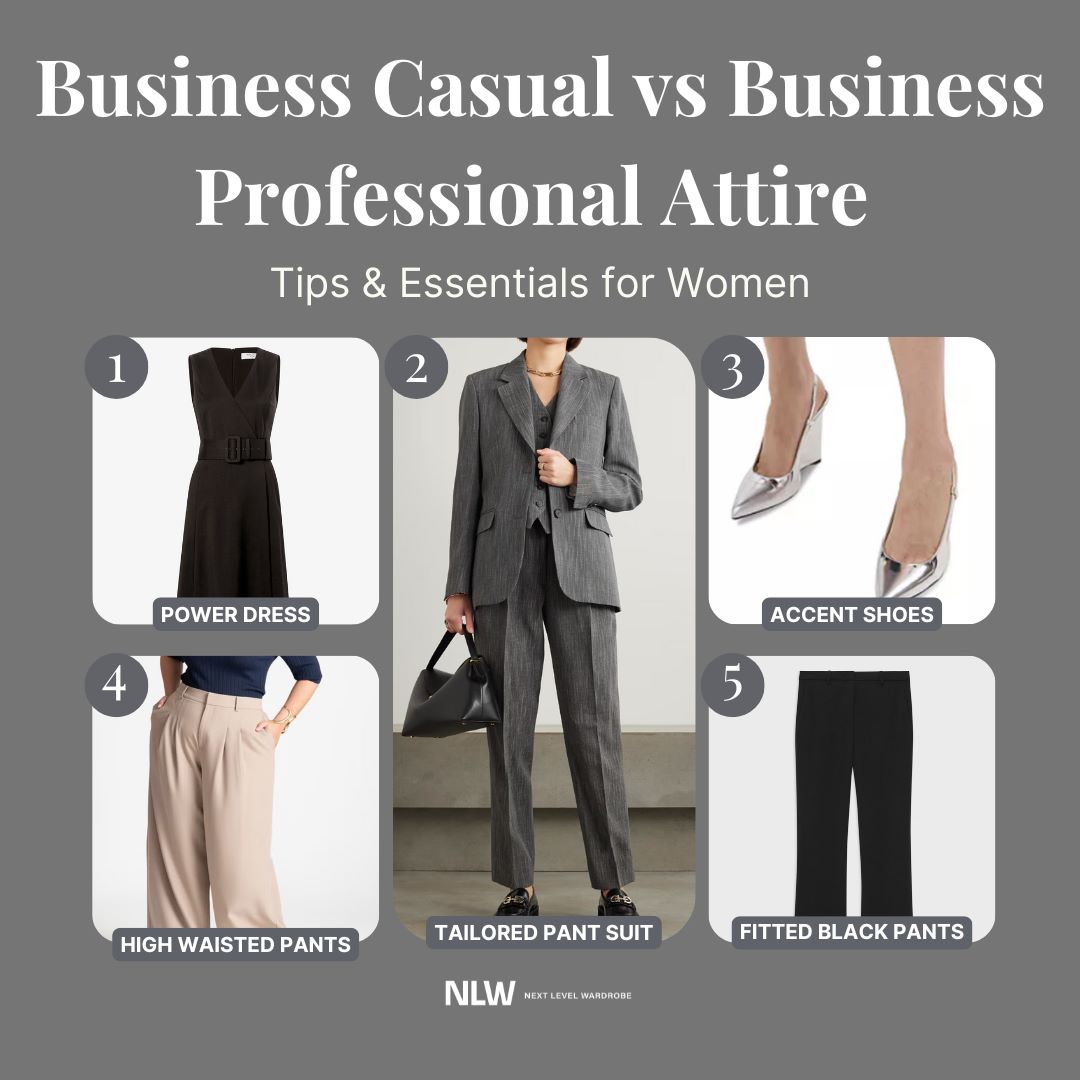
Business Casual Vs Business Professional: Key Differences
Here’s a clear comparison to highlight the differences.
| Feature | Business Casual | Business Professional |
|---|---|---|
| Formality | Moderate | High |
| Required Items | Pants, shirts, shoes | Suits, ties, dress shoes |
| Allowed Colors | Neutral, some patterns | Mostly dark, solid |
| Accessories | Simple | Minimal, classic |
| Comfort | Higher | Lower |
| Impression | Approachable | Authoritative |
Real-life Examples: Business Casual Success
Many companies have found success with business casual.
- Google and other tech giants use business casual to attract talent and spark creativity.
- Big banks allow business casual on Fridays to boost morale.
- Marketing agencies use business casual to encourage creativity and teamwork.
Employees in these companies report higher job satisfaction and better relationships with managers.
Practical Tips For Choosing Business Casual
If you’re new to business casual, here are smart ways to get started:
- Build a capsule wardrobe. Choose a few key items that mix and match well.
- Invest in basics. Solid shirts, neutral pants, and classic shoes last longer.
- Avoid extremes. Don’t wear anything too bright, too casual, or too trendy.
- Check your calendar. Dress up for important meetings or presentations.
- Ask HR if unsure. Policies can change, so stay updated.
Non-obvious insight: Having a few “emergency” items in your desk (like a spare shirt or blazer) can save you from unexpected meetings.
Credit: nextlevelwardrobe.com
The Role Of Business Casual In Company Culture
Business casual is not just about clothing—it shapes company culture.
Encourages Openness
When dress codes are relaxed, people feel more comfortable speaking up and sharing ideas.
Builds Trust
Employees see managers as more approachable when they dress in business casual.
Supports Diversity
A flexible dress code welcomes people from different backgrounds and cultures.
Reduces Distractions
Employees spend less time worrying about their clothes and focus more on their work.
Frequently Asked Questions
What Does Business Casual Mean?
Business casual is a dress code where you wear neat, comfortable clothes like dress pants, button-down shirts, blouses, and closed-toe shoes. It’s less formal than a suit and tie but more polished than jeans and t-shirts.
Can Jeans Be Business Casual?
Usually, jeans are not considered business casual. But some companies allow dark, clean jeans with a blazer or dress shirt. Always check your company’s policy and observe what others wear.
How Can I Make My Business Casual Outfit More Professional?
Choose high-quality fabrics, stick to neutral colors, add a blazer, wear polished shoes, and keep accessories simple. Make sure your clothes are clean, well-fitted, and ironed.
Is Business Casual Acceptable For Interviews?
It depends on the industry and company. For most office jobs, business casual is fine. But in law, finance, or consulting, it’s safer to dress more formally. When in doubt, dress one step above business casual.
What Are Common Mistakes With Business Casual?
Wearing clothes that are too casual, ignoring fit and cleanliness, picking bright colors or bold patterns, and skipping grooming are common mistakes. Business casual still means looking neat and professional.
Final Thoughts
Business casual has become the standard in many offices, blending comfort and professionalism. While it’s less strict than formal business wear, it still requires careful choices. The key is to look neat, tidy, and respectful—showing you care about your job and your coworkers.
Business casual can be professional when you follow the right guidelines, understand your company culture, and avoid common mistakes.
Remember, professionalism is more than what you wear. Your attitude, work quality, and respect for others matter most. But the right clothes help you make a strong first impression and build confidence. Whether you work in a tech startup, a bank, or a classroom, business casual offers a balance that suits today’s workplaces. For more details on dress codes and their effects, check out SHRM’s dress code guide.
Choose business casual wisely, and you’ll look—and feel—professional every day.
