

Is Business Casual And Smart Casual the Same? Key Differences Explained
Is Business Casual And Smart Casual The Same
People everywhere want to look good at work and social events. But there is confusion about the difference between business casual and smart casual. Many believe they are similar, or even identical. Actually, these dress codes are not the same. Understanding the difference helps you dress correctly and feel confident in different situations.
This article explores the real meaning of business casual and smart casual. We will look at their origins, main features, and how to choose the right outfit for each. You will see clear examples, practical tips, and common mistakes to avoid.
After reading, you’ll know exactly what these styles mean, and when to use them.
What Is Business Casual?
Business casual is a popular dress code in offices and workplaces. It combines formal and informal clothing. The goal is to look professional, but also comfortable.
Main Features Of Business Casual
Business casual outfits are neat, simple, and professional. They avoid full suits, ties, and formal dresses. Instead, they include items like:
- Collared shirts (button-down or polo)
- Dress slacks (not jeans)
- Chinos or khaki pants
- Blazers (optional)
- Closed-toe shoes (like loafers or flats)
Women often wear blouses, tailored pants, skirts, and comfortable dresses. Men usually pick shirts, sweaters, and slacks.
Why Business Casual Exists
Companies want employees to feel relaxed but still look professional. Business casual bridges the gap between strict formal wear and everyday clothing. It helps create a friendly, efficient workplace.
Common Business Casual Examples
Let’s look at typical business casual outfits:
- Light blue button-down shirt, navy chinos, brown loafers
- Gray sweater, white collared shirt, black dress pants, black flats
- Simple blouse, knee-length skirt, beige pumps
These combinations look professional but are easier to wear than a full suit.
What Is Smart Casual?
Smart casual is more flexible and modern. It mixes elegant and casual elements for a polished, stylish look. Unlike business casual, smart casual is used outside offices—restaurants, parties, networking events, or casual Fridays.
Main Features Of Smart Casual
Smart casual outfits are fashionable and creative. The goal is to look sharp, but not overdressed. Key items include:
- Blazers or jackets (but not always)
- Dress shirts or stylish tops
- Dark jeans (clean, no rips)
- Chinos or tailored pants
- Quality shoes (loafers, boots, stylish sneakers)
Women can choose trendy dresses, skirts, blouses, or nice pants. Men might mix jackets, jeans, and fresh shirts.
Smart Casual In Social Settings
Smart casual is common at dinners, art shows, or casual business meetings. It allows for more personality. People can add accessories, colors, and modern touches.
Typical Smart Casual Examples
Here are some smart casual combinations:
- Black blazer, white t-shirt, dark jeans, leather boots
- Patterned blouse, tailored pants, statement necklace, ballet flats
- Stylish sweater, slim-fit chinos, clean sneakers
Smart casual lets you express yourself, but still look neat and sophisticated.

Credit: theartefact.com
Comparing Business Casual And Smart Casual
Many people confuse these two dress codes. They sound similar, but they are not the same. The main difference is the level of formality and creativity.
Formality Level
Business casual is more formal than smart casual. It fits office environments. Smart casual is relaxed and suits social events.
Allowed Clothing Items
Business casual usually avoids jeans, sneakers, and bold accessories. Smart casual allows jeans, fashionable shoes, and trendy details.
Style Flexibility
Business casual is simple and safe. Smart casual is flexible, allowing personal style and modern trends.
Comparison Table: Business Casual Vs Smart Casual
Here’s a clear side-by-side look at both dress codes:
| Feature | Business Casual | Smart Casual |
|---|---|---|
| Formality | Professional, moderate | Relaxed, stylish |
| Jeans | Usually not allowed | Allowed (dark, clean) |
| Shoes | Dress shoes, loafers | Loafers, boots, sneakers |
| Accessories | Minimal, classic | Trendy, expressive |
| Blazers | Optional | Optional, often more stylish |
| Allowed Colors | Neutral, muted | More variety, bold |
| Setting | Workplace, office | Social, informal events |
Origins And History
Understanding the history behind these dress codes helps explain their differences.
Business Casual Origins
Business casual started in workplaces that wanted to relax their dress rules. Originally, offices required suits and ties. As companies grew and new industries appeared, they wanted more comfort. Tech companies and creative agencies were early adopters of business casual.
Smart Casual Origins
Smart casual is newer. It began as a way to dress up for social occasions without being too formal. Young professionals and urban workers wanted to look stylish, but not overdressed. Restaurants, bars, and modern offices started using smart casual to show a fashionable, approachable image.
When To Wear Business Casual
Knowing when to use business casual is important. Here are common situations:
- Standard office days
- Job interviews (unless told otherwise)
- Business meetings
- Conferences
- Office parties (not too formal)
Business casual is the safest choice for most professional settings. If you are not sure, it’s better to be slightly overdressed than underdressed.
Industry Differences
Some industries have stricter business casual rules. For example:
- Finance and law: More formal, few casual items allowed
- Tech and startups: Relaxed, casual shirts and pants are common
- Creative agencies: May allow more colors and styles
Always check your company’s dress code before choosing your outfit.
When To Wear Smart Casual
Smart casual is ideal for events outside the office, or when the invitation says “casual but neat.” Examples include:
- Dinner parties
- Networking events
- Art gallery openings
- Casual Fridays at work
- Dates
Smart casual lets you show your personality. It is perfect for situations where you want to look good, but not too formal.
How To Read Invitations
Invitations often mention the dress code. If it says “smart casual,” you should avoid business suits and overly formal wear. But also skip very casual items like shorts or flip-flops.
Key Elements Of Business Casual
Business casual has clear rules. Knowing these helps you avoid mistakes.
Men’s Business Casual Essentials
- Button-down shirts (solid or mild patterns)
- Polo shirts
- Dress pants or chinos
- Blazers (optional)
- Leather shoes (loafers or oxfords)
- Belts (classic style)
Women’s Business Casual Essentials
- Blouses (solid or light patterns)
- Tailored pants
- Knee-length skirts
- Cardigans or blazers
- Closed-toe shoes (flats or low heels)
- Simple jewelry
Avoiding bright colors, flashy patterns, and casual shoes is important. Business casual is about looking neat and reliable.
Key Elements Of Smart Casual
Smart casual is less strict and allows more creativity.
Men’s Smart Casual Essentials
- Blazers (fitted, stylish)
- Dress shirts or nice t-shirts
- Dark jeans (no rips)
- Chinos (slim fit)
- Stylish shoes (leather boots, clean sneakers)
- Accessories (watches, bracelets)
Women’s Smart Casual Essentials
- Stylish tops (patterns, colors allowed)
- Tailored pants or dark jeans
- Skirts (any length)
- Fashionable shoes (ballet flats, boots)
- Accessories (statement necklaces, scarves)
Smart casual is great for expressing your personal style. You can use color, patterns, and accessories.
Dos And Don’ts For Each Dress Code
Making mistakes is easy if you don’t know the rules. Here are practical tips.
Business Casual Dos
- Wear clean, pressed clothes
- Choose neutral colors (gray, blue, black, beige)
- Use simple accessories
- Keep shoes polished
Business Casual Don’ts
- Don’t wear jeans, shorts, or sandals
- Avoid flashy jewelry or bold patterns
- Skip t-shirts and hoodies
- Don’t wear athletic shoes
Smart Casual Dos
- Mix casual and formal items
- Try trendy accessories
- Use color and patterns wisely
- Pick clean, stylish shoes
Smart Casual Don’ts
- Don’t wear gym clothes or flip-flops
- Avoid wrinkled or stained clothes
- Don’t overdress (full suit or tie)
- Skip very casual items (shorts, graphic tees)
Mistakes Beginners Make
Many people new to these dress codes make errors. Here are two non-obvious mistakes:
- Overusing accessories: In smart casual, beginners often use too many bold accessories. It is better to choose one or two statement pieces.
- Ignoring shoe style: Shoes matter a lot. Polished shoes work for business casual. Stylish, clean shoes fit smart casual. Dirty or athletic shoes ruin your look.
Another mistake is confusing the setting. Some people wear business casual to weddings or parties, which feels stiff. Others wear smart casual to job interviews, which is risky.
Smart Ways To Transition Between Dress Codes
Sometimes you need to move from business casual to smart casual, or vice versa. Here’s how to do it without changing your whole outfit:
- Add or remove a blazer: Blazer adds formality. Removing it makes your look more relaxed.
- Swap shoes: Change from classic loafers to stylish boots or sneakers.
- Change accessories: Replace simple jewelry with a trendy watch or scarf.
- Switch pants: If wearing chinos, switch to dark jeans for smart casual.
These small changes let you adapt quickly.
Real-life Examples
Let’s see how people dress in real situations.
Office (business Casual)
- John: Navy button-down, beige chinos, brown loafers. He looks professional, ready for meetings.
- Sara: Gray blouse, black skirt, simple necklace, black flats. She feels comfortable, but polished.
Networking Event (smart Casual)
- Mike: Black blazer, white t-shirt, dark jeans, Chelsea boots. He stands out, but not overdressed.
- Emily: Printed top, slim-fit pants, bold earrings, ballet flats. She looks modern and friendly.
Data: Trends In Dress Codes
Dress codes change over time. Surveys show that:
- More than 60% of US offices use business casual as their main dress code.
- About 30% of companies allow smart casual on Fridays or at special events.
- In cities, smart casual is growing, especially among young professionals.
People are choosing comfort and style, but still want to look professional. Many companies now allow flexible dress codes.
Common Questions And Misconceptions
Many people ask if jeans are allowed in business casual. Usually, they are not. Dark, neat jeans may be OK in relaxed offices, but check company rules.
Smart casual allows jeans, but they should be clean and stylish. Avoid torn or faded jeans.
Another misconception is that business casual is boring. Actually, you can use colors and patterns—just keep them subtle.
How To Build A Wardrobe For Each Dress Code
Building the right wardrobe saves time and money. Here are practical steps:
Business Casual Wardrobe
- Buy 3–4 collared shirts (white, blue, gray)
- Get 2 pairs of dress pants (black, navy)
- Choose 1–2 blazers (neutral colors)
- Buy classic shoes (brown or black)
- Add simple accessories (belt, watch)
Smart Casual Wardrobe
- Buy 2–3 blazers (stylish, modern fit)
- Get 2 pairs of dark jeans (no rips)
- Choose trendy tops or shirts
- Buy fashionable shoes (boots, sneakers)
- Add statement accessories (scarves, jewelry)
Buying quality items helps them last longer. Mix and match for more outfits.
How Culture And Region Affect Dress Codes
Different cultures have their own dress rules. In some countries, business casual is very strict. In others, smart casual is common everywhere.
For example:
- Japan: Business casual often means full suit, no tie.
- Europe: Smart casual is popular in cities, especially for after-work events.
- US: Both dress codes are used, depending on industry.
Always check local customs before dressing for work or events.
Smart Casual Vs Business Casual: Which Is Right For You?
Choosing the right dress code depends on your job, event, and personal style.
- If you work in a traditional office, business casual is safer.
- If you attend social events or work in a creative field, smart casual fits better.
- If you want to show personality, smart casual allows more freedom.
It’s smart to have both types of clothes in your wardrobe. That way, you can dress correctly for any situation.
Advanced Tips For Dressing Well
Here are two advanced tips most beginners overlook:
- Fit matters more than brand: Well-fitted clothes look expensive, even if they cost less. Tailoring your pants or shirts makes a big difference.
- Layering adds style: Adding layers—like a sweater over a shirt, or a jacket over a top—creates a smarter look. Layering works for both business casual and smart casual.
The Role Of Accessories
Accessories can change your outfit from plain to stylish. In business casual, keep accessories simple. For smart casual, you can use bolder items.
Examples:
- Business casual: Classic watch, simple belt, small earrings
- Smart casual: Statement necklace, patterned scarf, trendy bracelet
Don’t overdo accessories. One or two is enough.
Shoes: The Hidden Detail
Shoes are often ignored, but they affect your whole look. For business casual, choose polished leather shoes or flats. For smart casual, try boots, loafers, or stylish sneakers.
A data study found that 70% of people notice shoes first when judging someone’s style. Clean, quality shoes improve your image.
How Companies Set Dress Codes
Companies create dress codes based on their culture, industry, and location. Human resources teams write dress code policies and share them with staff.
Some companies use written rules. Others just tell employees to dress “appropriately. ” If you’re unsure, ask your manager or HR.
To learn more about workplace dress codes, visit Wikipedia.
Business Casual And Smart Casual In Remote Work
Remote work has changed dress codes. Many people now use smart casual for video calls. Business casual is still used for important meetings online.
Tips:
- Wear a neat shirt or blouse
- Avoid pajamas or gym clothes
- Use smart accessories (watch, earrings)
Smart casual works well for remote work, as it is comfortable but looks professional on screen.
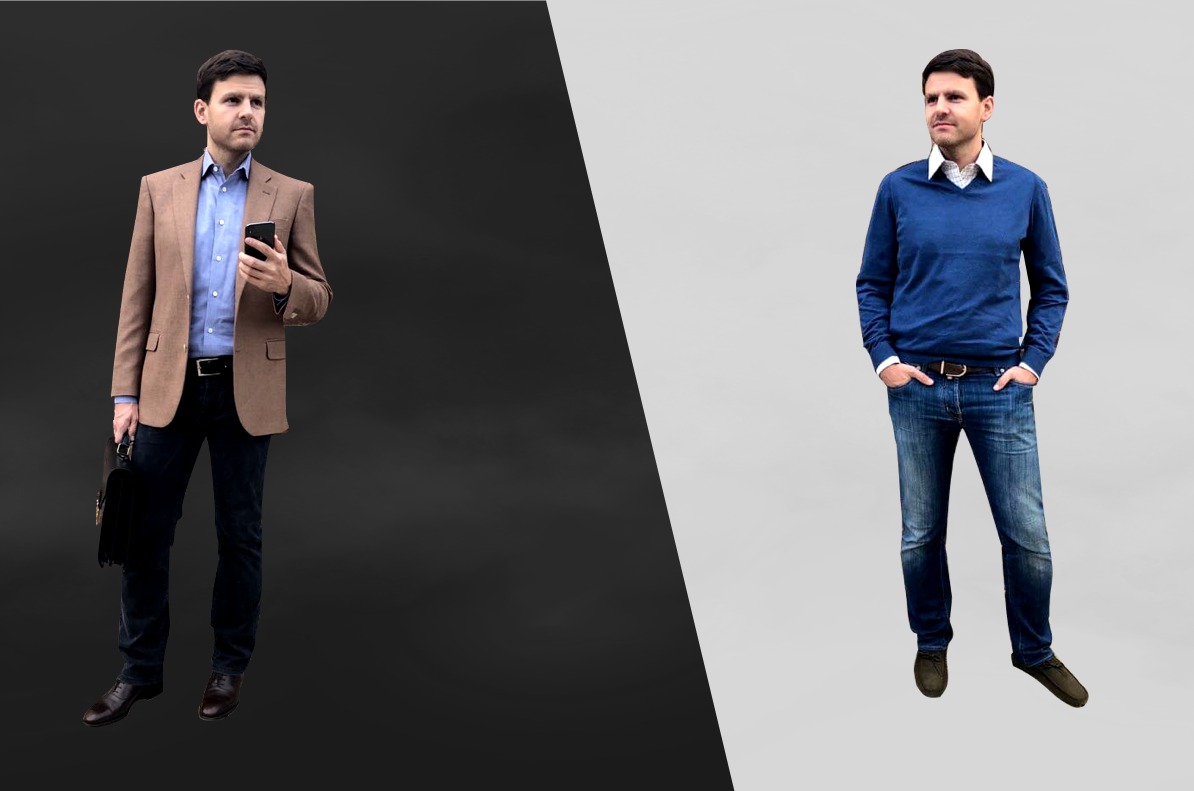
Credit: theartefact.com
Practical Checklist: Dressing For The Right Code
Before leaving home, ask yourself:
- What is the event or meeting?
- What dress code did the invitation mention?
- Is the company or place formal or relaxed?
- Will you meet important people?
- Can you express your style, or should you keep it simple?
If you answer these questions, you’ll pick the right outfit.
Quick Reference Table: Allowed And Forbidden Items
Here’s a quick guide to help you remember:
| Item | Business Casual | Smart Casual |
|---|---|---|
| Jeans | Rarely allowed | Allowed (dark, neat) |
| T-shirts | Not allowed | Allowed (clean, stylish) |
| Sneakers | No | Yes (fashionable, clean) |
| Blazers | Optional | Optional, stylish |
| Accessories | Minimal | Trendy, bold |
| Colors | Neutral | Bright, expressive |
| Shorts/Flip-flops | No | No |

Credit: thedarkknot.com
Frequently Asked Questions
What Is The Main Difference Between Business Casual And Smart Casual?
The main difference is formality. Business casual is more professional and safe for offices. Smart casual is relaxed, stylish, and suits social events.
Can I Wear Jeans For Business Casual?
Usually, jeans are not allowed in business casual. Some relaxed offices may accept dark, neat jeans, but check your company’s rules first.
Are Sneakers Ok For Smart Casual?
Yes, clean and stylish sneakers are fine for smart casual. Avoid sports or dirty sneakers. For business casual, stick to classic shoes.
How Do I Know Which Dress Code To Use?
Check the event, location, and invitation. For work, business casual is safer. For parties or informal events, smart casual fits better.
Can I Mix Business Casual And Smart Casual Items?
Yes, you can combine elements. For example, wear a business casual shirt with smart casual jeans. Just make sure the overall look is balanced and fits the event.
Final Thoughts
Business casual and smart casual are not the same. Business casual suits office environments, while smart casual is perfect for social events and creative workplaces. Knowing the difference helps you dress correctly and feel confident. Use this guide to make smart choices, avoid mistakes, and show your best self in any situation.
Clothing is more than just fabric—it’s your personal statement. Dress for success, and let your style speak for you.
