

Is Business Casual a Dress Code? What You Need to Know
Is Business Casual A Dress?
Business casual is a phrase you often hear at work, in emails, or during interviews. But what does it really mean? Is business casual a specific dress? Or is it a style? Many people feel confused about what business casual actually looks like and how it fits into the world of professional clothing.
If you have ever wondered if you can wear a dress as business casual or what business casual even includes, you are not alone.
This article will help you understand the real meaning of business casual. You will see clear examples, learn about different types of clothing, and discover how culture, gender, and industry shape business casual style. You will also find practical tips to avoid common mistakes and feel confident whenever you see "business casual" on an invitation or in your workplace.
By the end, you will know exactly what counts as business casual, whether a dress fits the description, and how to choose the right outfit for any business casual setting.
What Is Business Casual?
Business casual is not just a single dress or outfit. It is a dress code that sits between formal business attire and casual wear. The goal of business casual is to look professional without being too formal or stiff. You should look neat, comfortable, and ready for work, but not in a suit or tie.
Many people think business casual means you can wear anything that is not a suit. But this is not true. Business casual still has rules. It is less strict than formal business wear, but more polished than jeans and t-shirts.
Key Features Of Business Casual
- Professional appearance: Your clothes should look tidy and clean. They should show respect for the workplace.
- Comfort: You should feel comfortable, but not too relaxed. Avoid clothes you would wear at home or at the gym.
- No formal suit: Business casual removes the need for a full suit and tie.
- Flexibility: You can mix and match pieces, but some items are still off-limits.
Business casual is popular because it allows people to express their own style while staying professional. But it also creates confusion, especially when people wonder if a dress can be business casual.
Is A Dress Business Casual?
The simple answer is: Yes, a dress can be business casual. But not every dress is suitable. The style, length, fabric, and fit all matter. To be business casual, a dress must look professional and not be too revealing or flashy.
Here are the main points that decide if a dress is business casual:
- Length: The dress should usually be knee-length or longer. Mini dresses and very short dresses are not business casual.
- Fit: The dress should not be too tight or too loose. Avoid dresses that show too much skin or cling to your body.
- Fabric: Choose fabrics that look polished, like cotton, wool, or blends. Avoid sheer or shiny fabrics.
- Sleeves: Sleeveless dresses are sometimes allowed, but spaghetti straps or strapless dresses are not. If you wear a sleeveless dress, pair it with a cardigan or blazer.
- Pattern and color: Simple patterns or solid colors are best. Loud prints or neon colors do not fit the business casual look.
Examples Of Business Casual Dresses
- Sheath dress: A fitted, knee-length dress with short or three-quarter sleeves.
- Wrap dress: A dress that wraps around the body, often with a modest neckline and sleeves.
- A-line dress: A dress that flares slightly from the waist, usually with a classic neckline and sleeves.
- Shirt dress: A dress with a collar, buttons, and a tailored fit, often made from cotton or blends.
These dress styles give a professional look while still being comfortable. If you choose the right dress, you will fit in any business casual setting.
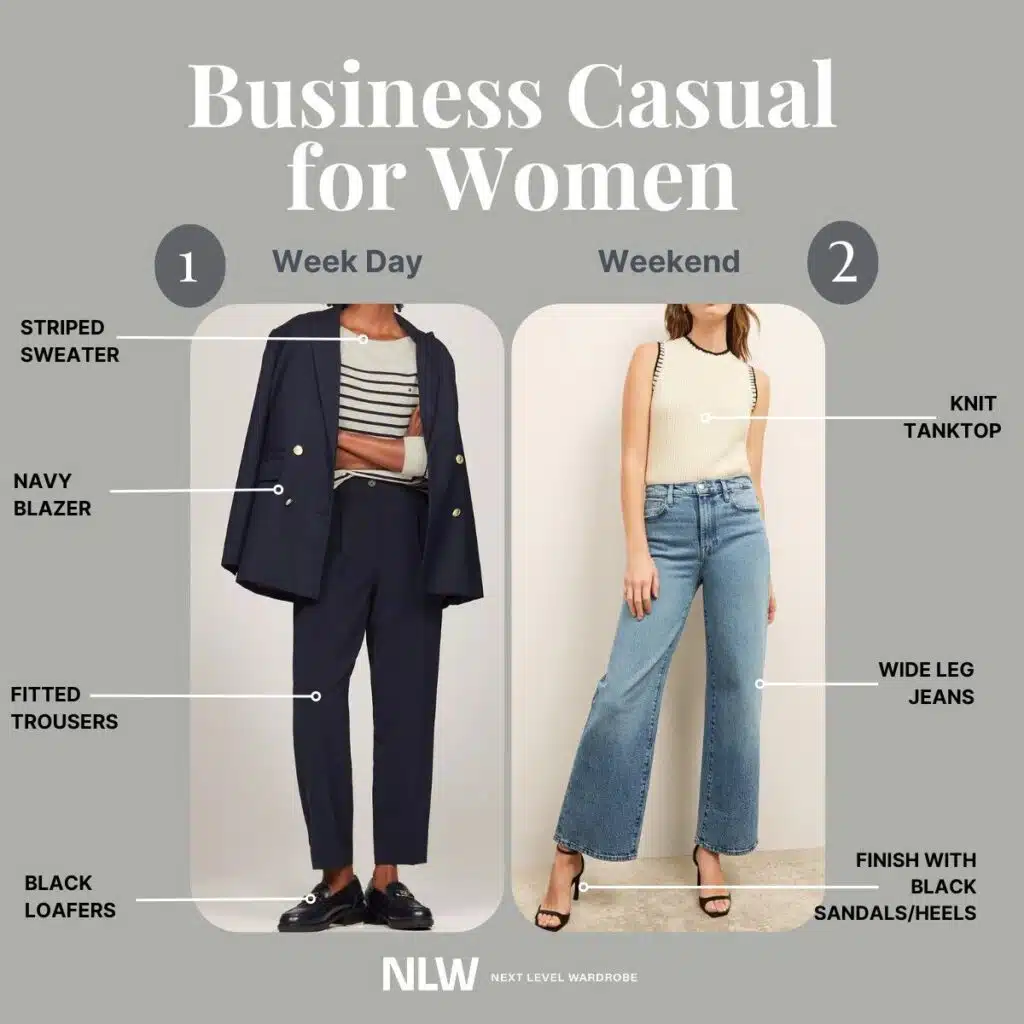
Credit: nextlevelwardrobe.com
Business Casual Vs. Other Dress Codes
Understanding business casual is easier when you compare it with other common dress codes. Here is a table showing the main differences:
| Dress Code | Key Features | Acceptable Dresses | Common Mistakes |
|---|---|---|---|
| Formal Business | Suit, tie, polished shoes | Only conservative, structured dresses | Wearing casual fabrics or short dresses |
| Business Casual | No suit, neat, comfortable | Knee-length, modest dresses | Too short, flashy, or revealing dresses |
| Smart Casual | Trendy, fashion-forward, relaxed | Stylish dresses, more color options | Too informal, like party dresses |
| Casual | Jeans, t-shirts, sneakers | Any dress, including sundresses | Wearing pajamas or gym clothes |
This comparison shows that business casual has its own space. It is less strict than formal business, but not as relaxed as smart casual or casual. A business casual dress must be neat and professional.
Typical Business Casual Outfits
Business casual is not only about dresses. There are many other options, and you can mix and match. Here are some common business casual outfits:
For Women
- Dress pants and a blouse
- Knee-length skirt and a sweater or button-up shirt
- Business casual dress with a cardigan
- Tailored blazer over a simple dress
- Flat shoes or low heels
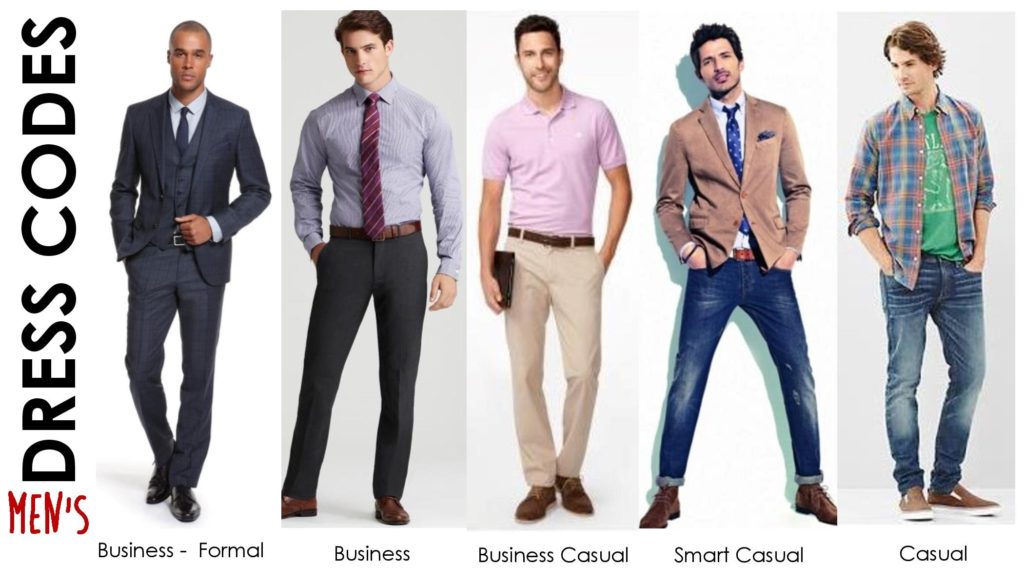
For Men
- Chinos or dress pants
- Collared shirt (button-up or polo)
- Sweater or pullover
- Blazer (optional)
- Loafers or dress shoes
You can see that business casual is flexible. It lets you choose what suits your style and comfort, as long as you look professional.
How Culture And Industry Shape Business Casual
Business casual is not the same everywhere. What counts as business casual in one country or company may not work in another. Culture and industry play a big role in defining the dress code.
Culture
In some cultures, business casual is more formal. For example, in parts of Asia, a dress with sleeves and a high neckline is the norm. In Western countries, business casual is often more relaxed. But always check local customs before choosing your outfit.
Industry
Some industries, like finance or law, are stricter. Business casual in these fields means conservative dresses and muted colors. Creative industries, like tech or design, allow more color and style. In these places, you can wear patterned dresses or trendy shoes.
Company Policy
Many companies write their own dress code. Always read the policy before dressing up. If you are unsure, ask your supervisor or HR.
Common Mistakes In Business Casual
Even with clear rules, many people make mistakes when dressing business casual. Here are some errors to avoid:
- Wearing jeans: Some companies allow dark jeans, but most do not. Always check the policy.
- Too casual shoes: Avoid sneakers, flip-flops, or sandals.
- Showing too much skin: Short dresses, low necklines, or sleeveless tops are not always allowed.
- Flashy accessories: Big jewelry, bright bags, or loud prints can look unprofessional.
- Ignoring fit: Clothes should fit well. Baggy or tight outfits do not look business casual.
A non-obvious mistake is thinking that all business casual is the same. Actually, business casual changes with seasons. For example, in winter, heavier fabrics and longer sleeves are common. In summer, lighter fabrics and shorter sleeves are allowed, but still keep the look professional.
Choosing The Right Business Casual Dress
If you want to wear a dress as business casual, follow these steps:
1. Check The Dress Code
Read your company's dress code. If you do not have one, look at what your colleagues wear. Ask your manager if you are unsure.
2. Choose A Suitable Dress
Pick a dress that is:
- Knee-length or longer
- Not too tight or revealing
- Made of polished fabric
- With sleeves or paired with a cardigan
3. Add Layers
A blazer or cardigan can make a dress look more professional. This is useful for sleeveless dresses.
4. Wear Proper Shoes
Choose closed-toe shoes, flats, or low heels. Avoid sandals or sneakers.
5. Keep Accessories Simple
Use small earrings, a classic watch, or a thin belt. Avoid big jewelry or bright bags.
6. Groom Well
Clean, styled hair and neat nails add to your business casual look.
Business Casual Dress: Real-life Examples
Let’s see some real-life examples of business casual dresses and how they are worn:
- Sheath dress with blazer: Perfect for meetings or presentations. Add low heels and a structured bag.
- Shirt dress with flats: Great for daily office work. Choose a dress with a collar and buttons.
- Wrap dress with cardigan: Comfortable and stylish. Choose solid colors or simple prints.
- A-line dress with a thin belt: Flattering and modest. Pair with closed-toe shoes.
These outfits show that a dress can be business casual if you choose the right style and accessories.
The Role Of Gender In Business Casual
Business casual is easier for men to define, but for women, the choices are wider. This can cause confusion. Women have dresses, skirts, pants, blouses, and more. Men usually stick to pants, shirts, and sweaters.
Women should balance style and professionalism. A dress is fine, but avoid party dresses or clubwear. Men should avoid t-shirts or shorts, even if the dress code is relaxed.
Gender norms are changing. Some workplaces allow men to wear dress shorts in summer or women to wear pantsuits. Always check your company policy.
Business Casual Dress In Different Situations
Business casual is not the same in every situation. Here are some examples:
Job Interviews
Wear a neat dress, blazer, and closed-toe shoes. Avoid bright colors or bold patterns.
Meetings
Choose a modest dress, flats, and simple jewelry. Add a cardigan or sweater if needed.
Company Parties
Pick a stylish business casual dress, but avoid anything too flashy. Keep the look professional.
Casual Fridays
Some companies allow more relaxed outfits on Fridays. You can wear a business casual dress with fun accessories, but still avoid sneakers or very short dresses.
Business Casual Dress For Plus-size And Petite Figures
Business casual is for all body types. If you are plus-size, choose dresses that flatter your shape but do not cling. A-line or wrap dresses work well. For petite figures, go for dresses that do not overwhelm your frame. Avoid too much fabric or long hemlines.
Here is a table showing styles for different body types:
| Body Type | Recommended Dress Style | Tips |
|---|---|---|
| Plus-Size | Wrap, A-line, empire waist | Choose solid colors, avoid clingy fabrics |
| Petite | Sheath, fit-and-flare | Keep hemlines above knee, avoid bulky layers |
| Tall | Midi, shirt dress | Use belts to add shape, try long sleeves |
| Athletic | Shift, peplum | Add layers to create curves, try patterns |
This guidance helps you choose a business casual dress that fits your body and still looks professional.
Business Casual Dress For Different Seasons
Business casual changes with seasons. Here are some seasonal tips:
Spring
Choose light fabrics and pastel colors. A sheath dress with a cardigan is perfect.
Summer
Pick short-sleeve dresses, but avoid sleeveless unless paired with a cover-up. Go for breathable fabrics like cotton.
Fall
Wear darker colors and heavier fabrics. Layer your dress with a blazer or scarf.
Winter
Choose long-sleeve dresses and tights. Add boots and a wool coat.
Seasonal changes often confuse beginners. One non-obvious tip is to keep a neutral cardigan or blazer at work. This helps you adjust your outfit if the weather changes or if you need to look more formal for a meeting.
Business Casual Dress For Remote Work
Remote work has changed business casual. Many people dress up only from the waist up for video calls. But it is still important to look professional. Choose a neat dress or a blouse for virtual meetings. Avoid pajamas or overly casual clothes.
If you work from home but need to visit the office, keep a business casual dress ready. This shows respect for your company.
Business Casual Dress And Sustainability
More companies care about sustainability. You can choose business casual dresses made from eco-friendly fabrics. Cotton, linen, and recycled materials are good options. Avoid fast fashion and buy quality pieces that last longer.
A non-obvious insight is that sustainable fabrics often look more polished and are easier to care for. They do not wrinkle easily and keep their shape.
Business Casual Dress Shopping Tips
When shopping for business casual dresses, keep these points in mind:
- Set a budget: Business casual does not have to be expensive.
- Buy basics first: Start with solid colors and classic styles.
- Check fit: Try on the dress before buying. It should not be too tight or too loose.
- Pick easy-care fabrics: Choose dresses that are simple to wash and iron.
- Invest in layers: Cardigans and blazers make dresses more versatile.
A common mistake is buying trendy dresses that do not last. Stick to classic styles. You can add accessories to update your look.
Business Casual Dress And Accessories
Accessories make a business casual dress look complete. Use these tips:
- Belts: Add shape to loose dresses.
- Scarves: Use a thin scarf for color or warmth.
- Jewelry: Stick to simple studs or small hoops.
- Bags: Choose a structured tote or handbag.
Avoid big, flashy accessories. They can make your outfit look unprofessional.

Credit: www.wikihow.com
Business Casual Dress For Special Events
Sometimes, business casual is needed for special events like conferences, networking, or company dinners. Here is how to dress:
- Choose a classic dress with a blazer.
- Wear closed-toe shoes.
- Keep makeup and hair simple.
- Avoid bold prints or party styles.
You want to look approachable and professional.
Business Casual Dress And Personal Expression
Business casual lets you show your own style. You can choose colors, patterns, and accessories. But always keep the look neat and professional.
If you are creative, try a patterned dress with a solid blazer. If you like classic styles, stick to solid colors. Personal expression is allowed, but do not go too far.
Data On Business Casual Trends
Studies show business casual is the most popular dress code in offices. According to a survey by LinkedIn, over 50% of companies use business casual. Another study found that women are more likely to wear dresses as part of business casual than men.
Here is a simple comparison table:
| Dress Code | % Companies Using | Women Wearing Dresses |
|---|---|---|
| Formal Business | 20% | Rare |
| Business Casual | 50% | Common |
| Smart Casual | 25% | Occasional |
| Casual | 5% | Very common |
This data shows that business casual is here to stay, and dresses are a regular part of it.
Business Casual Dress: Final Tips
To finish, here are five final tips for wearing a business casual dress:
- Always check the dress code: Each company is different.
- Choose knee-length or longer: Avoid short dresses.
- Pair with a blazer or cardigan: Makes any dress look more professional.
- Wear closed-toe shoes: Flats or low heels are best.
- Keep accessories simple: Less is more.
If you follow these rules, you will always look right in a business casual setting.
Business casual is not just a single dress or outfit. It is a style that lets you look professional and feel comfortable. A dress can be business casual if you choose the right style, length, and accessories. Remember, business casual changes with culture, industry, and company.
Always check the rules and use your best judgment.
Credit: gardner-webb.edu
Frequently Asked Questions
What Types Of Dresses Are Considered Business Casual?
Knee-length dresses, such as sheath, wrap, A-line, and shirt dresses, are usually business casual. They should be modest, made from polished fabrics, and not too tight or revealing.
Can I Wear A Sleeveless Dress As Business Casual?
Sleeveless dresses are sometimes allowed, but avoid spaghetti straps or strapless styles. Pair a sleeveless dress with a cardigan or blazer to look more professional.
Are Maxi Dresses Acceptable For Business Casual?
Most maxi dresses are too casual or flowy for business casual. If you choose a maxi dress, it should be structured, made from polished fabric, and not too loose.
What Shoes Go Best With A Business Casual Dress?
Closed-toe shoes like flats, loafers, or low heels are best. Avoid sneakers, sandals, or flip-flops. Choose shoes that are comfortable and neat.
How Do I Know If My Dress Is Business Casual?
Check the length, fit, fabric, and style. If your dress is knee-length or longer, not too tight, made from polished material, and has a simple pattern or color, it is likely business casual. If you are unsure, ask your manager or HR.
If you want more detailed guidance, you can check official sources like Wikipedia for extra information.
Business casual is a flexible dress code that lets you look your best at work without feeling stiff or uncomfortable. A dress can be business casual, but always use good judgment and respect your workplace culture.
