

Is a Tie Too Much for Business Casual? Style Tips Explained
Is A Tie Too Much For Business Casual
Business casual is everywhere today—from tech startups to law offices, from networking events to everyday meetings. But what does business casual really mean? Is wearing a tie with business casual too much, or just right? This question is more complex than it seems. In most workplaces, dress codes are flexible, but confusion remains. Choosing whether to wear a tie can influence how you are seen, how comfortable you feel, and even how you perform.
Let’s explore the world of business casual and the tie dilemma. We’ll look at workplace expectations, cultural trends, and personal style choices. You’ll learn how to decide when a tie fits in—and when it’s best left at home. Whether you’re new to business casual or just want to sharpen your style, this article will help you feel confident and professional.
What Is Business Casual?
Business casual is a dress code found in many workplaces. It is less formal than traditional business wear, but still professional. The problem is, business casual does not have a single definition. What counts as business casual can change from one company to another, or even from department to department.
Typical Business Casual Items
Most people agree that business casual includes:
- Collared shirts (such as button-downs or polos)
- Dress pants or chinos
- Skirts or dresses (for women)
- Closed-toe shoes (like loafers or flats)
- Sweaters, cardigans, or blazers
A tie is not usually required, but it isn’t banned either. Some companies allow dark jeans, but this depends on workplace culture.
Why The Confusion?
Many companies moved away from strict dress codes to make employees feel comfortable. But this flexibility creates uncertainty. Surveys show that about 41% of employees feel unsure about what business casual means. Fashion trends, company culture, and even the weather can affect what is acceptable.
The History Of Business Casual
Understanding the origins of business casual helps explain its meaning today. Years ago, workplaces required formal suits and ties. Over time, companies wanted a more relaxed atmosphere, especially in creative and tech industries.
Key Moments
- Tech companies promoted comfort and creativity by dropping ties.
- Casual Fridays started in some offices, letting employees dress down once a week.
- Retailers began selling "business casual" lines.
Now, business casual is common in many fields. But the role of the tie keeps changing. Some see it as a symbol of professionalism; others view it as old-fashioned.
Credit: www.gentlemansgazette.com
The Role Of The Tie In Business Casual
When you think of business casual, the tie is often the first question. Is it too formal? Is it a style boost? Or does it make you stand out in the wrong way?
Why Ties Are Seen As Formal
The tie has been a symbol of business and formality for decades. Wearing a tie shows you are serious and professional. But in business casual settings, a tie can seem out of place.
Why Some Still Wear Ties
Some people choose to wear ties with business casual outfits:
- To show authority or seniority
- To impress at meetings or interviews
- To express personal style
Others feel uncomfortable without a tie, especially if they are used to formal dress codes.
When A Tie Might Be Too Much
A tie can feel overdressed if:
- Most coworkers are not wearing ties
- The company culture is relaxed
- The event is not formal (like a brainstorming session)
Data shows that in business casual offices, less than 20% of men wear ties daily.
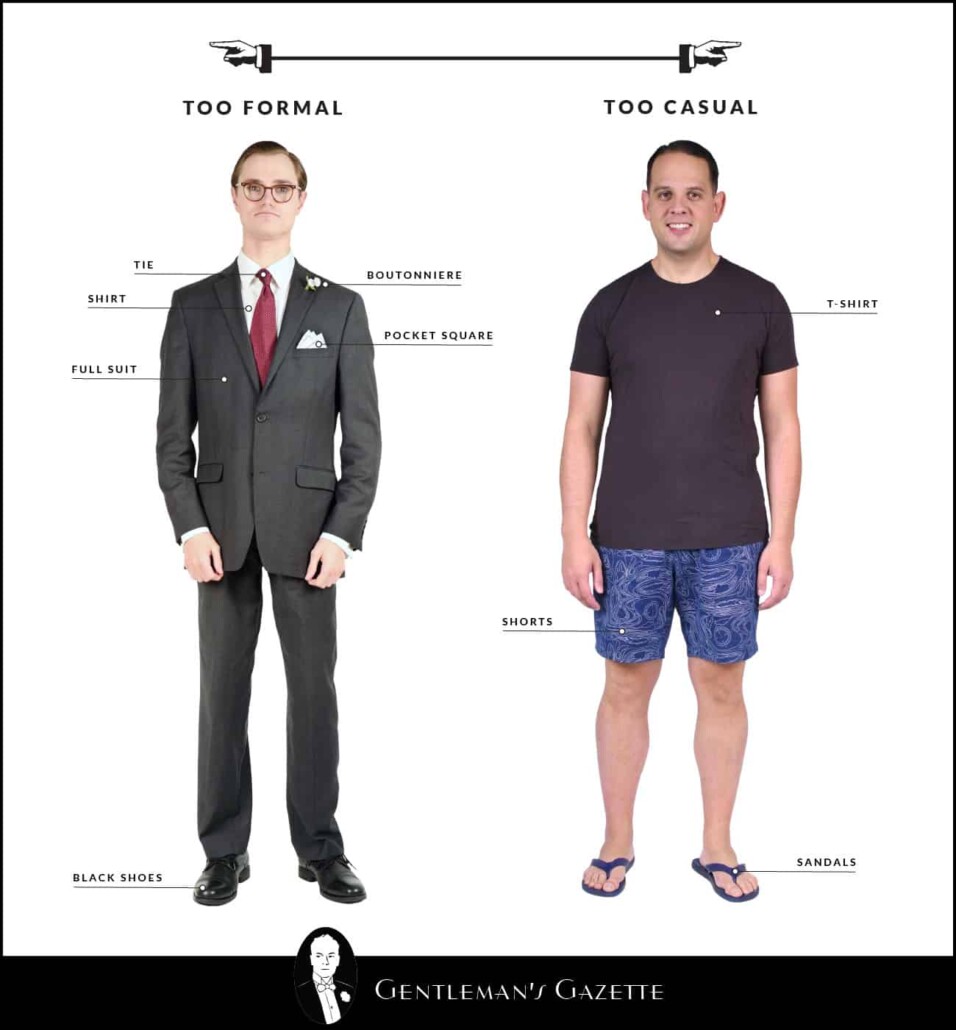
Comparing Dress Codes: Formal, Business Casual, And Casual
It helps to see where business casual fits compared to other dress codes. Here’s a quick comparison:
| Dress Code | Typical Attire | Tie Required? | Common Settings |
|---|---|---|---|
| Formal Business | Suit, dress shirt, tie, dress shoes | Yes | Law firms, banks, corporate boardrooms |
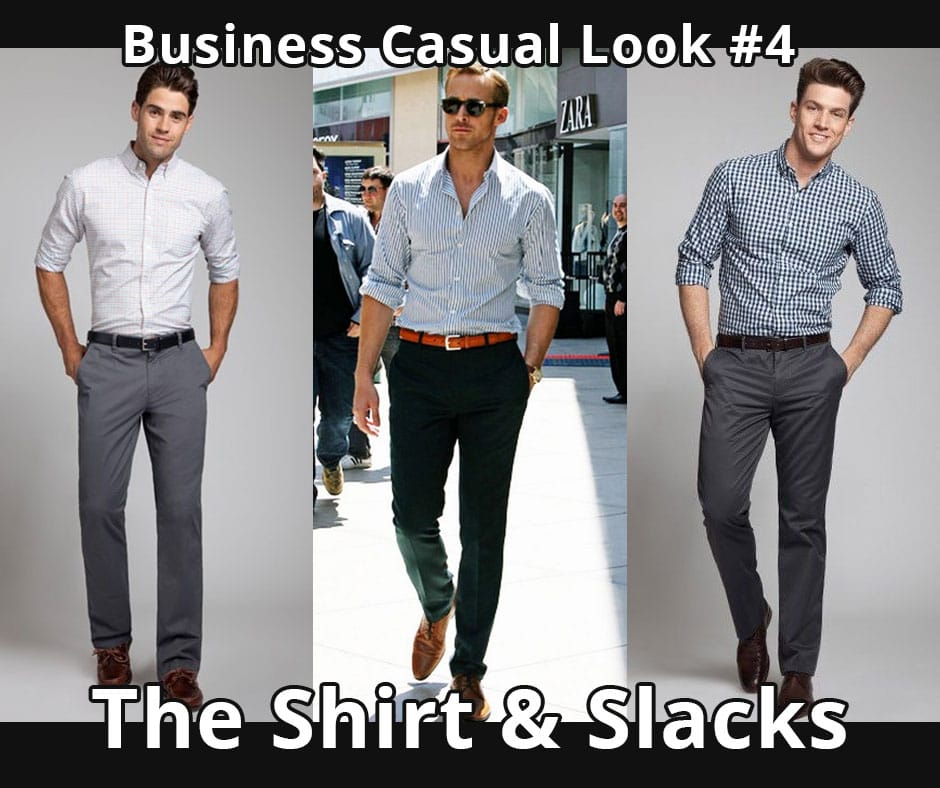
| Business Casual | Collared shirt, dress pants, optional blazer, loafers | No | Tech companies, marketing agencies, education |
| Casual | Polo or T-shirt, jeans, sneakers | No | Startups, creative studios, remote work |
Business casual sits in the middle: less formal than a full suit and tie, but more polished than jeans and T-shirts.
Credit: restartyourstyle.com
Why Wearing A Tie Can Be A Smart Choice
Sometimes, wearing a tie with business casual is not too much—it’s a strategic move. Let’s look at reasons to add a tie:
1. First Impressions Matter
Studies show that appearance affects how people are judged. In interviews or meetings, a tie can signal that you are prepared and take things seriously.
2. Position Or Role
If you are in a leadership position, a tie can show authority. Managers, directors, or salespeople often wear ties to stand out.
3. Personal Brand
Some people use ties to express their style. A unique or tasteful tie can make you memorable.
4. Cultural Expectations
In some industries or countries, a tie is expected, even with business casual. For example, in finance or legal jobs, a tie may still be the norm.
5. Events That Call For More Formality
If you are attending a client meeting, presentation, or networking event, a tie can add confidence.
When A Tie Is Not Needed (or Might Be Too Much)
Knowing when to skip the tie is just as important. There are times when a tie can make you look out of touch or uncomfortable.
1. Company Culture Is Relaxed
If no one else wears ties, you may look overdressed. This can create distance between you and coworkers.
2. Creative Roles
In creative jobs (design, marketing, tech), ties are rare. Dressing too formally can make you seem less approachable.
3. Warm Weather Or Outdoor Events
A tie can feel uncomfortable in heat or at outdoor gatherings. Comfort matters as much as style.
4. Casual Fridays
Many companies allow more relaxed dress on Fridays. Wearing a tie can look out of place.
5. Remote Work
In video calls, ties are less common. Most people prefer comfort when working from home.
The Tie As A Style Tool
A tie can be more than a symbol of formality—it can be a style tool. Here’s how to make it work with business casual:
Choosing The Right Tie
- Go for simple patterns or solid colors.
- Avoid shiny materials or bold prints.
- Choose slim or medium width (not too wide).
Pairing With Business Casual
- Match the tie with a collared shirt and dress pants.
- Avoid pairing with jeans or sneakers.
- Consider a blazer or cardigan for balance.
Using Color And Texture
- Neutral colors (navy, gray, brown) are safest.
- Textured ties (like knit or wool) feel less formal.
- Avoid bright colors unless you know the culture allows it.
Real-world Examples: Tie Or No Tie?
Let’s look at some real scenarios:
- Tech Startup: Most employees wear polos or button-downs, no ties. A tie would seem too formal.
- Law Office: Business casual is common, but many still wear ties. Not wearing a tie may look unprofessional.
- Marketing Agency: Casual dress is the norm. A tie might stand out, but could help in client meetings.
- Sales Presentation: Wearing a tie can give extra confidence and show respect for the client.
Survey Data: What Do People Really Wear?
Recent workplace surveys show how common ties are in business casual offices:
- Only 18% of men wear ties daily in business casual workplaces.
- 62% wear ties only for special meetings or presentations.
- 20% rarely or never wear ties.
For women, accessories like scarves or statement necklaces often replace the tie.
How To Decide: Tie Or No Tie?
Choosing whether to wear a tie comes down to several factors. Here’s a practical decision guide:
- Check Company Policy: Look for written dress codes or ask HR.
- Observe Coworkers: See what others wear, especially managers.
- Consider Your Role: Are you leading a meeting or attending?
- Think About the Event: Is it a normal day, client meeting, or interview?
- Match Your Personality: If you like ties, wear one confidently.
- Assess Comfort: Will a tie make you uncomfortable?
If you’re unsure, start without a tie. You can always keep one in your bag for emergencies.
Tie Options For Business Casual: What Works Best?
Not all ties fit business casual. The right tie can make your outfit look polished, not overdressed.
| Tie Type | Best Match | When to Wear |
|---|---|---|
| Knit Tie | Button-down shirt, chinos | Casual meetings, creative jobs |
| Wool Tie | Dress shirt, blazer | Cool weather, office days |
| Patterned Cotton Tie | Light shirt, dress pants | Spring, informal events |
| Solid Silk Tie | Collared shirt, dress pants | Formal meetings, interviews |
Avoid ties with loud prints or shiny fabrics. They can clash with business casual and seem too formal.
Common Mistakes When Wearing A Tie With Business Casual
Even experienced professionals make mistakes when mixing ties with business casual. Here are some to avoid:
1. Wearing A Formal Tie With Casual Clothes
A thick, shiny silk tie can look odd with chinos or casual shirts.
2. Ignoring Fit
If your shirt or pants are too loose or too tight, a tie won’t help. Fit matters more than formality.
3. Using Loud Patterns
Bold stripes or flashy designs can draw unwanted attention. Keep patterns simple.
4. Forgetting About Accessories
If you wear a tie, keep other accessories minimal. Too many extras can look messy.
5. Not Checking The Environment
Wearing a tie in a relaxed setting can make you stand out—in a bad way.

Credit: www.bows-n-ties.com
How Women Approach Business Casual Accessories
For women, business casual often involves accessories rather than ties. Scarves, necklaces, and brooches can add style without being too formal.
- Scarves: Lightweight, patterned scarves add color and personality.
- Necklaces: Simple chains or pendants work well.
- Blazers: A fitted blazer can be as impactful as a tie.
Women rarely wear ties in business casual, but some choose bow ties or neck scarves for extra flair.
Cultural Differences: Ties Around The World
Dress codes and tie expectations vary by country and industry. In some places, ties are a must; in others, they are rare.
| Country | Tie in Business Casual? | Notes |
|---|---|---|
| United States | Optional | Depends on industry and company |
| United Kingdom | More common | Finance and legal fields often expect ties |
| Japan | Usually required | Formality is valued |
| Australia | Rare | Casual culture, especially in tech |
| Germany | Optional | Depends on region and company |
Knowing local customs helps avoid mistakes when working internationally.
How Ties Affect Confidence And Communication
Clothing impacts how you feel and how others interact with you. Wearing a tie can boost confidence, but only if you feel comfortable.
- Studies show that wearing formal clothes (including ties) can improve thinking and decision-making.
- However, being overdressed can cause discomfort and reduce social connection.
The best approach is to wear what feels right for the situation and your personality.
Practical Tips For Business Casual Success
Here are some actionable tips for mastering business casual style, especially if you’re deciding on a tie:
- Start Simple: Begin with basic pieces—collared shirts, dress pants, and neutral shoes.
- Fit Is Everything: Make sure clothes fit well. Tailoring can make a huge difference.
- Use Layers: Blazers or sweaters can add professionalism.
- Keep Colors Neutral: Navy, gray, and beige are safe choices.
- Add Accessories Carefully: If you wear a tie, keep other accessories simple.
- Watch for Signals: If coworkers shift to more formal or casual dress, adjust.
- Stay Comfortable: Don’t sacrifice comfort for style.
Real-life Stories: Tie Choices And Results
Let’s see how tie decisions played out for real people:
- Mark, a junior analyst: Wore a tie at his business casual office for his first week. He noticed most coworkers skipped ties, so he stopped wearing one. He felt more comfortable and fit in better.
- Linda, a marketing manager: Chose a patterned scarf instead of a tie. This helped her stand out without looking too formal.
- Alex, a sales rep: Always kept a tie in his bag. He wore it for client meetings, but not for internal days.
- Sophie, a tech designer: Tried wearing a bow tie once for fun. Her team loved it, but she decided it was best for special occasions.
These stories show that observing your workplace and being flexible pays off.
The Tie Debate: What Experts Say
Fashion and HR experts often weigh in on the tie question. Here’s what they suggest:
- Fashion stylists: Recommend ties for interviews or client meetings, but not for daily office wear unless it fits the culture.
- HR managers: Say that blending in with the team is better than standing out. If unsure, ask or observe.
- Leadership coaches: Suggest dressing slightly better than average, but not so much that you look disconnected.
A helpful external resource with more on workplace dress codes is The Balance Careers.
Frequently Asked Questions
Should I Wear A Tie For A Business Casual Interview?
If you are unsure, wear a tie. It’s better to be slightly overdressed than underdressed for interviews. You can always remove the tie if the setting is relaxed.
Can I Wear A Tie With Jeans And A Blazer?
This look is possible, but choose a casual tie (like knit or wool) and avoid formal silk ties. Make sure jeans are dark and well-fitted.
What Colors Work Best For Ties In Business Casual?
Stick to neutral colors like navy, gray, brown, and muted patterns. Avoid bright colors unless you know they fit your company culture.
How Do I Know If My Office Expects Ties?
Observe coworkers, especially managers. Check company guidelines or ask HR. If most people skip ties, you can do the same.
Are There Alternatives To Ties For Business Casual?
Yes. Men can wear a blazer, or add a pocket square. Women often use scarves, necklaces, or statement accessories.
The Final Word On Ties In Business Casual
A tie is not always too much for business casual—but it isn’t always needed either. The key is to understand your workplace, your role, and your own style. If you want to wear a tie, choose one that fits the business casual look.
If you prefer no tie, focus on fit, comfort, and professionalism.
Business casual is about balance: being polished but comfortable, professional but approachable. The tie is just one part of the equation. Make your choice wisely, stay flexible, and you’ll always look and feel your best.
