

Inappropriate T Shirts: Bold Fashion Statements That Shock
Wearing a t-shirt seems simple. Pick a color, find a design you like, and put it on. But what if your t-shirt says or shows something that upsets people? Inappropriate t shirts can cause problems in schools, workplaces, and public places. Sometimes they even get people into serious trouble. Understanding what makes a t-shirt inappropriate helps you avoid awkward situations and keeps your style respectful.
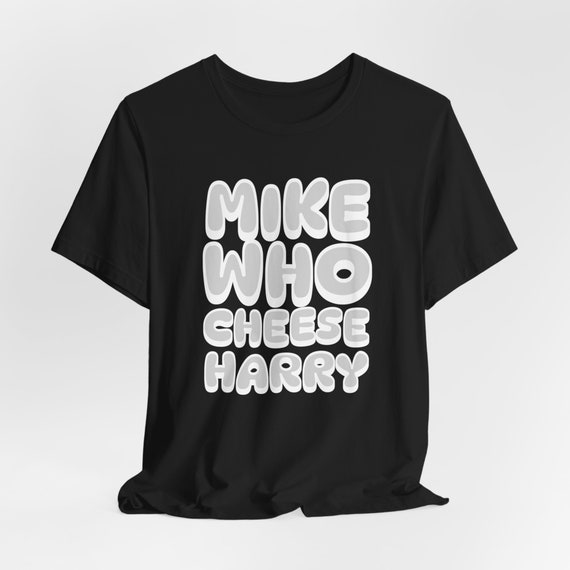
People often buy t-shirts as a way to share their personality or make a statement. Some shirts are funny, some are bold, and some are made to shock. The problem is, not everyone finds the same things funny or acceptable.
What seems like a harmless joke to one person might be deeply offensive to another. In many countries, laws and social rules also decide what you can or cannot wear, especially in public spaces.
Let’s explore what makes a t-shirt inappropriate, why these shirts can cause problems, and how you can make better choices. This guide will also share real examples, explain the impact on different groups, and answer questions you might have.
What Makes A T-shirt Inappropriate?
A t-shirt becomes inappropriate when its message, image, or design is likely to upset, insult, or harm others. There’s no single rule, but some common themes often appear:
- Offensive language or slurs: Words that attack groups or individuals based on race, religion, gender, or sexuality.
- Sexual content: Pictures or text with sexual themes, nudity, or innuendo.
- Hate symbols: Logos or images linked to hate groups or discrimination.
- Violence or threats: Designs that show or encourage violence.
- Drug or alcohol promotion: Graphics that support illegal or harmful activities.
- Political provocation: Extreme political statements or controversial opinions.
- Insensitivity to tragedies: Jokes or images related to disasters or suffering.
The context matters too. A t-shirt that’s fine at a music festival might not be okay in a school or office.
Why Do People Wear Inappropriate T-shirts?
People wear these shirts for many reasons, not just to offend. Here are some common reasons:
- Rebellion or protest: Some want to challenge rules or show they disagree with authority.
- Shock value: Getting attention by wearing something outrageous.
- Humor: Not realizing a joke can hurt others.
- Ignorance: Not understanding the meaning of a symbol or phrase.
- Peer pressure: Wanting to fit in with friends who wear similar shirts.
- Personal expression: Sharing beliefs, even if they are controversial.
Many people do not think about the impact their clothes can have on others. Sometimes, they simply buy what looks cool or funny without knowing the history or meaning behind it.
Types Of Inappropriate T-shirts
Different types of inappropriate t-shirts upset people for different reasons. Here are the main types with examples:
Racial Or Ethnic Slurs
These shirts use offensive words, stereotypes, or images about a race or ethnic group. Even if meant as a joke, they can cause pain and support discrimination. For example, a shirt with a caricature of a particular group or a word used as an insult in history.
Sexually Explicit Designs
T-shirts showing nudity, sexual acts, or suggestive phrases often cross the line. In many places, these violate school or workplace rules and may break public decency laws. Even subtle innuendo can be considered inappropriate, especially where children are present.
Hate Speech And Symbols
Symbols from hate groups, offensive hand signs, or slogans that support violence or exclusion fall into this category. Sometimes, people wear such shirts without knowing the symbol’s meaning, but others recognize it immediately.
Violence And Threats
Graphics that show weapons, blood, or violent acts can make people feel unsafe. Shirts with phrases like “Kill Them All” or images of shootings are not just tasteless but sometimes illegal, especially in schools.
Drug And Alcohol Promotion
Shirts advertising drugs, alcohol, or related brands can be inappropriate, especially for minors. They might show cartoon characters drinking or use slogans that make substance abuse look cool.
Insensitive Humor
Jokes about disabilities, mental health, natural disasters, or other people’s suffering are likely to offend. Even if not meant seriously, these shirts can hurt those affected.
Extreme Political Statements
While political expression is important, shirts that insult, threaten, or mock entire groups can create conflict. For example, shirts attacking a religion, nationality, or political party.
Profanity And Vulgar Language
Swear words, graphic insults, or crude language are rarely appropriate outside private settings. Many workplaces, schools, and public venues ban these shirts.
Culturally Offensive Designs
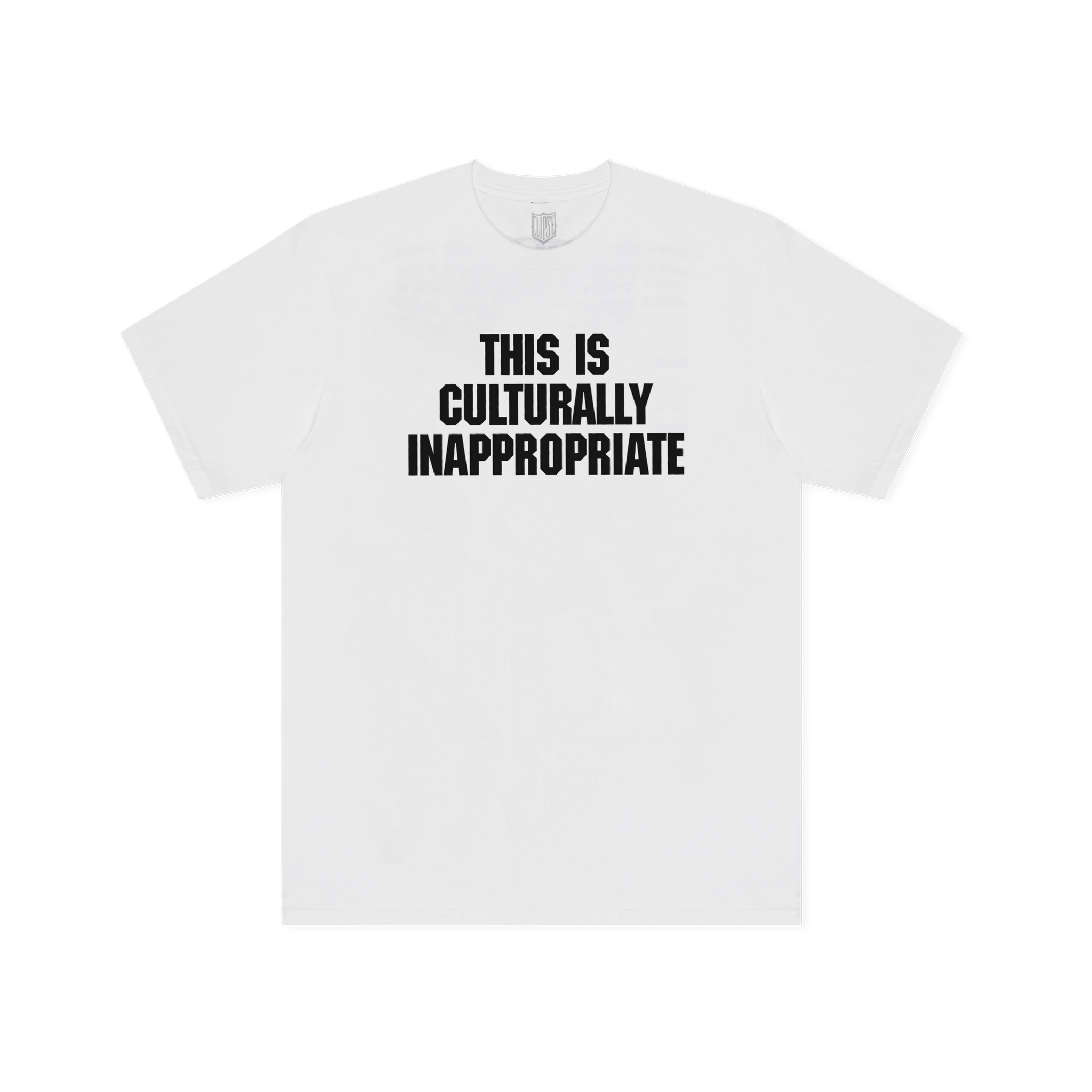
Misusing religious symbols, sacred images, or traditional dress patterns can be highly disrespectful. A shirt with a holy symbol used as a joke or fashion can be deeply hurtful.
Imitation Of Uniforms Or Badges
Some shirts copy police, security, or military uniforms. This can confuse others or even break the law in some places.
Where Are Inappropriate T-shirts A Problem?
Not every place has the same rules. But some locations are much stricter than others.
Schools And Colleges
Most schools have dress codes that ban shirts with offensive language, images, or symbols. This is to protect students, keep the atmosphere safe, and avoid distractions. Even college campuses with more freedom may have limits.
Workplaces
Many offices, factories, and shops expect employees to dress professionally. Inappropriate t-shirts can hurt a company’s image, upset customers, or break harassment policies.
Public Spaces
In some countries, you can be fined or arrested for wearing shirts with hate speech, nudity, or extreme violence in public. Even where it’s legal, you might be asked to leave a restaurant, mall, or event.
Social Gatherings
Wearing an inappropriate t-shirt to a family event, religious service, or community meeting shows disrespect and can quickly damage relationships.
Online Meetings And Social Media
With video calls now common, what you wear at home can still be seen by classmates or coworkers. Inappropriate shirts can go viral online, often with negative consequences.
Real-life Examples And Cases
Many people think “it’s just a shirt,” but history shows real consequences. Here are some examples:
- A student wore a shirt with a racist joke to class. The school suspended him and required sensitivity training.
- A worker at a fast-food chain wore a shirt with a drug reference. After a customer complaint, the company fired her.
- A tourist wore a t-shirt with a political symbol in a foreign country. He was arrested for breaking local laws.
- A celebrity wore a shirt with an offensive cartoon. Photos spread online, leading to public apology and lost sponsorships.
These examples show that what you wear can affect more than just yourself. Sometimes people lose jobs, friends, or even face legal trouble.
Who Decides What Is Inappropriate?
This is not always clear. Different people and places have their own limits.
- Schools and workplaces often have written dress codes.
- Countries and cities may have laws about hate speech, nudity, or religious respect.
- Event organizers set their own standards for concerts, sports, or festivals.
- Society changes over time. What was okay in the past may not be now.
If you are unsure, check the rules or ask someone. When in doubt, choose something safer.
Credit: www.etsy.com
Comparing Dress Codes: Schools Vs. Workplaces Vs. Public
Let’s look at how rules differ in three common settings.
| Setting | Common Rules for T-Shirts | Punishments |
|---|---|---|
| Schools | No hate speech, violence, drugs, sexual content, or profanity | Warning, change shirt, detention, suspension |
| Workplaces | No offensive graphics, professional appearance, respect for coworkers | Warning, sent home, loss of job |
| Public | Depends on country; usually bans hate symbols, nudity, threats | Asked to leave, fines, arrest in extreme cases |
The Impact Of Inappropriate T-shirts
Wearing these shirts can cause problems for both the wearer and others.
For The Wearer
- Social rejection: Friends or coworkers may avoid you.
- Discipline: Suspension, loss of job, or being banned from places.
- Legal trouble: In some countries, you can be fined or arrested.
- Damage to reputation: Pictures can spread online and affect your future.
For Others
- Emotional harm: Victims of hate or insensitive jokes feel targeted.
- Unsafe environment: Violence or threats on shirts make places feel less safe.
- Disruption: Arguments or fights can start because of one shirt.
For Organizations
- Brand damage: Businesses lose customers if employees wear offensive shirts.
- Legal risk: Companies can be sued for allowing harassment.
- Negative media: News stories about inappropriate shirts hurt the organization’s image.
How To Avoid Wearing Inappropriate T-shirts
Here are some simple steps to stay on the safe side:
- Read the design carefully: Think about all possible meanings.
- Consider the audience: Is your shirt okay for everyone present?
- Check for hidden messages: Some designs use symbols or wordplay.
- Research symbols: Some graphics have secret or historical meanings.
- Ask someone you trust: If unsure, get a second opinion.
- Follow the rules: Schools, workplaces, and events often list what’s not allowed.
Examples Of Common Inappropriate T-shirt Themes
To help you spot trouble, here are some of the most common types and what makes them risky:
- Explicit curse words: Even when censored with symbols, these are often banned.
- Sexual jokes or images: These can make others uncomfortable.
- Jokes about tragedy: Humor about disasters or suffering rarely goes well.
- Political insults: Mocking a group or leader can lead to arguments or worse.
- Drug and alcohol slogans: Especially risky for minors.
- Racist or sexist stereotypes: Even if meant as a joke, they support negative ideas.
- Violent images or threats: Not only scary, sometimes illegal.
- Hate group symbols: Even small signs can be recognized and cause problems.
- Offensive religious references: Using holy images for humor can deeply offend.
- Body-shaming or bullying: Shirts that mock appearance or disability.
Credit: letgodsortemout.com
Case Study: How One T-shirt Sparked A Debate
A famous clothing brand once released a t-shirt with a cartoon that looked harmless to most. But some people noticed it showed a hand sign used by a hate group. Social media quickly spread the news, and the brand faced heavy criticism.
They removed the shirt and apologized, but the story shows how easy it is to miss hidden meanings.
This example teaches two important lessons:
- Designs can have double meanings: Always check for hidden messages.
- Online reactions are fast: Even one mistake can hurt a brand’s image.
Laws And Regulations Around Inappropriate T-shirts
Laws about clothing are different everywhere. Some countries protect freedom of speech, so you can wear almost anything. Others have strict rules about hate speech, nudity, or disrespect.
For example:
- In some places, wearing a shirt with a banned symbol (like a swastika) is illegal.
- Some countries ban shirts that insult the government or religion.
- Public decency laws can cover sexual images or curse words.
Even in places with free speech, private groups (like stores or sports arenas) can set their own rules.
For more information about hate symbols and their meaning, see this Wikipedia page.
The Role Of Social Media
Social media has changed how inappropriate shirts are noticed and punished. If someone wears an offensive shirt in public, photos or videos can spread worldwide in minutes.
Key effects:
- Faster backlash: Companies or schools react quickly when posts go viral.
- Permanent record: Even if you apologize, images may stay online forever.
- Community standards: Online groups set their own rules and enforce them.
This means it’s more important than ever to think before you wear a shirt with a bold or risky message.
Comparison: Offensive T-shirts Vs. Free Speech
Some people argue that banning certain shirts is against free speech. Let’s compare the two sides.
| Support for Offensive T-Shirts | Reasons to Ban Offensive T-Shirts |
|---|---|
| - Personal expression - Right to share opinions - Humor and creativity |
- Protects others from harm - Keeps public spaces safe - Follows rules or laws |
Most places try to balance these ideas. They allow free speech but set limits when words or images cause real harm.
How Brands Handle Inappropriate T-shirts
Clothing brands sometimes make mistakes. They might release a shirt with a bad joke or a misunderstood symbol. Here’s how they usually respond:
- Recall the product: Stop selling the shirt, sometimes offer refunds.
- Apologize: Issue a public statement.
- Review designs: Add more checks to avoid future mistakes.
- Donate profits: Sometimes money from sales goes to a related charity.
But not all brands act quickly. Some keep selling controversial shirts to attract attention, hoping the debate will boost sales. This can be risky and often backfires.
Cultural Differences And Sensitivity
What is inappropriate in one culture may be normal in another. For example, some hand gestures or phrases are harmless in one language but offensive in another. Religious symbols can also mean very different things in different countries.
If you travel or buy shirts from other countries:
- Learn local customs: Check what is allowed before wearing bold designs.
- Avoid risky symbols: Stick to neutral graphics if you’re unsure.
- Watch out for translations: A funny English phrase might be rude elsewhere.
The Hidden Risks: What Most People Don’t Notice
Some problems with inappropriate t-shirts are not obvious:
- Subtle hate symbols: Some groups use small signs or colors only insiders recognize. Wearing these by accident can link you to hate groups.
- Outdated meanings: A symbol that was safe in the past can become offensive due to new events.
- Unintended audiences: Shirts seen only by friends at home might end up in public photos.
It’s smart to check not just what you mean, but how others might read your shirt.
What To Do If You Accidentally Wear An Inappropriate T-shirt
Everyone makes mistakes. If you realize your shirt is offensive:
- Change immediately: Don’t wait for someone to complain.
- Apologize if needed: If you upset someone, a simple sorry helps.
- Learn from it: Find out why the shirt was a problem.
- Double-check next time: Build the habit of thinking before wearing.
This shows respect and helps repair any harm caused.

Credit: www.amazon.com
Future Trends: How T-shirt Culture Is Changing
T-shirt design is always changing. Here are some trends:
- More awareness: Designers and buyers are learning about hidden meanings.
- Stronger rules: Schools, workplaces, and events set clear guidelines.
- Positive messages: Shirts with kindness, support, or humor are popular.
- Custom shirts: People make their own, but this means more risk of mistakes.
As society becomes more diverse, understanding and respect matter even more.
Tips For Choosing T-shirts That Are Always Appropriate
You don’t have to give up style. Here’s how to pick shirts you can wear anywhere:
- Neutral graphics: Animals, landscapes, or abstract art are safe.
- Positive messages: Kind or funny phrases that include everyone.
- School or team logos: Usually fine in most settings.
- Plain colors: Simple, classic, and always in style.
- Ask first: If you’re unsure, check with someone you trust.
Remember, your clothes are part of your first impression. It’s easy to be stylish and respectful at the same time.
Frequently Asked Questions
What Should I Do If Someone Wears An Inappropriate T-shirt Near Me?
Stay calm. If you feel safe, politely tell the person why the shirt is a problem. If not, ask a teacher, manager, or security for help.
Can I Be Punished For Wearing An Inappropriate T-shirt In Public?
Yes. Depending on your country or the place’s rules, you can be asked to leave, fined, or even arrested if the shirt breaks the law or local policies.
What If I Didn’t Know My T-shirt Was Inappropriate?
Intent matters, but consequences can still happen. Change the shirt as soon as you realize, apologize if needed, and learn why it was a problem.
Are All Political T-shirts Considered Inappropriate?
No. Many political shirts are acceptable. Problems start when the message insults, threatens, or targets other groups. Be respectful and aware of your audience.
Where Can I Learn More About Hate Symbols Or Offensive Designs?
You can find reliable information on the Wikipedia page for hate symbols or check resources from anti-discrimination groups.
Choosing what you wear is a form of self-expression, but it also comes with responsibility. Understanding inappropriate t-shirts helps you avoid trouble, respect others, and express yourself in a way that feels good to everyone.
