

How to Wear Gym Clothes: Stylish Tips for Every Workout
How To Wear Gym Clothes
Gym clothes are not just for exercise anymore. Today, people wear them at the gym, on the street, and even at work. But knowing how to wear gym clothes well takes more than choosing a t-shirt and shorts. You need to understand fit, fabric, style, and comfort.
When you wear gym clothes correctly, you feel confident, perform better, and look good—whether you are working out or just running errands.
This article helps you understand how to pick, style, and wear gym clothes for different situations. You will learn what matters for comfort, how to avoid common mistakes, and how to mix gym clothes with everyday outfits. The right gym clothes can even boost your motivation and help you stay active.
Let’s explore the best ways to wear gym clothes so you feel great and look your best.
Choosing The Right Gym Clothes
Selecting gym clothes is not only about looks. The right clothes improve your workout, protect your skin, and keep you comfortable. Here are important factors to consider:
Comfort And Fit
If your gym clothes are too tight or too loose, you may not move freely. Comfortable gym wear should fit your body but not restrict movement. For example, leggings should hug your legs but not feel like they cut off circulation. Loose shorts may be good for some sports, but they can ride up during squats.
Test the fit by moving your arms and legs before buying. Sit, stretch, and squat in the clothes. If they bunch up or slip, try another size.
Breathable Fabrics
Sweat-wicking materials help you stay cool. Look for polyester, nylon, or blends with spandex. These fabrics pull moisture away from your skin. Cotton feels soft but absorbs sweat and can feel heavy during intense workouts.
Some brands use mesh panels or small holes for extra airflow. This can help prevent heat rash or skin irritation, especially in hot weather.
Activity-based Choices
Different activities require different gym clothes:
- For running, choose lightweight tops and shorts with reflective stripes.
- For yoga, wear flexible leggings and fitted tops that stay in place during stretching.
- For weightlifting, thicker fabrics protect your skin, and gloves can help grip.
- For cycling, padded shorts and tight tops reduce wind resistance.
Choosing the right outfit for your activity prevents discomfort and improves performance.
Durability And Quality
Quality gym clothes last longer and look better after many washes. Check for strong stitching, thick waistbands, and good zippers. Avoid fabrics that pill or fade quickly.
Some brands offer anti-odor technology. This is useful if you sweat a lot or do long workouts.
A recent survey showed that 72% of gym-goers prefer brands with durable fabrics for frequent use.
Personal Style
Gym clothes come in many colors, patterns, and cuts. Choose styles that match your personality. Some people like bright colors, while others prefer dark, simple designs.
You can add fun details like stripes or logos if you want to stand out. But always prioritize comfort over fashion.
Dressing For Different Gym Activities
Wearing the right clothes for each activity helps you move better and avoid injuries. Here’s how to choose for common gym workouts:
Weightlifting
For weightlifting, choose tight but flexible clothes. They let you see your form and avoid accidents. Avoid baggy sleeves and loose pants—they can get caught in equipment.
Wear shoes with flat, firm soles. Running shoes are too soft for heavy lifting. Use a sweat-absorbing headband if you sweat a lot.
Cardio Exercises
Cardio includes running, cycling, jumping, or classes like Zumba. Pick lightweight, sweat-wicking tops and shorts. Mesh panels in shirts help with ventilation.
Running shoes are best for cardio. They support your feet and reduce injury risk. Avoid sandals or flat shoes.
Yoga And Pilates
Yoga needs flexible, fitted clothes. Choose leggings, fitted tanks, or sports bras. Avoid zippers or buttons—they can press against your skin during poses.
Bare feet are common in yoga studios. For Pilates, grip socks prevent slipping.
Group Classes
Group classes often mix different movements. Wear stretchy, comfortable clothes. A supportive sports bra is important for women. Men can wear fitted tees and shorts.
Choose shoes that work for many activities—cross trainers are a good option.
Outdoor Training
Outdoor workouts need weather-proof clothes. For cold days, layer thin shirts and jackets. For hot days, wear breathable fabrics and hats to protect from sun.
Pick shoes with good grip for uneven ground. Sunglasses and sweatbands help outdoors.
Credit: uk.gymshark.com
Mixing Gym Clothes With Everyday Outfits
Gym clothes are popular outside the gym. Athleisure is a trend that blends sportswear with casual fashion. You can look stylish and stay comfortable.
Athleisure Styling Tips
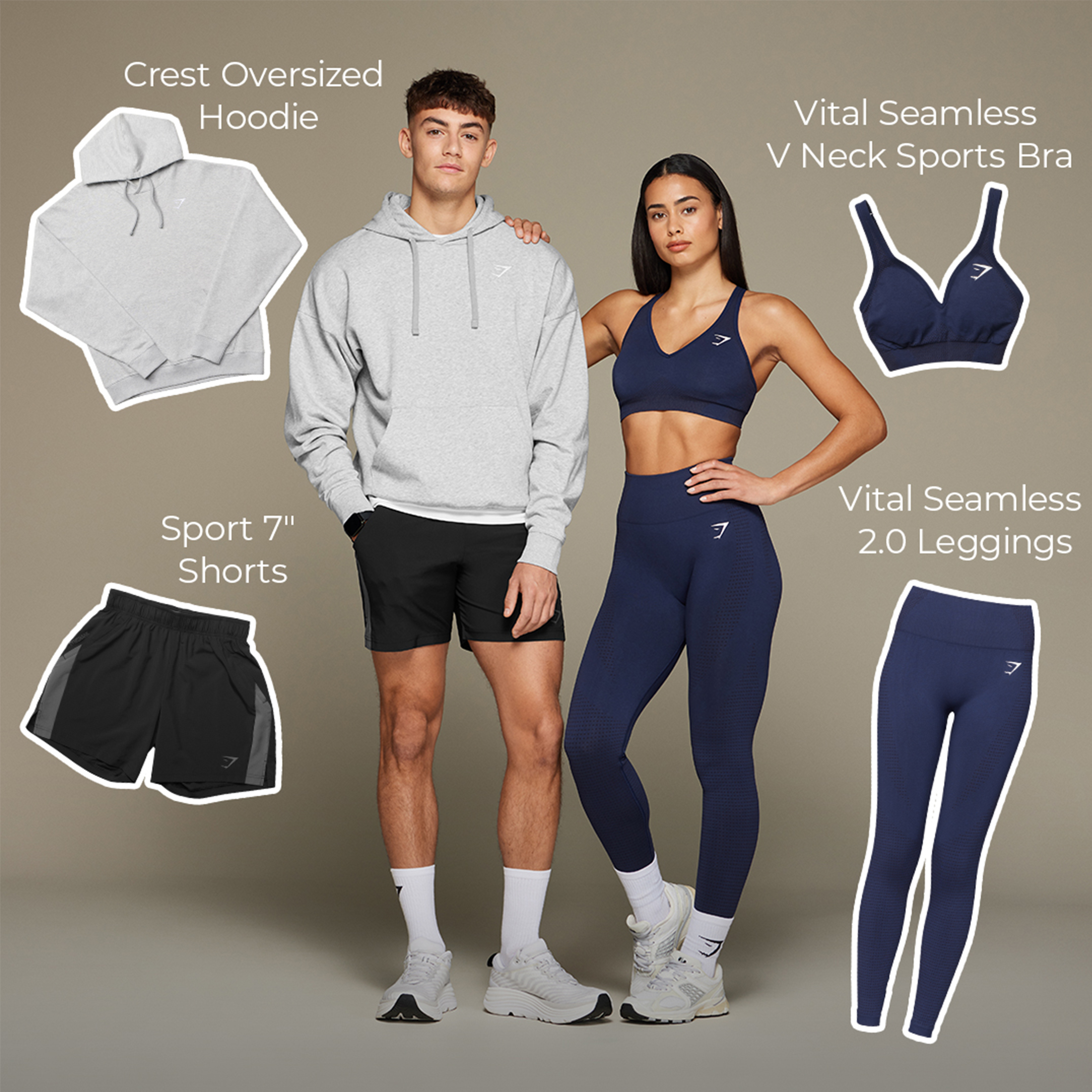
- Pair leggings with a long sweater or casual jacket.
- Wear sneakers with jeans or dresses.
- Use gym tops as layering pieces under denim jackets.
- Match joggers with a neat t-shirt and clean shoes.
Keep the look balanced. If your pants are tight, wear a loose top. If your shirt is fitted, choose relaxed bottoms.
Accessories And Layers
Add accessories for a complete look. Backpacks, baseball caps, and simple jewelry work well. Avoid heavy or flashy items.
Layering is key. Wear a gym hoodie over a basic t-shirt. Add a rain jacket for bad weather.
Transitioning From Gym To Street
If you need to go somewhere after the gym, plan your outfit. Use deodorant and bring a clean shirt. Some gym clothes are wrinkle-free and quick-drying.
Keep a spare pair of shoes for work or school. This helps you look fresh and professional.
How To Care For Gym Clothes
Gym clothes need special care to stay fresh and last longer. Sweat, bacteria, and frequent washing can damage fabrics. Here’s how to protect your clothes:
Washing Tips
- Turn clothes inside out before washing. This protects logos and prints.
- Use cold water and gentle detergent. Hot water can break down fibers.
- Avoid fabric softeners. They leave a residue and make sweat-wicking less effective.
- Wash gym clothes separately from towels and heavy fabrics.
Drying And Storage
Air-dry gym clothes when possible. Heat from dryers can damage elastic and shrink fabrics. Hang clothes in a well-ventilated area.
Store gym clothes in a cool, dry place. Avoid plastic bags or tight drawers—they trap moisture and cause odors.
Removing Odors
If your gym clothes smell bad, soak them in vinegar water before washing. Use baking soda for extra odor removal.
Some brands offer anti-microbial fabrics that resist odor. These are useful if you sweat heavily.
Longevity Tips
Rotate your gym clothes. Wearing the same items every day wears them out faster. Buy two or three sets to extend their life.
Check for loose threads, broken zippers, or stretched elastic. Repair small problems before they get worse.
Common Mistakes When Wearing Gym Clothes
Many people make mistakes when choosing or wearing gym clothes. Here’s how to avoid them:
Wearing The Wrong Fabric
Cotton is comfortable but traps sweat. Avoid it for high-intensity workouts. Polyester, nylon, and spandex are better for sweat control.
Ignoring Proper Fit
Baggy shirts can catch on equipment. Tight pants can restrict movement. Test clothes before buying to see if they fit your activity.
Overusing Accessories
Heavy jewelry or belts can get in the way. Keep accessories simple and minimal.
Not Using Layers
Layers help adjust to changing temperatures. If you skip layers, you may get cold or overheated.
Forgetting Hygiene
Always wash gym clothes after each use. Sweat and bacteria cause odor and skin problems. Bring a clean towel and deodorant to the gym.
Wearing Dirty Shoes
Dirty shoes make your whole outfit look messy. Clean your shoes regularly and replace them when they wear out.
Choosing Style Over Function
Trendy gym clothes may look good but can be uncomfortable. Always choose function first. Stylish clothes are a bonus.
Gym Clothes For Different Body Types
Everyone’s body is different. Gym clothes should make you feel comfortable and confident. Here are tips for different body shapes:
For Slim Bodies
Slim people can wear fitted tops and leggings. Avoid very loose clothes—they can look sloppy. Add layers for shape, like a fitted jacket.
For Muscular Bodies
Muscular people need stretchy fabrics. Choose tops with room in the shoulders and arms. Avoid tight sleeves that restrict movement.
For Curvy Bodies
Curvy bodies benefit from high-waisted leggings and supportive bras. Choose tops with enough coverage. Avoid clothes that ride up or slip.
For Larger Bodies
Choose gym clothes with wide waistbands and strong stitching. Loose but shaped tops give comfort and style. Avoid tight clothes that pinch.
Confidence Tips
Wear what feels best for your body. Don’t let trends push you into uncomfortable styles. The right clothes help you focus on your workout and feel good.
Gym Clothes And Skin Health
Gym clothes protect your skin, but they can also cause problems if not chosen carefully.
Preventing Rashes And Irritation
Sweat and friction cause skin irritation. Choose smooth, sweat-wicking fabrics. Avoid rough seams or tags.
Change clothes quickly after workouts. Shower and use gentle soap to prevent bacteria buildup.
Protecting Against Sun And Weather
For outdoor workouts, wear clothes with UV protection. Long sleeves and hats block sunburn. In cold weather, layer thin clothes to keep warm.
Managing Allergies
Some people are allergic to certain fabrics. Try different materials if you get rashes or redness. Look for hypoallergenic gym wear.
Gym Clothes Trends And Innovations
Gym clothes are always changing. New materials and designs offer more comfort and performance.
Sustainable Gym Wear
Many brands now offer eco-friendly gym clothes. These use recycled fabrics and less water. They are better for the environment.
A recent study found that 38% of young gym-goers prefer sustainable brands.
Smart Fabrics
Some gym clothes use smart technology. Sensors in shirts track your heart rate or movement. Sweat-wicking and anti-odor fabrics are common.
Inclusive Sizing
Brands are offering more sizes for all body types. This helps everyone find comfortable gym wear.
Design Innovations
Gym clothes now have pockets for phones, keys, or water bottles. Reflective strips help with night workouts.
Here’s a comparison of common gym fabrics:
| Fabric | Moisture Control | Stretch | Durability | Comfort |
|---|---|---|---|---|
| Polyester | Excellent | Good | High | Medium |
| Cotton | Poor | Medium | Low | High |
| Nylon | Excellent | Excellent | High | Medium |
| Spandex | Good | Excellent | Medium | Medium |
Credit: angradoheroismo.pt
How To Choose Gym Shoes
Gym shoes are just as important as clothes. The wrong shoes cause pain and injuries. Here’s how to choose the right pair:
Shoe Types
- Running shoes: For cardio and treadmill workouts.
- Cross trainers: Good for multiple activities.
- Weightlifting shoes: Flat soles for stability.
- Walking shoes: For light exercise and errands.
Key Features
Look for shoes with:
- Good arch support
- Breathable upper material
- Firm heel
- Flexible sole
Try shoes on with gym socks. Walk and jog in the store to check comfort.
Here’s a quick comparison of gym shoe types:
| Shoe Type | Best For | Sole Type | Support Level |
|---|---|---|---|
| Running Shoe | Cardio, Running | Cushioned | High |
| Cross Trainer | Multiple Activities | Medium | Medium |
| Weightlifting Shoe | Heavy Lifting | Flat, Firm | High |
| Walking Shoe | Light Exercise | Flexible | Medium |
Common Mistakes
Don’t use running shoes for heavy lifting—they are too soft. Avoid sandals or slip-ons in the gym. Replace shoes every 6-12 months, depending on use.
Gym Clothes For Different Weather
Weather affects your gym outfit, especially for outdoor workouts.
Hot Weather
Wear light, breathable fabrics. Choose shorts and tank tops. Use hats and sunglasses for sun protection.
Cold Weather
Layer thin shirts and jackets. Wear thermal leggings and gloves. Choose shoes with good grip for icy surfaces.
Rainy Weather
Pick water-resistant jackets and shoes. Avoid cotton—it gets heavy when wet. Bring a dry towel and bag for wet clothes.
Here’s a quick weather-outfit table:
| Weather | Recommended Outfit | Key Accessories |
|---|---|---|
| Hot | Shorts, tank tops | Hat, sunglasses |
| Cold | Layered shirts, leggings | Gloves, thermal socks |
| Rainy | Water-resistant jacket, pants | Dry bag, towel |
Gym Clothes For Men And Women
Men and women have different needs for gym wear. Here’s how to choose:
Men’s Gym Clothes
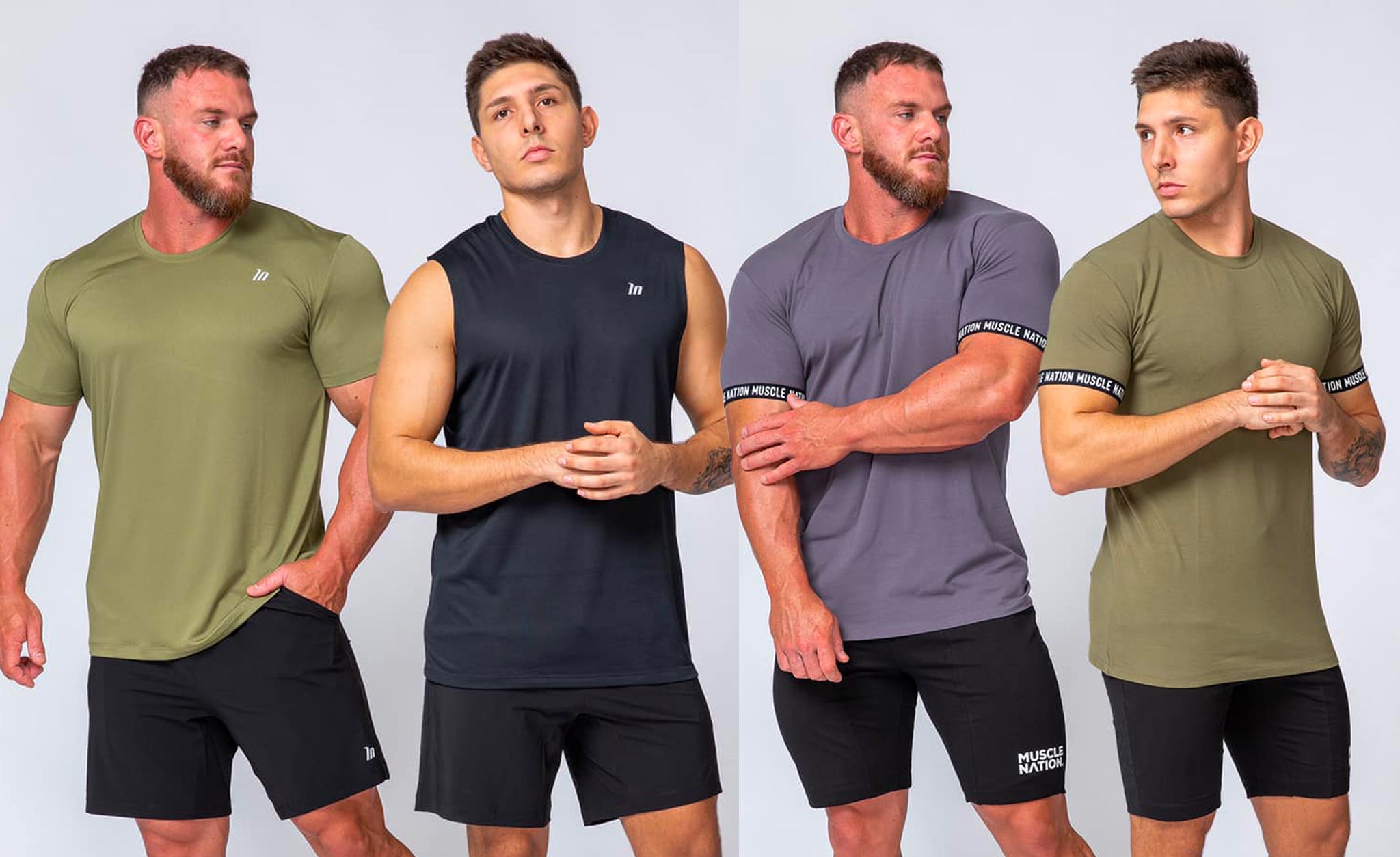
Men prefer shorts, tanks, and tees. Choose sweat-wicking fabrics. Use compression shorts for support.
Avoid heavy fabrics. Choose light, flexible shoes.
Women’s Gym Clothes
Women need supportive sports bras and leggings. High-waisted leggings help with coverage. Crop tops and fitted tanks are popular.
Choose fabrics with stretch and support. Avoid see-through materials.
Unisex Options
Some gym clothes work for everyone. Hoodies, joggers, and basic tees are unisex. Choose simple colors and styles.
Gym Clothes For Different Age Groups
People of all ages wear gym clothes. Age affects style and comfort needs.
Kids And Teens
Kids need durable, flexible clothes. Bright colors and fun patterns are popular. Teens like trendy styles and brands.
Choose shoes with good support. Avoid clothes with loose strings or parts.
Adults
Adults need comfort and function. Choose styles that fit your body and activity. Avoid clothes that are too trendy or uncomfortable.
Seniors
Seniors need easy-to-wear clothes. Choose items with soft fabrics and easy closures. Supportive shoes are important.
Credit: mvmntlmtd.com
Gym Clothes And Motivation
The right gym clothes can boost your motivation. Studies show that people exercise more when they feel good in their outfit.
Psychological Effects
Wearing new or stylish gym clothes increases confidence. You may feel more energetic and ready to work out.
Setting Goals
Buy gym clothes as a reward for reaching fitness goals. This helps you stay motivated.
Community And Trends
Wearing similar gym clothes as friends can build community. Group workouts with matching outfits are popular.
Gym Clothes And Sustainability
Eco-friendly gym clothes are becoming more popular. They use recycled materials and less water.
Benefits
- Protect the environment
- Last longer
- Avoid harmful chemicals
Look for brands with sustainable certifications. This helps support green practices.
Healthline offers more information on sustainable gym wear and health tips.
Frequently Asked Questions
What Is The Best Fabric For Gym Clothes?
The best fabric is usually polyester or nylon. These materials wick sweat, dry fast, and stretch well. Avoid cotton for intense workouts—it absorbs sweat and becomes heavy.
How Often Should I Wash Gym Clothes?
Wash gym clothes after every use. Sweat and bacteria build up quickly. This prevents odor and skin problems.
Can I Wear Gym Clothes As Casual Wear?
Yes, gym clothes work for casual outfits. Pair leggings or joggers with sweaters or jackets. Make sure they are clean and fit well.
How Do I Choose The Right Gym Shoes?
Pick gym shoes based on your activity. Running shoes for cardio, weightlifting shoes for heavy lifting, cross trainers for group classes. Try shoes on and check comfort before buying.
What Are Common Mistakes With Gym Clothes?
Common mistakes include choosing cotton for sweaty workouts, wearing baggy clothes that restrict movement, skipping layers, and not washing clothes often enough. Always prioritize comfort and function.
Wearing gym clothes the right way is about comfort, confidence, and performance. Choose the right fabrics, fit, and style for your body and activity. Care for your clothes, mix gym wear with casual outfits, and avoid common mistakes. Gym clothes are more than just workout gear—they help you feel your best, inside and outside the gym.
