

How to Wear Gym Belt for Maximum Support and Safety
How to Wear Gym Belt: Complete Guide for Safe and Effective Training
For many people, a gym belt seems like a simple accessory. But wearing it the right way can make a big difference in your workout safety and performance. If you’re new to weightlifting or strength training, you might wonder why people use gym belts, when to put them on, and how to wear them correctly.
This guide will answer those questions, help you avoid common mistakes, and teach you how to get the most from your gym belt.
A gym belt is not just a piece of leather or nylon around your waist. It’s a tool that can help you lift heavier weights, protect your lower back, and improve your posture. But if you don’t use it properly, it can actually cause problems.
Many beginners think that tighter is always better, or that they should wear the belt all the time. This article will show you how to use a gym belt the right way, so you train smarter and safer.
What Is A Gym Belt And Why Do People Use It?
A gym belt is a wide, sturdy band that wraps around your waist. You’ll see lifters, powerlifters, and even some CrossFit athletes wearing one. The main reason is to support the lower back and increase intra-abdominal pressure. This extra support helps you lift more weight safely, especially during heavy compound movements.
Key Benefits Of Wearing A Gym Belt
- Reduced Risk of Injury: The belt stabilizes your spine, lowering the chance of lower back injuries.
- Better Lifting Posture: It reminds you to keep your back straight, especially during squats and deadlifts.
- Higher Performance: Studies show gym belts can help you lift more weight by increasing intra-abdominal pressure.
- Confidence Boost: Many lifters feel safer and more confident when wearing a belt.
When Is A Gym Belt Useful?
A gym belt is most helpful when you are:
- Lifting heavy weights (usually 80% or more of your max)
- Doing squats, deadlifts, overhead presses, or Olympic lifts
- Recovering from a minor back injury (with your doctor’s approval)
But you don’t need a gym belt for every exercise. For light weights, bodyweight movements, or cardio, it’s better to train without a belt to strengthen your core naturally.
Types Of Gym Belts: Choosing The Right One
Gym belts come in different shapes, sizes, and materials. Choosing the right belt is important for your comfort and safety.
Main Types Of Gym Belts
| Type | Material | Best For | Typical Width |
|---|---|---|---|
| Leather Belt | Leather | Powerlifting, Heavy Strength Training | 4 inches |
| Nylon Belt | Nylon | CrossFit, General Fitness | 4-6 inches (tapered) |
| Lever Belt | Leather | Competitive Lifting | 4 inches |
| Velcro Belt | Nylon + Velcro | Quick Adjustments, Light Training | 4 inches |
How To Choose Your Gym Belt
- Width: A 4-inch belt is standard for most lifters. Wider belts give more support but can feel uncomfortable for short or small-waist users.
- Material: Leather belts are more durable and stiff. Nylon belts are lighter and more flexible.
- Closure: Choose between buckle, lever, or Velcro. Buckles are secure, levers are fast, and Velcro is easy but less durable.
- Fit: The belt should fit snugly around your waist without digging into your skin.
A common mistake is picking a belt that’s too wide or too stiff. Try on different styles and sizes before buying. If you’re not sure, start with a simple nylon belt.

Credit: www.afvt.org
How To Wear A Gym Belt Correctly
Wearing a gym belt seems simple, but the details matter. If you wear it wrong, you lose support and may hurt yourself.
Step-by-step: Putting On Your Gym Belt
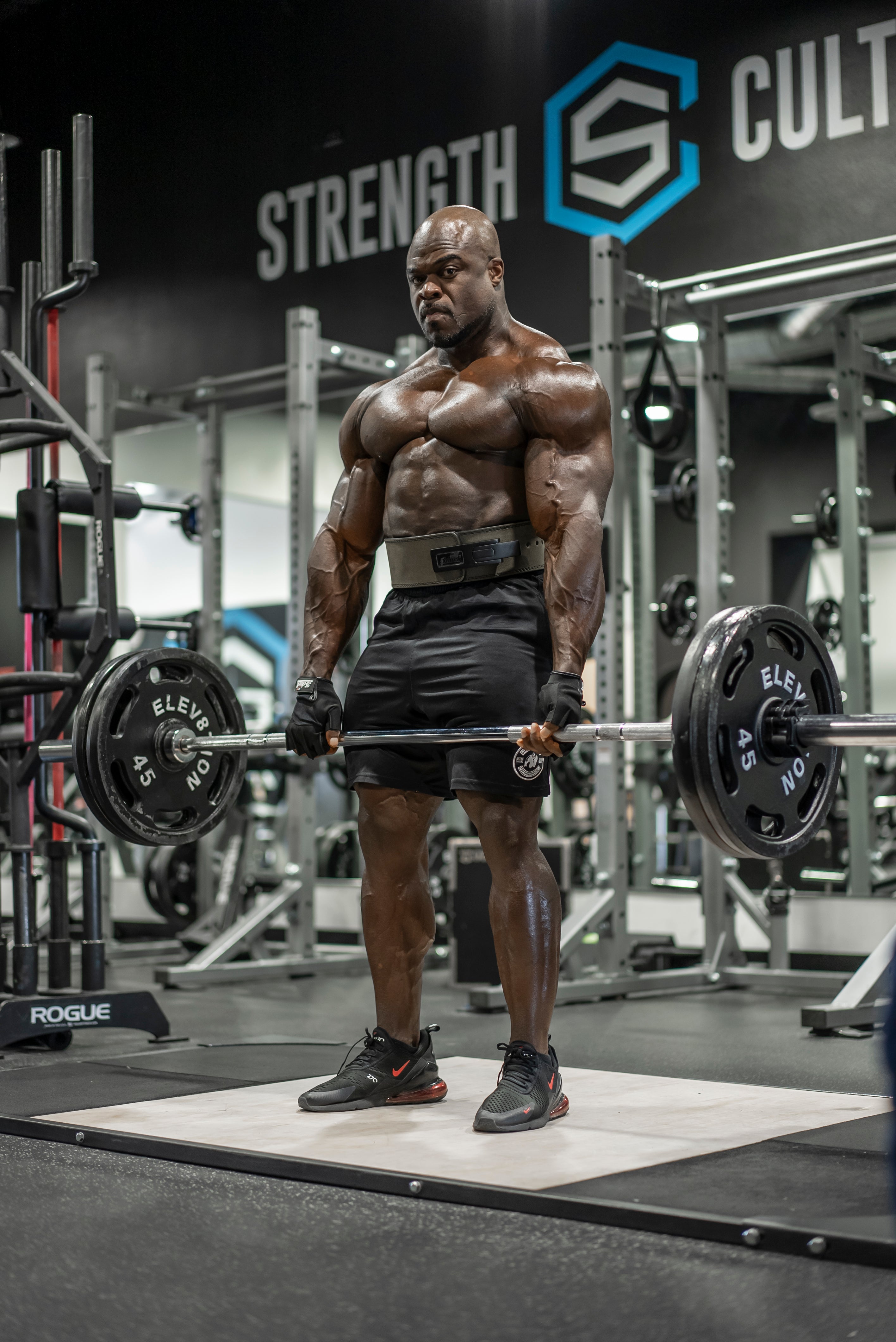
- Position the Belt: Place the belt around your waist, just above your hip bones. The belt should cover your lower back and the front of your abdomen.
- Tighten the Belt: Pull the belt tight, but not too tight. You should be able to take a deep breath and brace your core.
- Check Your Fit: The belt should not pinch your skin or restrict your breathing.
- Test Your Core Bracing: Before lifting, try to expand your stomach against the belt. You should feel pressure all around your waist.
Where Should The Belt Sit?
Your gym belt should sit just above your hip bones and below your ribcage. If it’s too high, it won’t support your lower back. If it’s too low, it can slip or dig into your hips.
How Tight Should Your Belt Be?
A gym belt should be snug but not suffocating. You need room to breathe and brace your core. If you can’t take a deep breath or feel dizzy, loosen the belt. Many beginners make the mistake of tightening the belt too much, thinking it will help. But this limits your movement and can cause discomfort.
Practical Example
Imagine you’re about to do a heavy squat. Stand tall, place the belt around your waist, tighten it enough that it stays in place, but not so much that you can’t breathe. Take a deep breath, expand your stomach, and feel the belt press against your core.
Now you’re ready to lift.
When To Wear A Gym Belt: Timing And Frequency
Knowing when to put on your gym belt is as important as knowing how to wear it. Wearing it all the time can weaken your natural core muscles.
Best Times To Use A Gym Belt
- During your working sets of heavy squats, deadlifts, or presses
- When lifting near your maximum effort
- For exercises that stress your lower back
Avoid wearing a belt during warm-up sets or isolation exercises like biceps curls or calf raises.
How Often Should You Use The Belt?
Use your gym belt only for heavy lifts or when you need extra support. Overusing a belt can reduce your core strength. Aim to train most of your sessions without a belt, using it only for your most challenging sets.
Data: Belt Usage Patterns
A survey of strength athletes found:
- Powerlifters use belts for 60-80% of their heavy sets
- Olympic lifters use belts mainly for maximal lifts
- Fitness enthusiasts use belts in less than 20% of their workouts
You don’t need a belt for every workout. Use it as a tool, not a crutch.
Common Mistakes When Wearing Gym Belts
Even experienced lifters sometimes misuse gym belts. Avoid these mistakes to stay safe and get the best results.
Frequent Errors
- Wearing the Belt Too High or Too Low: The belt should sit over your lower back, not on your ribs or hips.
- Too Tight or Too Loose: Both extremes reduce the belt’s effectiveness.
- Using the Belt All the Time: Overusing a belt can weaken your core.
- Not Bracing Your Core: You must push your stomach against the belt, not just wear it.
- Wrong Belt for the Exercise: Some belts are better for certain lifts.
Example: Incorrect Position
If you wear the belt just below your chest during a deadlift, it won’t support your lower back. Instead, position it so it covers your lumbar region.
Non-obvious Insight
Many beginners believe they should wear the belt during every exercise. This is not true. Only use the belt when your lower back is under heavy load. For other movements, rely on your natural core strength.
How Gym Belts Improve Performance: Science And Real Results
Gym belts are not magic. But they do help you lift heavier and safer, if used correctly.
Scientific Findings
Research shows that wearing a gym belt:
- Increases intra-abdominal pressure by up to 40%
- Reduces spinal flexion during heavy lifts
- Allows lifters to squat and deadlift more weight safely
One study found that lifters wearing belts could lift up to 10% more in their max squats compared to lifting without a belt.
Real-life Example
A powerlifter who squats 300 pounds without a belt may reach 330 pounds when wearing one. The belt gives extra support, letting them push harder without risking injury.
How Belts Affect Different Exercises
| Exercise | Belt Effect | Recommended Belt Type |
|---|---|---|
| Squat | Improves stability, allows heavier lifts | Leather or Lever Belt |
| Deadlift | Supports lower back, reduces injury risk | Leather Belt |
| Overhead Press | Enhances core bracing | Nylon Belt |
| Power Clean | Helps maintain posture | Nylon or Leather Belt |

Credit: squatuniversity.com
How To Brace Your Core With A Gym Belt
Bracing your core is the key to using a gym belt effectively. Wearing the belt without bracing will not protect you.
Core Bracing Steps
- Take a Deep Breath: Fill your stomach with air, not just your chest.
- Expand Your Stomach: Push your abdomen outward against the belt.
- Hold the Pressure: Keep your core tight during the lift.
- Exhale Slowly: After completing the movement, release the breath.
This technique increases intra-abdominal pressure, stabilizing your spine. Many beginners miss the step of expanding their stomach. They breathe shallowly, which reduces the belt’s support.
Common Mistake: Chest Breathing
If you only breathe into your chest, the belt won’t do much. Practice belly breathing before your lifts.
Gym Belt Fit: How To Measure And Adjust
The right fit is essential. A belt that’s too big or small won’t help you.
Measuring Your Waist For A Gym Belt
Use a tape measure around your waist at the level where you plan to wear the belt. Do not use your pant size, as this is often different.
Adjusting Your Belt
Most belts have multiple holes or adjustment points. Try different settings to find the right snugness. A good test is to wear the belt, take a deep breath, and see if you can brace your core comfortably.
Fit Comparison
| Fit | Comfort | Support | Recommended For |
|---|---|---|---|
| Loose | High | Low | Warm-up, Light Lifting |
| Snug | Medium | High | Heavy Lifting |
| Too Tight | Low | Medium | Not Recommended |
Wearing A Gym Belt For Different Exercises
Not every exercise needs a gym belt. Here’s how to use it for the most common lifts.
Squats
- Wear the belt during your heavy sets
- Position it over your lower back
- Brace your core before descending
Deadlifts
- Put the belt on right before your working sets
- Brace your abdomen against the belt
- Remove the belt for lighter sets
Overhead Press
- Use a belt for heavy presses
- Keep the belt snug but allow for shoulder movement
Olympic Lifts
- Belts are helpful for cleans and snatches, but avoid belts during warm-ups
Bodyweight And Isolation Exercises
- Do not wear a belt. Let your core work naturally.
Gym Belt Maintenance And Care
A gym belt is an investment. Proper care makes it last longer and keeps it safe.
Cleaning Your Belt
- Leather belts: Wipe with a damp cloth and use leather conditioner
- Nylon belts: Hand wash with mild soap, air dry
Storing Your Belt
- Keep your belt flat in a dry place
- Avoid storing in humid areas to prevent mold
Inspecting For Damage
- Check for cracks, tears, or loose stitching
- Replace your belt if you see signs of damage
Practical Tip
If your belt starts smelling bad, clean it regularly. Sweat can damage the material over time.
Credit: schiek.com
Should You Wear A Gym Belt? Pros And Cons
Gym belts have benefits and drawbacks. Decide if a belt is right for you.
Pros
- Extra support for heavy lifts
- Reduces risk of lower back injury
- Helps increase performance
Cons
- Can weaken your core if overused
- May cause discomfort if worn incorrectly
- Not needed for every exercise
Who Should Use A Gym Belt?
- Lifters training with heavy weights
- Athletes recovering from minor back injuries (with medical approval)
- People aiming for personal records
Who Should Avoid Gym Belts?
- Beginners just starting with light weights
- People with certain medical conditions (consult your doctor)
- Anyone relying on the belt for all exercises
Using Gym Belts: Advanced Tips
Once you know the basics, these tips can help you get even more from your gym belt.
1. Use Your Belt For Practice
Try wearing the belt during your last warm-up set. Practice bracing your core and breathing. This builds confidence.
2. Alternate Belt And Non-belt Sets
Don’t wear the belt for every set. Mixing sets with and without a belt strengthens your natural core.
3. Adjust Belt Position
Some lifters move the belt slightly higher or lower for different lifts. Experiment to find what feels best.
4. Track Your Performance
Keep notes on how much you lift with and without a belt. This helps you see your progress and decide if the belt is helping.
Non-obvious Insight
Belts work best when combined with proper technique and core training. Don’t let the belt be your only source of stability.
Frequently Asked Questions
How Do I Know If My Gym Belt Is Too Tight?
If you cannot take a deep breath or feel pressure on your ribs, your belt is too tight. Loosen it until you can breathe comfortably and brace your core.
Should I Wear A Gym Belt For Every Exercise?
No, gym belts are best for heavy compound lifts like squats and deadlifts. Avoid using a belt for light weights or isolation movements.
How Often Should I Clean My Gym Belt?
Clean your belt every few weeks, or more often if you sweat a lot. Leather belts need conditioning; nylon belts can be hand washed.
Can A Gym Belt Help Prevent Injuries?
Yes, a gym belt can reduce the risk of lower back injuries during heavy lifts, but only if used correctly and combined with proper technique.
Where Can I Find More Research On Gym Belts?
You can read more about gym belts and their effects on lifting at Wikipedia.
Using a gym belt is more than just strapping it around your waist. With proper technique, careful timing, and the right fit, a gym belt can help you reach new levels in your training. Remember, the belt is a tool, not a substitute for strong core muscles or good form.
Practice bracing, listen to your body, and use the belt only when you need extra support. With these tips, you’ll train safely and get the most from your gym belt.
