

How to Wear Business Casual Women: Expert Styling Tips
How To Wear Business Casual Women
Finding the right balance between professional and comfortable is a challenge for many women. Business casual is a common dress code in offices, but the meaning can change from company to company. What is considered business casual in one place may be too formal or too relaxed in another.
This guide explains how to wear business casual for women, with practical tips, examples, and modern advice. You’ll learn how to create smart outfits, avoid mistakes, and feel confident at work, whether you’re new to the office or just want to refresh your wardrobe.
What Is Business Casual For Women?
Business casual is a style that mixes professional attire with relaxed elements. It is less strict than traditional business wear but more polished than everyday casual clothes. The goal is to look neat and competent without feeling uncomfortable or overdressed.
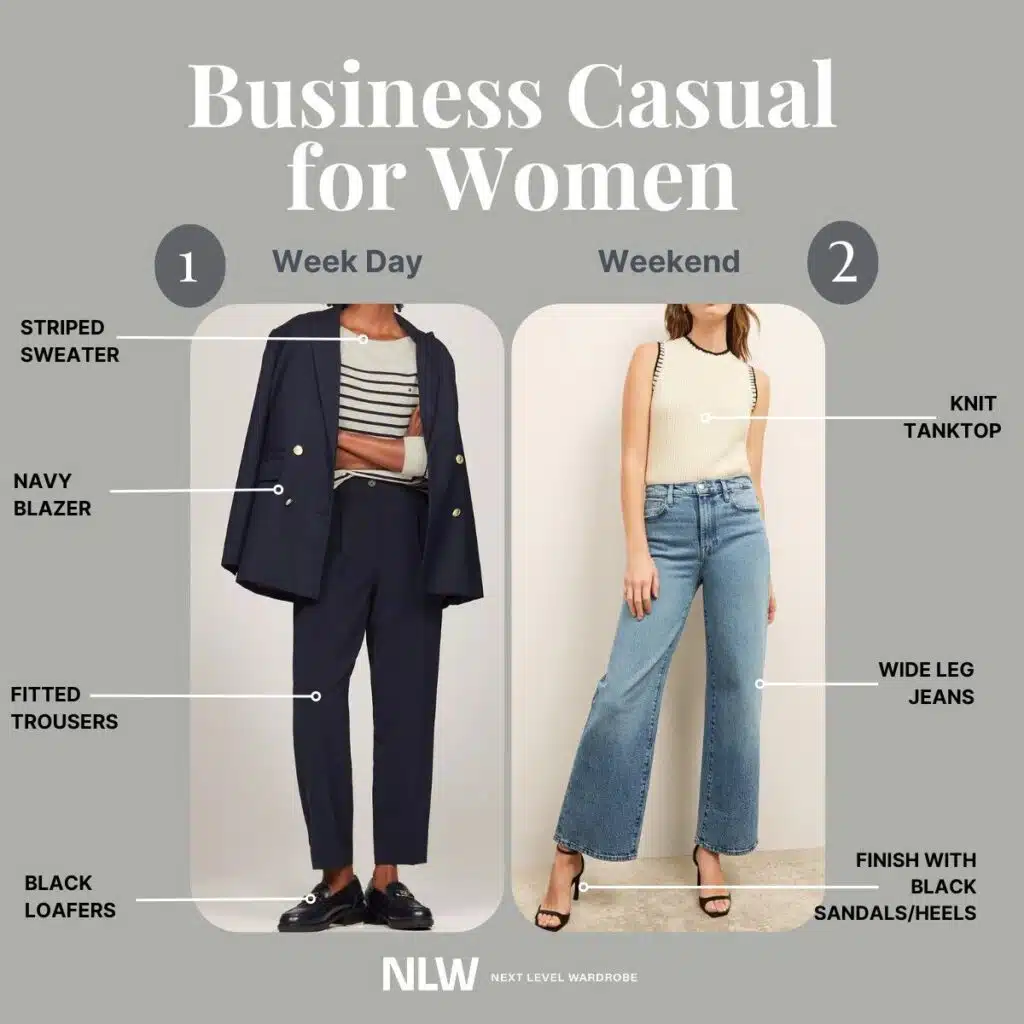
Typical business casual outfits for women include:
- Blouses
- Dress pants
- Skirts
- Sweaters
- Closed-toe shoes
- Blazers
You can mix and match these pieces to create many looks. However, there are some clear boundaries. Items like ripped jeans, graphic T-shirts, flip-flops, and extremely short skirts are not business casual.
One non-obvious insight: Each workplace might have its own definition. For example, a creative agency may allow more color and style, while a law firm may expect more neutral tones and classic cuts. Always check your company’s dress code before choosing your outfit.
Building Your Business Casual Wardrobe
Creating a business casual wardrobe doesn’t mean buying dozens of new pieces. You can start with a few basics and expand over time. Smart shopping and planning help you save money and avoid clutter.
Essential Pieces
Here are the must-have items for a business casual wardrobe:
- Dress pants: Choose neutral colors like black, navy, or gray. Avoid fabrics that wrinkle easily.
- Blouses and shirts: Go for simple patterns or solid colors. Avoid sheer or very low-cut tops.
- Knee-length skirts: Pencil or A-line skirts work well. Make sure they’re not too tight or short.
- Blazers: One or two blazers in classic colors can upgrade any outfit.
- Cardigans and sweaters: Stick to clean designs and avoid oversized styles.
- Closed-toe shoes: Loafers, flats, or low heels are best.
- Dressy jeans: Some offices accept dark, well-fitted jeans. Make sure they look polished.
- Accessories: Simple jewelry, a belt, and a structured handbag add finishing touches.
Color Choices
Neutral colors are the safest. They make mixing and matching easier. You can add color with accessories or a single item, like a bright blouse under a neutral blazer.
Fabric And Fit
Choose fabrics that are comfortable and easy to care for. Cotton, wool blends, and polyester are common. Avoid shiny, clingy, or see-through materials.
Fit is very important. Clothes should not be too tight or too loose. If you struggle with fit, consider tailoring. Even a small adjustment can make a big difference.
Table: Essential Items Comparison
Here’s a quick comparison of business casual essentials:
| Item | Best Colors | Acceptable Fabrics | Common Mistakes |
|---|---|---|---|
| Dress Pants | Black, Navy, Gray | Cotton, Wool Blend | Wrinkled, Tight Fit |
| Blouses | White, Light Blue, Pastel | Cotton, Polyester | Sheer, Low-cut |
| Skirts | Black, Navy, Beige | Cotton, Wool Blend | Short, Tight |
| Blazers | Black, Gray | Polyester, Wool Blend | Bold Patterns, Poor Fit |
| Shoes | Black, Brown | Leather, Faux Leather | Open-toe, Flip-flops |
Choosing Tops: Blouses, Shirts, And Sweaters
The right top can make your business casual outfit look professional or relaxed. Let’s look at the main options.
Blouses
Blouses are a business casual staple. Choose simple designs, avoid excessive frills, and stick to comfortable fabrics. Classic cuts like button-down or collarless blouses are easy to pair.
Non-obvious tip: Avoid tops with large logos or slogans. Even if they are stylish, they distract from your professional look.
Shirts
Button-down shirts are versatile. White, light blue, or pastel shades are perfect. If you want patterns, choose subtle ones like thin stripes or small dots.
Long-sleeved shirts are more formal, but short sleeves are fine in warm weather. Never wear sleeveless tops unless your workplace allows them.
Sweaters
A lightweight sweater over a shirt or blouse adds warmth and style. Cardigans are another option. Pick designs that are not bulky or oversized. Stick to solid colors or simple patterns.
Avoid sweaters with deep V-necks or very bold prints.
Pants, Skirts, And Dresses
Bottoms are the foundation of your business casual look. The right choice helps you feel comfortable and confident.
Dress Pants
Choose pants made from quality fabric. Avoid leggings, sweatpants, or anything too tight. Straight-leg or slightly tapered pants are popular. Bootcut is also acceptable.
If you’re unsure about length, pants should cover your ankles but not drag on the floor.
Skirts
Knee-length skirts are best. Pencil skirts look sharp, while A-line skirts offer more comfort. Avoid mini skirts or anything that restricts movement.
If you wear tights, choose neutral shades. Patterned or colored tights are risky unless your office is very relaxed.
Dresses
Some offices accept dresses as business casual. Choose dresses that reach at least your knees and have sleeves or wide straps. Avoid bodycon or very loose styles.
A sheath dress with a blazer is a classic look. Shirt dresses are another safe choice.
Table: Pants, Skirts, And Dresses Comparison
Here’s a quick comparison:
| Type | Recommended Length | Style | Common Mistakes |
|---|---|---|---|
| Pants | Full length | Straight, Bootcut | Too tight, Leggings |
| Skirts | Knee-length | Pencil, A-line | Mini, Tight |
| Dresses | Knee-length or longer | Sheath, Shirt Dress | Bodycon, Sleeveless |
Layering: Blazers, Cardigans, And Jackets
Layering adds depth to your outfit and lets you adapt to changing temperatures.
Blazers
A well-fitted blazer is a top choice for business casual. Choose solid colors or subtle patterns. Blazers work with pants, skirts, and dresses.
Non-obvious insight: You don’t need to close your blazer buttons if it feels tight. Leaving it open is stylish and comfortable.
Cardigans
Cardigans are softer than blazers. They add warmth without making you look too formal. Choose cardigans that are hip-length or just below. Avoid overly long or chunky styles.
Jackets
Light jackets, like denim or bomber jackets, may be allowed in some creative workplaces. Always check if your office allows them.
Stick to neutral colors and clean lines. Avoid jackets with heavy decorations or loud patterns.
Footwear: Shoes That Work
Shoes are often overlooked, but they matter a lot. The wrong pair can ruin your outfit or make you uncomfortable.
Best Choices
- Loafers: Comfortable and classic.
- Ballet flats: Work with pants and skirts.
- Low heels: Keep you professional without pain.
- Ankle boots: Good in cooler months.
Avoid sneakers, flip-flops, or sandals unless your office is very relaxed.
Comfort Matters
Pick shoes with good support. If you spend much time standing or walking, choose cushioned insoles. Avoid shoes that pinch or slip.
Shoe Care
Keep your shoes clean and polished. Scuffed or dirty shoes look careless. Rotate pairs to avoid wearing out your favorites.

Credit: www.youtube.com
Accessories: Jewelry, Bags, And Belts
Accessories can make or break your outfit. The goal is to add style without distraction.
Jewelry
Choose simple pieces. Small earrings, a thin necklace, or a subtle bracelet work well. Avoid large, flashy items.
Bags
Structured handbags are best. Tote bags, shoulder bags, or satchels in neutral colors look professional. Avoid backpacks unless your workplace allows them.
Belts
Belts help define your waist and add polish. Stick to basic leather styles. Avoid oversized buckles or bright colors.
Scarves
A small scarf can add color and interest. Choose lightweight fabrics and simple prints.
Business Casual For Different Body Types
Business casual is for everyone, but some styles suit certain body types better. Understanding your shape helps you pick clothes that flatter.
Pear Shape
If your hips are wider than your shoulders, try A-line skirts and fitted blazers. Avoid pants that cling to your hips.
Apple Shape
If your waist is less defined, choose tops with structure and pants with a flat front. Avoid clingy fabrics.
Hourglass Shape
If your waist is clearly defined, wear fitted blouses and pencil skirts. Avoid boxy tops.
Rectangle Shape
If your hips and shoulders are similar, add curves with belts and peplum tops. Avoid straight, loose styles.
Non-obvious tip: Many women wear clothes that hide their shape. In business casual, balance is key. Show your best features without feeling exposed.
Business Casual For Different Ages
Age can affect how you approach business casual, but the basics remain the same. The key is to adjust style and fit.
Young Professionals
Try modern cuts and colors, but keep it simple. Avoid trendy items that look too casual.
Mid-career
Focus on quality and fit. Invest in good fabrics and classic designs.
Senior Professionals
Stick to timeless styles and avoid anything too bold. Comfort and elegance matter most.
Non-obvious insight: Age doesn’t mean you have to dress dull. Adding a colorful accessory or modern shoes can keep your look fresh.
Business Casual For Different Seasons
Business casual changes with the weather. Here’s how to adjust:
Spring
Light fabrics and pastel colors work well. Choose cardigans or light blazers.
Summer
Short-sleeved blouses and lightweight pants are best. Avoid sleeveless tops unless allowed.
Fall
Add sweaters and ankle boots. Use darker colors and heavier fabrics.
Winter
Layer with blazers, thick sweaters, and scarves. Wool pants and knee-high boots keep you warm.

Credit: wonder-wardrobe.com
Business Casual For Different Workplaces
The meaning of business casual depends on your industry and company.
Corporate Offices
Stick to classic cuts, neutral colors, and polished shoes. Avoid anything too trendy or casual.
Creative Agencies
You can add color, patterns, and unique accessories. Just avoid extremes.
Tech Companies
Often more relaxed. Dark jeans, simple tops, and sneakers may be allowed.
Small Businesses
The dress code may be flexible. Ask your manager or observe what others wear.
Non-obvious tip: If you’re unsure, start more formal. You can always adjust later.
Common Business Casual Mistakes
Avoid these mistakes to stay professional:
- Too casual: Wearing T-shirts, shorts, or sneakers.
- Too formal: Wearing suits, ties, or evening dresses.
- Poor fit: Clothes that are too tight or loose.
- Visible underwear: Sheer fabrics or short skirts.
- Loud patterns: Distracting prints or colors.
- Dirty or wrinkled clothes: Always check before leaving home.
- Uncomfortable shoes: Painful shoes distract you and look bad.
- Too much jewelry: Keep it simple.
Non-obvious insight: Many women forget about grooming. Hair, nails, and makeup should be tidy and understated.
Business Casual Outfit Ideas
Here are some outfit combinations to help you get started:
- Classic: Black dress pants, white blouse, gray blazer, loafers.
- Modern: Navy pencil skirt, pastel sweater, nude flats.
- Creative: Dark jeans, patterned blouse, bright cardigan, ankle boots.
- Comfortable: Gray trousers, soft turtleneck, small scarf, ballet flats.
- Layered: A-line skirt, button-down shirt, open blazer, low heels.
Mix and match these ideas for variety.
How To Shop For Business Casual
Shopping for business casual is easier with a plan.
Set A Budget
Decide how much you can spend. Good basics can last for years.
Shop Smart
Buy versatile pieces. Avoid buying only trendy items.
Try Before You Buy
Always try on clothes. Check for comfort, fit, and quality.
Look For Sales
Many stores offer discounts on business wear. Shop during sales or clearance events.
Avoid Common Shopping Mistakes
- Buying clothes that don’t fit
- Choosing poor-quality fabrics
- Ignoring your company’s dress code
Caring For Business Casual Clothes
Proper care keeps your wardrobe looking sharp.
Washing
Follow label instructions. Avoid high heat and harsh detergents.
Ironing
Wrinkle-free clothes look professional. Invest in a good iron or steamer.
Storage
Hang blazers and pants. Fold sweaters and blouses. Use shoe racks for footwear.
Repairs
Fix small tears or loose buttons quickly. Don’t wear damaged clothes.
Non-obvious tip: Rotate your outfits to avoid wearing out favorites. This also keeps your wardrobe feeling fresh.
Business Casual For Remote Work
Remote work changes dress codes, but business casual still matters for video calls and meetings.
Top Focus
Choose polished tops, even if you wear jeans or leggings below the camera.
Lighting
Pick colors that look good on screen. Avoid white, which can glare.
Grooming
Simple makeup and neat hair make a big difference.
Credit: nextlevelwardrobe.com
Business Casual For Interviews
Interviews require special attention. Business casual is often recommended, but always check with the company.
Prepare
Choose a safe outfit: neutral pants, classic blouse, simple shoes.
Avoid Mistakes
Don’t wear loud colors or bold jewelry. Keep it professional.
Confidence
Dress for the job you want, not the job you have.
Comparison: Business Casual Vs. Other Dress Codes
Understanding how business casual compares to other dress codes helps avoid confusion.
| Dress Code | Examples | Allowed Shoes | Accessories |
|---|---|---|---|
| Business Casual | Pants, blouses, skirts | Loafers, flats, low heels | Simple jewelry |
| Formal Business | Suits, dress shirts | Dress heels | Minimal jewelry |
| Casual | Jeans, T-shirts | Sneakers, sandals | Any jewelry |
| Smart Casual | Dressy jeans, blazers | Boots, loafers | Stylish jewelry |
How To Handle Dress Code Changes
Sometimes, companies change their dress codes. Here’s how to adapt:
- Stay flexible. Keep some classic pieces for any situation.
- Watch what others wear. Follow leaders in your office.
- Ask HR or your manager for guidance.
Non-obvious tip: If your company becomes more relaxed, keep some formal pieces for important meetings or presentations.
Useful External Resource
For more details on business casual dress codes and workplace etiquette, visit Business News Daily.
Frequently Asked Questions
What Is The Safest Business Casual Outfit For A New Office?
A pair of black dress pants, a white blouse, and closed-toe flats is safe for almost any office. Add a simple blazer if you’re unsure.
Can I Wear Jeans For Business Casual?
Dark, well-fitted jeans may be allowed in some offices. Avoid ripped or faded jeans, and always check your company’s rules first.
Are Sneakers Okay For Business Casual?
Usually not. Stick to loafers, flats, or low heels. Sneakers are only allowed in very relaxed workplaces.
How Much Jewelry Is Appropriate?
Keep jewelry simple. Small earrings, a thin bracelet, and a delicate necklace are safe. Avoid large or flashy items.
What Colors Work Best For Business Casual?
Neutral colors like black, navy, gray, beige, and white are safest. You can add color with accessories or a single item like a blouse.
---
Business casual for women is about balance: looking professional but feeling comfortable. With the right pieces, smart shopping, and a few personal touches, you can build a wardrobe that works for any workplace. Remember, business casual is flexible. Adjust for your company, your shape, and your own style. When you dress confidently, you’ll not only look good—you’ll feel ready for anything the day brings.
