

How to Wear Business Casual Men: Essential Style Tips for Success
Business casual is a style that can confuse many men. It sits between formal and casual, demanding a smart look without a suit and tie. You may see different rules depending on the company, country, or even the season. But learning how to wear business casual will help you look professional, feel confident, and make a strong impression in any workplace.
This guide will show you the essentials, give practical advice, and offer examples so you can build your own business casual wardrobe step by step.
What Is Business Casual For Men?
Business casual is a dress code that blends professional attire with comfortable, less-formal clothing. It is not as strict as traditional business wear, but it is more polished than casual outfits. You might wear dress slacks with a button-down shirt, skip the tie, and add a smart jacket or sweater. This style is common in offices, meetings, and events where a suit feels too formal but jeans and t-shirts are not allowed.
Key Features
- No full suit and tie required
- Collared shirts, sweaters, or jackets
- Dress pants, chinos, or smart trousers
- Clean, polished shoes (not sneakers)
- Minimal accessories
A simple way to think about business casual: You should look neat, professional, and ready to meet clients or coworkers, but not stiff or overdressed.
Essential Pieces Of Business Casual
Building a business casual wardrobe starts with versatile basics. Let’s explore each item and see how to choose the right ones.
Shirts
The most important part of business casual is the shirt. Button-down shirts are the standard, but there are other options.
- Button-down oxford shirts: Classic, comfortable, and available in many colors.
- Dress shirts: Choose lighter colors like white, light blue, or pale pink. Avoid bold patterns.
- Polo shirts: Good for warmer days or less formal workplaces.
- Sweaters: V-neck or crew neck sweaters over a shirt look sharp and are good for cold weather.
Shirt Comparison
| Type | Best For | Typical Colors | Formality Level |
|---|---|---|---|
| Button-down Oxford | All seasons | White, blue, grey | High |
| Polo Shirt | Summer, casual offices | Navy, black, pastels | Medium |
| Sweater | Cool weather | Dark, neutral | Medium |
Pants
Business casual pants should be clean, well-fitted, and made from quality materials.
- Dress slacks: Always a safe choice. Wool or cotton blends are best.
- Chinos: Slightly more casual but still appropriate. Choose navy, khaki, or gray.
- Dark jeans: Some offices allow them, but they must be free of rips and logos.
Tip: Avoid shorts, cargo pants, and athletic wear.
Jackets And Blazers
A blazer can lift your business casual outfit, giving it a sharper look without requiring a full suit.
- Navy or gray blazers: Match almost any shirt or pant.
- Unstructured jackets: Less formal, good for creative workplaces.
Not every day needs a blazer, but having one ready is smart for meetings or presentations.
Shoes
Proper shoes are crucial. Shoes should always be clean and match the level of your outfit.
- Leather loafers: Comfortable and professional.
- Derby shoes: A classic choice for business casual.
- Brogues or monk straps: Stylish alternatives.
Avoid sneakers, sandals, or shoes with flashy colors.
Shoe Comparison
| Shoe Type | Comfort | Style Impact | Best With |
|---|---|---|---|
| Loafers | High | Smart, simple | Slacks, chinos |
| Derby | Medium | Classic | Dress pants |
| Brogues | Medium | Trendy | Chinos, slacks |
Accessories
Keep accessories simple. A leather belt that matches your shoes, a classic watch, and maybe a pocket square for extra style.
Tip: Avoid flashy jewelry, large bags, or hats.
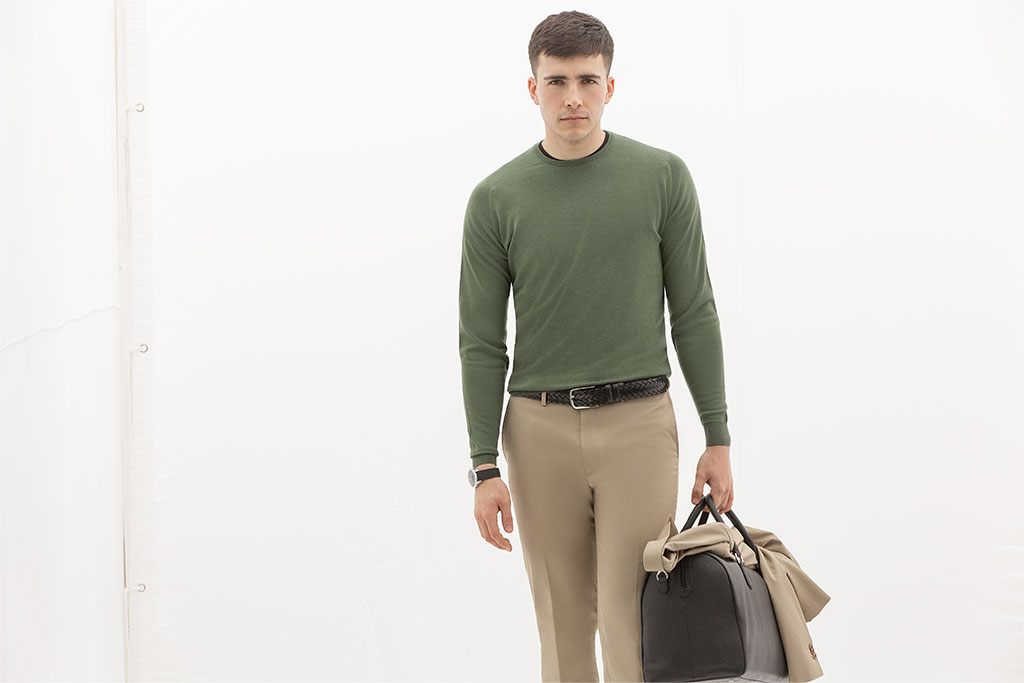
Credit: www.andrew-brookes.com
Choosing Colors And Patterns
Color choice is important in business casual. Aim for neutral colors like navy, gray, black, and white. These are easy to mix and match, look professional, and never go out of style.
Safe Color Combinations
- Navy pants + white shirt + brown belt/shoes
- Gray slacks + light blue shirt + black belt/shoes
- Khaki chinos + pale pink shirt + tan belt/shoes
Patterned shirts or pants are allowed, but keep them subtle. Small checks, stripes, or textures add interest without looking loud.
Tip: Avoid bright colors or bold patterns unless your workplace is creative and open to unique styles.
How To Build Your Business Casual Wardrobe
A good wardrobe does not need to be large. Focus on quality over quantity. Here’s a basic list to start:
- Three button-down shirts: White, light blue, and a subtle pattern
- Two pairs of dress slacks: Navy and gray
- Two pairs of chinos: Khaki and olive
- One blazer: Navy or gray
- Two pairs of shoes: Loafers and derby
- One leather belt
- One sweater: Neutral color
These items can create many combinations. For example, a white shirt with navy slacks and loafers is perfect for a meeting, while khaki chinos with a patterned shirt work well on Fridays.
Wardrobe Versatility
| Item | Possible Outfits | Seasonal Use |
|---|---|---|
| White button-down | 6+ | Year-round |
| Navy slacks | 4+ | Year-round |
| Khaki chinos | 3+ | Spring/Summer |
| Blazer | 5+ | Fall/Winter |
Dressing For Different Occasions
Business casual is not one-size-fits-all. Adjust your outfit for meetings, interviews, or after-work events.
Office Days
A standard office day needs comfort and professionalism. A button-down shirt with chinos and loafers is ideal. If your office has air conditioning, add a sweater or light jacket.
Important Meetings
For meetings with clients or managers, elevate your look. Wear dress slacks, a crisp shirt, and a blazer. Choose darker colors for more authority.
Job Interviews
Interviews demand your best business casual. Wear a clean, ironed button-down, slacks, and polished shoes. A blazer adds confidence. Avoid jeans or polo shirts unless you know the company is very relaxed.
Casual Fridays
Many companies allow more relaxed dress on Fridays. You can wear a polo shirt, dark jeans, or skip the jacket. Still, keep your outfit neat and avoid anything too casual.
After-work Social Events
If you go out after work, choose an outfit that transitions well. A patterned shirt, chinos, and loafers work for both office and dinner.
Common Business Casual Mistakes
Many men make simple mistakes when dressing business casual. Knowing what to avoid is just as important as knowing what to wear.
- Wearing wrinkled clothes: Always iron shirts and pants.
- Poor fit: Clothes should not be too tight or too loose. Tailored pieces look best.
- Dirty or worn shoes: Shoes must be clean and free of scuffs.
- Mixing formal and casual badly: Avoid pairing a formal jacket with jeans unless the style is balanced.
- Too many accessories: Keep it simple; too many extras can look messy.
- Ignoring company culture: Some offices are stricter than others. Always check the dress code.
- Bright or loud colors: They can distract and look unprofessional.
Tip: Take photos of your outfits and review them before big days. This helps spot mistakes and improve your style.

Credit: www.youtube.com
How To Find Your Best Fit
Fit is the secret ingredient in business casual. Even expensive clothes can look bad if they don’t fit well.
Shirt Fit
Shirts should touch your body but not pull or sag. Sleeves should end at your wrist, and the collar should not be too tight.
Pants Fit
Pants should sit comfortably on your waist, not too high or low. The length should touch your shoes but not bunch up.
Jacket Fit
A blazer should follow your shoulders and arms. The sleeves should show a bit of your shirt cuff.
Tip: If clothes don’t fit, take them to a tailor. Small changes can make a big difference.
Seasonal Business Casual Tips
Weather changes how you dress business casual. Here are smart choices for each season:
Spring
- Lightweight shirts and chinos
- Lighter colors
- Loafers or slip-on shoes
Summer
- Short-sleeve button-downs
- Polo shirts
- Linen pants
- Avoid heavy jackets
Fall
- Layer with sweaters or vests
- Darker colors
- Add a blazer for warmth
Winter
- Wool slacks
- Thick sweaters
- Heavy blazers or coats
- Dress boots
Tip: Choose fabrics that match the season. Cotton and linen for summer, wool and thicker materials for winter.
Business Casual For Different Body Types
Men come in all shapes and sizes. Business casual can work for everyone if you know what flatters your body.
Slim Men
- Choose fitted shirts and pants
- Layer with a sweater or jacket to add bulk
Muscular Men
- Go for tailored shirts that allow movement
- Avoid skinny pants; regular fit is better
Larger Men
- Wear darker colors for a slimming effect
- Avoid tight clothes; choose relaxed but not baggy fits
- Vertical stripes can help elongate your look
Tip: Don’t hide your shape. The right fit shows confidence and style.
Business Casual Vs. Other Dress Codes
Business casual is just one option. Let’s compare it to other common dress codes.
| Dress Code | Typical Outfit | Formality Level | Allowed Items |
|---|---|---|---|
| Business Formal | Suit, tie, dress shoes | Highest | Full suit, tie, cufflinks |
| Business Casual | Shirt, slacks, blazer (optional) | Medium | No tie, chinos, loafers |
| Smart Casual | Polo, jeans, sneakers | Low-Medium | Dark jeans, casual jackets |
| Casual | T-shirt, jeans, sneakers | Lowest | Anything comfortable |
This comparison shows that business casual is more formal than smart casual but less strict than business formal.
How To Look Sharp Every Day
Looking sharp is not just about clothes. Grooming, posture, and attitude matter too.
- Keep hair neat: Visit a barber regularly.
- Shave or trim facial hair: Clean lines look professional.
- Use deodorant and light cologne: Smell fresh but not overpowering.
- Check your posture: Stand tall and walk with confidence.
Tip: If you feel good in your outfit, you will act confidently. Clothes should support, not distract.
Business Casual In Different Workplaces
Not all workplaces have the same rules. Some are traditional, others are relaxed or creative.
Corporate Offices
Expect stricter business casual. Stick to classic colors, dress slacks, and button-down shirts. Blazers are common.
Tech Companies
Often relaxed. Chinos, polo shirts, and casual jackets are fine. Sneakers might be allowed, but always check.
Creative Agencies
More freedom for colors and patterns. Unique shirts or accessories are welcome, but still look neat.
Tip: When starting a new job, observe what others wear for a week before deciding your style.
Shopping Tips For Business Casual
Buying business casual clothes can be easy if you know what to look for.
- Choose quality fabrics: Cotton, wool, linen, and blends last longer.
- Check care instructions: Some shirts need ironing, others are wrinkle-free.
- Try before you buy: Fit is more important than brand.
- Shop during sales: Quality items can be expensive. Wait for discounts.
- Read reviews: See what other buyers say about sizing and comfort.
Tip: Invest in basics first, then add variety as you learn what works for you.
Sustainability And Business Casual
Sustainable fashion is becoming more important. When building your business casual wardrobe, you can choose eco-friendly options.
- Buy less, choose better: Quality lasts longer than quantity.
- Choose natural fabrics: Cotton, wool, and linen are biodegradable.
- Support ethical brands: Look for companies that pay fair wages and use safe materials.
- Recycle old clothes: Donate or repurpose items you no longer wear.
Tip: Sustainable choices can save money in the long run and help the environment.
Business Casual For Travel
If you travel for work, business casual can be tricky. Here’s how to manage:
- Pack wrinkle-free shirts: They stay neat after long flights.
- Choose versatile pieces: Neutral colors match everything.
- Bring one blazer: Useful for meetings or dinners.
- Wear comfortable shoes: For walking in airports or cities.
- Use a garment bag: Keeps clothes organized and clean.
Tip: Plan outfits before packing to avoid carrying too much.
Real-life Examples
Let’s see some real-life business casual combinations for inspiration.
- Classic look: White button-down, navy slacks, brown loafers, gray blazer
- Relaxed look: Light blue polo, khaki chinos, tan loafers
- Layered look: Patterned shirt, olive chinos, navy sweater, black belt
- Summer look: Pale pink shirt, beige chinos, slip-on loafers
Tip: You can mix and match these pieces to create your own style.

Credit: www.youtube.com
Non-obvious Insights And Practical Advice
Many guides miss these points:
- Care for your clothes: Proper washing and storage will keep them looking new. Use wooden hangers for shirts and jackets.
- Learn to tuck shirts properly: A bad tuck can ruin your look. Practice with different pants and shirts.
- Use color to show personality: Even in strict offices, a colored sock or subtle pattern can be unique without breaking rules.
These small tips make a big impact on your business casual style.
Frequently Asked Questions
What Is The Difference Between Business Casual And Smart Casual?
Business casual is more formal than smart casual. Business casual includes dress slacks, button-down shirts, and often blazers. Smart casual allows jeans, polos, and casual jackets. The main difference is the level of professionalism required.
Can I Wear Jeans In Business Casual?
You can wear dark, clean jeans in some business casual workplaces. Avoid ripped, faded, or logo-covered jeans. Always check your company’s dress code before wearing jeans.
Are Sneakers Allowed In Business Casual?
Sneakers are usually not allowed in traditional business casual. However, some modern offices, especially in tech or creative fields, may accept smart, clean sneakers. Choose simple styles and avoid athletic or flashy designs.
How Do I Make Business Casual Work For Hot Weather?
Choose lightweight fabrics like cotton or linen. Wear short-sleeve button-downs or polos. Avoid heavy jackets and select loafers or slip-ons. Keep colors light and avoid layering.
What Accessories Are Best For Business Casual?
Stick with simple accessories: a leather belt, classic watch, and maybe a pocket square. Avoid flashy jewelry, big bags, or hats. Make sure your belt matches your shoes for a polished look.
Business casual is always changing, but these timeless tips will help you look professional, feel comfortable, and succeed in any workplace. If you want more guidance, visit GQ Style for inspiration and expert advice.
Finding your own business casual style takes time, but with the right basics, smart choices, and attention to detail, you can dress well every day and make a positive impression wherever you go.
