

How to Wear a Rash Guard Shirt: Ultimate Style and Comfort Guide
Looking for the perfect way to wear a rash guard shirt? Whether you’re hitting the waves, heading to the gym, or just want a sporty, comfortable look, knowing how to style and wear your rash guard can make all the difference.
You might be wondering how to pair it with other clothes, what fits best, or how to stay comfortable all day long. Keep reading, and you’ll discover simple tips that make your rash guard not just functional but also a cool part of your everyday wardrobe.
Ready to unlock the full potential of this versatile shirt? Let’s dive in.

Credit: www.taketimeforstyle.com
Choosing The Right Rash Guard
Choosing the right rash guard is key for comfort and protection. It helps you enjoy water activities without worries. The right rash guard fits well, feels good, and lasts long. Focus on fabric, fit, and style to find the best one for you.
Fabric Types And Benefits
Rash guards come in different fabrics. Polyester is lightweight and dries fast. Nylon feels soft and stretches well. Spandex adds extra stretch for better movement. Look for fabrics with UV protection to guard your skin. Quick-dry materials keep you comfortable after swimming.
Selecting The Perfect Fit
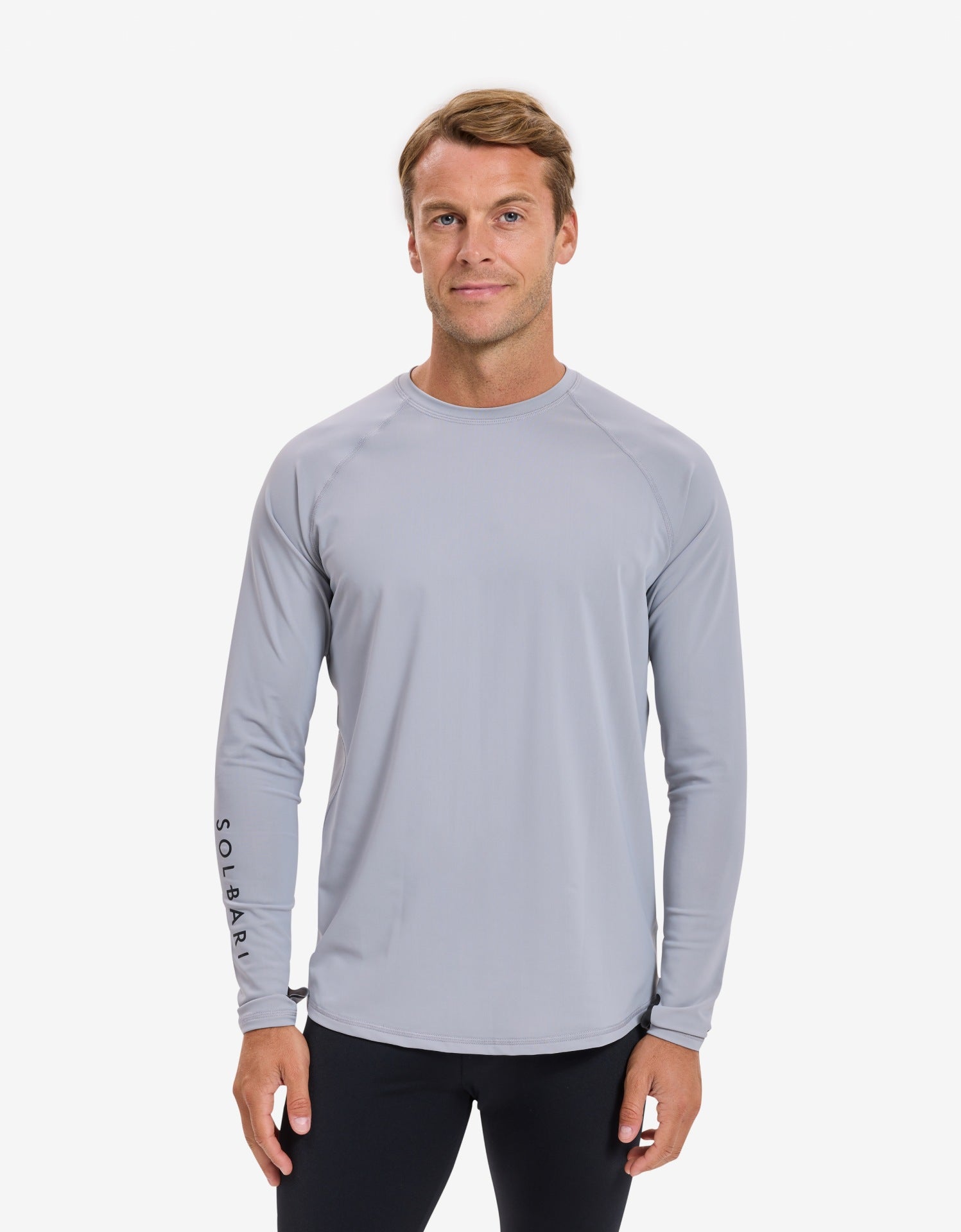
The rash guard should fit snug but not tight. It should cover your torso without restricting movement. Check the sleeves length—long sleeves protect more from the sun. Avoid loose rash guards that can cause chafing. Try different sizes to find your best fit.
Color And Design Options
Choose colors that you like and feel confident wearing. Dark colors hide stains better but can attract more heat. Bright colors improve visibility in water for safety. Simple designs suit casual wear and active sports. Pick patterns that match your style and mood.
Credit: www.solbari.com
Wearing Rash Guards For Water Sports
Rash guard shirts are essential for many water sports. They protect your skin from sunburn, rashes, and cuts. Wearing one can make your time in the water more comfortable and safe. Different sports need different ways to wear rash guards. Here’s how to wear them for popular water activities.
Layering For Surfing
Surfing needs both warmth and protection. Use a thin rash guard under your wetsuit. It stops chafing from the wetsuit’s rough material. When the water is warm, wear just the rash guard. It shields your skin from the sun and surfboard wax. Choose a tight fit to avoid wrinkles and drag.
Protection For Paddleboarding
Paddleboarding exposes you to long sun hours. A long-sleeve rash guard offers great sun protection. Pick one with UV protection to keep your skin safe. The shirt should be lightweight and quick-drying. This keeps you cool and comfortable during your trip. Loose rash guards can get caught or slow you down.
Gear For Snorkeling And Diving
Snorkelers and divers face rough coral and sea creatures. A rash guard guards your skin from scratches and stings. Use a snug rash guard under your wetsuit for extra warmth. Choose darker colors to avoid scaring fish. The fabric should dry fast and resist saltwater damage.
Casual Styling With Rash Guards
Rash guards are not only for water sports. They make great casual wear too. Their snug fit and sleek design bring a sporty vibe to everyday outfits. Styling a rash guard casually offers comfort and style in one package. Here are easy ways to wear them outside the beach or pool.
Pairing With Shorts And Swimwear
Combine a rash guard with board shorts for a relaxed look. Choose shorts in neutral or matching colors. Swim trunks also work well with rash guards for quick beach trips. This combo balances comfort and style effortlessly. It keeps you ready for water or casual hangouts.
Accessorizing For A Sporty Look
Add simple accessories to enhance the sporty feel. A baseball cap or sunglasses fit well. Keep jewelry minimal to maintain the active vibe. Sneakers or slip-ons complete the outfit without overdoing it. These small touches make the rash guard look intentional and cool.
Transitioning From Beach To Street
Wear your rash guard with casual pants or jeans to go beyond the beach. Layer it under a light jacket or hoodie for cooler days. This makes the rash guard suitable for street style. It blends sporty and casual without losing comfort. Perfect for quick errands or casual meetups.
Credit: swimzip.com
Maximizing Comfort And Function
Maximizing comfort and function with a rash guard shirt makes your experience better. The right fit and material help you stay cool and protected. Choosing a rash guard that works well can keep you dry and safe from the sun. Proper care also keeps the shirt lasting longer and feeling good.
Moisture Wicking And Breathability
Rash guards must pull sweat away from your skin. Moisture-wicking fabric dries quickly and stops chafing. Breathable materials let air flow to keep you cool. This helps avoid overheating during active water sports or workouts. Choose a rash guard with mesh panels for extra airflow.
Sun Protection Features
Many rash guards offer built-in sun protection. Look for a shirt with UPF rating to block harmful rays. Long sleeves add more coverage for arms and shoulders. A high collar protects your neck from sunburn. Wearing a rash guard reduces the need for extra sunscreen on covered areas.
Care And Maintenance Tips
Rinse your rash guard with cold water after use. Avoid harsh detergents that damage the fabric's stretch. Hand wash or use a gentle cycle in the washing machine. Air dry flat to keep its shape and elasticity. Proper care prevents fading and extends the life of your rash guard.
Rash Guards For Fitness And Training
Rash guards are not only for water sports. They work well in fitness and training too. These shirts help you stay comfortable and protected during workouts. Their design supports movement and keeps your skin safe.
Many athletes wear rash guards for gym sessions and training routines. The material is light and quick to dry. It also helps reduce skin irritation from friction or equipment.
Using Rash Guards In Gym Workouts
Wear a rash guard under your workout clothes. It keeps sweat away from your skin. The tight fit reduces chafing during exercises. You can use it for weightlifting, running, or yoga. It also helps keep muscles warm.
Compression Benefits
Rash guards often have compression features. Compression supports your muscles and improves blood flow. This can reduce soreness after workouts. It helps your body recover faster. The snug fit also improves posture and movement.
Combining With Athletic Apparel
Rash guards match well with many sports clothes. Pair them with shorts, leggings, or joggers. Choose colors that fit your style. Layering rash guards under tank tops works great for extra support. They add a sleek, sporty look to your outfit.
Frequently Asked Questions
What Is The Best Way To Wear A Rash Guard Shirt?
Wear a rash guard snugly to protect skin and enhance comfort. Pair it with swimwear or activewear. Ensure it fits well without restricting movement for optimal performance.
Can Rash Guard Shirts Be Worn Casually?
Yes, rash guards can be styled casually with shorts or jeans. Choose neutral colors and pair with sneakers for a sporty look. They offer comfort and sun protection for everyday wear.
How Do I Choose The Right Size Rash Guard?
Measure your chest and waist before buying. Rash guards should fit snugly but not be too tight. Check size charts provided by brands for the best fit.
Are Rash Guard Shirts Good For Sun Protection?
Yes, most rash guards provide UPF 50+ sun protection. They shield your skin from harmful UV rays. Always check product details to confirm sun protection levels.
Conclusion
Wearing a rash guard shirt keeps you comfortable and protected. Pair it with shorts or swimwear for a casual look. Choose the right size to avoid tightness or looseness. Remember to rinse it after use to keep it fresh. Whether surfing, swimming, or hiking, rash guards work well.
They dry quickly and block the sun’s rays. Try different colors and styles to find what suits you. Keep these tips in mind to enjoy your rash guard shirt fully. Simple, practical, and ready for any outdoor adventure.
