

How to Wash Gym Clothes That Smell: Ultimate Odor Removal Guide
Most people love the feeling after a good gym session, but the smell that stays on workout clothes is a different story. Even after washing, those sweaty odors can stubbornly remain. If you’ve ever pulled a clean shirt from the dryer and noticed a lingering sour or musty scent, you’re not alone.
Gym clothes can be tricky to wash because they’re made from special fabrics, and sweat can soak deep into the fibers. However, with the right steps, it’s possible to get your gym clothes truly fresh—no matter how intense your workout.
This guide explains exactly how to wash gym clothes that smell, using proven tips, easy routines, and a few tricks that many beginners miss. You’ll learn not just how to wash, but how to prevent the smells from coming back, and how to keep your activewear in top condition for longer.
Let’s get started on making your next workout as fresh as your cleanest t-shirt.
Why Do Gym Clothes Smell So Bad?
It seems simple: you sweat, your clothes stink. But there’s more to it. Workout gear is often made from synthetic fibers like polyester, nylon, or spandex. These materials are great for wicking moisture away from your skin and helping you stay cool. The problem? They also trap sweat, body oils, and bacteria deep inside the fibers.
Sweat itself doesn’t have much odor. The smell comes from bacteria breaking down proteins in your sweat. When you toss your sweaty gym clothes into a laundry basket (especially if they stay damp for hours), bacteria multiply quickly. Over time, even washing with regular detergent may not remove these bacteria and oils, leaving a musty odor that’s hard to ignore.
Key reasons gym clothes smell:
- Synthetic fabrics hold onto oils and bacteria.
- Sweaty clothes left in bags or hampers stay damp, giving bacteria time to grow.
- Regular laundry routines may not break down sweat or remove bacteria fully.
- Fabric softener can make things worse by coating fibers, trapping smells inside.
Understanding these causes is the first step to solving the problem for good.
What Makes Washing Gym Clothes Different?
Washing gym clothes isn’t like washing jeans or cotton t-shirts. The fabrics are delicate, and the way they trap sweat requires a different approach. Let’s look at why:
- Synthetic fibers: These are designed to move sweat away from your skin, but their structure also holds onto oils and bacteria. Regular detergents can struggle to reach deep inside these fibers.
- Elasticity and fit: Gym wear is tight and stretchy, so harsh washing or heat can damage the fit.
- Color and logos: Many athletic brands use bright colors, prints, or reflective logos, which can fade or peel with the wrong detergent or temperature.
- Odor build-up: Even clean-looking clothes can develop a “permastink” over time if you don’t wash them properly.
To keep your activewear looking and smelling great, you’ll need some special steps—let’s break them down.
Step-by-step: How To Wash Gym Clothes That Smell
A good washing routine is about more than just throwing clothes in the machine. Each step can help prevent smells and keep your gear lasting longer.
1. Don’t Let Sweat Sit
As soon as you finish working out, try to air out your clothes. If possible, hang them up to dry instead of tossing them into a hamper. Bacteria need moisture to grow, so drying your clothes quickly helps stop smells before they start.
Pro tip: If you change at the gym, pull sweaty clothes out of your bag as soon as you get home. Even a few hours in a closed gym bag is enough for odor to set in.
2. Turn Clothes Inside Out
Most of the sweat and bacteria are on the inside of your gym clothes, against your skin. Turning items inside out helps the detergent reach the dirtiest areas. It also protects the outside colors and prints from fading.
3. Pre-soak In Vinegar Or Baking Soda
For tough odors, a simple pre-soak can make a big difference. Fill a sink or bucket with cold water and add one of the following:
- 1 cup white vinegar (breaks down bacteria and neutralizes odors)
- Half a cup of baking soda (absorbs smells and softens water)
Let your gym clothes soak for 15–30 minutes before washing. If you’re dealing with extra-strong odors, you can soak them for up to an hour, but don’t leave them overnight—this can damage some fabrics.
4. Use The Right Detergent
Most regular laundry detergents are made for cotton, not synthetics. They may not remove oils and bacteria trapped in your gym clothes.
Look for:
- Detergents labeled for “sportswear” or “activewear”
- Enzyme-based detergents (break down sweat and body oils)
- No added fabric softener or bleach
Powder and liquid detergents can both work well, but avoid using more than recommended—extra detergent can actually trap smells by leaving residue on your clothes.
5. Wash In Cold Water
Hot water can break down stretchy fibers and cause colors to fade. Cold water is best for most gym clothes. It’s also better for the environment and can save on your energy bills.
If your clothes are especially dirty or you’ve had a skin infection, you can use warm water occasionally, but avoid hot cycles.
6. Choose The Right Cycle
Select a gentle or delicate cycle on your washing machine. This protects the stretch and fit of your workout gear, while still getting it clean.
If you have a machine with a “sportswear” or “activewear” setting, use that—it’s designed for these fabrics.
7. Skip Fabric Softener
Fabric softeners coat fibers to make them feel smooth. But on gym clothes, this coating can trap sweat, oil, and bacteria, making odors even worse. Over time, it can also stop your clothes from wicking moisture properly.
If you want to soften your gym wear, add half a cup of white vinegar to the rinse cycle instead.
8. Air Dry Whenever Possible
Heat from the dryer can break down elastic fibers, making your clothes lose their shape faster. It can also “set” any remaining odors, making them harder to remove.
Hang your gym clothes to dry on a rack or clothesline. If you must use a dryer, choose the lowest heat setting and remove clothes while they’re slightly damp.
9. Store Gym Clothes Properly
Once dry, store your gym gear in a cool, dry place. Avoid packing them tightly in drawers or bags, as this can trap moisture and odors.
Bonus tip: If you need to keep used gym clothes in your bag for a few hours, use a breathable laundry bag instead of plastic to help them air out.
Comparing Detergents For Gym Clothes
Not all detergents are equal when it comes to removing sweat smells from synthetic fabrics. Here’s a look at how some common options stack up for odor removal, fabric care, and cost.
| Detergent Type | Odor Removal | Fabric Care | Cost |
|---|---|---|---|
| Regular Laundry Detergent | Moderate | Good for cotton, less for synthetics | Low |
| Sports/Activewear Detergent | High | Excellent for synthetics | Medium-High |
| Enzyme Detergent | High | Good for all fabrics | Medium |
| Homemade (Vinegar/Baking Soda) | Moderate | Gentle | Very Low |
Key insight: Sports-specific and enzyme detergents are your best bet for stubborn odors, especially if you wear a lot of synthetic fabrics.
Mistakes To Avoid When Washing Smelly Gym Clothes
Many people make these common mistakes, which can leave gym clothes smelling even after washing:
- Using too much detergent: Extra soap doesn’t mean extra clean. It can leave residue that locks in smells.
- Adding fabric softener: As explained above, it can make odors worse and harm moisture-wicking ability.
- Washing with towels or heavy fabrics: Towels shed lint and can trap dirt, making it harder for your workout clothes to get clean.
- Leaving clothes wet in the washer: Remove items as soon as the cycle ends. Wet laundry left in the machine is a perfect place for bacteria to grow.
- Washing in very hot water: Damages elastic fibers and can “set” odors.
- Storing damp clothes: Always dry completely before putting them away.
- Ignoring stains or buildup: Sweat stains and deodorant marks need extra attention—pretreat before washing.
Avoiding these mistakes can make a big difference in how your gym clothes smell and how long they last.
Simple Natural Solutions For Stubborn Odors
If your gym clothes still smell after washing, try these natural odor-fighting tricks:
Vinegar Rinse
Add half a cup of white vinegar to the rinse cycle. Vinegar neutralizes odors and helps break down detergent residue. Don’t worry, the vinegar smell disappears as your clothes dry.
Baking Soda Boost
Sprinkle half a cup of baking soda into the wash cycle with your detergent. Baking soda absorbs odors and softens water, helping your detergent work better.
Sunlight Exposure
After washing, hang your gym clothes outside in direct sunlight if possible. Sunlight naturally kills bacteria and freshens fabric. Just avoid leaving bright colors out too long, as they may fade.
Essential Oil Spray
If you want a fresh scent, mix a few drops of tea tree or lavender oil with water in a spray bottle and mist your clothes lightly before wearing. Tea tree oil is a natural antibacterial, but always spot-test first to avoid staining.
Preventing Odor Build-up In Gym Clothes
The best way to deal with smelly gym clothes is to stop the smells before they start. Here’s how you can do that:
- Shower and dry off before workouts if possible—less sweat and oil gets trapped in your clothes.
- Change out of workout gear right after exercise to prevent bacteria growth.
- Wash gym clothes after each use—don’t re-wear without washing, even if they “seem” clean.
- Keep your gym bag clean—wipe it down weekly with an antibacterial spray or wipes.
- Use laundry boosters (like vinegar or baking soda) regularly, not just when there’s a problem.
- Rotate your gym outfits—giving clothes time to fully air out between wears helps keep odors away.
- Avoid overfilling the washer—crowded loads don’t get as clean.
Staying ahead of the smells saves you time and money in the long run.
Washing Gym Shoes And Accessories
Don’t forget your shoes, socks, hats, and other accessories—they can hold odors too.
Gym Shoes
- Remove insoles and laces.
- Wash insoles by hand with soapy water and let them dry completely.
- Wipe the inside of shoes with a cloth dipped in water and a little vinegar.
- Air-dry shoes in a well-ventilated area—don’t use a hot dryer.
Tip: Sprinkle baking soda inside shoes overnight to absorb odors.
Socks, Headbands, And Gloves
- Wash after each use.
- Follow the same washing steps as for gym clothes.
- Air dry to keep elastic fibers in good shape.

Credit: laundrysauce.com
Special Care For Different Gym Fabrics
Not all workout clothes are made the same. Here’s how to care for the most common materials:
| Fabric | Typical Use | Washing Tip | Drying Tip |
|---|---|---|---|
| Polyester | Most athletic shirts, shorts, leggings | Cold water, sports detergent | Air dry |
| Nylon | Compression gear, underwear | Delicate cycle, avoid bleach | Air dry |
| Spandex/Elastane | Yoga pants, fitted tops | Hand wash or gentle cycle | Air dry, avoid wringing |
| Merino Wool | Base layers, socks | Wool detergent, cool water | Lay flat to dry |
Always check the care label for specific instructions—some high-end brands have special coatings or fabric blends.
Signs It’s Time To Replace Gym Clothes
Even with the best washing routine, gym clothes don’t last forever. Here are signs that it’s time to buy new gear:
- Permanent odors: If smells won’t go away even after deep cleaning, bacteria may be trapped for good.
- Loss of stretch or shape: Clothing that sags, bunches, or feels loose won’t support you during workouts.
- Fading, cracking, or peeling logos: Indicates fabric is breaking down.
- Visible wear or holes: Thin spots or holes mean it’s time for a replacement.
On average, well-cared-for workout clothes should last about 6–12 months of regular use.
Environmental Impact: Washing Gym Clothes Responsibly
Washing synthetic gym clothes can release microplastics into the water system. These tiny fibers are not filtered out by standard water treatment plants and can harm the environment.
What Can You Do?
- Wash full loads: Reduces the number of cycles and microplastics released.
- Use a Guppyfriend bag or similar filter: These catch microfibers during washing.
- Air dry: Saves energy and reduces fiber breakage.
- Choose eco-friendly detergents: Some brands are designed to be biodegradable and gentle on water systems.
For more information on microplastics and laundry, you can visit the National Geographic website.
How Often Should You Wash Gym Clothes?
It’s tempting to re-wear a shirt or pair of shorts if they don’t “look” dirty, but with gym clothes, sight isn’t enough. Sweat, oils, and bacteria build up after just one workout.
General guidelines:
- Shirts, sports bras, underwear, socks: Wash after every use.
- Shorts, leggings, pants: Wash after every use, especially for intense workouts. If lightly used, you may get a second wear but only if air-dried quickly.
- Jackets, hoodies: Wash every 3–5 wears, unless soaked in sweat.
Letting gym clothes air out between wears can help, but regular washing is the best way to prevent smells and bacteria.
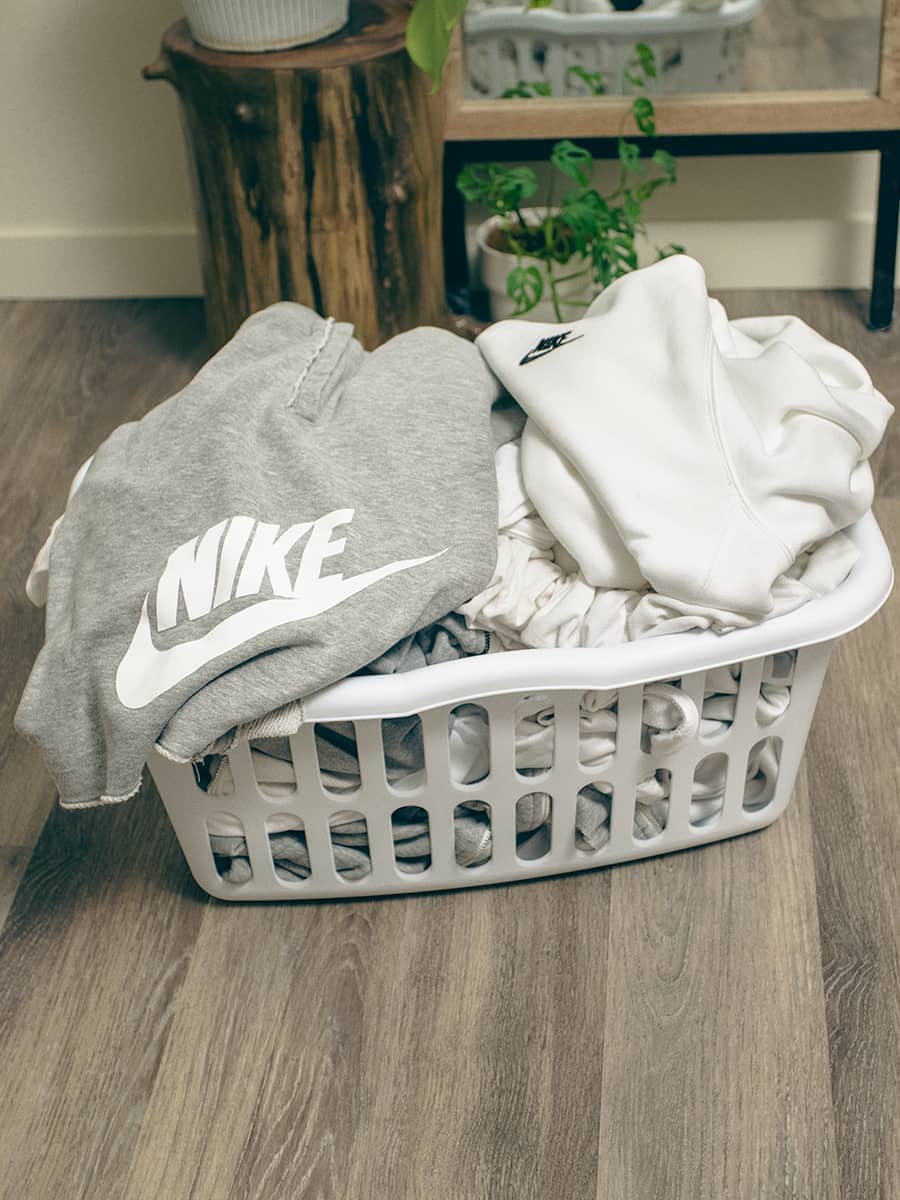
Credit: www.nike.com
Quick Reference: Gym Clothes Washing Routine
Here’s a fast checklist to keep handy:
- Air out sweaty clothes right away
- Turn inside out
- Pre-soak if needed (vinegar or baking soda)
- Use sports detergent
- Wash in cold water on gentle/delicate cycle
- Skip fabric softener
- Air dry
- Store dry and loosely
Following this routine keeps your gym clothes fresher and helps them last longer.
Advanced Tips For Extra-stubborn Smells
Sometimes, even after following the best routine, a strong odor remains. Here’s what to do:
Enzyme Cleaner Soak
Buy an enzyme cleaner (sold in pet stores or the cleaning aisle). These products break down organic material like sweat and oil. Dilute according to the label and soak your clothes for 30–60 minutes before a normal wash.
Double Wash Method
If you have a heavy odor problem, run your gym clothes through two back-to-back wash cycles—first with vinegar (no detergent), then with detergent in the second cycle.
Washing Machine Maintenance
A dirty machine can make your clean clothes smell bad. Once a month, run an empty cycle with hot water and 1 cup of vinegar, or use a washing machine cleaner. Wipe down the door seal and detergent drawer.
Avoid Overcrowding Loads
Washing too many items at once means water and detergent can’t reach every part of your clothes. For best results, keep loads small and clothes loose.
Comparing Gym Clothes Vs. Regular Clothes: Washing Needs
It’s helpful to see how washing needs differ between your workout gear and regular clothes:
| Feature | Gym Clothes | Regular Clothes (Cotton, Jeans, etc.) |
|---|---|---|
| Washing Temperature | Cold | Warm/Hot (if needed) |
| Detergent Type | Sports/Enzyme Detergent | Regular Detergent |
| Fabric Softener | Never | Optional |
| Drying Method | Air Dry | Machine Dry (if safe) |
| Frequency | After every wear | After a few wears (if not soiled) |
Understanding these differences helps prevent damage and keeps both types of clothing in the best shape.
Frequently Asked Questions
How Do I Get The Sweat Smell Out Of Gym Clothes Without Washing?
If you can’t wash right away, air out your clothes as soon as possible. You can spray lightly with a mix of water and a few drops of tea tree oil or white vinegar to help kill bacteria and reduce odor.
However, this is only a temporary fix—washing is needed to fully remove sweat and bacteria.
Can I Use Bleach On My Gym Clothes?
Bleach is usually too harsh for most synthetic gym fabrics. It can damage fibers, fade colors, and sometimes make odors worse by breaking down the material. Stick to enzyme-based or sports detergents, and use vinegar or baking soda for extra odor control.
Why Do My Gym Clothes Still Smell After Washing?
This often happens if sweat and oils are trapped deep in the fibers, or if detergent residue builds up. Try pre-soaking in vinegar, using a sports detergent, and avoid fabric softener. Clean your washing machine regularly and avoid overcrowding loads.
Is It Okay To Wash Gym Clothes With Regular Laundry?
It’s best to wash gym clothes separately, especially from towels or heavy cottons. This prevents lint transfer, lets you use the right settings for synthetics, and helps your detergent work more effectively on odors.
What’s The Best Way To Dry Gym Clothes?
Air drying is the safest way. It prevents heat damage and helps clothes keep their shape. If you must use a dryer, use the lowest heat setting and remove clothes while still slightly damp.
Keeping your gym clothes fresh doesn’t have to be a struggle. With these tips, you can finally say goodbye to stubborn smells and enjoy your workouts with confidence—knowing your gear is as clean as it looks.

Credit: washroomlaundry.com
