

How to Style Business Casual Men: Expert Tips for a Sharp Look
How To Style Business Casual Men
Looking sharp at work is easier than ever, but getting business casual right can still feel confusing for many men. There’s no single “uniform,” and rules change depending on your office, industry, and even the day of the week. If you want to stand out for the right reasons, you need to understand what business casual really means—plus how to build outfits that look professional, comfortable, and stylish.
Whether you’re starting your first job or just want to refresh your look, this guide will help you master business casual for men with simple, practical advice.
What Is Business Casual?
The term business casual gets thrown around a lot, but its meaning isn’t always clear. It’s not a suit-and-tie look, but it’s also not jeans and a t-shirt. Business casual is a middle ground. You dress professionally, but with less formality and more comfort.
Most business casual outfits include:
- Collared shirts (like button-downs or polos)
- Dress pants or chinos
- Closed-toe shoes (loafers, brogues, or dress boots)
- A blazer or sweater (optional, depending on weather or workplace)
What’s usually not business casual? Jeans with holes, sneakers, flashy T-shirts, shorts, or anything you’d wear to the gym. However, some companies allow clean, dark jeans or stylish sneakers. Always check your company’s dress code first.
Core Pieces For Business Casual Men
To build a wardrobe that works, you need a few key items. These pieces mix and match well, so you can create different outfits without buying too many clothes.
Shirts
The shirt is often the first thing people notice. Go for collared shirts—they look professional and fit the business casual style.
- Button-down shirts: Solid colors like white, light blue, or pale pink are versatile. Subtle patterns (like checks or stripes) also work.
- Polos: Great for warmer days or relaxed offices. Choose ones without logos or flashy designs.
- Oxford shirts: Slightly thicker, with a softer collar. They’re easy to dress up or down.
Avoid shirts with bold prints, loud colors, or short sleeves (unless it’s a polo).
Pants
Dress pants and chinos are the backbone of business casual. They’re comfortable, stylish, and fit most offices.
- Chinos: These cotton pants come in many colors. Navy, khaki, and gray are safe choices.
- Dress pants: Wool or blended fabrics look sharp. Stick to neutral shades.
Skip pants with cargo pockets, flashy stitching, or wild colors. If your workplace allows jeans, choose dark, slim-fit styles.
Shoes
Shoes can make or break your look. Choose styles that are clean, classic, and comfortable.
- Loafers: Easy to slip on and go with almost any outfit.
- Brogues: Dressier, with decorative perforations.
- Derby shoes: Simple and professional.
- Chelsea boots: Stylish and good for colder months.
Avoid running shoes, sandals, or anything too casual. Make sure your shoes are clean and polished.
Blazers And Jackets
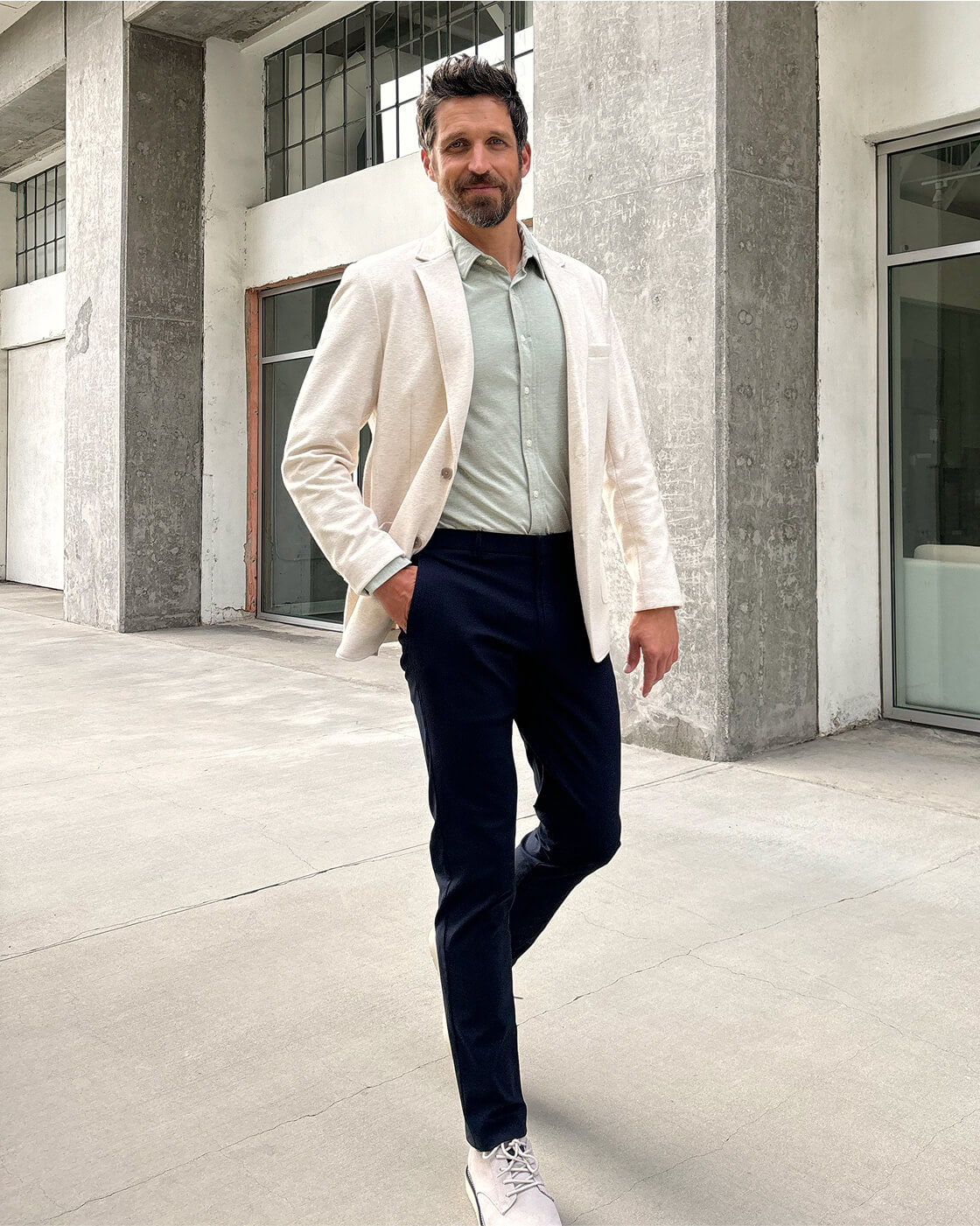
A blazer adds instant polish. You don’t always need one, but it’s good for meetings or chilly days.
- Navy or gray blazers: These colors pair well with most shirts and pants.
- Unstructured blazers: Softer, less formal, but still professional.
For more relaxed offices, a simple cardigan or sweater works too.
Accessories
Accessories are small details that can elevate your outfit.
- Belts: Choose leather in black or brown.
- Watches: A classic watch looks professional.
- Socks: Stick to dark, solid colors or subtle patterns.
Avoid flashy jewelry, big logos, or anything distracting.

Credit: www.youtube.com
Building Business Casual Outfits
Now that you know the basics, let’s see how to combine them. Mixing and matching is key—most pieces work together, so you can create many different looks.
Classic Outfit Examples
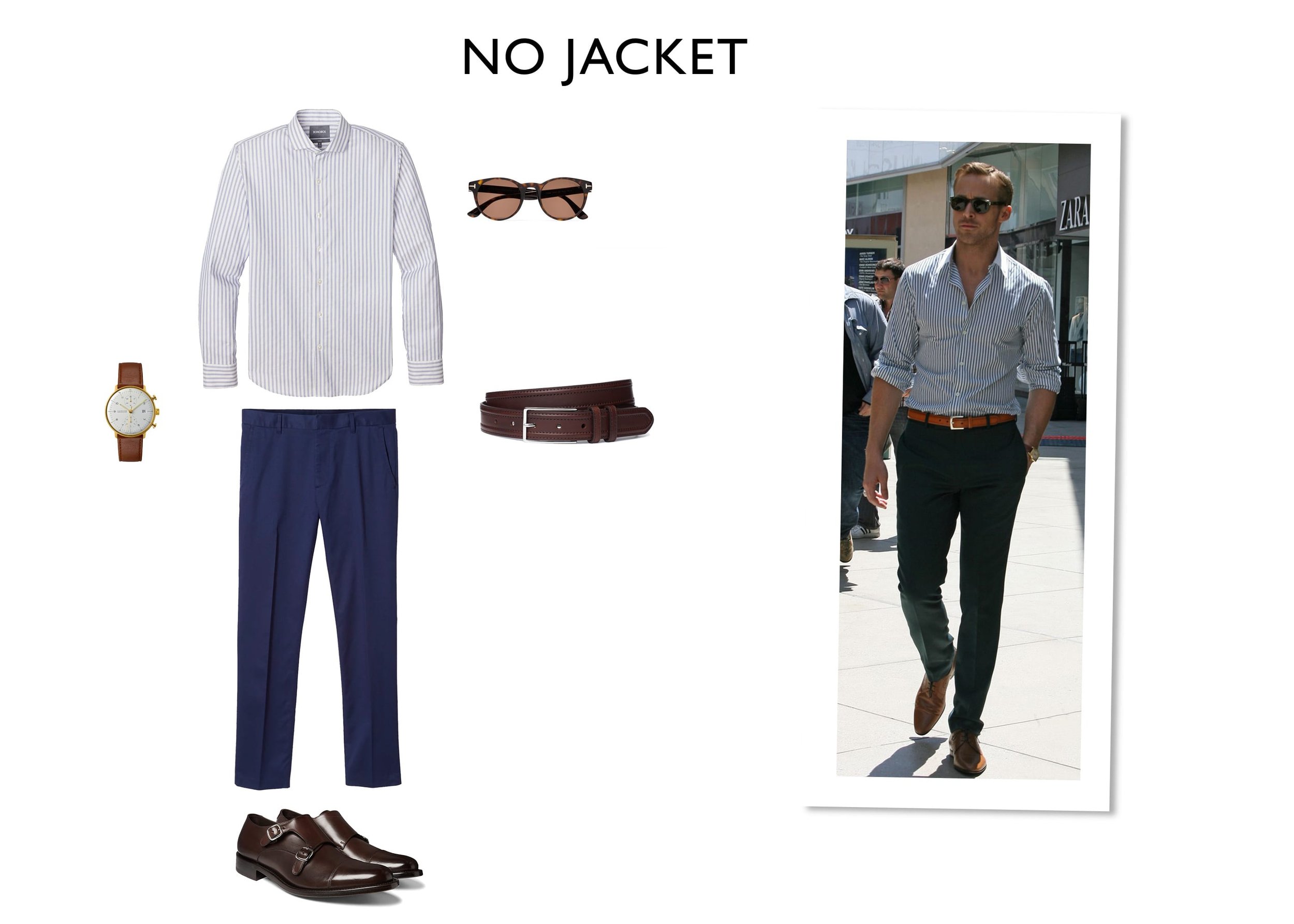
- Light blue button-down shirt + navy chinos + brown loafers + brown leather belt
- White Oxford shirt + gray dress pants + black derby shoes + gray blazer
- Pale pink button-down + khaki chinos + tan brogues + navy cardigan
Each outfit fits business casual, but you can adjust colors and details to match your personality.
Layering For Different Seasons
Layering helps you stay comfortable and stylish all year.
- Spring/Summer: Stick to lightweight fabrics. Pair polos or button-downs with chinos and loafers.
- Fall/Winter: Add a sweater or blazer. Wool pants, Chelsea boots, and darker colors work well.
If your office is cold, keep a blazer or cardigan handy. In warm climates, roll up your sleeves or choose breathable fabrics.
Combining Colors
Business casual doesn’t mean boring colors. You can add personality with smart color choices.
- Stick to neutral colors (navy, gray, khaki, white) for main pieces.
- Add a pop of color with a shirt or accessories.
- Avoid mixing too many bold colors at once.
Here’s a simple color matching guide:
| Pants Color | Shirt Color | Blazer Color |
|---|---|---|
| Navy | White, Light Blue, Pink | Gray, Navy |
| Khaki | Blue, Green, White | Brown, Navy |
| Gray | Black, White, Purple | Navy, Black |
This table helps you mix and match without making mistakes.
Business Casual By Workplace
Not all offices are the same. Tech companies, finance firms, and creative agencies have different standards. Here’s how business casual varies:
Corporate Offices
Most traditional offices prefer classic business casual. Stick to button-down shirts, dress pants, and formal shoes. Blazers are often expected, and colors should stay neutral.
Tech Companies
Tech workplaces are usually more relaxed. Clean polos, dark jeans, and stylish sneakers are often allowed. Still, avoid anything too casual—no hoodies or shorts.
Creative Agencies
Creative jobs let you show more personality. Try patterned shirts, colorful socks, or unique accessories. Just keep the base professional.
Remote Work
If you work from home but need to join video calls, aim for a neat shirt and clean background. You can skip formal pants, but don’t wear pajamas or sloppy T-shirts.
Credit: www.stitchfix.com
Choosing Fabrics That Work
The fabric you choose affects comfort and appearance. Good business casual fabrics should look neat, resist wrinkles, and feel comfortable.
- Cotton: Soft, breathable, and easy to care for. Used for shirts and chinos.
- Wool: Warm and professional. Ideal for dress pants and blazers.
- Blends: Many shirts and pants mix cotton with polyester or elastane. Blends add stretch and reduce wrinkles.
- Linen: Great for summer, but wrinkles easily.
Avoid synthetic fabrics that look shiny or cheap. Always check the label before buying.
Fit Matters: How To Get It Right
Even the best clothes look bad if they don’t fit. Here’s how to make sure your business casual pieces fit well.
- Shirts: Should sit comfortably on your shoulders. Sleeves end at your wrist. No pulling at the chest or waist.
- Pants: Fit around your waist without a belt, no bunching at the ankles. Slim or straight cuts are best.
- Blazers: Should close easily. Shoulders align with yours. Sleeves stop just above your wrist.
Many men wear clothes that are too loose or too tight. If you’re unsure, visit a tailor. Small changes can make a big difference.
Business Casual Do’s And Don’ts
Mistakes happen, but you can avoid them with these simple tips.
Do’s
- Keep clothes clean and pressed
- Choose neutral colors for main pieces
- Mix and match for variety
- Pay attention to fit
- Wear proper shoes
Don’ts
- Wear gym clothes or sportswear
- Pick flashy prints or loud colors
- Skip grooming—neat hair and nails matter
- Ignore dress code rules
- Forget about accessories
One insight many beginners miss: small details (like polished shoes or a good belt) matter as much as big pieces. Another tip: updating your wardrobe doesn’t mean buying everything new—start with one or two key items.
Shopping Tips For Business Casual
Buying business casual clothes can feel overwhelming. Here’s how to shop smart.
Set A Budget
Business casual doesn’t have to be expensive. Decide how much you want to spend, then focus on essentials. You can add extra pieces later.
Prioritize Versatile Items
Choose clothes you can wear in different outfits. A navy blazer, white button-down, and gray chinos work together and with many other pieces.
Try Before You Buy
Always try clothes on. Sizes vary between brands. If shopping online, check return policies.
Look For Quality
Higher-quality clothes last longer and look better. Inspect stitching, buttons, and fabrics. Avoid items that feel flimsy.
Plan Your Wardrobe
Start with the basics, then add seasonal or trendy pieces. Here’s a simple starter wardrobe:
- 3 button-down shirts
- 2 pairs of chinos
- 1 pair of dress pants
- 2 pairs of shoes
- 1 blazer
This covers most workdays. You can add more as needed.
Credit: www.theessentialman.com
Comparing Business Casual Brands
Different brands offer different styles, prices, and fits. Here’s a comparison of popular business casual brands:
| Brand | Style Focus | Price Range | Fit Quality |
|---|---|---|---|
| Banana Republic | Classic, modern | Medium-High | Consistent, slim |
| Uniqlo | Simple, minimal | Low-Medium | Regular, slim |
| J.Crew | Trendy, versatile | Medium | Varied, tailored |
| Brooks Brothers | Traditional, formal | High | Classic, regular |
Banana Republic is great for modern basics. Uniqlo offers affordable options. J. Crew is more fashion-forward. Brooks Brothers is best for formal settings.
How To Upgrade Your Business Casual Look
If you want to look even better, focus on details and quality. Here’s how to take your business casual style to the next level.
Tailoring
Tailored clothes fit better and look more expensive. Even minor adjustments (like shortening sleeves or taking in pants) make a big difference.
Layering Smartly
Layering isn’t just for warmth. It adds depth to your outfit. Combine shirts, sweaters, and blazers in neutral colors.
Accessorizing
Small accessories show personality. Try a stylish watch, pocket square, or subtle tie. Avoid anything too bold.
Grooming
Looking polished isn’t just about clothes. Keep your hair neat, nails clean, and shoes polished. A tidy appearance makes any outfit better.
Business Casual For Special Occasions
Sometimes you need to dress up or down for work events. Here’s how to handle them:
Interviews
Aim for the formal end of business casual. Wear a button-down shirt, dress pants, and a blazer. Avoid jeans or sneakers.
Meetings
If meeting clients or managers, add a blazer or tie. Stick to classic colors and styles.
Office Parties
You can relax your look a bit. Try a patterned shirt, fun socks, or casual shoes. Just keep the base professional.
Traveling For Work
Choose wrinkle-resistant fabrics. Layer with sweaters or jackets. Comfortable shoes are a must.
Common Business Casual Mistakes
Even experienced men make mistakes. Here are some to watch out for:
- Wearing wrinkled clothes: Iron or steam shirts and pants.
- Ignoring shoe care: Dirty shoes ruin a sharp outfit.
- Mixing too many colors: Stick to two or three main colors.
- Forgetting about fit: Baggy clothes look sloppy.
- Over-accessorizing: Keep it simple.
Many beginners think accessories are optional, but a good belt or watch can make your outfit look finished. Another common oversight: using bright socks or ties that clash with the rest of the outfit.
Sustainable Business Casual Choices
More workplaces care about sustainability. You can build a business casual wardrobe that’s eco-friendly.
- Choose brands with ethical sourcing.
- Buy quality items that last longer.
- Consider second-hand stores for unique pieces.
Some companies offer recycling programs for old clothes. Check labels for organic cotton or recycled materials.
For more on sustainable fashion, see Good On You.
Business Casual For Different Body Types
Business casual works for all shapes and sizes. The key is finding clothes that flatter your body.
Slim Men
- Try fitted shirts and pants.
- Layer with sweaters or blazers for shape.
- Avoid baggy clothes.
Athletic Build
- Choose shirts with stretch.
- Straight-leg pants balance proportions.
- Blazers with structure highlight shoulders.
Larger Men
- Look for shirts with room in the chest and waist.
- Dark colors slim the silhouette.
- Avoid tight or clingy fabrics.
Fit is more important than size. Tailoring helps everyone look their best.
Seasonal Business Casual Guide
Your wardrobe should adapt to the season. Here’s what to wear throughout the year.
| Season | Recommended Fabrics | Key Pieces |
|---|---|---|
| Spring | Cotton, lightweight wool | Button-downs, chinos, light blazer |
| Summer | Linen, breathable cotton | Polos, short-sleeve shirts, loafers |
| Fall | Wool, blends | Sweaters, dark chinos, Chelsea boots |
| Winter | Heavy wool, knit blends | Thick blazers, cardigans, dress boots |
Adjust layers and fabrics for comfort and style. Don’t forget weather-appropriate outerwear.
Simple Business Casual Capsule Wardrobe
Building a capsule wardrobe means you have fewer clothes, but each piece works with others. Here’s a sample capsule:
- 2 white button-down shirts
- 2 light blue shirts
- 2 pairs of navy chinos
- 1 pair of gray dress pants
- 1 navy blazer
- 1 gray sweater
- 2 pairs of shoes (brown loafers, black derby shoes)
This setup covers most business casual needs. Add accessories and seasonal items as needed.
Frequently Asked Questions
What Is The Main Difference Between Business Casual And Smart Casual?
Business casual is more professional and structured, usually with dress pants, button-down shirts, and formal shoes. Smart casual allows for more relaxed pieces, like dark jeans or stylish sneakers, and often mixes formal and casual items.
Can I Wear Jeans In A Business Casual Setting?
It depends on your workplace. Some offices allow dark, clean jeans with no holes or fading. Always check the dress code. Pair jeans with a blazer or button-down shirt to keep the look professional.
Are Sneakers Acceptable For Business Casual?
Most business casual guidelines prefer loafers, brogues, or derby shoes. However, modern offices sometimes allow minimalist sneakers in neutral colors. Avoid athletic or flashy sneakers.
How Many Business Casual Outfits Do I Need?
Aim for at least five outfits to cover a workweek. A capsule wardrobe with mix-and-match pieces helps you create more combinations without buying many clothes.
What Are Some Affordable Brands For Business Casual Men?
Brands like Uniqlo, H&M, and Gap offer affordable, stylish options. For higher quality, try Banana Republic or J.Crew. Always check sales and outlet stores for deals.
Mastering business casual is about balance—looking professional but feeling comfortable and confident. By choosing the right clothes, focusing on fit and details, and adapting to your workplace, you’ll always make a strong impression. Remember, style is not about following every rule—it’s about finding what works for you and wearing it with confidence.
