

How to Style Business Casual Men: Expert Tips for a Sharp Look
How To Style Business Casual Men
Business casual is more than just a dress code. It’s a way to show professionalism while staying comfortable and confident. Many men struggle with business casual because it’s less strict than formal wear but not as relaxed as jeans and t-shirts.
Finding the right balance can make you look sharp and feel ready for any situation—whether at work, networking, or social events.
The world of business casual has evolved. Offices are less formal, but expectations for appearance are still high. You need to understand what works, what doesn’t, and how to adapt your style for different environments. This guide will help you learn how to style business casual for men, including what to wear, how to mix and match, and mistakes to avoid.
You’ll also find practical tips, useful tables, and answers to common questions. Whether you’re new to business casual or want to refine your look, this article covers everything you need.
What Is Business Casual For Men?
Business casual is a dress code that blends elements of formal and casual clothing. It’s not as stiff as a suit and tie, but it’s more polished than jeans and sneakers. Business casual is about looking neat, comfortable, and professional.
Common business casual items include:
- Dress shirts
- Polo shirts
- Chinos or dress pants
- Blazers (optional)
- Leather shoes (not sneakers)
- Belts
You’ll often see business casual in modern offices, creative agencies, and at events where a suit is not required. However, the definition can change depending on the company, country, or even industry.
Business Casual Vs. Other Dress Codes
Understanding the difference between business casual and other styles is important. Here’s a quick comparison:
| Dress Code | Main Features | Allowed Items | Not Allowed |
|---|---|---|---|
| Formal | Suit, tie, dress shoes | Suits, ties, leather shoes | Jeans, sneakers |
| Business Casual | Relaxed, professional | Dress shirts, chinos, blazers, loafers | T-shirts, ripped jeans, sneakers |
| Casual | Comfortable, informal | T-shirts, jeans, sneakers | Suits, dress shoes, ties |
Many beginners think business casual means just “no tie. ” In reality, it’s a mix of smart pieces and relaxed elements. For example, you might wear a blazer with chinos, but skip the tie.
Essential Pieces For Business Casual
Building a business casual wardrobe starts with key items. You don’t need a huge collection—just versatile pieces that you can mix and match.
Dress Shirts
A good dress shirt is the foundation of business casual. Stick to solid colors or simple patterns like stripes or checks. Avoid shirts with loud prints. Choose cotton or a cotton blend for comfort.
Tips:
- White and light blue shirts are classic and easy to pair.
- Slim or regular fit is best—avoid baggy shirts.
- Iron your shirt for a crisp look.
Chinos And Dress Pants
Chinos are more relaxed than dress pants but still look professional. Dress pants are more formal, but they fit well in business casual.
- Choose neutral colors: Navy, gray, beige, khaki.
- Avoid pants with cargo pockets or flashy details.
- The fit should be straight or slim—not too tight or too loose.
Blazers
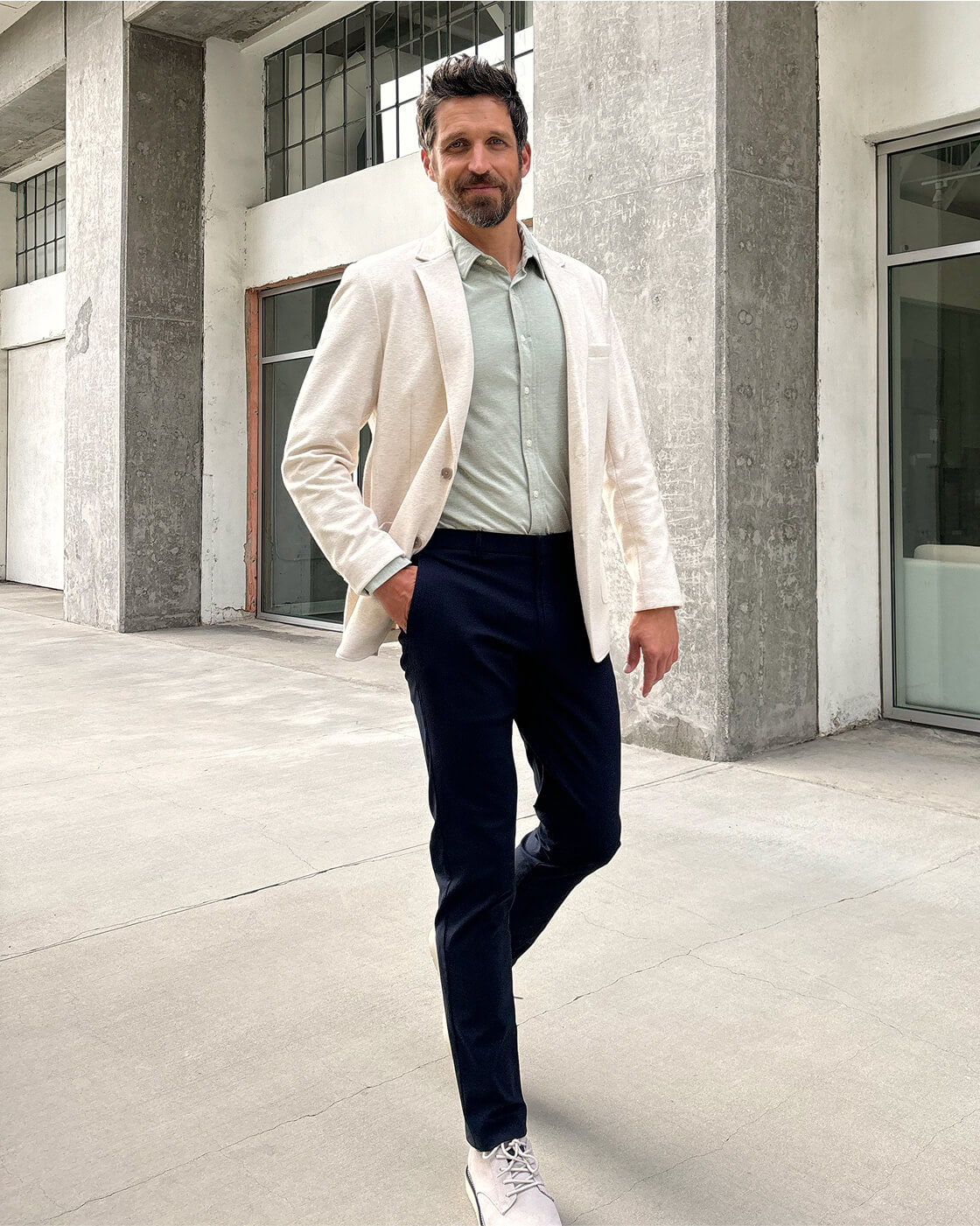
A blazer can elevate your business casual look. It’s not required every day, but it’s useful for meetings or events.
- Pick unstructured blazers for more comfort.
- Navy and gray are versatile choices.
- Avoid shiny fabrics or bold patterns.
Polo Shirts
Polo shirts are a smart alternative to dress shirts, especially in warmer weather.
- Choose high-quality cotton polos.
- Stick to solid colors or simple stripes.
- Make sure the fit is not too tight or too loose.
Sweaters And Cardigans
For colder months, a sweater or cardigan over a shirt looks stylish and professional.
- V-neck and crew-neck sweaters are both acceptable.
- Avoid hoodies or sportswear.
- Choose wool, cotton, or blends for comfort.
Shoes
Shoes are a key part of your outfit. They can make or break your business casual style.
- Leather loafers, derby shoes, or oxfords are ideal.
- Avoid sneakers, sandals, or flip-flops.
- Choose brown or black shoes for versatility.
Belts And Accessories
A simple leather belt completes your look. Accessories should be subtle—think a classic watch, no flashy jewelry.
Credit: www.stitchfix.com
How To Mix And Match Business Casual
A big advantage of business casual is flexibility. You can combine different pieces to create many outfits. Here’s how to mix and match for maximum impact.
Color Coordination
Stick to a palette of neutral colors. This makes it easier to pair items and keeps your look professional.
Examples:
- Navy chinos + white shirt + gray blazer
- Beige chinos + blue shirt + brown loafers
Avoid mixing too many bold colors. One accent piece is enough, like a burgundy sweater or green chinos.
Layering
Layering adds depth and style. Use a blazer or sweater for extra warmth and polish.
- Shirt + sweater + chinos = classic business casual
- Shirt + blazer + dress pants = more formal business casual
If you’re unsure, start with basic combinations and add layers as needed.
Patterns And Textures
You can use patterns and textures, but keep them subtle. For example, a checked shirt or a textured blazer.
- Avoid mixing too many patterns at once.
- Combine a solid shirt with patterned pants, or vice versa.
Practical Outfit Combinations
Here are three outfits you can try:
- Classic Look: White dress shirt, navy chinos, brown loafers, gray blazer.
- Relaxed Option: Light blue polo shirt, beige chinos, tan loafers.
- Winter Style: Blue dress shirt, dark gray wool sweater, black dress pants, black derby shoes.
Business Casual For Different Situations
Business casual is not the same in every office or event. Here’s how to adjust your style.
Office Environment
Some offices are stricter, others are relaxed. Look around and see what your colleagues wear.
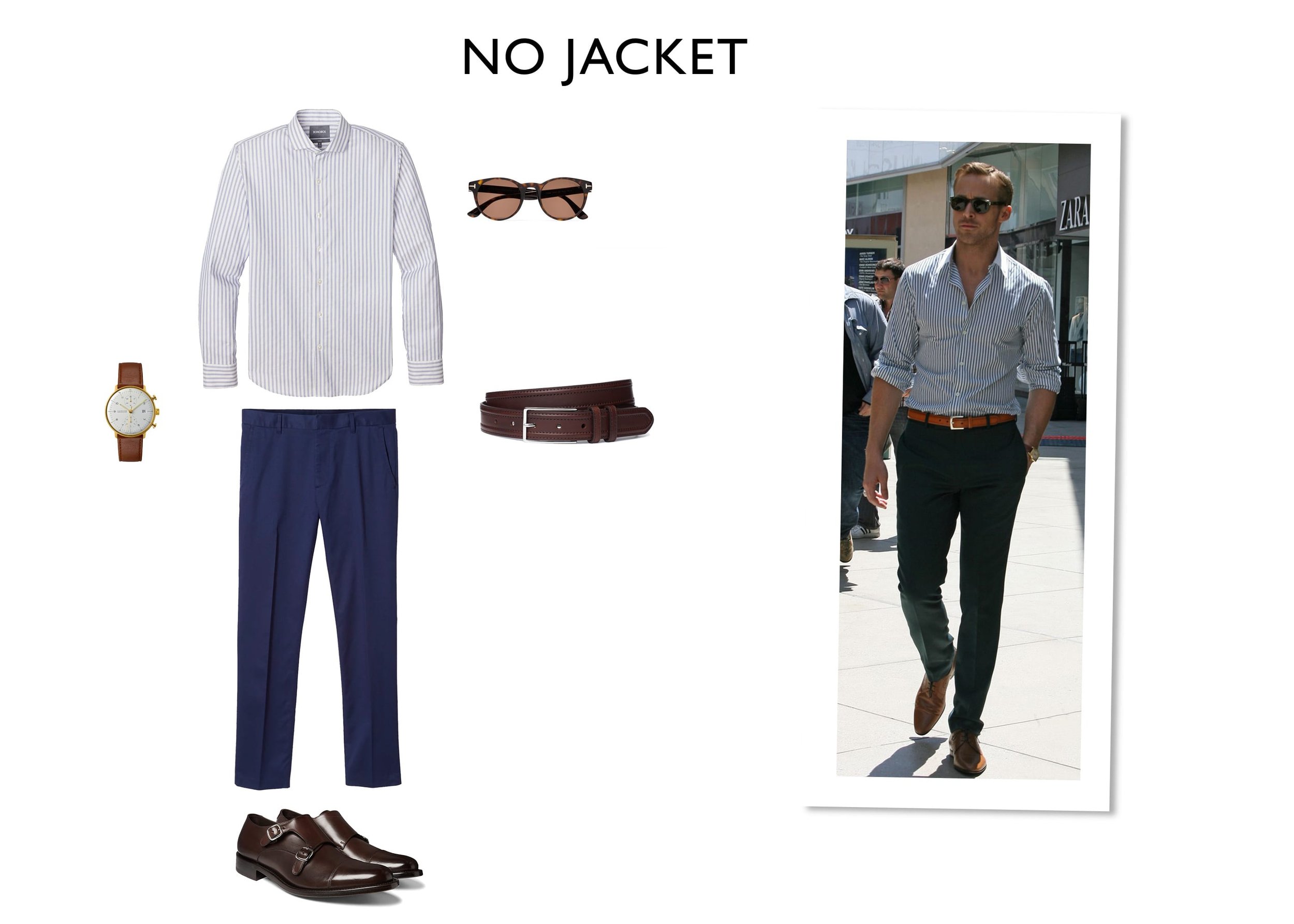
- For formal offices: Stick to dress shirts, dress pants, and blazers.
- For creative or tech offices: Polos, sweaters, and chinos are fine.
Meetings And Presentations
If you have an important meeting, dress up a bit more.
- Add a blazer or wear dress pants instead of chinos.
- Choose a clean, ironed shirt.
Networking Events
Networking is about making a good impression. Dress business casual, but add a unique touch.
- Try a patterned shirt or colorful blazer.
- Wear polished shoes.
Remote Work
Even when working from home, business casual can help you feel professional during video calls.
- Wear a collared shirt and sweater.
- Avoid t-shirts or casual hoodies.
Credit: www.theessentialman.com
Common Business Casual Mistakes
Many men make mistakes when trying to style business casual. Avoid these to keep your look sharp.
- Wearing sneakers: Even clean sneakers look too casual. Stick to leather shoes.
- Baggy or tight clothes: Fit matters. Clothes should be comfortable but not loose or tight.
- Over-accessorizing: Too many accessories distract from your look.
- Wrinkled shirts or pants: Always iron your clothes. Wrinkles look unprofessional.
- Mixing casual items: Avoid t-shirts, hoodies, or jeans unless your office allows them.
- Ignoring color coordination: Clashing colors can ruin your outfit. Stick to neutrals.
- Wearing flashy logos: Business casual is about subtlety. Avoid big logos or prints.
- Not adapting to the environment: Every company is different. Observe and adjust.
A non-obvious insight: Many men forget about their socks. Visible white sports socks can spoil a business casual look. Choose dark or neutral socks that match your pants or shoes.
Building A Business Casual Wardrobe On A Budget
You don’t need to spend a fortune to look good. With smart choices, you can build a business casual wardrobe without breaking the bank.
Start With Essentials
Buy basics that work for many outfits.
- 2-3 dress shirts (white, blue, or gray)
- 2 pairs of chinos (navy, beige)
- 1 pair of dress pants (gray or black)
- 1 blazer (navy or gray)
- 1 pair of leather shoes (brown or black)
- 1 sweater (neutral color)
This gives you plenty of combinations.
Quality Vs. Quantity
Choose quality over quantity. One well-fitted blazer is better than three cheap ones. Look for sales or second-hand stores for bargains.
Where To Shop
Many brands offer business casual clothes. Some popular places:
- Uniqlo
- Banana Republic
- Brooks Brothers
- J.Crew
You can also check online reviews or visit stores to try clothes before buying.
Comparing Budget Options
Here’s a quick comparison of budget-friendly brands:
| Brand | Price Range | Main Features | Best For |
|---|---|---|---|
| Uniqlo | Low-Mid | Simple designs, good quality | Dress shirts, chinos |
| Banana Republic | Mid | Stylish, modern fit | Blazers, dress pants |
| Brooks Brothers | Mid-High | Classic, durable | Sweaters, dress shirts |
| J.Crew | Mid | Trendy, versatile | Polo shirts, casual blazers |
Fit And Tailoring
Fit is the most important part of business casual. Even expensive clothes look bad if they don’t fit. Good fit shows you care about your appearance.
How To Check Fit
- Shoulders: The shirt seam should sit at the edge of your shoulder.
- Sleeves: Should end at your wrist, not cover your hands.
- Pants: Waist fits comfortably, no bunching. Length just touches your shoes.
Tailoring
If clothes don’t fit, take them to a tailor. Simple changes like shortening sleeves or adjusting waist size can make a big difference. Tailoring is often affordable and improves your look.
A non-obvious insight: Many men ignore tailoring for casual pieces, but even chinos or polos can be adjusted. This makes your business casual style look much more polished.
Seasonal Business Casual Styling
Your business casual outfit should change with the season. Here’s how to adapt:
Spring/summer
- Lightweight fabrics like cotton or linen
- Short-sleeve polos and dress shirts
- Light colors (white, beige, light blue)
- Loafers or dress shoes (no sandals)
Fall/winter
- Wool or thick cotton fabrics
- Sweaters, cardigans, blazers
- Darker colors (navy, black, gray)
- Leather shoes or boots
Layering is key in colder months. Always keep your look neat—avoid bulky jackets unless it’s cold outside.
Grooming And Presentation
Business casual is not just about clothes. Grooming matters too.
- Keep hair neat and tidy
- Shave or trim facial hair
- Use deodorant and light cologne (not strong scents)
- Nails should be clean and trimmed
Presentation is about details. A polished appearance makes your outfit look better.
Business Casual For Different Body Types
Every man has a unique body shape. Choose clothes that flatter your body.
Slim Build
- Slim-fit shirts and pants
- Layer with blazers or sweaters for more bulk
- Avoid oversized clothes
Athletic Build
- Regular fit shirts with stretch
- Avoid tight shirts that restrict movement
- Tailored pants
Larger Build
- Choose straight or relaxed fit
- Avoid skinny pants or shirts
- Wear dark colors for a slimming effect
A non-obvious insight: Many men with larger builds avoid blazers, but an unstructured blazer in a dark color can actually slim your appearance and add polish.
Business Casual For Travel
If you travel for work, business casual is practical and easy to pack.
Tips:
- Choose wrinkle-resistant fabrics
- Pack neutral colors for easy mixing
- Bring one blazer and two pairs of shoes
Travel-friendly brands often offer shirts and pants that stay crisp after hours in a suitcase.
Sustainable And Ethical Choices
Many brands now offer sustainable business casual clothes. Look for items made from organic cotton or recycled materials.
- Buy fewer, high-quality items
- Support brands with ethical practices
- Avoid fast fashion
Making sustainable choices is not just good for the planet—it can improve your reputation at work.
How To Transition From Formal To Business Casual
If you’re used to formal wear, moving to business casual can feel strange. Here’s how to make the change smoothly.
- Start by removing the tie but keep the blazer and dress pants.
- Swap dress pants for chinos.
- Replace formal shirts with polos or patterned dress shirts.
Over time, you’ll find what feels comfortable and professional.
Business Casual Around The World
Business casual is different in every country. For example:
- In the US, polos and chinos are common.
- In Europe, business casual is more formal—blazers and dress shirts are expected.
- In Asia, some offices prefer full dress pants and shirts, no polos.
If you travel or work in international companies, check local expectations.

Credit: www.youtube.com
Real-life Examples
Let’s look at three real-life business casual situations.
- Office Manager in New York: Wears gray chinos, white dress shirt, navy blazer, brown loafers.
- Software Engineer in California: Wears blue polo shirt, beige chinos, tan loafers—no blazer.
- Banker in London: Wears light blue dress shirt, black dress pants, gray sweater, black derby shoes.
Each adapts business casual to their environment. Notice the use of neutral colors, clean lines, and classic pieces.
Business Casual For Special Events
Some events require business casual, like company parties or dinners.
- Choose a sharp blazer or patterned shirt to stand out.
- Add a classic watch.
- Make sure shoes are polished.
Comparison: Business Casual Vs. Smart Casual
People often confuse business casual with smart casual. Here’s how they compare:
| Style | Main Features | Allowed Items | Occasions |
|---|---|---|---|
| Business Casual | Professional, relaxed | Dress shirts, chinos, blazers | Office, meetings, networking |
| Smart Casual | Trendy, more relaxed | Polo shirts, dark jeans, casual jackets | Dinners, parties, creative events |
Smart casual allows for more creativity and even dark jeans, but business casual stays closer to office standards.
Adding Your Personal Touch
Business casual lets you express your personality. Here’s how:
- Choose a unique watch or cufflinks
- Wear a patterned shirt under a solid sweater
- Pick socks with subtle designs
Small details make your outfit stand out.
Frequently Asked Questions
What Should I Never Wear In Business Casual?
You should avoid jeans, sneakers, hoodies, and t-shirts. These are too casual for business environments. Stick to dress shirts, chinos, blazers, and leather shoes.
Can I Wear Jeans In Business Casual?
Most business casual dress codes do not allow jeans. However, some modern offices accept dark, clean jeans without rips. Always check your company’s policy before wearing jeans.
Is A Tie Required For Business Casual?
A tie is not required in business casual. However, you can wear one for important meetings or events. Most business casual styles skip the tie for a more relaxed look.
How Do I Choose The Right Shoes?
Pick leather shoes like loafers, derby shoes, or oxfords. Avoid sneakers, sandals, or athletic shoes. Shoes should be clean and polished to match your professional look.
How Can I Make Business Casual More Comfortable?
Choose breathable fabrics like cotton or linen. Make sure clothes fit well—not too tight or loose. Layer with sweaters or cardigans for extra comfort. If you need more guidance, check resources like GQ for style tips.
Business casual is a smart way to show professionalism and personality. With the right pieces, fit, and attention to detail, you can build a wardrobe that works for any office or event. Remember, confidence is key—when you dress well, you feel ready for anything.
