

How to Store Dirty Gym Clothes: Easy Tips for Odor-Free Gear
How to Store Dirty Gym Clothes: The Complete Guide to Staying Fresh, Odor-Free, and Organized
Stepping out of the gym, you feel accomplished, maybe a little sore, and definitely sweaty. But what happens to your gym clothes after your workout? Tossing them into your bag or laundry basket can lead to strong odors, bacteria growth, and even ruined clothing over time.
Storing dirty gym clothes the right way is a small habit that makes a big difference in your daily life. Clean storage not only keeps your space smelling fresh but can also protect your skin and extend the life of your athletic wear.
Many people underestimate the challenges of handling sweaty workout gear. Moisture, heat, and bacteria can turn your gym bag into a breeding ground for bad smells and even mold. Whether you hit the gym every day or just a few times a week, learning how to store dirty gym clothes can save you from embarrassment and extra laundry headaches. This guide covers the smartest, simplest ways to store dirty activewear at home, at work, or on the go—so your fitness routine stays healthy and hassle-free.
Why Proper Storage Of Dirty Gym Clothes Matters
It’s easy to throw sweaty clothes in a corner and forget them until laundry day. But this habit has some hidden risks. Gym clothes trap sweat, bacteria, and skin cells. When left in a pile, these elements break down, creating strong odors and even promoting the growth of mold or mildew. Over time, this can damage fabrics and cause stains that never wash out.
Poor storage can also affect your health. Bacteria and fungi thrive in damp, warm environments. If you put on dirty, improperly stored gym clothes, you might risk skin irritation or infections like athlete’s foot. Plus, strong odors can make your home, car, or office less pleasant for everyone.
Taking a little care with your dirty gym clothes keeps your environment fresher, your skin healthier, and your favorite gear lasting longer.
Common Mistakes People Make
Many people don’t realize there’s a right and wrong way to store dirty gym clothes. Here are some of the most common mistakes:
- Storing clothes in a sealed plastic bag for hours or days. This traps moisture and accelerates bacteria growth.
- Leaving clothes in a gym bag overnight. The dark, enclosed space is perfect for odors.
- Mixing sweaty gym gear with regular laundry. This spreads bacteria and odors to clean clothes.
- Ignoring dampness. Even if clothes feel dry, sweat can stay in the fibers.
- Using a regular laundry basket without ventilation. This slows drying and creates odor problems.
Avoiding these mistakes is the first step to fresher, cleaner gym clothes every time.
Credit: www.liapllc.com
The Science Behind Sweat, Bacteria, And Odor
Sweat itself doesn’t smell bad. The odor comes from bacteria that feed on sweat and skin oils left in your clothes. When you exercise, you sweat more, and your clothes absorb moisture. Warm, dark places—like a closed gym bag or laundry basket—give bacteria the perfect environment to grow.
Most gym fabrics are made from synthetic materials (like polyester or nylon) which can hold onto odors more than cotton. These fabrics wick sweat away from your skin, but unless they dry quickly, they can start to smell much faster.
The solution: Let air flow reach your clothes as soon as possible. This slows bacteria growth and odor buildup.
Immediate Steps After Your Workout
How you handle your clothes right after your workout makes a big difference. Here’s what you should do, whether you’re at the gym, at home, or in the office:
- Remove your gym clothes as soon as possible. Don’t wait until you get home.
- Turn clothes inside out. This helps sweat and bacteria on the inside dry faster.
- Let them air out. If you can, hang your clothes on a hook, locker door, or back of a chair for at least 15–30 minutes.
- Blot with a towel if clothes are very wet. This removes extra moisture quickly.
- Pack in a breathable bag if you must carry them home. Avoid sealed plastic bags unless you have no other option.
These small habits can prevent big odor problems later.
Choosing The Right Bag For Dirty Gym Clothes
Not all gym bags are the same. The right bag can make storing dirty clothes much easier and more hygienic. Here’s how different bags compare:
| Bag Type | Breathability | Odor Control | Best Use |
|---|---|---|---|
| Mesh laundry bag | Excellent | Good | At gym, short travel |
| Plastic bag | Poor | Poor | Emergency only |
| Dedicated gym bag (with vented pocket) | Good | Excellent | Daily use |
| Reusable wet bag (waterproof, washable) | Fair | Good | Swimming, travel |
Mesh laundry bags are a favorite for many gym-goers. They allow air to flow, slowing bacteria growth. Some gym bags have special ventilated compartments for dirty clothes, which helps a lot if you can’t wash your clothes right away.
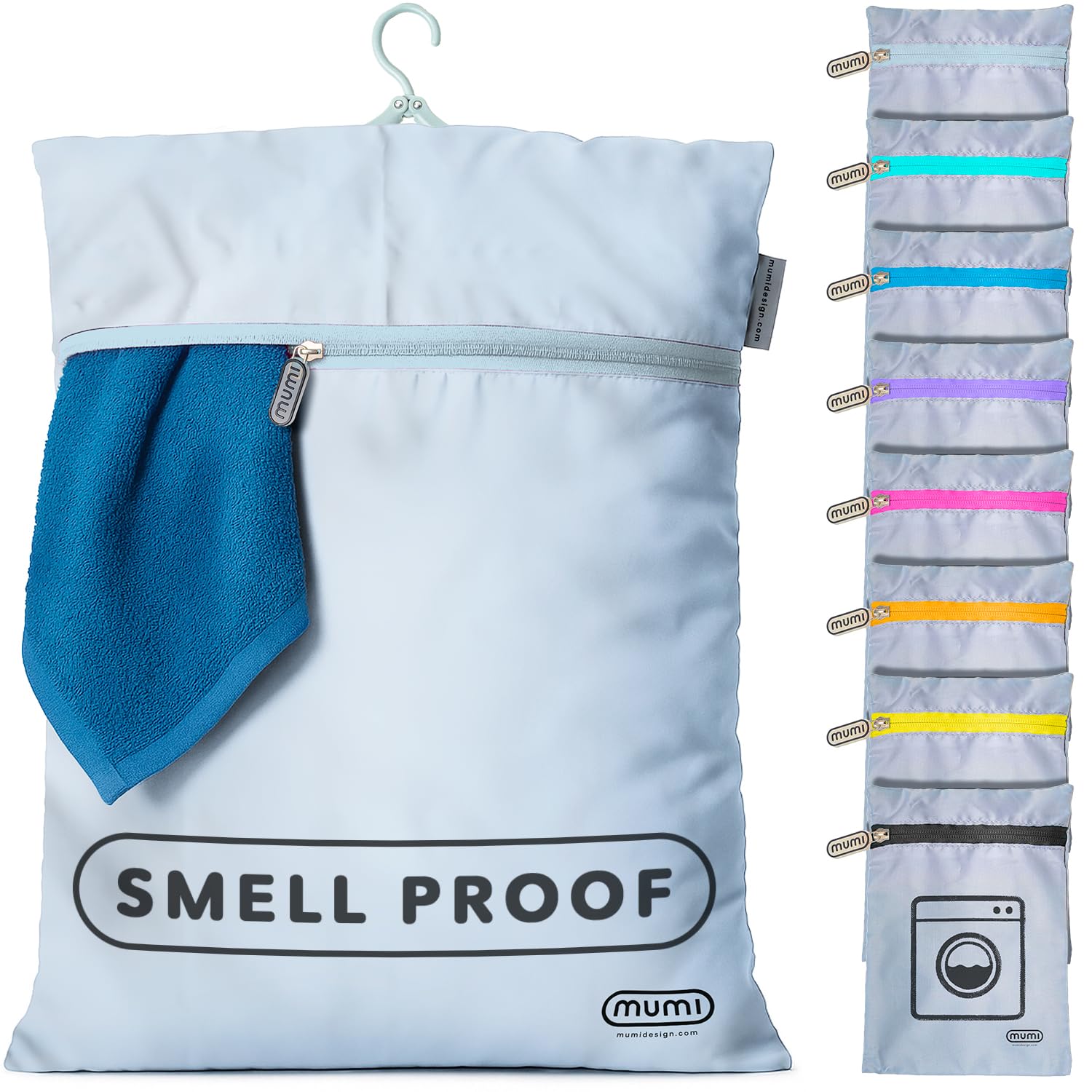
Reusable wet bags—often used for baby diapers or swimsuits—are also a good option. They keep sweat away from the rest of your belongings but should be emptied and washed as soon as you get home.
Plastic bags are easy to find, but they trap moisture and odor. Only use them if nothing else is available, and empty them as soon as possible.
Storing Dirty Gym Clothes At Home
Once you’re home, your goal should be to keep dirty gym clothes from spreading odor or bacteria to the rest of your laundry. Here’s how to store them safely:
Use A Dedicated Laundry Basket
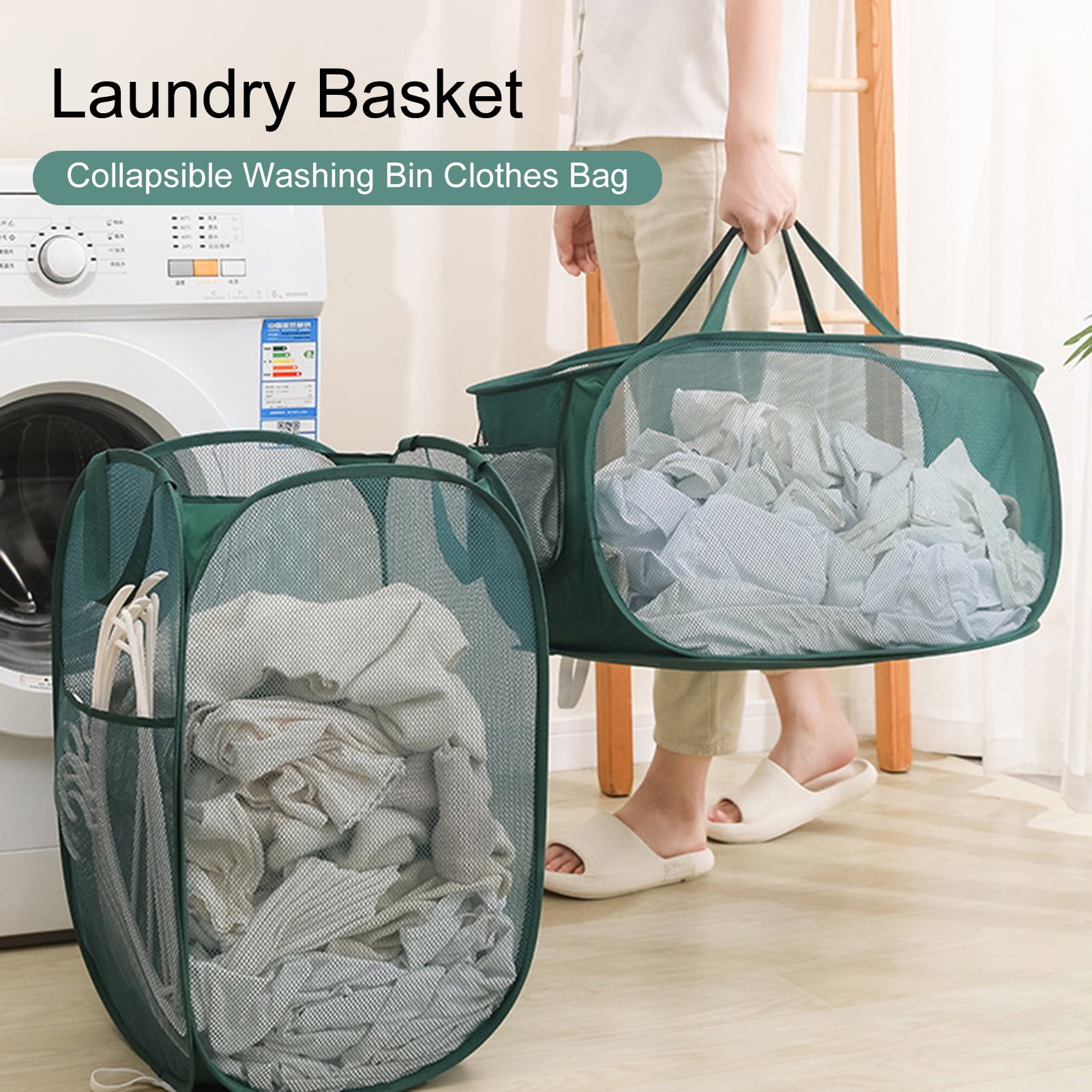
Don’t mix sweaty clothes with your regular laundry. Use a separate laundry basket that allows air to flow. Good options include:
- Mesh baskets
- Wire baskets
- Hampers with ventilation holes
Avoid solid plastic or fabric hampers that trap moisture.
Hang To Dry First
If you won’t be washing your gym clothes right away, hang them up for a few hours. This can be on a towel rack, over a shower rod, or even outside if the weather is good. Letting them dry before tossing them in the laundry basket reduces odor and stops mold.
Sprinkle With Baking Soda
For extra odor protection, sprinkle a little baking soda on your sweaty clothes before storing. Baking soda naturally absorbs moisture and neutralizes odors. Shake off excess before washing.
Keep The Storage Area Clean
Wipe down your laundry basket or storage area weekly. Bacteria and mold can grow on the basket itself, especially if you leave damp clothes inside for days.
Storing Dirty Gym Clothes At Work Or On The Go
Many people go to the gym during lunch or before/after work. If you can’t wash your clothes right away, here’s how to handle them discreetly and hygienically:
- Use a ventilated gym bag or mesh sack for sweaty clothes.
- If possible, hang your clothes to dry for a few minutes before packing them up.
- Place a dryer sheet or activated charcoal pouch in your bag to absorb odors.
- Change out of gym clothes as soon as possible—don’t sit at your desk in sweaty gear.
- Wash your gym bag every week to keep bacteria and odor under control.
Some people use reusable wet bags for extra security. Just remember to open them up and let them air out when you get home.
Handling Extra-sweaty Or Smelly Clothes
Sometimes, a hard workout leaves your clothes especially damp or smelly. These need special care:
- Rinse clothes with cold water as soon as you get home. This helps remove sweat and bacteria before they set into the fabric.
- Soak in a mix of water and vinegar for 20–30 minutes before washing. Vinegar neutralizes odors naturally.
- Pre-treat stains with a little liquid detergent or stain remover.
- Never leave soaking-wet clothes in a pile. Always hang or lay them flat until you can wash them.
If you have clothes that smell bad even after washing, try washing them with a sports detergent designed for synthetic fabrics, or add half a cup of baking soda to your wash cycle.
The Role Of Fabric And Clothing Type
Different gym clothes need different storage approaches. Here’s a quick look at how common fabrics react:
| Fabric Type | Odor Retention | Drying Speed | Best Storage Method |
|---|---|---|---|
| Polyester/nylon blends | High | Fast | Air out, wash soon |
| Cotton | Low to moderate | Slow | Hang dry, avoid piles |
| Merino wool | Low | Medium | Air out, less urgent |
| Bamboo | Low | Medium | Air dry |
Polyester and nylon are common in activewear but can hold odors if left damp. These should be dried and washed quickly. Merino wool and bamboo fabrics resist odor, so you have a bit more time before washing, but they still need air.
Always check the care label. Some fabrics can shrink or lose shape if left damp for too long.
Tips For Gym Shoes, Socks, And Accessories
Dirty gym clothes aren’t just shirts and shorts. Shoes, socks, and accessories need careful storage, too.
- Shoes: Let them air out after every workout. Remove insoles to dry faster. Use cedar shoe inserts or baking soda to absorb sweat.
- Socks: Treat like other gym clothes. Let them dry before tossing in the laundry basket.
- Headbands, hats, and gloves: Hang to dry, and wash weekly.
- Reusable water bottles: Rinse after every workout and let them air dry.
Don’t forget your gym bag itself—wash or wipe it out every week to keep it fresh.
Credit: www.amazon.com
Preventing Odor And Bacteria In The First Place
The best way to deal with dirty gym clothes is to keep them from getting too dirty or smelly. Simple habits can help:
- Wear moisture-wicking fabrics that dry fast and reduce bacteria growth.
- Shower before your workout to reduce skin bacteria.
- Use antiperspirant on sweat-prone areas (not just underarms).
- Change out of gym clothes immediately after your workout.
- Wash gym clothes as soon as possible—don’t let them sit for days.
These habits make storage and washing much easier.
How Often Should You Wash Dirty Gym Clothes?
There’s no fixed rule, but most experts recommend washing after every workout. Sweat, bacteria, and skin oils build up fast. If you must re-wear something, let it dry completely and make sure it doesn’t smell.
For items like jackets or hoodies worn over gym clothes, you can wash less often unless they get sweaty. Socks, underwear, and base layers should be washed every time.
If you work out daily, consider having extra sets of gym clothes to give each set time to dry fully between uses.
Best Products And Tools For Storing Dirty Gym Clothes
Some products can make your routine easier and more effective. Here are a few worth considering:
- Mesh laundry bags: Cheap, easy, and effective for air flow.
- Reusable wet bags: Waterproof, washable, and good for travel.
- Charcoal odor absorbers: Small pouches that pull odors out of the air.
- Spray deodorizers: For quick odor control in shoes or bags.
- Sports detergents: Designed for synthetic fabrics and tough odors.
Here’s a quick comparison of some popular solutions:
| Product | Purpose | Best For | Cost Range |
|---|---|---|---|
| Mesh laundry bag | Ventilation | Daily gym-goers | $5–$15 |
| Reusable wet bag | Moisture barrier | Travel, swimming | $8–$25 |
| Charcoal pouch | Odor absorption | Gym bags, lockers | $7–$20 |
| Sports detergent | Deep cleaning | Heavy sweaters | $10–$30 |
Choose a combination that fits your routine and budget. Even small upgrades can make a big difference.
Dealing With Shared Spaces: Dorms, Apartments, And Family Homes
If you share your living space, storing dirty gym clothes becomes even more important. Bad smells and germs can spread quickly in tight quarters.
- Use a closed, ventilated hamper to contain odors.
- Never leave sweaty clothes on the floor or furniture—this can stain and create lingering smells.
- Communicate with roommates or family about where to store gym clothes, especially if you use shared laundry areas.
- Wash clothes more often if you notice any odor spreading.
Being considerate helps everyone enjoy a fresher, cleaner home.
What About Gym Towels?
Sweaty towels can be worse than clothes when it comes to bacteria and odor. Store towels separately from your regular laundry, and let them dry before washing. If you use a towel at the gym, hang it over your shower rod or outside as soon as you get home.
Wash after every use.
For extra freshness, add a cup of white vinegar to the wash every few cycles. This helps remove built-up detergent and bacteria.
Travel And Outdoor Workouts
If you travel for work or exercise outdoors (running, cycling, hiking), you’ll need a plan for dirty clothes.
- Pack a mesh or wet bag specifically for sweaty clothes.
- Hang clothes to dry in your hotel room or car when possible.
- Use odor-absorbing pouches in your luggage.
- Wash clothes as soon as you return home.
On long trips, hand-wash clothes in the sink with a little soap and hang to dry overnight. Quick-drying fabrics are best for travel.
Two Non-obvious Tips Most People Miss
- Don’t leave gym clothes in your car. The heat and lack of air movement speed up bacteria growth and make odors much worse. Even a few hours in a hot car can create a smell that’s hard to remove.
- Label your gym clothes or bags if you share laundry space. This prevents mix-ups and helps you keep track of clean versus dirty items, especially in busy homes or dorms.
These small steps can save you time, money, and embarrassment.
How To Deep Clean Gym Bags And Storage Gear
Every few weeks, your gym bag, hamper, or mesh sack needs cleaning, too. Here’s how:
- Empty the bag completely. Shake out dirt and crumbs.
- Wipe with a disinfecting wipe or damp cloth. Focus on seams and corners.
- For fabric bags, wash in the machine if possible, or hand wash with mild soap.
- Let everything air dry fully before using again.
- Use a deodorizing spray if needed, but let the bag dry before storing clothes.
Keeping your storage gear clean is just as important as washing your workout clothes.

Credit: www.amazon.com
Eco-friendly And Sustainable Tips
Caring for your gym clothes can also be good for the planet. Here’s how:
- Wash full loads of laundry to save water and energy.
- Choose eco-friendly detergents that are tough on sweat but gentle on the environment.
- Air dry clothes instead of using a dryer when possible.
- Buy quality gym clothes that last longer and resist odor.
- Donate or recycle old gym gear instead of throwing it away.
Small choices add up to a healthier lifestyle and a cleaner environment.
Frequently Asked Questions
What Is The Best Way To Store Dirty Gym Clothes If I Can't Wash Them Right Away?
The best method is to let clothes air dry before storing. Use a mesh laundry bag or a ventilated hamper to keep air flowing. Avoid sealed plastic bags, as these trap moisture and cause odors. If you must use a plastic bag, empty and wash the clothes as soon as possible.
How Long Can I Leave Dirty Gym Clothes Before Washing?
Ideally, wash within 24–48 hours. Letting them dry first slows bacteria growth, but after two days, odors and stains become harder to remove. For best results, don’t let sweaty clothes sit for more than a day or two.
Should I Rinse My Gym Clothes After Every Workout?
Rinsing clothes with cold water helps remove sweat, bacteria, and body oils before they set into the fabric. This is especially important after very sweaty workouts. Even a quick rinse makes a big difference in reducing odor and keeping clothes fresh.
Can I Use Regular Detergent For Gym Clothes?
You can, but sports detergents are better for removing sweat and odor from synthetic fabrics. These detergents break down body oils and bacteria more effectively than standard laundry soap. For best results, use a detergent designed for athletic wear at least once a week.
What If My Gym Bag Still Smells After Cleaning?
If your bag still smells after washing, try sprinkling baking soda inside and letting it sit overnight. You can also place a charcoal pouch or dryer sheet in the bag between uses. If the odor persists, check for hidden moisture or mildew, and consider replacing the bag.
Storing dirty gym clothes doesn’t have to be a daily struggle. By making a few smart choices—and knowing what mistakes to avoid—you can keep your gear, your home, and even your gym bag fresher and healthier. For more on the science behind gym hygiene and odor control, visit the Centers for Disease Control and Prevention.
With these tips, you can focus on your fitness goals, not your laundry. Stay organized, keep things fresh, and enjoy every workout—without worrying about what happens after you leave the gym.
