

How to Smart Casual: Master Effortless Style for Any Occasion
How To Smart Casual
Smart casual is a dress code that confuses many people. It’s not formal, but it’s not completely relaxed either. You might see it on invitations, in workplaces, or at social events. But what does it really mean? And how do you actually dress smart casual without looking out of place?
The answer is simpler than most guides make it. Smart casual is about balance. It’s mixing polished pieces with comfortable items. It’s not about expensive clothes or trendy brands. It’s about looking tidy, approachable, and confident. Whether you’re heading to a dinner, a meeting, or a date, mastering smart casual helps you feel ready for any setting.
Let’s break down smart casual step by step. You’ll learn what works, what to avoid, and how to adapt it to your style, body, and situation. You’ll also see real examples, practical tips, and mistakes beginners often make. By the end, you’ll know exactly how to dress smart casual—without stress or confusion.
What Is Smart Casual?
Smart casual sits between formal wear and casual dress. It’s less strict than business attire, but more polished than jeans and a T-shirt. You aim for a neat, stylish look that’s comfortable and flexible.
Key Features
- Neatness: Clothes are clean, pressed, and fit well.
- Mixing Styles: Combine formal and informal pieces.
- Comfort: Choose items you can move and relax in.
- Personal Touch: Add color or accessories to show your style.
Smart casual adapts to many settings. In offices, it’s becoming standard. At events, it’s often requested to avoid overdressing or underdressing. The secret is understanding the environment and your own needs.
Common Misunderstandings
Many people think smart casual means “wear anything. ” Others believe it’s just business casual. Both are wrong. Smart casual is about intention. You don’t wear gym clothes, but you don’t have to wear a suit either.
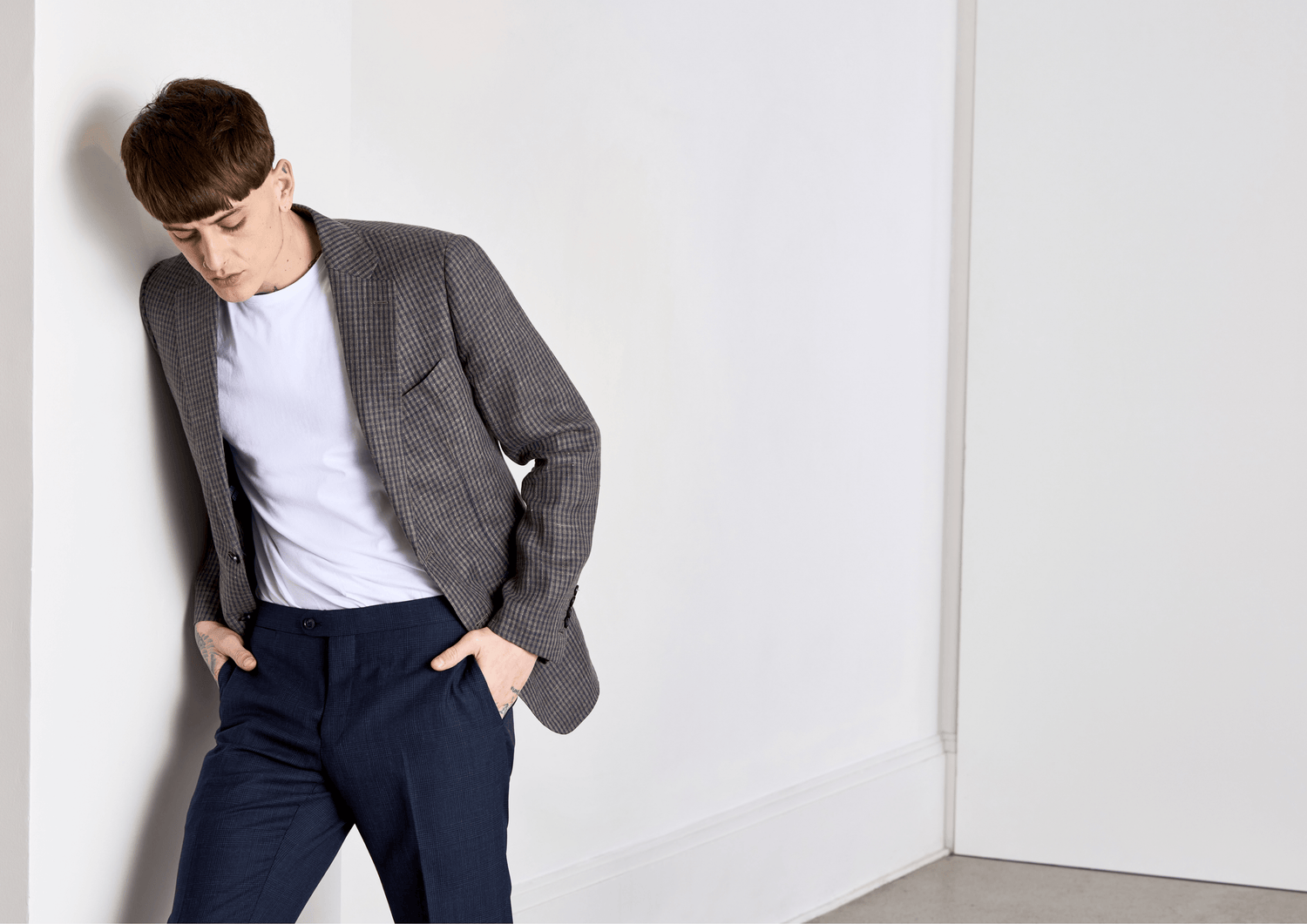
For example, a blazer with jeans and loafers is smart casual. A polo shirt with chinos and clean sneakers also works. But ripped jeans, shorts, or graphic T-shirts are too casual.
Building Your Smart Casual Wardrobe
Creating a smart casual wardrobe doesn’t mean buying new clothes. Often, you already have the right pieces. The key is combining them smartly.
Essential Pieces For Men
- Blazers: A single-breasted blazer in navy, gray, or black. Not too formal, not too loose.
- Chinos: Neutral colors like beige, olive, or navy work best. Avoid baggy fits.
- Dress Shirts: Plain or with subtle patterns. White, blue, or light pink are versatile.
- Polo Shirts: Adds a relaxed touch without looking sloppy.
- Dark Jeans: Slim or straight fit, with no rips or fading.
- Sweaters/Cardigans: Lightweight knits for layering.
- Loafers or Derby Shoes: Leather or suede. Avoid shoes with too much shine.
- Clean Sneakers: Minimal design, no flashy colors.
- Belts: Leather in brown or black, matching your shoes.
Essential Pieces For Women
- Blazers: Tailored, cropped, or boyfriend style. Neutral or soft colors.
- Blouses: Simple patterns or solid colors. Silk, cotton, or linen.
- Dress Pants: Slim, straight, or wide-leg. Black, navy, or beige.
- Midi Skirts: Pencil, A-line, or pleated.
- Dark Jeans: High-rise or straight fit.
- Knit Sweaters/Cardigans: Lightweight, fitted styles.
- Flats/Loafers: Leather or suede. Pointed or round toe.
- Heeled Boots: Low or mid heel, sleek design.
- Minimalist Sneakers: White or soft pastel colors.
Accessories That Elevate
- Watches: Simple, classic designs.
- Scarves: Lightweight, subtle patterns.
- Bags: Structured tote or crossbody.
- Jewelry: Small earrings, delicate necklaces.
- Belts: Match with shoes, avoid oversized buckles.
What To Avoid
- Sportswear: Gym shorts, hoodies, athletic shoes.
- Too Formal: Tuxedos, evening gowns, tie clips.
- Overly Casual: Flip-flops, distressed jeans, graphic T-shirts.
- Loud Prints: Neon colors, bold logos.
Smart Casual Vs Other Dress Codes
Understanding what makes smart casual unique helps prevent mistakes. Here’s how smart casual compares with business casual and casual dress.
| Dress Code | Typical Clothing | Level of Formality | Suitable Occasions |
|---|---|---|---|
| Smart Casual | Blazer, chinos, neat jeans, sweaters, loafers | Medium | Dinners, offices, dates, events |
| Business Casual | Dress pants, button-downs, closed shoes | Medium-High | Workplaces, meetings |
| Casual | T-shirts, jeans, sneakers, shorts | Low | Home, informal gatherings |
How To Assemble Smart Casual Outfits
Putting together smart casual looks is about mixing and matching. You don’t need expensive brands. Instead, focus on fit, texture, and color.
For Men
Outfit Example 1: Work Meeting
- Navy blazer
- Light blue dress shirt
- Beige chinos
- Brown loafers
- Leather belt
This look is professional but not too stiff. The blazer adds structure. Chinos keep it relaxed.
Outfit Example 2: Dinner Date
- Gray cardigan
- White polo shirt
- Dark jeans
- Clean white sneakers
It’s comfortable, stylish, and easy to move in. Sneakers add a modern touch.
Outfit Example 3: Casual Friday
- Olive chinos
- Navy sweater
- Minimalist watch
- Suede loafers
Swap the blazer for a sweater. Chinos are less formal than dress pants.
For Women
Outfit Example 1: Office Day
- Black tailored blazer
- White silk blouse
- Navy dress pants
- Pointed flats
- Structured tote bag
Classic and sharp, but not too formal. Flats keep it friendly.
Outfit Example 2: Weekend Brunch
- Light knit cardigan
- Patterned midi skirt
- Simple T-shirt
- White minimalist sneakers
- Small earrings
You can dress down a skirt with sneakers and a simple tee.
Outfit Example 3: Evening Event
- Cropped blazer
- Black straight jeans
- Low-heeled boots
- Delicate necklace
It’s sleek, comfortable, and modern.
Layering For Weather
Smart casual adapts to different seasons. In colder weather, layer with sweaters or scarves. In warmer months, use lightweight fabrics and skip jackets.
Color Combinations
Stick to neutral colors and soft tones. Navy, gray, beige, white, and olive are safe choices. Add a pop of color with accessories or a shirt, but avoid clashing colors.
Smart Casual For Different Body Types
Smart casual works for every body shape. The trick is adjusting fit and proportions.
Tips For Men
- Tall & Slim: Try layering with sweaters and blazers. Avoid skinny fits.
- Shorter: Use vertical lines and darker colors. Avoid oversized clothes.
- Broad Shoulders: Choose structured jackets, avoid large patterns.
Tips For Women
- Petite: Go for cropped jackets and high-waisted pants. Avoid long, loose tops.
- Curvy: Use fitted blazers and wrap dresses. Avoid tight skirts or pants.
- Tall: Midi skirts and wide-leg pants balance proportions.
Common Mistakes
- Wearing clothes that are too tight or too loose.
- Choosing busy patterns that draw attention away from your face.
- Ignoring shoe style—sloppy shoes can ruin a smart casual outfit.
Smart Casual In The Workplace
Many offices now prefer smart casual. It’s professional, but not uncomfortable. Here’s how to get it right:
For Men
- Avoid ties unless required.
- Choose blazers, polos, or sweaters.
- Chinos or dark jeans are acceptable in most offices.
- Shoes should be clean and leather or suede.
For Women
- Skip formal dresses.
- Use blazers or cardigans for layering.
- Dress pants, midi skirts, or neat jeans work well.
- Flats, loafers, or boots are better than sandals.
Adjusting For Company Culture
Some workplaces are more relaxed; others are stricter. If you’re unsure, observe what your colleagues wear. When in doubt, start slightly more formal and adjust as needed.
Digital Meetings
For online meetings, focus on the top half. A neat shirt, sweater, or blazer shows professionalism. Avoid overly casual looks, even if you’re at home.

Credit: www.reddit.com
Smart Casual For Special Events
Smart casual fits many events—weddings, dinners, networking, and more. Always check the invitation or ask the host if you’re unsure.
Weddings
Smart casual means a blazer and nice pants for men; a midi dress or skirt for women. Avoid shorts, T-shirts, and sneakers unless the event is very relaxed.
Dinners & Parties
Combine a sharp top with relaxed bottoms. For men, a polo shirt and chinos. For women, a blouse and midi skirt. Add accessories for a personal touch.
Networking Events
Dress slightly more formal than you think. A blazer, dress shirt, and neat shoes show you’re serious. For women, a smart blouse and tailored pants work well.
Traveling
Smart casual is great for travel—airport lounges, hotel bars, or sightseeing. Choose wrinkle-free fabrics and comfortable shoes.
Smart Casual For Different Ages
Smart casual isn’t just for young people. It works for every age. The key is adjusting style, fit, and accessories.
Young Adults
- Try modern cuts and sneakers.
- Experiment with colors and prints.
- Use minimalist accessories.
Middle Age
- Focus on classic fits and neutral colors.
- Choose comfortable shoes.
- Layer with sweaters or jackets.
Older Adults
- Go for tailored pieces and soft fabrics.
- Use subtle colors.
- Add a watch or scarf for style.
Smart casual never looks out of place. It adapts to your personality and age.
Smart Casual For Various Cultures
Different cultures have their own style rules. Smart casual changes with location.
Western Countries
- Blazers, jeans, and loafers are common.
- Women wear midi skirts or pants.
- Neutral colors are preferred.
Asian Countries
- Avoid showing too much skin.
- Closed shoes are standard.
- Use soft colors and delicate patterns.
Middle Eastern Countries
- Long sleeves and pants are expected.
- Avoid tight fits.
- Women may use scarves or long skirts.
If you’re traveling, research local norms. Smart casual should respect the culture but still feel comfortable.
How To Buy Smart Casual Clothing
You don’t need to spend a lot. Smart casual is about fit and quality, not price or brands.
Where To Shop
- Department stores have many options.
- Online shops offer wide ranges and deals.
- Thrift stores can provide unique pieces.
What Matters Most
- Fit: Try before you buy. Tailoring is worth it.
- Fabric: Cotton, wool, linen, and blends last longer.
- Comfort: If you can’t move easily, don’t buy it.
- Versatility: Choose items you can mix with others.
Common Buying Mistakes
- Buying trendy items that don’t match your wardrobe.
- Ignoring how clothes feel after hours of wear.
- Focusing only on price—cheap clothes may look worn quickly.
Data: Smart Casual Shopping Trends
According to industry reports, about 60% of office workers prefer smart casual dress codes. Online sales of smart casual items have grown by over 40% in recent years. People value comfort and flexibility more than ever.

Credit: www.youtube.com
Caring For Your Smart Casual Clothes
Proper care keeps your wardrobe looking good. Here are some tips:
Washing
- Use mild detergents for delicate fabrics.
- Wash dark colors separately.
- Air dry sweaters and shirts to avoid shrinking.
Ironing & Steaming
- Iron shirts and pants for crisp lines.
- Use a steamer for blazers and knits.
- Avoid high heat on delicate materials.
Storage
- Hang blazers and shirts.
- Fold sweaters to avoid stretching.
- Keep shoes dry and clean.
Repairing
- Sew loose buttons quickly.
- Fix small tears before they grow.
- Polish leather shoes regularly.
Smart Casual For Different Seasons
Smart casual adapts to weather changes. Here’s how to dress all year:
Spring
- Light blazers, cotton shirts, and chinos.
- Add a scarf or light sweater for cool days.
Summer
- Linen shirts, lightweight pants, and loafers.
- Avoid heavy fabrics. Use short sleeves.
Fall
- Layer with cardigans and jackets.
- Dark colors and thicker fabrics.
Winter
- Wool sweaters, heavy blazers, boots.
- Add scarves and gloves. Layer for warmth.
Credit: godwincharli.com
Smart Casual For Plus Size
Smart casual works for all sizes. The trick is finding clothes that fit well and flatter your shape.
Tips For Men
- Choose shirts with structure.
- Avoid skinny fits; try straight or relaxed.
- Layer with vests or blazers.
Tips For Women
- Use wrap dresses or tops.
- Avoid tight jeans; try wide-leg or straight.
- Layer with long cardigans.
Common Mistakes
- Wearing oversized clothes that hide your shape.
- Choosing tight fits that feel uncomfortable.
Smart Casual: Practical Tips And Insights
You now know the basics. Here are two non-obvious insights most beginners miss:
- Shoes matter more than you think. Clean, stylish shoes change the whole look. Even a basic outfit looks smart with the right footwear.
- Layering is key. Smart casual is about combining pieces. A sweater over a shirt, or a blazer over a tee, adds depth and style.
A third insight: Fit is everything. You can wear affordable clothes, but if they fit well, you’ll look sharp. Tailoring is often worth the investment.
Smart Casual Outfit Comparison
Let’s compare how small changes affect the look:
| Outfit | Level of Smart Casual | Appropriate For | Comments |
|---|---|---|---|
| Blazer, dress shirt, chinos, loafers | High | Business, networking | Very polished, almost business casual |
| Sweater, polo shirt, jeans, sneakers | Medium | Dinners, casual offices | Relaxed, modern, still neat |
| T-shirt, jeans, sandals | Low | Home, informal gatherings | Too casual for smart casual |
Smart Casual For Men Vs Women
Smart casual has similarities and differences for men and women. Here’s a quick comparison:
| Item | Men | Women |
|---|---|---|
| Top | Blazer, dress shirt, polo | Blazer, blouse, knit sweater |
| Bottom | Chinos, neat jeans | Dress pants, midi skirt, jeans |
| Shoes | Loafers, clean sneakers | Flats, boots, minimalist sneakers |
| Accessories | Watch, belt | Jewelry, bag, scarf |
Smart Casual: Real Examples
Let’s look at how real people use smart casual:
- Office worker: Wears a navy blazer, beige chinos, brown loafers, and a white shirt. Adds a watch and belt for detail.
- University student: Chooses a knit sweater, dark jeans, minimalist sneakers, and a crossbody bag.
- Entrepreneur: Mixes a patterned blouse, midi skirt, heeled boots, and a structured blazer.
These examples show how smart casual adapts to different lives. It’s flexible, practical, and stylish.
Smart Casual Mistakes Beginners Make
Even experienced dressers can get smart casual wrong. Here are common errors:
- Wearing gym clothes or sports shoes.
- Choosing loud prints or bold logos.
- Ignoring fit—too tight or too loose.
- Forgetting accessories.
- Overdressing with ties or formal shoes.
- Underdressing with ripped jeans or shorts.
Avoid these mistakes by checking your outfit before you leave. Ask yourself: “Does this look neat, comfortable, and stylish?”
Smart Casual Resources
If you want more inspiration, check style guides and fashion blogs. One useful site is GQ Magazine, which offers smart casual outfit ideas and trends.
Frequently Asked Questions
What Is Smart Casual?
Smart casual is a dress style that mixes polished items (like blazers and neat pants) with comfortable pieces (like sweaters or clean sneakers). It’s neat, stylish, and flexible—not too formal, not too relaxed.
Can I Wear Jeans For Smart Casual?
Yes, but choose dark, neat jeans without rips or fading. Pair them with a blazer, dress shirt, or sweater. Avoid baggy or distressed jeans.
What Shoes Are Best For Smart Casual?
Loafers, boots, flats, and minimalist sneakers work well. Avoid sports shoes, flip-flops, or sandals. Shoes should be clean and match your outfit.
How Do I Dress Smart Casual For Summer?
Use lightweight fabrics like cotton or linen. Short-sleeve shirts, chinos, and loafers are good choices. Avoid heavy jackets or sweaters.
Is Smart Casual The Same For Men And Women?
The basics are similar—mixing formal and casual pieces. Men often wear blazers, chinos, and loafers. Women use blazers, blouses, skirts, or pants. Both should look neat and comfortable.
Smart casual is a skill you can learn. It’s about balance, confidence, and knowing your environment. With the tips above, you’ll look great in any setting. Smart casual helps you feel ready for work, events, or social time—without stress. Start small, experiment, and soon you’ll master the smart casual dress code with ease.
