

How to Prevent Gym Clothes from Smelling: Proven Freshness Hacks
Sweaty gym clothes are a challenge for anyone who works out regularly. After a tough session, even the best performance wear can start to develop an unpleasant odor. Many people wash their activewear, only to find that the smell returns quickly—or never leaves at all.
If you’ve ever wondered how to keep your gym clothes smelling fresh, you’re not alone. The good news is, with the right approach, you can prevent those stubborn smells from taking hold. This guide shows you how, step by step.
Why Gym Clothes Smell Bad
Gym clothes are designed to handle sweat, but this also means they trap moisture and bacteria. When you exercise, your body releases sweat and oils. These get absorbed by the fabric, especially synthetic materials like polyester and nylon. Over time, bacteria break down these substances, which leads to the familiar gym odor.
Some people think washing with hot water and extra detergent will fix the problem. In fact, this can make things worse. The wrong washing methods, poor storage, and not drying clothes properly allow bacteria to thrive. There are smarter ways to tackle the problem.
The Science Of Sweat And Odor
To really beat gym odors, it helps to understand what causes them. Sweat itself doesn’t smell. The real problem is bacteria on your skin and in your clothes. These bacteria feed on sweat and dead skin cells, producing volatile compounds that cause bad smells.
Synthetic fabrics can hold onto these compounds more than natural fibers. That’s why your cotton T-shirts might smell better than your polyester leggings, even after similar use. Some studies show that polyester can hold up to 200% more odor-causing molecules than cotton.
So, your choice of fabric matters.
Choosing The Right Gym Clothes
The type of gym clothes you wear makes a big difference in odor control. Here’s what matters:
- Fabric type: Natural fibers like merino wool and cotton are more breathable and tend to smell less. Synthetics like polyester and nylon wick moisture but hold onto smells. Some high-end workout gear uses blends or special treatments to fight odor.
- Fit and design: Clothes that fit snugly and don’t breathe can make you sweat more, trapping more odor. Choose gear with ventilation panels or mesh in areas where you sweat most.
- Anti-odor technology: Some brands use silver ions or other treatments that kill bacteria. These can help, but they’re not a complete solution.
Comparison Of Common Gym Fabrics
| Fabric | Odor Retention | Moisture Wicking | Breathability |
|---|---|---|---|
| Polyester | High | Excellent | Good |
| Cotton | Low | Poor | Excellent |
| Merino Wool | Very Low | Good | Excellent |
| Nylon | Medium | Excellent | Good |
Practical insight: Many beginners choose gym clothes based only on style or price. If you struggle with odor, investing in better fabrics can make your routine easier and more pleasant.
Immediate Steps After A Workout
Most gym odors start before you even get home. What you do right after a workout matters:
- Don’t let sweaty clothes sit: Remove your workout clothes as soon as you finish. The longer they stay damp, the more bacteria grow.
- Let them air out: Hang clothes to dry if you can’t wash them right away. Tossing them in a gym bag or laundry hamper traps moisture.
- Use a breathable bag: Carry sweaty gear in a mesh or ventilated bag, not plastic. This slows bacteria growth.
- Rinse if possible: If you have access to a shower, a quick rinse of your clothes helps remove sweat and bacteria before they set in.
Non-obvious tip: Turning your clothes inside out before airing or washing makes a difference. Odor-causing bacteria collect most on the inside surface, where your skin touches the fabric.
Credit: www.nike.com
The Right Way To Store Dirty Gym Clothes
Storing dirty activewear incorrectly can make even clean clothes smell. Here’s how to do it right:
- Never pile damp clothes: Lay them flat or hang them until dry before adding to the laundry.
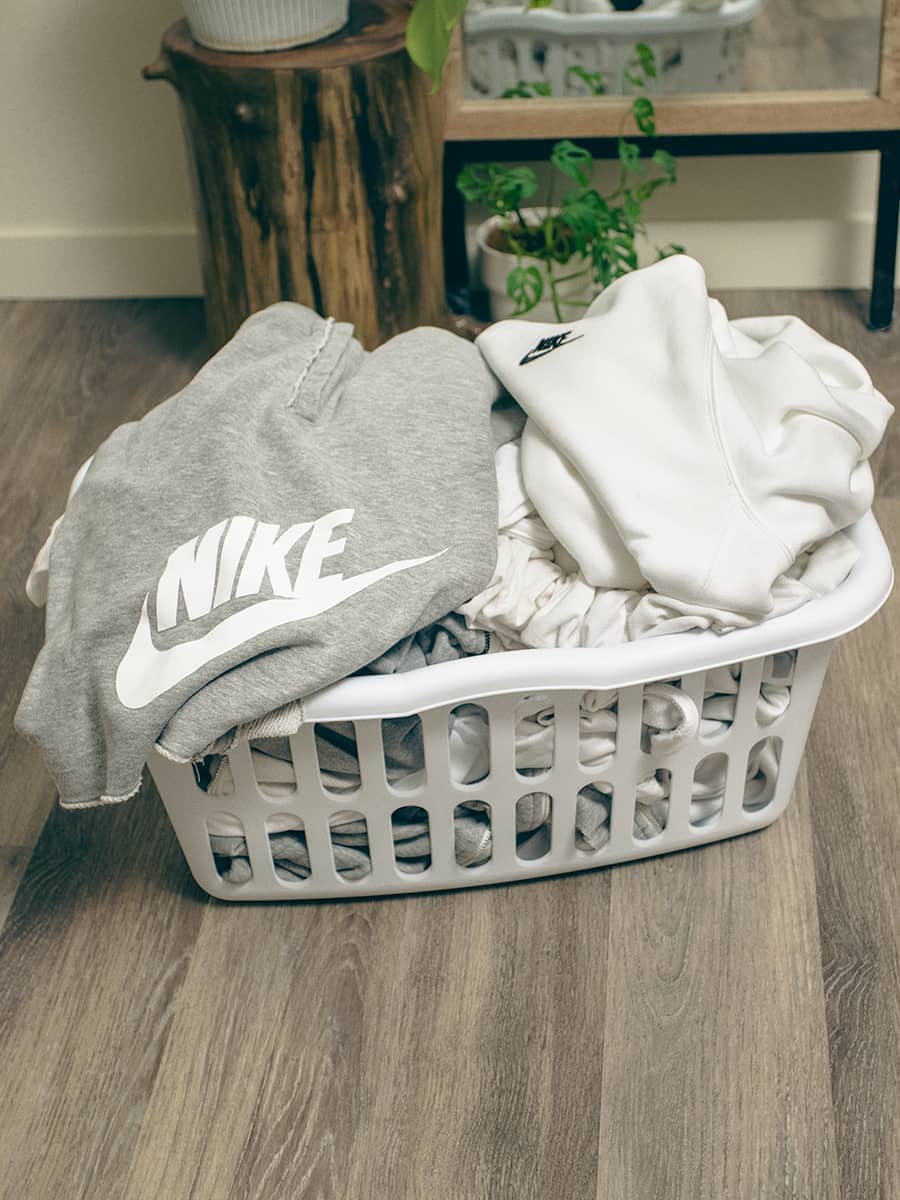
- Keep laundry baskets ventilated: Closed hampers create a humid environment for bacteria.
- Separate gym gear: Store sweaty clothes separately from regular laundry.
Practical insight: Many people think a closed hamper will contain smells. In fact, it makes them worse and can spread odor to other laundry.
Pre-treatment: Before Washing
Pre-treating gym clothes helps remove stubborn odors that regular washing might miss.
- Soak in vinegar solution: Mix one part white vinegar with four parts cold water. Soak clothes for 15–30 minutes. Vinegar kills bacteria and breaks down odor molecules.
- Use baking soda: Sprinkle baking soda on extra-smelly areas or add half a cup to your soak. It helps neutralize odors.
- Specialized sprays: Some sprays target bacteria and odor. Use them if you want an extra layer of protection.
Expert tip: Don’t overdo soaking. Too much soaking can damage the elasticity of your gym clothes, especially those with spandex or Lycra.
Credit: tripulse.co
How To Wash Gym Clothes Properly
This is where most people make mistakes. Gym clothes need special attention compared to regular laundry.
Wash Gym Clothes Separately
Always wash activewear on its own. Mixing with towels or heavy clothing makes it harder for water and detergent to reach all surfaces.
Cold Water Is Best
Hot water can damage technical fabrics and set odors. Use cold water with a gentle cycle.
Use The Right Detergent
Some regular detergents leave residue that traps odors. Use a sports detergent or a mild, unscented detergent. Avoid fabric softener, which coats fibers and locks in smells.
Don’t Overload The Machine
Crowded loads prevent clothes from getting clean. Give your gym gear space to move freely.
Extra Rinse
An extra rinse cycle helps remove leftover detergent and odor-causing particles.
Turn Clothes Inside Out
This exposes the smelliest parts to water and detergent, improving cleaning.
How Different Detergents Affect Odor Removal
| Detergent Type | Odor Removal Effectiveness | Fabric Safety |
|---|---|---|
| Regular Detergent | Medium | Good |
| Sports Detergent | High | Excellent |
| Homemade Vinegar/Baking Soda | Medium-High | Good (when used occasionally) |
Non-obvious insight: Overusing detergent doesn’t make clothes cleaner. In fact, it can build up in the fabric, trapping even more odor over time.
Drying: The Crucial Final Step
How you dry gym clothes is just as important as how you wash them.
- Air dry when possible: Hang clothes in a well-ventilated area. Sunlight helps kill bacteria and freshen fabric.
- Avoid the dryer: High heat can damage elastic fibers and make smells worse. If you must use a dryer, choose a low-heat setting.
- Dry completely: Never put away clothes that are even slightly damp.
- Use a fan or open window: For indoor drying, improve airflow to prevent mildew.
Practical tip: If you live in a humid area, consider using a dehumidifier or drying rack with a fan to speed up the process.
Special Care For Shoes, Bags, And Accessories
Don’t forget about what carries your gym gear. Shoes, bags, and even water bottles can develop odors and transfer them back to your clothes.
- Wash shoes regularly: Remove insoles and let them air out. Sprinkle baking soda inside to absorb moisture.
- Clean your gym bag: Wipe down with disinfectant and let it dry fully.
- Towels and accessories: Wash towels and headbands with vinegar every few washes to keep them fresh.
Non-obvious insight: Water bottles can harbor bacteria that cause odors. Clean them with hot, soapy water and let them dry open.
Extra Strategies To Keep Gym Clothes Fresh
For those who want to go the extra mile, these strategies can help prevent future smells:
- Use antibacterial laundry boosters: These additives kill odor-causing bacteria. Add them to your regular wash.
- Essential oils: Add a few drops of tea tree or lavender oil to your wash for natural antibacterial action and a pleasant scent.
- Quick-dry technology: Invest in gym clothes with quick-dry or moisture-wicking features. Less moisture means less bacteria.
- Store clothes with dryer sheets: Place dryer sheets in your gym bag or storage drawer for a fresh scent.
- Rotate your gear: Don’t wear the same items back-to-back. Let them air out between uses.
Data point: Studies show that bacteria can multiply in damp fabric in as little as two hours. Drying and rotating gear really makes a difference.
Common Mistakes And How To Avoid Them
Many people repeat the same errors, which makes gym clothes smell worse over time.
- Using too much detergent: Causes buildup and traps odor.
- Skipping the pre-treatment: Tough odors need extra help.
- Not drying properly: Damp clothes breed bacteria.
- Leaving clothes in the washer: Letting clothes sit in the machine after washing leads to mildew.
- Ignoring the inside of shoes and bags: Odors often start here.
Expert guidance: If you notice your gym gear still smells after washing, try stripping them. This means soaking in a hot water, vinegar, and baking soda mix, then washing as usual. Don’t do this often, as it can wear out fabrics.
Home Remedies For Odor Removal
If you want to use household items instead of buying special products, these simple remedies can help:
- White vinegar soak: Natural, cheap, and effective at killing bacteria.
- Baking soda paste: For tough spots, make a paste with water and rub on before washing.
- Lemon juice: The acid can break down odor molecules, but test on a small area first.
- Hydrogen peroxide (diluted): Kills bacteria, but can lighten colors. Use with caution.
When To Replace Gym Clothes
No matter how well you care for your gym clothes, they won’t last forever. Over time, fabric fibers break down, and even the best washing routine can’t remove all odors.
Signs it’s time to replace your gear:
- Persistent smell: If clothes still smell after washing and drying, it’s time for new ones.
- Worn-out elastic: When the fit is loose or saggy, bacteria can hide in stretched fibers.
- Visible buildup or stains: This means bacteria and oils are trapped deep in the fabric.
Pro insight: Buying a few high-quality pieces and rotating them is better than buying many cheap items that don’t last.
Sustainable And Eco-friendly Odor Solutions
Caring for your gym clothes can be eco-friendly, too. Here’s how to keep odors away while reducing environmental impact:
- Use natural detergents: Many eco brands offer sports formulas with plant-based ingredients.
- Wash less, air more: If your clothes aren’t too dirty, airing them out can be enough between workouts. This saves water and energy.
- Line dry in the sun: Sunlight is a natural disinfectant and uses no energy.
- Recycle old gear: Look for textile recycling programs instead of throwing out old gym clothes.
Gym Odor Prevention: Myths Vs. Facts
There are many myths about preventing gym clothes from smelling. Here’s what’s true and what isn’t:
Myth 1: Hot Water Kills All Bacteria
Fact: Many gym fabrics can’t handle hot water, and some bacteria survive washing. It’s the combination of washing, drying, and airing out that works best.
Myth 2: More Detergent Means Cleaner Clothes
Fact: Too much detergent can cause buildup and make odor worse.
Myth 3: Fabric Softener Helps With Smell
Fact: Fabric softener can actually trap odors in gym clothes, making the problem worse.
Myth 4: All Technical Fabrics Are Odor-resistant
Fact: Only some have true odor-fighting properties, usually those treated with silver or other antimicrobial agents.
The Role Of Diet And Hydration
Surprisingly, what you eat and drink can affect how your gym clothes smell.
- Hydration: Drinking more water dilutes your sweat, making it less smelly.
- Diet: Foods like garlic, onions, and spicy dishes can make your sweat smell stronger. A balanced diet with plenty of fruits and veggies can help.
Keeping Your Workout Space Clean
Your workout environment matters more than many people realize. If you sweat at home or bring gear to the gym, keep these areas clean:
- Wipe down equipment: Sweat left on mats or benches can transfer back to your clothes.
- Use clean towels: Always lay a clean towel on shared equipment.
- Clean your mat: If you do yoga or stretching, wash your mat regularly.
Gym Clothes Odor Prevention On The Go
If you travel or shower at the gym, it’s harder to control how you store your sweaty gear. Here’s how to stay fresh:
- Carry plastic or reusable bags: If you can’t air out clothes right away, at least separate them from the rest of your belongings.
- Pack travel-size sprays: Odor-removing sprays can help until you can wash properly.
- Plan ahead: Bring extra clothes and change as soon as possible.
Non-obvious tip: Keep a small packet of baking soda in your gym bag to sprinkle on clothes or shoes if you must store them for a few hours.

Credit: www.nytimes.com
How Often Should You Wash Gym Clothes?
There’s no one-size-fits-all answer, but most experts recommend washing after every use. For less sweaty activities, airing out might be enough for one extra wear.
Frequency Comparison
| Workout Type | Recommended Wash Frequency |
|---|---|
| High-intensity (cardio, HIIT) | Every use |
| Low-intensity (yoga, walking) | Every 1-2 uses |
| Outer layers (jackets) | Every 3-5 uses, unless soaked |
Pro tip: Don’t wait for the laundry basket to fill up. Small, frequent washes keep odors from building.
Smart Habits For Long-term Freshness
Building good habits is the most effective way to keep gym clothes fresh:
- Change immediately after workouts
- Air out gear before washing
- Stick to a regular washing routine
- Use the right products and methods
- Pay attention to your gear’s condition
With these habits, you’ll spend less time fighting smells and more time enjoying your workouts.
Frequently Asked Questions
How Can I Remove Stubborn Odors From Gym Clothes?
For stubborn smells, soak clothes in a mixture of one part white vinegar to four parts water for 30 minutes before washing. Use a sports detergent and avoid fabric softener. If the odor remains, try a baking soda paste or a laundry booster designed for athletic wear.
Is It Okay To Use Regular Detergent For Gym Clothes?
You can use regular detergent, but it often leaves residue that traps odors in synthetic fabrics. Sports detergents are better because they target bacteria and oils. If you use regular detergent, use less than usual and add an extra rinse cycle.
How Do I Keep My Gym Bag From Smelling?
Clean your gym bag regularly by wiping it with disinfectant and letting it air dry. Place a dryer sheet or a small pouch of baking soda inside to absorb odors. Store your bag open between uses to prevent moisture buildup.
Are There Any Natural Ways To Keep Gym Clothes Fresh?
Yes, several natural methods work well. Vinegar, baking soda, and lemon juice all help neutralize odors. Sunlight is also a natural disinfectant. Essential oils like tea tree or lavender added to the wash can give clothes a fresh scent.
Can I Wear Gym Clothes More Than Once Before Washing?
For high-intensity workouts, it’s best to wash after every use. For lighter activities, airing out clothes may allow one extra wear. However, always wash if clothes are visibly soiled or smell bad.
By following these steps, you can confidently prevent gym clothes from smelling, no matter how active you are. Consistency is key. For more information on fabric care, check out this resource: Consumer Reports. Fresh-smelling gym gear isn’t just possible—it’s within reach, with the right care every time.
