

How to Make Your Outfits Look Better: Easy Style Upgrades
How To Make Your Outfits Look Better
Everyone wants to look good in their clothes, but many people feel confused about how to improve their outfits. Sometimes, you buy stylish pieces, but the result still feels plain. Other times, you try trends, but they don’t suit you.
The truth is, making your outfits look better is not about buying expensive items or following every trend. It's about knowing simple tricks, understanding your body, and adding details that make a big difference.
This guide will help you discover practical ways to upgrade your outfits. Whether you’re going to work, a party, or just running errands, these tips will help you look more polished and confident. You’ll learn how to choose the right clothes, style them, and add finishing touches that truly elevate your look.
Understanding Your Body Shape
Before you choose any clothes, it’s important to understand your body shape. Clothes look best when they fit your form and highlight your strengths. There are several main body shapes: rectangle, pear, apple, hourglass, and inverted triangle. Each shape has different features, so knowing yours helps you select flattering styles.
How To Identify Your Body Shape
Stand in front of a mirror and look at your shoulders, waist, and hips. Ask yourself:
- Are your shoulders and hips about the same width?
- Is your waist defined or straight?
- Are your hips wider than your shoulders?
Based on your answers, you’ll see which shape you have. For example, if your hips are wider than your shoulders, you have a pear shape. If your waist is defined with balanced hips and shoulders, you’re likely hourglass.
Dressing For Your Body Shape
Choose clothes that highlight your best features:
- For rectangle shapes, add curves with belts and peplum tops.
- For pear shapes, bring attention to your upper body with bright tops or statement necklaces.
- For apple shapes, pick clothes that define your waist and skim over your tummy.
- For hourglass shapes, wear fitted styles that show your waist.
- For inverted triangle, balance your shoulders with A-line skirts or wide-leg pants.
Knowing your shape prevents buying clothes that look good on others but not on you.
Fit: The Most Important Factor
Fit is the biggest secret to making your outfits look better. Even basic clothes look great if they fit well. Poorly fitted clothes can make you look messy, no matter how expensive they are.
Signs Of Good Fit
- Shoulders seams sit perfectly on your shoulders
- Waistline fits without pulling or sagging
- Pants skim your legs without bunching
- Sleeves and hems stop at the right place
If you’re unsure, take your clothes to a tailor. Tailoring is affordable and makes a huge difference. For example, narrowing a shirt or shortening pants helps you look sharp.
Why Most People Ignore Tailoring
Many people think tailoring is only for formal wear or expensive clothes. But tailoring everyday items like jeans, t-shirts, and casual jackets can boost your style easily. Studies show that people rate tailored outfits as more attractive and professional.
Choosing Colors That Suit You
Color plays a major role in how your outfit looks. The right colors can make your skin glow and your outfit pop, while wrong colors can wash you out.
Understanding Your Undertone
Your skin undertone is either warm, cool, or neutral. To find yours, look at the veins on your wrist. If they’re blue, you probably have a cool undertone. If they’re greenish, you have a warm undertone.
- Warm undertones: Look great in earthy colors like olive, mustard, orange, and gold.
- Cool undertones: Shine in shades like blue, purple, pink, and silver.
- Neutral undertones: Can wear almost any color.
Using Color Wisely
Don’t wear too many bright colors at once. Choose one main color and keep other pieces neutral. For example, wear a red top with black pants and white sneakers. This makes your outfit look balanced and intentional.
Color Combination Table
Here’s a quick guide to popular color combinations:
| Main Color | Accent Color | Best for |
|---|---|---|
| Navy Blue | White | Work, Casual |
| Olive Green | Tan | Outdoor, Relaxed |
| Burgundy | Gray | Evening, Formal |
| Mustard Yellow | Denim | Weekend, Fun |
| Black | Red | Party, Night Out |
Layering: Adding Depth To Your Look
Layering is one of the easiest ways to make your outfits look better. It adds depth, interest, and flexibility.
How To Layer Smartly
- Start with a basic top, then add a jacket, cardigan, or blazer.
- Use different textures: Mix cotton, denim, wool, and leather.
- Keep layers light to avoid looking bulky.
For example, wear a white t-shirt with a denim jacket and black jeans. Add a scarf or hat for extra detail.
Layering Mistakes To Avoid
- Wearing too many thick layers
- Mixing too many colors or patterns
- Letting layers hide your shape
Stick to two or three layers for a clean look.
Accessories: The Finishing Touch
Accessories are small, but they make a big impact. The right shoes, bags, jewelry, and belts can take your outfit from simple to stylish.
Choosing Accessories Wisely
- Match accessories to your outfit style: Casual, formal, sporty
- Don’t overdo it: One statement piece is enough
- Use accessories to add color or texture
A simple black dress looks much better with a bold necklace or colorful scarf.
Popular Accessories Table
Here’s a comparison of popular accessories:
| Accessory | Best Use | Style Impact |
|---|---|---|
| Belt | Define waist | Sharp, Polished |
| Watch | Everyday wear | Classic, Professional |
| Sneakers | Casual outfits | Relaxed, Trendy |
| Scarf | Layering, color | Chic, Cozy |
| Hat | Outdoor, casual | Fun, Stylish |
Non-obvious Accessory Insights
Many beginners forget about socks and eyewear. Patterned socks can add surprise and personality, especially with cropped pants. Stylish glasses or sunglasses can change your whole look.
Shoes: The Foundation Of Your Outfit
Shoes are often overlooked, but they are the foundation of every outfit. Wearing the right shoes can make you look taller, slimmer, and more fashionable.
How To Choose Shoes
- Match shoes to the occasion: Formal for work, sneakers for casual, boots for outdoor
- Choose shoes that fit comfortably
- Pick colors that work with your wardrobe
Invest in classic styles like white sneakers, black loafers, brown boots, and nude heels. These match most outfits and never go out of style.
Shoe Comparison Table
Here is a quick comparison of shoe types:
| Shoe Type | Best Use | Comfort Level |
|---|---|---|
| Sneakers | Casual, Everyday | High |
| Loafers | Work, Formal | Medium |
| Boots | Outdoor, Winter | High |
| Heels | Party, Formal | Low-Medium |
| Sandals | Summer, Beach | Medium |
Shoe Care Tips
Clean your shoes regularly and store them properly. Scuffed or dirty shoes can ruin a polished outfit. Use shoe trees for leather shoes and avoid wearing the same pair every day to let them breathe.
Quality Vs Quantity: Building A Better Wardrobe
Buying more clothes does not mean your outfits will look better. Quality matters more than quantity. Well-made pieces last longer and look more expensive.
How To Choose Quality Clothes
- Check stitching and seams: They should be neat and strong
- Feel the fabric: Good materials are smooth, thick, and comfortable
- Read care labels: Natural fibers like cotton, wool, and linen usually feel better
Avoid buying too many trendy items that go out of style quickly. Instead, invest in classic basics like a white shirt, blue jeans, black blazer, and neutral sweaters.
Common Mistakes
Beginners often buy clothes just because they are on sale, without thinking about fit or quality. This leads to a closet full of items you rarely wear. Instead, plan your wardrobe and buy pieces you can mix and match.
Personal Style: Express Yourself
Your outfits look best when they reflect your personal style. Don’t follow every trend. Instead, pick pieces you love and feel comfortable wearing.
How To Find Your Style
- Look at your favorite clothes and notice patterns: Do you prefer bold colors or neutrals?
- Save photos of outfits you admire
- Try new styles in small ways: Add a different accessory or change your shoes
Over time, you’ll discover what suits you and makes you feel confident.
Unique Style Insights
Most people ignore their lifestyle when choosing clothes. If you travel often, choose wrinkle-free fabrics. If you work from home, focus on comfortable but polished pieces. This makes your outfits not only stylish but practical.
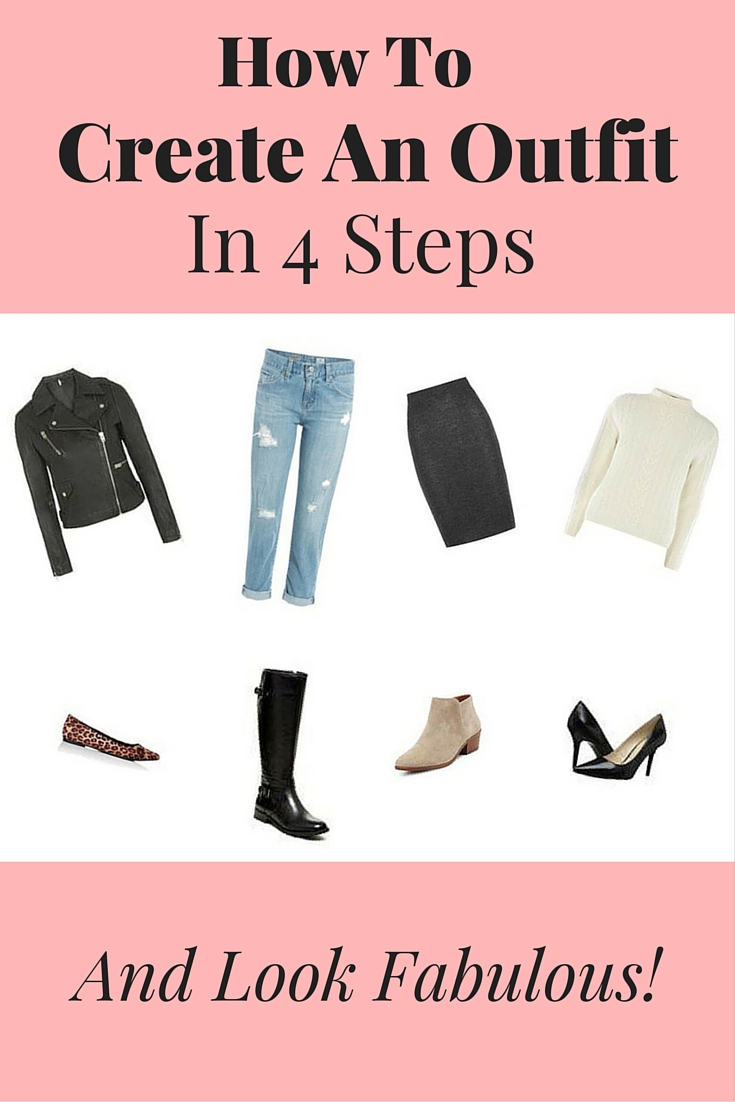
Credit: classyyettrendy.com
Grooming And Clothing Care
Even the best outfit can look bad if you don’t take care of yourself and your clothes. Simple grooming and cleaning steps help you look neat and fresh.
Grooming Tips
- Keep hair tidy and styled
- Trim facial hair or shave regularly
- Use deodorant and light fragrance
- Moisturize skin for a healthy look
Clothing Care Advice
- Wash clothes according to care labels
- Iron or steam for a crisp look
- Remove lint and fuzz with a roller
These steps prevent your outfits from looking wrinkled or worn.
Confidence: The Secret Ingredient
No matter how stylish your clothes are, confidence is what really makes your outfits stand out. Wear your clothes with pride and good posture. Smile, make eye contact, and don’t worry about what others think.
How To Build Confidence
- Prepare your outfit the night before
- Practice good posture: Stand tall with shoulders back
- Remember that everyone has doubts sometimes
Confident people always look better, even in simple outfits.

Credit: www.youtube.com
Seasonal Changes: Adjusting Your Outfit
Different seasons call for different styling tricks. Adjusting your outfit for the weather helps you stay comfortable and stylish.
Summer Tips
- Wear lightweight fabrics like cotton and linen
- Choose bright colors and simple accessories
- Switch to sandals or canvas shoes
Winter Tips
- Layer with sweaters, scarves, and coats
- Pick darker colors for warmth
- Use boots and thick socks
Spring And Fall Tips
- Mix layers for changing temperatures
- Use mid-weight fabrics like denim and knits
- Add fun touches like hats or patterned scarves
Adapting your outfits to the season shows you know how to dress well for any occasion.
Mixing Patterns And Textures
One advanced way to make outfits look better is to mix patterns and textures. This adds interest and makes your look unique.
How To Mix Patterns
- Combine patterns of different sizes: Big stripes with small dots
- Keep colors similar for harmony
- Use one pattern as the main focus, others as accents
Mixing Textures
- Pair smooth fabrics (like silk) with rough ones (like wool)
- Mix leather with denim for a modern look
Beginners often avoid mixing patterns and textures because they fear looking messy. Practice with simple combinations first, like a striped shirt and a textured scarf.
Planning Your Outfits
Planning ahead helps you avoid last-minute stress and ensures you look your best. Many stylish people plan their outfits in advance.
How To Plan
- Set aside time each week to organize your wardrobe
- Make a list of activities and weather for the week
- Prepare clothes and accessories for each day
This helps you avoid wearing the same items repeatedly and gives you more confidence.
Shopping Smart: Save Money And Look Good
You don’t need to spend a lot to look great. Smart shopping means buying fewer, better pieces that match your style.
Shopping Tips
- Try clothes on before buying, or check return policies
- Avoid impulse buys—wait 24 hours before purchasing
- Shop during sales for quality basics
Use online reviews and style blogs to learn about brands and fit. For deeper guidance, visit Vogue for expert advice on style and shopping.
Outfit Examples: Real-life Inspiration
Sometimes, seeing real outfit examples helps you understand how to put these tips into practice. Here are three sample looks for different occasions:
Casual Day Out
- White t-shirt (well-fitted)
- Light blue jeans (tailored)
- Olive green jacket (layer)
- White sneakers (clean, classic)
- Simple watch and patterned socks
This outfit is comfortable, stylish, and works for errands or meeting friends.
Office Or Business Meeting
- Navy blazer (structured)
- Pale blue button-down shirt (neat fit)
- Charcoal trousers (pressed)
- Black loafers (polished)
- Belt and classic watch
This look is professional but still comfortable for all-day wear.
Evening Or Party
- Black dress or dark jeans and fitted top
- Statement necklace or bold earrings
- Burgundy clutch bag (accent)
- Nude heels or boots
- Light scarf for detail
This outfit stands out with simple pieces and strong accessories.
Common Mistakes Beginners Make
Even with good intentions, beginners often make mistakes that ruin their outfits. Here are some to avoid:
- Wearing clothes that don’t fit well
- Ignoring body shape and buying trendy items
- Mixing too many colors or patterns
- Forgetting accessories or overusing them
- Neglecting shoe choice and care
- Focusing on quantity over quality
- Not planning outfits
- Forgetting grooming and clothing care
Knowing these mistakes helps you avoid them and look better every day.
Credit: www.businessinsider.com
Frequently Asked Questions
How Do I Know Which Colors Suit Me Best?
Check your skin undertone by looking at your wrist veins. Blue veins mean cool undertones; green veins mean warm undertones. Try colors in natural light and notice which ones make your skin look healthy and bright. Ask friends for honest opinions or try color analysis online.
Is It Worth Tailoring Everyday Clothes?
Yes, tailoring makes any outfit look better. Even simple jeans or shirts fit better after small adjustments. Tailoring is often affordable and gives a big upgrade to your wardrobe.
How Many Accessories Should I Wear At Once?
One or two statement accessories are enough. For example, a bold necklace and a watch. If you wear more, keep the rest simple. Too many accessories can distract from your outfit.
What Is The Best Way To Mix Patterns?
Start with one main pattern, like stripes, and add a smaller, subtle pattern like dots or checks. Keep colors similar for a coordinated look. Practice mixing with scarves, socks, or bags before trying bigger pieces.
How Do I Organize My Wardrobe For Better Outfit Planning?
Sort clothes by type and color. Keep basics and favorites in easy reach. Use hangers for shirts and jackets, shelves for pants and shoes. Plan outfits for the week ahead, so you always have something ready.
Making your outfits look better is not about following every trend or buying expensive brands. It’s about knowing your body, choosing colors and fits that suit you, and adding smart details. With these practical tips and insights, you can look stylish every day—confident, comfortable, and ready for anything.
