

How to Make Tank Tops Tighter: Easy Tricks for a Perfect Fit
Wearing a tank top that fits just right can make you feel confident and comfortable. But if your favorite tank top is too loose, it may look sloppy or feel awkward. Many people face this problem, especially after losing weight, buying the wrong size, or when clothes stretch out after washing.
The good news is, you don’t need to throw away your loose tank tops. There are several ways to make tank tops tighter, and most methods do not require advanced sewing skills or expensive tools.
Let’s explore the best ways to make tank tops fit better, step-by-step. Whether you prefer sewing, no-sew hacks, or want to try shrinking with heat, this guide covers all options. You'll also find tips for different fabrics, common mistakes to avoid, and ways to ensure a neat, lasting result.
Understanding Why Tank Tops Get Loose
Before tightening your tank top, it helps to know why it’s loose. Fabrics stretch naturally over time, especially with frequent wear and washing. Cotton, modal, rayon, and blends all behave differently. Sometimes, the tank was just too big from the start.
Identifying the cause helps you pick the best solution.
Common Reasons Tank Tops Lose Shape
- Fabric Stretching: Natural fibers like cotton stretch with movement and washing.
- Incorrect Sizing: Buying the wrong size or a unisex design that doesn’t fit your body shape.
- Washing Habits: Using hot water or heavy cycles can relax fibers, making the top sag.
- Wearing Over Time: Repeated wear puts stress on seams and straps, loosening the fit.
Quick No-sew Fixes To Make Tank Tops Tighter
If you don’t have sewing skills or need a fast solution, you can make a tank top tighter with simple, temporary methods. These are great for last-minute fixes or for people who want to avoid permanent changes.
1. Knotting The Hem Or Straps
One of the easiest ways to tighten a tank top is by tying a knot. Grab the excess fabric at the hem, side, or back and twist it into a small knot. This gathers the material, making the fit snugger.
You can also knot the straps to raise the neckline and tighten the armholes.
Tips for Best Results:
- Use a small, neat knot to avoid bulkiness.
- Place the knot at the side or back for a trendy look.
- For thin straps, tie a double knot to keep it secure.
2. Using Safety Pins Or Fashion Tape
Safety pins can quickly take in the sides of your tank top. Turn the top inside out, pinch the extra fabric at the side seams, and secure with pins from the inside. Fashion tape is another discreet option for pulling fabric together at key points, especially at the neckline or underarms.
Important Note: Always place pins on the inside to avoid them showing. For delicate fabrics, use fashion tape to avoid holes.
3. Layering Under Or Over
Wearing a fitted tank or camisole under your loose tank can help. This not only makes the fit tighter but also adds coverage. Alternatively, layer a cardigan or jacket over your tank and cinch with a belt to hold extra fabric in place.
4. Bra Tricks
Some bras have hooks or adjustable straps that you can use to pull your tank top tighter. Racerback clips pull the straps together, tightening the fit across your shoulders and chest.

Credit: oajvarkaus.fi
Shrinking Your Tank Top Using Heat
Heat can shrink many fabrics, especially cotton and cotton-blends. If your tank top is made of natural fibers, shrinking is a good option. However, this method can be unpredictable, so always check the care label first.
How To Shrink A Tank Top
- Wash in Hot Water: Place the tank top in the washing machine. Set the water temperature to hot. Use your regular detergent.
- Dry on High Heat: After washing, transfer the tank top to the dryer. Choose the highest heat setting and dry completely.
- Check the Fit: Try on the tank top. If it’s still loose, repeat the process once more.
Caution: Some fabrics, like polyester, do not shrink well or may get damaged by heat. Always test on a less visible area or with a similar old tank first.
When Heat Shrinking Works Best
Shrinking is most effective with:
- 100% cotton tank tops
- Cotton blends with at least 60% cotton
- Modal or rayon (with care, as they can distort)
It’s less effective on:
- Polyester
- Spandex-heavy fabrics
- Pre-shrunk garments
Why Shrinking Sometimes Fails
Not all tank tops respond the same way to heat. Synthetic fabrics resist shrinking. Also, repeated heat cycles can cause uneven results, sometimes shrinking only certain parts or making the fabric rough.
Basic Sewing Methods For Tightening Tank Tops
Sewing gives you the most control over fit. Even if you’re a beginner, you can make simple adjustments with a needle and thread or a basic sewing machine. Here are popular sewing methods for making tank tops tighter.
1. Taking In The Side Seams
This is the most common alteration. By sewing new seams closer to your body, you remove extra width.
Step-by-step Guide
- Try On and Pin: Wear your tank top inside out. Pin along the side seams where you want it tighter.
- Mark the Line: Use a fabric chalk or washable marker to draw a line along the pins.
- Sew Along the Line: Use a straight or zigzag stitch, depending on the fabric stretch.
- Trim Excess Fabric: Leave a small seam allowance (about 1 cm), then trim.
- Finish the Edges: Use a zigzag stitch or serger to prevent fraying.
Pro Tip: For stretchy tanks, use a zigzag stitch or stretch needle to keep the seams elastic.
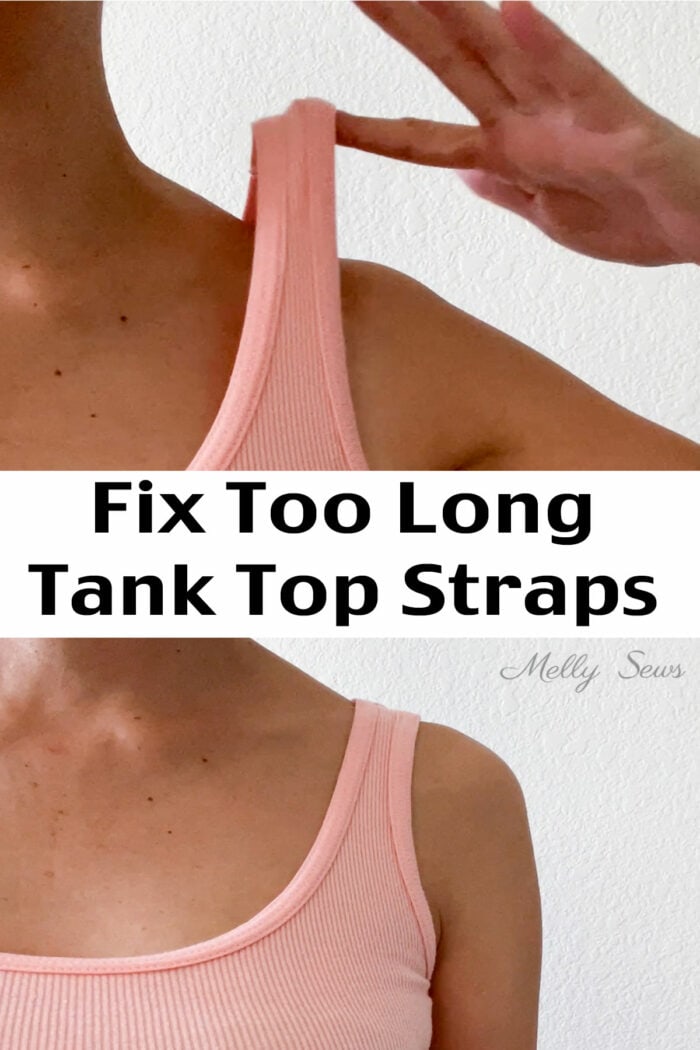
2. Adjusting The Straps
If the tank top is too long or droopy at the neckline, shortening the straps can solve the problem.
- Measure Needed Adjustment: Try on the tank and pinch the straps to the desired length.
- Pin and Sew: Fold the extra strap under or cut it off, then sew securely.
- Check Symmetry: Make sure both straps are adjusted equally.
This change lifts the tank and tightens the armholes and neckline.
3. Adding Darts
Darts are small, sewn folds that shape the fabric to your body. Adding darts at the bust or back makes the tank top more fitted, especially for women’s styles.
- Mark Dart Placement: Try on the tank and mark where fabric gapes.
- Pinch and Pin: Pinch the excess fabric and secure with pins.
- Sew the Dart: Start from the widest point and taper to a point.
Darts work best for tanks that are loose at specific spots, not all over.
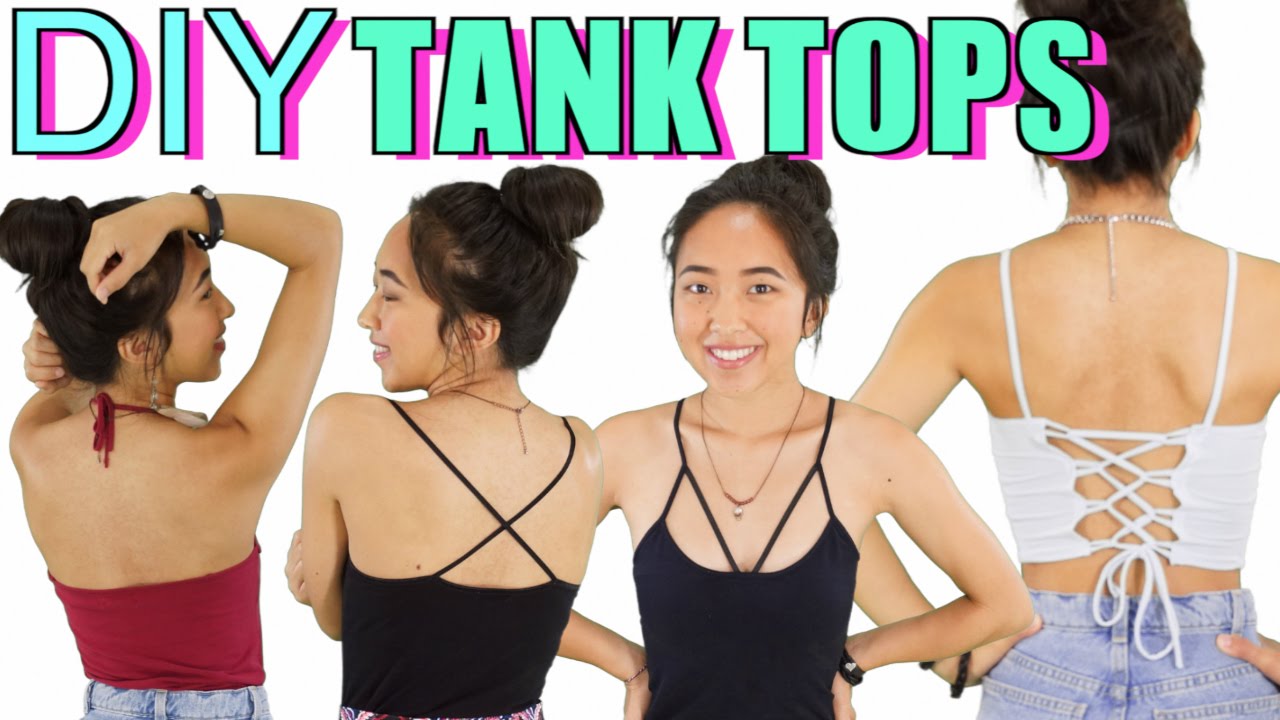
4. Creating A Racerback
If your tank top has wide straps and is loose at the shoulders, turning it into a racerback can make it tighter and more stylish.
- Pinch Straps Together: Pull the straps together at the back.
- Sew or Tie: Sew the straps together or use a decorative band.
This method tightens the upper part and gives a sporty look.
No-sew Permanent Methods
Some methods permanently tighten your tank top without sewing.
1. Using Fabric Glue
Fabric glue is great for those who want a lasting fix but cannot sew. You can use it to bond side seams or fold straps to shorten them.
How to Apply:
- Apply a thin line of glue along the area you want to bond.
- Press the fabric together and let it dry for several hours.
- Wash only after the glue is fully cured.
2. Iron-on Hem Tape
Iron-on hem tape is a heat-activated adhesive strip that bonds fabric layers. It’s useful for taking in sides or adjusting strap length.
- Place the tape between fabric layers.
- Press with a hot iron (no steam) for 10-20 seconds.
- Let it cool before wearing.
Note: This works best on cotton and light blends, not heavy or stretchy materials.
Altering Tank Tops For Different Fabrics
Not all tank tops are made the same. Fabric type affects how you should tighten the top.
Cotton And Cotton Blends
- Easy to sew or shrink
- Hem tape and glue work well
- Watch for fraying on cut edges
Polyester And Synthetics
- Difficult to shrink with heat
- Can melt under high iron
- Use sewing or knotting instead
Stretchy Fabrics (spandex, Lycra)
- Use a stretch stitch when sewing
- Avoid over-shrinking, which can cause puckering
- Try racerback or dart methods for better fit
Delicate Materials (silk, Rayon)
- Handle carefully—no rough pinning or high heat
- Prefer hand sewing or fashion tape
- Avoid fabric glue, which may stain
Comparing Tank Top Tightening Methods
Here’s a side-by-side look at the pros and cons of each method:
| Method | Difficulty | Duration | Best For | Risks |
|---|---|---|---|---|
| Knotting | Very Easy | 1 minute | Quick, casual fix | Bulky look, not formal |
| Safety Pins | Easy | 2-5 minutes | Temporary adjustment | May poke skin, visible pins |
| Shrinking with Heat | Easy | 1 hour | Cotton tanks | Irregular shrinkage, damage |
| Sewing | Medium | 10-30 minutes | Permanent, neat result | Requires skill, hard to undo |
| Fabric Glue/Hem Tape | Easy | 15-30 minutes | No-sew, permanent | Not for all fabrics |
Step-by-step Guide: Taking In The Sides By Sewing
For those ready to try sewing, taking in the side seams is a classic way to achieve a snug fit. Here’s a more detailed guide:
What You Need
- Needle and thread or a sewing machine
- Scissors
- Pins or clips
- Measuring tape
- Chalk or washable marker
Instructions
- Try on the Tank Top: Wear it inside out and stand in front of a mirror.
- Pin Along the Side Seams: Start at the armpit and pin down to the hem, following your body’s contour.
- Remove and Lay Flat: Take off the tank, keeping pins in place. Lay the top flat on a table.
- Draw Sewing Line: Use chalk to connect the pins in a smooth, curved line.
- Sew Along the Line: Use a straight stitch for non-stretch fabric, zigzag for stretch. Go slow for accuracy.
- Try On Again: Flip the tank right side out and try it on. Make sure it fits well before trimming excess fabric.
- Finish Edges: Zigzag or use pinking shears to prevent fraying.
- Press the Seams: Use an iron for a crisp finish.
Helpful Example
Suppose your tank top is 5 cm too wide at the bust. Pinch 2. 5 cm from each side, pin, and follow the above steps. Always adjust evenly for symmetry.
How To Adjust Tank Tops Without Sewing (semi-permanent)
Maybe you want a more lasting result than pins, but still don’t want to sew. Here’s how to use fabric glue or iron-on tape for a semi-permanent fix.
Using Fabric Glue
- Turn the tank inside out.
- Pinch and fold the excess fabric at the side seams.
- Apply a thin line of glue along the fold.
- Press the fabric together. Use clips to hold until dry.
- Allow to cure fully before washing.
Using Iron-on Tape
- Cut strips of tape the length of the area you want to tighten.
- Sandwich the tape between folded fabric.
- Press with a hot iron (no steam) for 10 seconds.
- Let cool before handling.
Caution: Always check if your fabric can withstand glue or heat by testing on a hidden area first.
Altering The Straps For A Better Fit
Straps can make or break the fit of a tank top. If your tank is loose at the top, shortening the straps is often the best solution.
How To Do It
- Try on the tank and pinch the straps until the front sits at your desired height.
- Pin or mark where the adjustment should be.
- For a no-sew fix, fold the strap under and secure with double-sided fashion tape.
- For a permanent fix, cut off the excess strap and sew or glue the ends together.
Extra Tip: If you need to adjust frequently, sew a small piece of Velcro to the strap ends for adjustable length.
Adding Elastic For A Snug Fit
Adding elastic can help a tank top hug your body better, especially at the waist or bust.
How To Add Elastic
- Measure your waist or bust where you want the tank to be tighter.
- Cut elastic about 2 cm shorter than this measurement.
- Pin the elastic to the inside of the tank at the desired spot.
- Stretch the elastic as you sew it to the fabric, using a zigzag stitch.
This creates a gathered, fitted effect.
Fixing Oversized Armholes
Loose tank tops often have armholes that gape or show too much. To fix this:
- Pinch the excess fabric at the armpit and pin.
- Sew a small dart from the armpit down about 5 cm.
- For a no-sew option, use fashion tape to secure the fabric fold inside.
This simple change can make the tank look tailored.
Credit: www.youtube.com
Tips For A Professional Finish
- Always try on the tank top after each step to check the fit.
- Use matching thread and neat stitches for a discreet look.
- If possible, press seams with an iron for a crisp, clean finish.
- Avoid over-tightening, which can restrict movement or cause seams to rip.
- For stretchy fabrics, use special stretch needles and stitches.
Common Mistakes To Avoid
- Skipping Fabric Tests: Always test heat, glue, or tape on a hidden area first.
- Uneven Adjustments: Adjust both sides equally to maintain symmetry.
- Over-shrinking: Shrinking too much can distort the shape and make the tank unwearable.
- Ignoring Fabric Care Labels: Some materials can’t handle high heat or strong adhesives.
- Not Securing Knots: Loose knots can come undone during the day.
When To Visit A Tailor
If the tank top is expensive, delicate, or you want a perfect result, a professional tailor can adjust it for you. Tailors use advanced techniques for a flawless, durable fit. This option is best for formal or high-value items.
How To Maintain A Tighter Fit
Once your tank top fits better, proper care keeps it that way.
- Wash in cold water and avoid high-heat drying.
- Fold instead of hanging to prevent stretching.
- Store with similar fabrics to avoid snags.
Credit: mellysews.com
A Closer Look: Which Method Lasts Longest?
Here’s another comparison for durability and appearance:
| Method | Durability | Appearance | Reversible? |
|---|---|---|---|
| Sewing | Very High | Professional | No |
| Shrinking | Medium | Natural | No |
| Safety Pins | Low | Casual | Yes |
| Fabric Glue/Tape | Medium | Neat | No |
| Knotting | Low | Trendy | Yes |
Non-obvious Insights Most Beginners Miss
- Sewing with the right needle matters: For stretchy tanks, using a regular needle can break stitches or tear the fabric. Always use a ballpoint or stretch needle.
- Pinning while wearing gives a better fit: Pin adjustments on your body, not on a flat surface, for the most accurate fit.
- Elastic can add comfort and movement: Adding elastic instead of just taking in fabric allows the tank to move with you without feeling restrictive.
When Not To Tighten A Tank Top
Sometimes, a loose tank top is by design. Athletic tanks, for example, are made for airflow. Tightening them may make them uncomfortable during exercise. Also, some delicate or vintage fabrics are too fragile for alteration.
Where To Find More Help
If you want to watch step-by-step video guides, or need help picking the right tools, websites like Craftsy have excellent tutorials and product reviews.
Frequently Asked Questions
What If My Tank Top Is Made Of Polyester—can I Shrink It?
Polyester is a synthetic fabric and does not shrink easily with heat like cotton does. High heat can sometimes cause minor shrinkage, but it also risks melting or damaging the fabric. For polyester tanks, it’s better to use sewing, knotting, or pinning methods to make them tighter.
Can I Make My Tank Top Tighter Without Any Tools Or Sewing?
Yes, you can use knotting, layering, or bra tricks to make a tank top tighter without any tools. These methods are temporary but very effective for a quick fix.
How Do I Know Which Method Is Best For My Tank Top’s Fabric?
Always check the care label. For cotton and blends, shrinking or sewing works well. For polyester or synthetics, avoid high heat and use sewing or no-sew fixes. For delicate fabrics, stick to gentle methods like fashion tape or hand sewing.
Will Tightening My Tank Top Make It Uncomfortable?
If you take in too much fabric or use the wrong method, the tank can feel tight or restrict movement. Always adjust in small amounts and try on the top after each step. It’s better to tighten gradually than to overdo it.
Is It Possible To Undo The Changes If I Change My Mind?
Temporary fixes like pins, knots, and fashion tape are easy to undo. Sewing, fabric glue, and shrinking are harder to reverse. If you want a reversible solution, start with pins or knots before making permanent changes.
---
Making tank tops tighter is simple once you know the options. Whether you need a quick fix or a permanent change, you can transform a loose tank into a perfect fit with a little creativity and care. Always start with the least permanent method, and move to sewing or glue only when you’re sure.
With these techniques, you’ll never have to settle for a loose, baggy tank top again.
