

How to Make Oversize T Shirt Fit: Easy Styling Tips
How To Make Oversize T Shirt Fit
Oversize T-shirts are everywhere. They are comfortable and trendy, but sometimes, they look too loose and baggy. Maybe you bought a T-shirt online, and it turned out much bigger than expected. Or you found a cool T-shirt at a thrift shop, but it’s a few sizes too large.
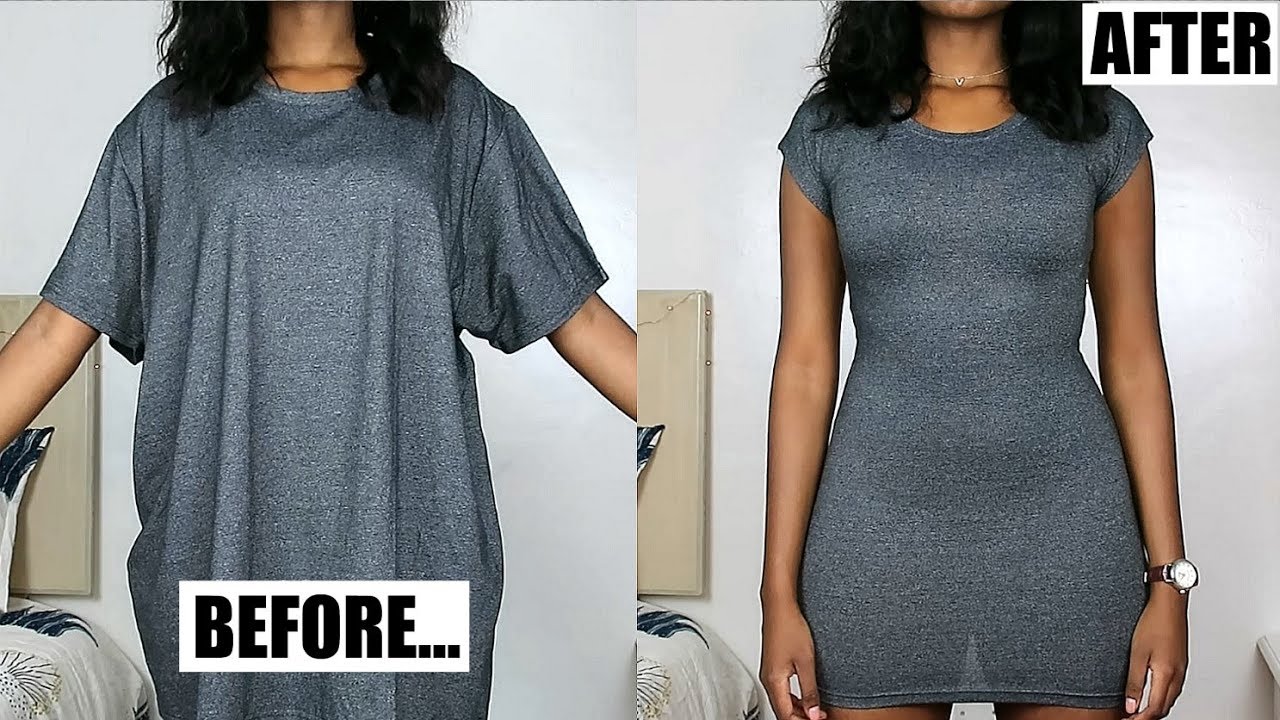
The good news is you don’t need to keep these shirts hidden in your closet. With some simple tricks and a bit of creativity, you can turn an oversize T-shirt into a piece that fits well and flatters your shape.
In this article, you'll learn easy and practical ways to make any big T-shirt fit better. You don’t need to be an expert in sewing or fashion. Many techniques work even if you have little experience. Along the way, you’ll discover tips most beginners miss, and you’ll find out how small changes can make a big difference.
Let’s dive in and unlock the potential of that oversize T-shirt.
Why Oversize T-shirts Don’t Fit Well
Oversize T-shirts are designed to be loose, but sometimes they cross the line from stylishly relaxed to just sloppy. Here’s why they often don’t look right:
- Too much fabric: Extra material can hide your body’s shape, making you look bigger or shapeless.
- Long sleeves: Sleeves may cover your elbows or wrists, giving an unbalanced look.
- Low shoulders: Shoulder seams hang below your natural shoulder line.
- Wide neckline: The collar droops or slides off your shoulder.
- Long length: The hem may reach your thighs or knees, which is rarely flattering.
Understanding these issues helps you know what to fix. Not every oversize T-shirt needs the same adjustments. Sometimes you just need to tuck it in. Other times, a quick stitch or knot will do the job.
Quick No-sew Tricks For A Better Fit
Not everyone has a sewing machine or the time for big changes. Luckily, there are fast and easy ways to make a T-shirt look fitted—no sewing needed.
1. The Classic Tuck
Tucking your T-shirt can instantly change its shape. There are a few ways to do this:
- Full tuck: Tuck the whole hem into your pants or skirt for a tidy look.
- Front tuck: Only tuck the front part, leaving the back loose. This adds shape but keeps a relaxed feel.
- Side tuck: Tuck one side of the shirt into your waistband for an off-center, stylish effect.
These methods work best with jeans, shorts, or skirts. Try a belt for extra style and control.
2. The Knot Trick
Knotting is a popular and simple way to shrink the look of a big T-shirt.
- Gather extra fabric at the bottom of the shirt.
- Twist the fabric and tie a knot (center, side, or back).
- Adjust the tightness and location as you like.
A knot can make the shirt shorter and more fitted at the waist. It also adds personality.
3. Rolling The Sleeves
Oversize T-shirts often have long, loose sleeves. Rolling them up gives a neat look and reveals your arms.
- Fold the sleeve hem once or twice.
- For a tighter roll, use double-sided tape inside the fold.
Rolled sleeves work for both men and women. They add a casual, confident touch.
4. Layering For Shape
Layering can make a big shirt look intentional, not just oversized.
- Wear a fitted tank top or long-sleeve shirt underneath.
- Add a jacket or blazer over the T-shirt.
- Use a vest, cardigan, or crop top to break up the length.
Layering gives structure and style. It’s also great for changing your look without cutting or sewing.
5. Belt It
A belt is a fast way to create a waist on a baggy T-shirt.
- Choose a thin or wide belt depending on your style.
- Place the belt at your natural waist or hips.
- Gently pull the shirt above the belt for a bloused look.
Belting works especially well with longer T-shirts or shirt dresses.
6. Shrink It In The Wash
If your T-shirt is made of cotton or a cotton blend, you might be able to shrink it.
- Wash the shirt in hot water.
- Dry it on high heat.
Be careful: this method can sometimes shrink unevenly or affect the print. Check the fabric label first.
Non-obvious insight: If your T-shirt has a graphic or print, turn it inside out before shrinking. This protects the design from heat damage.
Simple Diy Alterations You Can Do At Home
If you want a more permanent solution, small alterations can make a big impact. You don’t need advanced sewing skills—just basic tools and patience.
1. Take In The Sides
Taking in the sides means sewing along the side seams to remove extra fabric.
- Turn the shirt inside out.
- Put the shirt on and mark where you want it tighter.
- Pin along the new line and sew with a straight stitch.
- Trim the extra fabric and turn the shirt right side out.
This technique works for both men’s and women’s T-shirts. Even a small adjustment can make the shirt look tailored.
2. Shorten The Hem
A long T-shirt can make you look shorter. Shortening the hem gives a better fit.
- Try on the shirt and mark your desired length.
- Cut off the excess fabric.
- Fold the raw edge under and sew a new hem.
If you don’t want to sew, you can use fabric glue or iron-on hem tape. This holds the edge in place with heat.
3. Adjust The Sleeves
Wide or long sleeves can be fixed easily.
- Lay the T-shirt flat.
- Cut the sleeves to your preferred length (short, cap, or even sleeveless).
- Fold and hem the new edge.
You can also make cuffed sleeves by folding and sewing the ends in place.
4. Reshape The Neckline
A wide or droopy neckline can be improved.
- Cut a new shape: Scoop, V-neck, or boat neck.
- Fold the raw edge under and sew or use fabric glue.
You can add a thin strip of fabric as a neck binding for a finished look.
5. Add Side Slits
For long T-shirts, side slits at the hem can make movement easier and add style.
- Use scissors to cut small slits (2–5 inches) at each side seam.
- Finish the edge with a simple stitch or fabric glue.
Side slits also help the shirt drape better over your hips.
6. Crop The T-shirt
Cropped T-shirts are trendy and easy to make.
- Try on the shirt and mark where you want it to end.
- Cut straight across.
- For a raw edge, leave it unsewn (cotton will curl slightly).
- For a neater look, fold and hem the edge.
Cropped shirts pair well with high-waisted jeans or skirts.
Non-obvious insight: When cropping, always cut less than you think. You can always trim more, but you can’t add fabric back.
Creative Style Hacks For Oversize T-shirts
Oversize T-shirts are a blank canvas. With a little imagination, you can make them part of your personal style.
1. Off-the-shoulder Look
Pulling one or both shoulders out gives a relaxed, chic look.
- Cut a wider neckline if needed.
- Wear a colorful tank top or bralette underneath.
This style works well for casual outings or lounging.
2. The Dress Transformation
If the shirt is long enough, wear it as a dress.
- Belt the waist to add shape.
- Layer with leggings or bike shorts for comfort.
Add accessories like a hat or chunky necklace to finish the outfit.
3. The Tie-back Method
Gather excess fabric at the back and tie it with a small elastic or ribbon.
- Pull the knot inside the shirt for a hidden, fitted look.
- This method works well under jackets or cardigans.
4. Make It A Skirt
With a few adjustments, an oversize T-shirt can become a skirt.
- Cut off the sleeves and neckline.
- Step into the shirt and pull it up to your waist.
- Use a belt or elastic to keep it in place.
This unusual trick works best with T-shirts that have interesting prints or colors.
5. Layer With Other Pieces
Use the T-shirt as a top layer over dresses, long-sleeve shirts, or turtlenecks.
- Tie the hem in a knot for a cropped effect.
- Mix colors and patterns for a bold style.
Layering makes the T-shirt look intentional and modern.
6. Add Decorative Cuts
Cut small shapes or slits into the shirt for a “distressed” or unique look.
- Try slashes at the shoulders, neckline, or hem.
- Cut a triangle or heart at the back.
Always start with small cuts—you can make them bigger, but not smaller.
How To Choose The Right Method For Your Body Type
Not every trick works for every person. Think about your body shape and style preferences before making changes.
If You’re Petite
- Avoid long, baggy hems—cropping or tucking helps.
- Belt the waist to show your figure.
- Shorten sleeves and hem for balance.
If You Have A Curvy Shape
- Try knotting at the side or front to highlight your waist.
- Use a V-neck cut to elongate your neck.
- Layer with fitted pieces underneath for smooth lines.
If You’re Tall
- Oversize T-shirts can work as tunics or dresses.
- Experiment with belts and layering for shape.
If You Have Broad Shoulders
- Avoid cutting too wide a neckline.
- Roll sleeves for a more tailored arm look.
Non-obvious insight: Your comfort matters as much as style. If a method feels awkward, try another. Confidence makes any look work.
Tools And Materials You Might Need
Many fixes require only items you already own. Here are some tools that help:
- Sharp fabric scissors
- Pins or safety pins
- Needle and thread or sewing machine
- Fabric glue or iron-on hem tape
- Measuring tape or ruler
- Chalk or fabric marker for marking
- Elastic bands or ribbons
- Belts and accessories
Investing in a few basic tools can help with all your clothing projects, not just T-shirts.
Comparing No-sew Vs. Sew Methods
Sometimes, you might wonder if you should sew or just use quick tricks. Here’s a side-by-side look:
| Method | Pros | Cons | Best For |
|---|---|---|---|
| No-Sew (Tucking, Knotting, Belting) | Fast, reversible, no tools needed | Temporary, may come undone | Quick style changes, beginners |
| Sewing (Hemming, Taking In Sides) | Permanent, custom fit | Time, tools, some skill needed | Long-term solutions, special T-shirts |
Try no-sew first if you’re not sure. If you love the new look, make it permanent with a few stitches.
Mistakes To Avoid When Resizing Oversize T-shirts
Many people make simple errors when adjusting T-shirts. Avoid these common mistakes:
- Cutting too much: It’s easy to cut the shirt too short or make holes too big. Always start small.
- Ignoring fabric type: Some fabrics shrink or fray easily. Check the label before washing or cutting.
- Not marking before cutting: Use chalk or a marker to plan your changes. This prevents uneven lines.
- Skipping the try-on: Always try the shirt on after pinning or before sewing. Small adjustments matter.
- Using the wrong glue or tape: Not all products work on all fabrics. Test on a hidden area first.
Expert tip: If you’re unsure, practice on an old T-shirt before working on your favorite one.
Best Accessories To Pair With Fitted T-shirts
A fitted T-shirt is just the start. The right accessories can finish your look:
- Belts: Add shape and color.
- Scarves: Tie around your neck or waist.
- Layered necklaces: Draw attention to your neckline.
- Hats: Beanies, caps, or fedoras for style.
- Shoes: Sneakers for casual, boots for edgy, sandals for summer.
Don’t be afraid to experiment. Accessories can change the whole feel of your outfit.
When To Take Your T-shirt To A Tailor
Some shirts are worth a professional touch. Consider a tailor if:
- The shirt has sentimental value or was expensive.
- The fabric is delicate or hard to sew.
- You want a very specific fit (like custom sleeves or shaping).
- You tried home fixes and aren’t happy with the results.
A tailor can make changes you can’t do at home, such as reshaping the shoulders or adding darts for a perfect fit. Tailoring is usually quick and not very expensive for simple jobs.

Credit: www.youtube.com
Real-life Examples: Before And After
Seeing real transformations can inspire you. Here are a few examples:
Example 1: The Baggy Band Tee
- Before: Oversized, long, sleeves to the elbows.
- After: Sleeves rolled, hem tucked in front, paired with a belt and jeans.
- Result: Balanced, casual, and stylish.
Example 2: The Thrift Store Find
- Before: Vintage T-shirt, two sizes too big, droopy neckline.
- After: Sides taken in, neckline cut into a V, worn with a necklace and skirt.
- Result: Feminine and modern, no sign of the old fit.
Example 3: The Diy Crop Top
- Before: Old sports shirt, loose and long.
- After: Cropped above the waist, raw edge left for a relaxed look, worn with high-rise shorts.
- Result: Trendy summer outfit.
These stories show how simple changes can rescue a T-shirt from the donation pile.
Advanced Methods For A Custom Fit
If you want to level up your DIY skills, try these advanced ideas:
Add Darts For Shaping
Darts are small stitched folds that make a T-shirt fit the curves of your body.
- Mark where you want the shirt to be more fitted (usually at the bust or back).
- Pin and sew small, triangle-shaped tucks.
Darts are especially useful for women’s T-shirts.
Sew In Elastic
Adding elastic to the waist or sleeves can create a gathered, fitted look.
- Measure and cut elastic to the desired length.
- Stretch and sew it to the inside of the shirt.
This method is good for creating a cinched waist or puff sleeves.
Attach Ribbons Or Drawstrings
Sew ribbons or drawstrings at the sides, waist, or back.
- Pull and tie for an adjustable fit.
- Adds a decorative touch.
Try mixing colors for extra style.
Panel Inserts
If you want to keep some of the oversize but add shape, sew in panels of different fabric at the sides.
- Cut and insert panels for a color-block effect.
- This works best with basic sewing skills.
Panel inserts turn a simple T-shirt into a statement piece.
Comparison: Knotted Vs. Cropped Styles
How does a knotted T-shirt look compared to a cropped one? Here’s a quick visual guide:
| Feature | Knotted T-Shirt | Cropped T-Shirt |
|---|---|---|
| Adjustability | Can change knot position and tightness | Fixed length once cut |
| Formality | Casual, playful | Trendy, can be styled up or down |
| Skill Needed | No skill—just tie a knot | Cutting and optional sewing |
| Best With | High-waist jeans, shorts | High-waist pants, skirts |
Choose the style that fits your taste and the occasion.
Caring For Your Newly Fitted T-shirt
After you’ve resized or restyled your T-shirt, take care to keep it looking good:
- Wash in cold water to prevent further shrinking.
- Turn inside out before washing to protect designs and seams.
- Air dry or use a low-heat setting.
- Avoid harsh chemicals or bleach.
Proper care keeps your T-shirt in great shape, so your work lasts longer.
Credit: www.youtube.com
Sustainability Tip: Upcycle And Donate
Oversize T-shirts offer a chance to get creative and reduce waste. If your project doesn’t work out, don’t throw the shirt away. Use the fabric for cleaning rags, tote bags, or crafts. Or donate to local charities—many people need basic clothing, even if it’s big.
Upcycling is not only good for your style but also for the planet. For more ideas on sustainable fashion, check out Fashion Revolution.
Frequently Asked Questions
What Is The Easiest Way To Make An Oversize T-shirt Fit Better?
The easiest way is to tuck or knot the shirt. You don’t need tools or skills—just tuck the hem into your pants or tie a knot at the waist. This quickly adds shape and style.
Can I Shrink A T-shirt At Home Without Damaging It?
You can shrink many cotton T-shirts by washing in hot water and drying on high heat. However, prints or special fabrics may get damaged. Always check the label and turn the shirt inside out before washing.
What If I Cut My T-shirt Too Short?
If you cut the shirt too short, try layering it over a tank top or dress for a new look. You can also sew on a band of fabric to add length, or use it as a crop top.
Is Sewing Necessary To Resize An Oversize T-shirt?
Sewing is not always necessary. Many tricks—like tucking, knotting, or belting—work without sewing. For permanent changes or a tailored fit, basic sewing helps.
How Can I Make A T-shirt Look Stylish Without Altering It?
Try layering the T-shirt with jackets, vests, or fitted shirts. Roll the sleeves, add accessories like belts or necklaces, and pair with stylish bottoms. Small styling changes can make a big difference.
Making an oversize T-shirt fit is not just about shrinking or cutting—it’s about making the shirt work for you. With these methods and tips, your big T-shirt can become a favorite piece, full of comfort, style, and personality.

Credit: www.asos.com
