

How to Make Gym Leggings Stay Up: Pro Tips for a Perfect Fit
Staying comfortable and confident during a workout is important. But many people struggle with gym leggings that slide down, bunch up, or need constant fixing. This can be distracting and even embarrassing. If you’ve ever adjusted your leggings mid-squat or pulled them up between treadmill sprints, you know the frustration. The good news: You don’t have to accept leggings that won’t stay put. With the right tips and a better understanding of what causes this problem, you can keep your leggings up, focus on your workout, and feel good doing it.
Let’s dive into the real reasons leggings slip, how to choose the best pair, and practical fixes you can use right away. Whether you’re a beginner at the gym or a seasoned lifter, these tips will help you get the most from your gym clothes and your workouts.
Why Gym Leggings Slide Down
Understanding why leggings slip is the first step to solving the problem. Several factors can make leggings fall or roll down, but most boil down to design, fit, and movement.
- Fabric and Stretch: Leggings made from poor-quality materials or with too much stretch often lose their shape after a few wears. If the fabric is too thin or not supportive, it won’t grip your waist.
- Waistband Design: Some leggings have a narrow or weak waistband. These can roll, fold, or slide when you move. High-rise waistbands with strong elastic tend to stay up better.
- Sizing Issues: If your leggings are too large, the fabric won’t cling to your body. If they’re too tight, they may roll down as you bend and stretch.
- Body Shape Differences: Everyone’s body is different. Some people have a smaller waist and larger hips, while others have a straighter figure. Leggings that fit one body type may not work for another.
- Washing and Wear: Over time, washing can stretch out the fabric or damage the elastic. Old leggings are more likely to slip, even if they fit well when new.
- Type of Exercise: Running, jumping, or doing deep squats can make leggings move more than walking or cycling. Some leggings are not made for high-impact workouts.
Non-obvious Insight: Fabric Blend Matters More Than You Think
Most beginners look for “stretchy” leggings. But the blend of materials is key. For example, leggings with a higher percentage of spandex (elastane) (usually around 20%) keep their shape better than those with less. Cotton-heavy leggings may feel soft but lose firmness quickly.
Non-obvious Insight: Seams And Stitching Affect Grip
Flatlock seams and reinforced stitching at the waistband are often overlooked. These can keep the band from rolling and help the leggings grip your waist during intense movement.
How To Choose Leggings That Stay Up
Picking the right leggings makes a huge difference. Here’s what to look for the next time you shop:
1. Material Quality And Blend
Aim for leggings with a high-quality synthetic blend. Nylon and polyester with 15–25% spandex (also called elastane or Lycra) work best. This combination offers stretch, shape retention, and moisture-wicking.
2. Waistband Style
A high-rise waistband that sits above your hips stays up better than mid- or low-rise options. Look for a wide, double-layered waistband with firm elastic. Some even have an inner drawstring for extra security.
3. Correct Size
Check the brand’s sizing guide and measure your waist and hips. If you’re between sizes, try sizing down for a firmer fit, but not so tight that you feel squeezed or uncomfortable.
4. Compression Fit
Compression leggings “hug” your body and are less likely to slip. They also support your muscles during intense workouts.
5. Try-on Test
When possible, do a few squats and jumps in the fitting room. If the leggings slide down or the waistband rolls, try another pair.
Here’s a comparison of common legging materials:
| Fabric Blend | Stretch/Support | Durability | Stays Up? |
|---|---|---|---|
| Cotton/Spandex | Medium | Low | No |
| Polyester/Spandex | High | High | Yes |
| Nylon/Spandex | Very High | Very High | Best |
6. Look For Features That Help Hold
- Internal drawstrings allow you to tighten the waist.
- Silicone strips on the inside of the waistband can grip your skin.
- V-shaped waistbands fit the natural curve of your waist.
7. Brand Reputation
Some brands focus on fitness-specific leggings and use higher quality materials and construction. Read reviews and look for brands with a reputation for leggings that stay put.
8. Avoid Fashion Leggings For Workouts
Leggings designed for casual wear or fashion may look good but often lack the support needed for exercise.
Credit: shopvitality.com
Fixes For Leggings That Won’t Stay Up
Already own leggings that won’t stay up? You don’t always have to buy a new pair. Here are solutions you can try right now:
1. Wear The Right Underwear
Thick, loose, or slippery underwear can make leggings slide. Choose seamless, fitted underwear that stays in place and doesn’t create extra friction.
2. Layer With Shorts
Wearing a pair of tight shorts (like cycling shorts) over your leggings can help hold them up during intense workouts.
3. Use Fashion Tape Or Body Adhesive
Double-sided tape or body adhesive (used for keeping clothes in place) can help leggings grip your skin, especially at the waistband.
4. Add An Elastic Waistband
If you sew, you can open the waistband seam and insert a stronger elastic band. This is a quick fix for leggings that have lost their stretch.
5. Use A Drawstring
Some leggings have a hidden channel in the waistband. You can thread a drawstring through this to tighten as needed.
6. Wash Leggings Properly
Hot water and harsh detergents break down elastic fibers. Wash your leggings in cold water, use gentle detergent, and air dry whenever possible.
7. Fold Waistband Once
Rolling or folding the waistband over can sometimes create a tighter grip. This works best with wide, flat waistbands.
8. Try A Waist Trainer
A soft, flexible waist trainer or sweat belt worn over leggings can hold them in place for certain workouts (not all-day wear).
Proper Care To Maintain Shape And Grip
How you care for your leggings affects how long they stay supportive. Even the best leggings can lose their shape if handled poorly.
Washing Tips
- Turn leggings inside out before washing.
- Use a mesh laundry bag to prevent stretching.
- Wash with similar colors and fabrics.
- Avoid fabric softeners, which can coat fibers and reduce elasticity.
Drying Tips
- Never use high heat in the dryer.
- Lay leggings flat or hang them to air dry.
- Avoid wringing out water, which can damage the fibers.
Storage
- Fold leggings rather than hanging, as hanging can stretch out the waistband over time.
- Store in a cool, dry place away from direct sunlight.
Frequency Of Replacement
Even with good care, leggings will eventually lose their grip. If you notice your leggings sliding more often, the elastic may be worn out and it’s probably time for a new pair.
Special Situations: Body Shape And Legging Fit
Body shape affects how leggings fit and stay up. Here’s how to pick the right style for your body:
Curvy Hips And Small Waist
Look for leggings with a V-shaped or contoured waistband. These are designed to fit a smaller waist and wider hips, reducing gaps and slippage.
Straight Or Athletic Build
Compression leggings with a flat waistband work well. Avoid loose styles or low-rise cuts, which can slip on a straighter figure.
Plus Size
Choose brands that specialize in plus-size activewear. These offer better support, firmer waistbands, and designs that stay up during movement.
Maternity
Maternity leggings with a supportive over-belly panel are best. They’re designed to stay up as your body changes.
Here’s a quick guide to which waistband types suit different body shapes:
| Body Shape | Recommended Waistband | Why It Works |
|---|---|---|
| Hourglass | V-shaped/Contoured | Hugs waist, prevents gapping |
| Rectangle/Athletic | Wide Flat | Even pressure, reduces slipping |
| Plus Size | High-rise, wide | Extra support, stays put |
| Maternity | Over-belly panel | Adapts to body changes |
Mistakes To Avoid When Buying And Wearing Leggings
Making smart choices from the start saves frustration later. Here are some common mistakes that lead to leggings that won’t stay up:
- Ignoring Sizing Charts: Brands have different sizing. Always check before buying.
- Choosing Fashion Over Function: Not all leggings are made for exercise. Look for features like moisture-wicking, compression, and sturdy waistbands.
- Overlooking Fabric Content: Cotton-heavy leggings stretch out fast. Go for blends with more spandex and synthetic fibers.
- Washing Incorrectly: Hot water, harsh detergents, and dryers destroy elastic.
- Wearing Overly Old Leggings: Elastic wears out over time; replace as needed.
- Buying One Size for All Activities: Leggings for yoga may not work for running or HIIT. Buy for your main activities.
Diy Solutions For Emergency Fixes
If you’re mid-workout or can’t change leggings, these quick tricks can help:
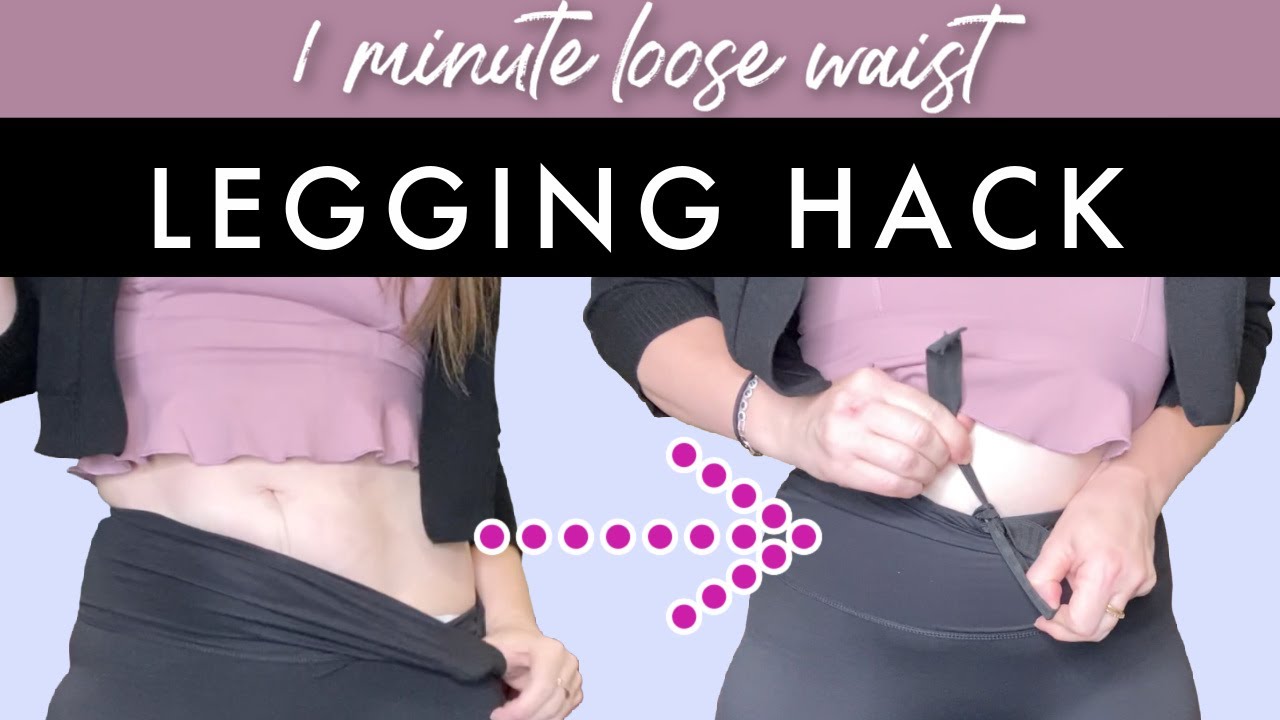
- Safety Pins: Pin the waistband tighter on the inside (carefully) if you’re desperate.
- Hair Tie Hack: Loop a hair tie through a belt loop or waistband and tie it tight.
- Layer with a Tight Top: A snug, long workout top over your leggings can help hold them up.
These are not long-term solutions, but can save you from a wardrobe malfunction in a pinch.
Comparing Popular Legging Brands For Stay-up Performance
Choosing the right brand can make a big difference. Here’s a quick look at how some popular gym legging brands stack up for “stay-up” performance:
| Brand | Main Features | Stay-Up Rating |
|---|---|---|
| Lululemon Align | High-rise, soft, lots of stretch | Very Good |
| Gymshark Flex | Compression, wide waistband | Excellent |
| Under Armour HeatGear | Moisture-wicking, firm waistband | Good |
| Old Navy PowerPress | Affordable, high-rise, moderate stretch | Good |
| Athleta Salutation | Supportive, contoured, hidden pocket | Very Good |
These ratings are based on user reviews and reported experiences. Remember, fit and performance can vary by body shape.
Credit: www.youtube.com
How To Test Leggings Before You Buy
If you’re shopping in-store or have the option to try on leggings before buying, do these simple tests:
- Jump Test: Jump up and down a few times. If the waistband moves, they’re not likely to stay up during exercise.
- Squat Test: Do deep squats. If the leggings slide down, try another size or style.
- Waistband Roll Test: Sit and stand several times. The waistband should not roll or fold easily.
- Stretch Test: Gently stretch the waistband. It should return to its original shape, not stay loose or floppy.
- Move Side to Side: Twist at the waist and move your legs. The leggings should stay put.
If you’re shopping online, read user reviews carefully, focusing on feedback about “stay-up” performance.
Advanced Tips For Extra Grip
If you’re still having trouble, a few advanced tricks can help:
1. Silicone Waistband Inserts
Some athletic stores sell silicone waistband strips you can sew or stick inside your leggings. These grip your skin without irritation.
2. Double Up
Wearing two pairs of thin, high-waisted leggings can create more friction and hold, especially for high-impact workouts.
3. Waistband Extenders
If you’re between sizes, a waistband extender can add tension without squeezing your waist uncomfortably.
4. Tailoring
A tailor can add darts or take in the waistband for a custom fit. This is a good option for expensive leggings that almost fit.
The Role Of Confidence
It’s easy to focus on the technical side of leggings, but confidence matters too. Constantly adjusting your clothes can make you self-conscious and distract from your performance. When leggings fit well and stay up, you can move freely, push harder, and enjoy your workout more.
If you’re new to the gym, remember: everyone has wardrobe malfunctions sometimes. Don’t let a small issue stop you from reaching your goals. Use these tips, experiment with different styles, and find what works for you.
Frequently Asked Questions
Why Do My Leggings Roll Down At The Waist?
Rolling waistbands are usually caused by weak elastic, poor fit, or a waistband that is too narrow. High-rise, wide waistbands with strong elastic are less likely to roll, especially if they fit your body shape well.
Can I Shrink Leggings That Have Stretched Out?
Most leggings use synthetic fibers that don’t shrink much. Washing in hot water or using a dryer can damage the elastic, making the problem worse. If your leggings are stretched out, replacing the waistband or buying a new pair is usually better.
Are Drawstring Waistbands Better For Staying Up?
Drawstring waistbands allow you to adjust the tightness for a custom fit. They work well for people with a smaller waist or if you’re between sizes. Many runners and athletes prefer them for extra security.
How Often Should I Replace My Gym Leggings?
With regular use, good-quality leggings last 6–12 months before losing their shape. If you notice slipping, sagging, or thinning fabric, it’s time for a new pair. Proper washing and care can help them last longer.
What Are The Best Materials For Leggings That Stay Up?
The best blends are nylon/spandex or polyester/spandex (with at least 15% spandex). These provide stretch, support, and shape retention. Avoid cotton-heavy blends for workouts, as they lose elasticity faster. For more on fabric properties, the Textile Association offers detailed guides.
Gym leggings that stay up are not just about comfort, but about getting the most from your workout. With the right fit, quality materials, and a few simple tricks, you can say goodbye to slipping leggings and focus on your fitness.
Try these tips, make smart choices when you shop, and don’t be afraid to experiment until you find what works best for your body and your routine. Your confidence—and your performance—will thank you.
Credit: www.lemon8-app.com
